
5442 North 20 Th Street, Milwaukee, WI 53209
For more information about senior living options: (866) 208-4318
5 Star Adult Care Services Costs & Pricing
5 Star Adult Care Services offers a range of accommodation options that reflect both the quality of care and the varying costs associated with different living arrangements. For a studio, residents can expect to pay between $1,835 and $4,560, which is notably lower than Milwaukee County's average of $3,841 and Wisconsin's statewide average of $3,999. The private room option at 5 Star is priced at $5,400, surpassing the county's average of $4,513 and the state's typical cost of $4,339. Conversely, for those considering a semi-private room, the rate at 5 Star is significantly higher at $7,235 compared to Milwaukee County's average of $4,341 and Wisconsin's statewide average of $3,977. Overall, while some options may be more expensive than local averages - particularly for private and semi-private accommodations - 5 Star Adult Care Services positions itself as a provider committed to delivering premium care tailored to individual needs.
| Floor plans | 5 Star Adult Care Services | Milwaukee County | Wisconsin |
|---|---|---|---|
| Studio | $1,835 to $4,560 | $3,841 | $3,999 |
| Private | $5,400 | $4,513 | $4,339 |
| Semi-Private | $7,235 | $4,341 | $3,977 |
Memory care communities with a similar price nearby
-
from -$80 / mo

St. Rita Square
$1,755 to $3,575 / month4.8 miles away -
from +$115 / mo

Meadowmere Oak Creek
$1,950 to $5,155 / month16.0 miles away -
from +$265 / mo

The Waters of Oak Creek
$2,100 to $7,110 / month16.0 miles away -
About the same

New Perspective Senior Living | North Shore
$1,850 to $3,538 / month5.0 miles away -
About the same
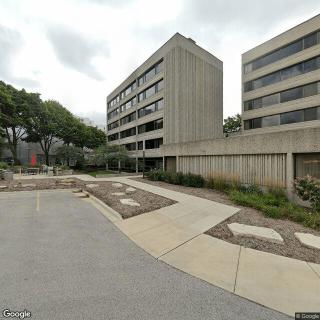
Milwaukee Catholic Home, a CCRC
$1,838 to $4,083 / month4.7 miles away
Overall Review of 5 Star Adult Care Services
Pros
 Ben is an exceptional therapist.
- He is kind, knowledgeable, and always goes above and beyond to support his patients.
- He helps patients regain confidence and mobility.
- He is highly recommended.
Review
5 Star Adult Care Services in Milwaukee is best suited for families pursuing aggressive, outcomes-driven rehabilitation, especially when a loved one needs to rebuild mobility and confidence through focused, one-on-one therapy. The standout reality is a therapy team that can deliver personalized care with measurable results, led by a therapist who consistently goes above and beyond. When the priority is restoring independence after a setback, whether a fall, surgery, or a period of rehab, this community offers a clear path: disciplined, skilled intervention in a setting that emphasizes progress, hand-in-hand coaching, and practical coaching for daily tasks. The clear message from the available experiences is that mobility restoration is the core strength and driving force here.
Those considering alternatives should think carefully about goals beyond physical therapy. If a resident requires a broader continuum of care, robust social programming, comprehensive medication management, memory-care specific design, or 24/7 supervision, this may not be the most comprehensive fit. The limited published feedback, coming from just three reviews, means there is less assurance about other aspects of living, such as dining variety, activity breadth, safety routines, or long-term care adaptability. Families seeking a vibrant social ecosystem or a facility with a wide spectrum of services should compare options that publicly highlight these strengths. In short, this community is highly selective in its value proposition and may not serve every future resident equally well.
On the upside, the strongest pro is unmistakable: a remarkably capable therapy-focused environment. The therapist described, Ben, is kind, knowledgeable, and consistently committed to outcomes that matter to families: improved mobility, restored confidence, and the sense that progress is happening. This level of dedication translates into tangible benefits: more independence in daily tasks, fewer activity limitations, and a clearer plan for stepping down to home or less-intensive settings. When a senior’s primary goal is reclaiming function and reclaiming fearless participation in routine activities, these therapy-driven gains can offset concerns about fewer amenities or a narrower service scope. The takeaway is precise: the care team’s clinical prowess makes a decisive difference for rehabilitation trajectories.
Yet, the possible cons are real enough to warrant a prudent plan. The reviews offer little insight into the breadth of staff experience beyond Ben, the depth of non-therapy services, or how the environment supports socialization and long-term well-being. The small data set means prospective residents should verify access to other professionals, such as nursing oversight, medication management, and auxiliary services, and should seek a full tour to gauge daily life beyond therapy sessions. The risk, if one exists, is that a resident may thrive in therapy but feel administratively or socially underserved if other needs evolve. This is not a verdict against the community, but a reminder to confirm a holistic fit for long-term goals.
Practically, families should approach a decision with a two-track lens: confirm alignment on rehabilitation goals and assess the broader living experience. Schedule time to observe therapy sessions and meet the care team, especially the liaison who coordinates therapy with daily living needs. Ask about how schedules adapt to progress, whether there are opportunities for family involvement, and how outcomes are tracked and communicated. At the same time, request a thorough briefing on dining, activities, safety procedures, and any memory-care or advanced medical services to ensure there is a plan if needs shift. This balanced inquiry will reveal whether the facility can sustain gains as independence evolves and whether the social fabric keeps pace with clinical progress.
In the final assessment, 5 Star Adult Care Services emerges as a compelling choice for families prioritizing rehabilitative excellence and personalized therapy. It is not a broad, all-purpose senior living option, but a purpose-built environment where mobility and confidence can rebound under expert guidance. For residents whose goals center on regaining independence through high-quality therapy, the positives vastly outweigh the uncertainties linked to a limited breadth of publicly documented services. For others, those seeking expansive social programming, comprehensive memory care, or around-the-clock supervision, the prudent move is to explore alternatives with a more diversified service mix. A decisive step is a direct visit, guided by honest conversations with Ben and the leadership team to confirm that the trajectory aligns with the resident’s long-term care plan.
 4 resident community capacity
 Assisted Living
 Board and Care Home
 Memory Care
 Cable or satellite TV
 Dining room
 Fully furnished
 Garden
 Housekeeping services
 Move-in coordination
 Outdoor space
 Telephone
 Wi-Fi/high-speed internet available
 General Mitchell International (12 miles away)
 24-hour supervision
 Activities of daily living assistance
 Assistance with bathing
 Assistance with dressing
 Assistance with transfers
 Diabetes diet
 Hospice waiver
 Meal preparation and service
 Medication management
 Mental wellness program
 Special dietary restrictions
 Transportation arrangement (medical)
 Transportation to doctors appointments



 Delving into the Inner World of Dementia: Insights into Thoughts and Awareness
 Five Subtle Dementia Indicators to Observe: An In-Depth Guide to Understanding “Does My Mom Have Dementia?”
 Dementia, Paranoia, and Caregiver Guidance: Understanding the Connection