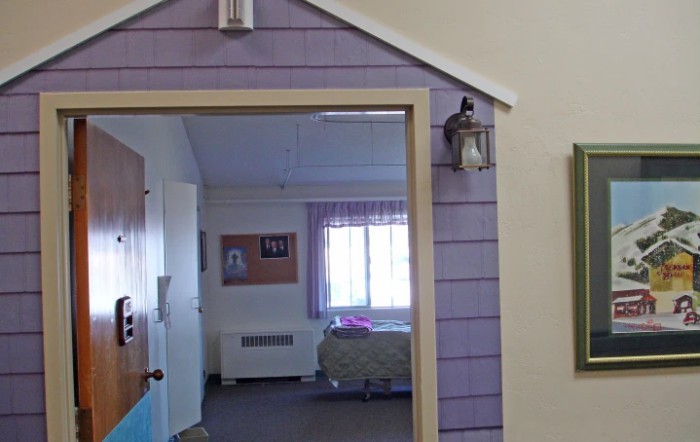

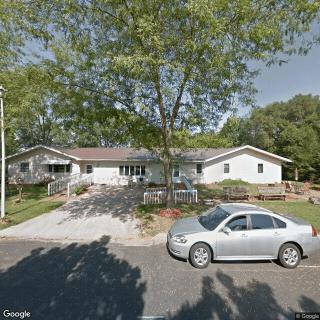
1850 11Th Street, Fennimore, WI 53809
For more information about senior living options: (866) 208-4318
Overall Review of Divine Rehabilitation And Nursing At Fennimore
Pros
 The staff are friendly and helpful, and the smiling faces create a welcoming atmosphere.
- The facility exudes southern hospitality and feels like home.
- The place is very clean, and the Christmas decorations are fantastic.
- The therapy staff work miracles, making it a great place to rehab.
- Della seems very happy there.
- Residents seem content and well cared for.
- The staff are friendly, attentive, and kind to residents.
- Visiting the residents weekly is enjoyable.
Cons
 The review states not to trust these people, calling it pretty sad.
- The facility is described as being poorly staffed by cruel-hearted people.
- Laura reportedly refused to listen to the family's needs, and medical aspects were not being addressed properly.
- The nurse allegedly told the grandmother she could no longer stay with her grandfather.
- The care was described as sketchy, unprofessional, and disheartening.
- One reviewer felt that some things could use improvement.
Review
Divine Rehabilitation And Nursing at Fennimore is best suited for families seeking a warm, home-like atmosphere where staff actively engage residents, a solid rehabilitation and therapy program, and a visible culture of resident happiness. The community shines for families who value frequent personal interactions, cheerful staff, and clean, inviting common spaces. It also caters well to memory-care needs, with dedicated staff and a level of daily activity that keeps residents connected and socially engaged. For visitors and caregivers who prioritize a friendly, welcoming welcome home, this site often meets and even exceeds expectations.
However, prospective residents who require highly consistent, 24/7 medical oversight or who have encountered staffing gaps in the past may want to consider alternatives. A few reviews flag concerns about staffing levels and responsiveness, suggesting that some shifts can feel lean and that medical issues may not always receive the immediate attention families expect. Families who demand a uniformly tight, highly professional care culture across all shifts should weigh those reports carefully and compare options with direct conversations about staffing plans, escalation procedures, and the cadence of physician or advanced-practice oversight.
The strongest offset to these potential drawbacks lies in the clearly demonstrated strengths on the floor: genuinely friendly and motivated staff, a clean and well-kept environment, and a robust therapy ecosystem that residents and visiting professionals praise. Therapy teams are described as capable and effective, and the overall tone from the front to the therapy wing is one of purpose and competence. The atmosphere is frequently described as welcoming, patients appear content, decorations are engaging, and the daily life of the facility includes meaningful social interactions that make families feel comfortable leaving their loved ones in place.
Care in the memory-care domain stands out as a particular strength in many accounts. A memory-care nurse or caregiver is highlighted for attentiveness, with conversations that reflect ongoing engagement and recognition of residents’ needs. Families repeatedly note that care feels personal and attentive, and that staff members take time to build relationships, which translates to a perception of safety and well-being. The combination of a well-maintained environment, a sense of community, and proactive engagement helps mitigate some of the concerns raised about staffing by anchoring daily life in reliable, visible care practices.
From a decision-making standpoint, the key is aligning expectations with the realities described by current residents, families, and staff. Prospective families should verify that the level of therapy support matches rehabilitation goals, especially for post-acute recovery or ongoing mobility training. It’s wise to inquire about nurse-to-resident ratios on evenings and weekends, how care plans are communicated to families, and what happens when a request or concern is raised. Consider asking to sit in on a meal service and observe how staff coordinate with aides during peak times, particularly in memory-care corridors. Understanding the cadence of medical oversight, emergency responsiveness, and family updates will clarify whether the positives outweigh the reported concerns in a given situation.
In the end, Divine Rehabilitation and Nursing at Fennimore presents a practical, effective option for families who prioritize a welcoming environment, strong rehabilitation services, and active resident life. It is less ideal for those who require unwavering, uniformly high-stakes medical oversight or who have experienced chronic staffing deficiencies at other facilities and need absolute consistency. The community’s warmth, cleanliness, and visible care ethos are compelling advantages, but the decision should rest on a candid assessment of staffing stability, care communication, and the specific medical needs of the resident. With diligent vetting, visits, direct conversations with staff, and outside references, this facility can be a very solid fit for the right family and the right level of care.
 62 resident community capacity
 Skilled Nursing Facility
 Air-conditioning
 Beauty salon
 Cable or satellite TV
 Computer center
 Dining room
 Fitness room
 Fully furnished
 Gaming room
 Garden
 Housekeeping services
 Kitchenette
 Move-in coordination
 Outdoor space
 Private bathrooms
 Restaurant-style dining
 Small library
 Telephone
 Wellness center
 Wi-Fi/high-speed internet available
 Community operated transportation
 12-16 hour nursing
 24-hour call system
 Activities of daily living assistance
 Assistance with bathing
 Assistance with dressing
 Assistance with transfers
 Diabetes diet
 Medication management
 Mental wellness program
 Special dietary restrictions
 Concierge services
 Planned day trips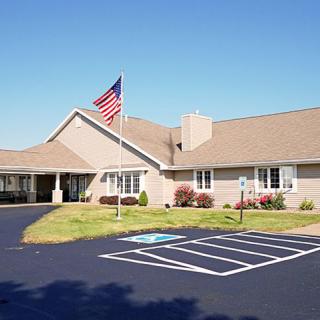


 Powerful Realities of Elder Abuse and the Most Effective Ways to Report It
 Ten Vital Duties of a Senior Caregiver: A Comprehensive Guide
 9 Stimulating Memory Activities for Seniors: Puzzles, Cards, and Much More