
1625 East Main Street, Clintonville, WI 54929
For more information about senior living options: (866) 208-4318
Pines Post Acute And Memory Care Costs & Pricing
Pines Post Acute and Memory Care offers competitive pricing for its services, particularly when compared to both Waupaca County and the broader state of Wisconsin. For a semi-private room, the facility charges $4,080 per month, which is slightly lower than the county average of $4,124 but more than the statewide average of $3,977. In contrast, the cost for a private room at Pines is set at $4,896; this exceeds the county's average of $4,699 and surpasses the statewide figure of $4,339. These rates reflect the quality care and specialized services provided by Pines Post Acute and Memory Care, emphasizing their commitment to delivering a supportive environment that meets individual needs in an increasingly competitive market.
| Floor plans | Pines Post Acute And Memory Care | Waupaca County | Wisconsin |
|---|---|---|---|
| Semi-Private | $4,080 | $4,124 | $3,977 |
| Private | $4,896 | $4,699 | $4,339 |
Skilled Nursing Facilities with a similar price nearby
-
About the same
Greentree Health And Rehab Center
$4,200 to $5,000 / month4.8 miles away
Overall Review of Pines Post Acute And Memory Care
Pros
 The Pines provided wonderful care from the staff.
- The staff greeted residents with smiles and kindness.
- April, the lead cook, prepared foods her mother loved.
- Ashley and Tiffany, CNAs, assisted with dressing, bathing, mobility, and meals daily.
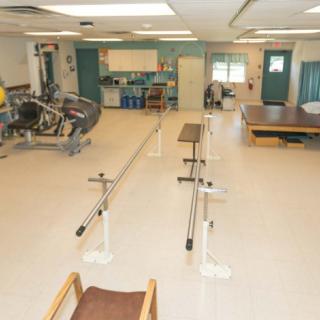
- Mary and Cassie from Physical Therapy helped her regain independence with a smile.
- Nurses Jenny, Jenny, Sarah, Ana, and Diane delivered attentive, excellent patient care throughout her recovery.
- The staff were very professional and friendly.
- They saw to residents' needs and answered call lights promptly.
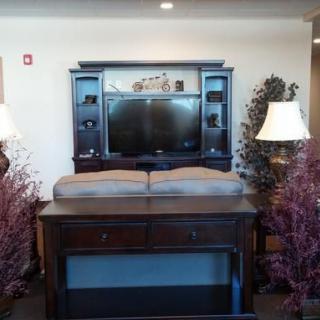
- The rooms were clean and nicely decorated.
- The facility did not have any bad odors.
- The food looked appealing and, according to residents, was delicious.
- They participated in therapies and achieved their goals of returning home.
Cons
 The food is god-awful, unappetizing, and gross.
 - The staff are not friendly or helpful; only a few are gentle.
- They would ignore her when she was hurting, including issues with her feeding tube.
- It took them over 15 minutes to respond at the door.
Review
Pines Post Acute And Memory Care in Clintonville is most suited for families pursuing a defined path to recovery from a short-term skilled stay, with the objective of returning home. The environment is orderly and well maintained, and the care team, nursing staff, CNAs, and therapists, consistently shows up with a practical, patient-centered approach. A memory-care option sits alongside the post-acute program, and when therapy goals are clear, residents can make real gains in independence. In short, this community works best for loved ones who need focused rehabilitation, attentive daily care, and a facility that can coordinate therapies toward a discharge plan.
That said, some families should consider alternatives. For those who place the highest premium on consistently exceptional dining and uniformly warm, responsive interactions, another option may be worth a tour. A minority of reviews describe dining as unappetizing and point to instances where staff warmth or timeliness didn’t meet expectations. Those voices suggest variability in day-to-day experience, which matters for residents who will be there long enough for such details to shape overall satisfaction. Prospective buyers should weigh the rehab strengths against the possibility of more variable service in certain shifts or meals.
The strongest positives here, dedicated caregivers, active therapy, and a clean, odor-free setting, often offset the noted drawbacks. Families repeatedly praise attentive nurses and CNAs, and therapy teams that push for independence with a positive demeanor. Physical therapy, in particular, is highlighted as a meaningful driver of functional gains, helping residents regain or sharpen skills needed to return home. The memory-care unit has also seen constructive evolution, with staff and families noting improvements in care quality and daily routines. In combination, these elements produce real, observable outcomes that can justify a stay focused on rehab and discharge planning.
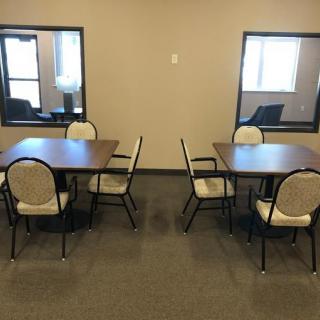
Additionally, the environment matters. Clean rooms, thoughtful décor, and a facility layout that supports easy navigation can reduce anxiety for both residents and visiting family members. One visitor praised the absence of odors and the overall welcoming feel, while others highlighted responsive call bells and professional, approachable staff. These operational strengths create a practical backbone for recovery: residents are more likely to engage in therapy, participate in activities, and trust the care team when the setting feels organized and respectful.
For families evaluating this community, the key questions center on current staffing consistency, meal options, and discharge planning. Observe how staff interact with residents during meals and routine cares, and ask for a transparent menu sample to understand what “appealing” looks like on a day-to-day basis. Inquire about call-light response times across different shifts and how therapy schedules integrate with rest and medication management. Also probe how the memory-care unit handles changes in cognition and behavior, and request recent examples of progress toward discharge goals, since several families report success in achieving home return when therapy is well-aligned with goals.
Overall, Pines Post Acute And Memory Care offers a practical, outcome-driven option for families seeking short-term rehab with a credible path back home and a memory-care component that shows progress. It is less compelling for those whose primary priorities are unfailingly superior dining across every meal or who require almost flawless consistency in every staff interaction. The balance tilts toward optimism when therapy is robust, care teams are engaged, and the environment supports recovery. A tour should be followed by concrete questions about current menu quality, staffing levels, and the facility’s discharge-oriented care planning to ensure alignment with the specific goals of the resident.
 50 resident community capacity
 Skilled Nursing Facility
 Beauty salon
 Cable or satellite TV
 Dining room
 Fully furnished
 Garden
 Housekeeping services
 Kitchenette
 Move-in coordination
 Outdoor space
 Restaurant-style dining
 Small library
 Telephone
 Wi-Fi/high-speed internet available
 24-hour call system
 Activities of daily living assistance
 Assistance with bathing
 Assistance with dressing
 Assistance with transfers
 Diabetes diet
 Medication management
 Mental wellness program
 Special dietary restrictions
 Comprehensive Approaches for Arthritis: A Detailed Guide to Symptoms, Causes, and Care
 Comprehensive Insights and Practical Strategies to Help Older Adults Avoid Falls
 6 Crucial Ways an Elder Law Attorney Assists Families