1625 E Main Street, Clintonville, WI 54929
To contact a resident: (715) 823-3135
For more information about senior living options: (866) 208-4318
Overall Review of Pine Manor Health Care Ctr
Pros
 The Pines staff provided wonderful care to residents.
- April, the Lead Cook, greeted residents with a smile and kindness and prepared meals they loved.
- Ashley and Tiffany, CNAs, attentively assisted residents with dressing, bathing, mobility, and meals.
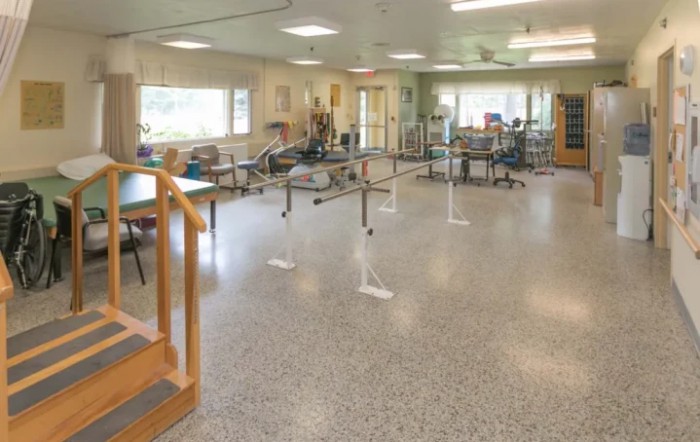
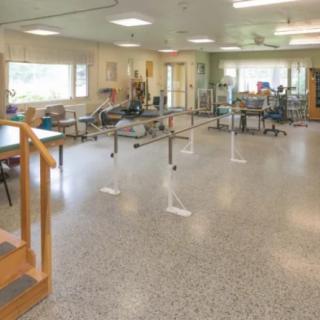
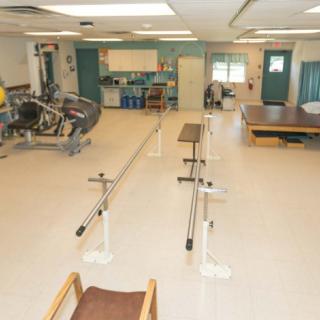
- Mary and Cassie from Physical Therapy helped residents regain independence with a smile.
- Nurses Jenny, Jenny, Sarah, Ana, and Diane provided attentive, excellent patient care throughout recovery.
- The staff at The Pines were professional and friendly, addressing residents' needs promptly.
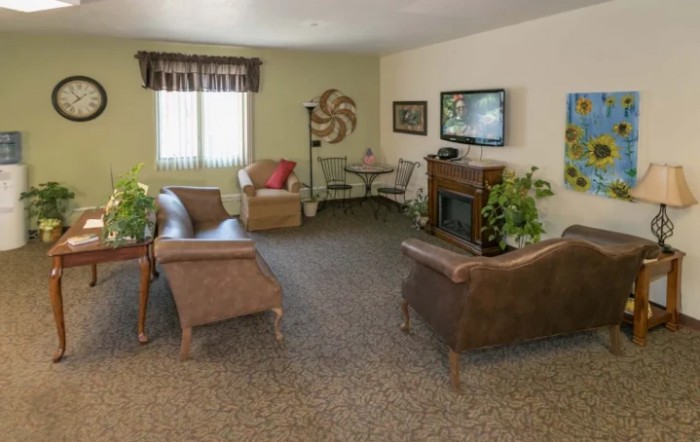
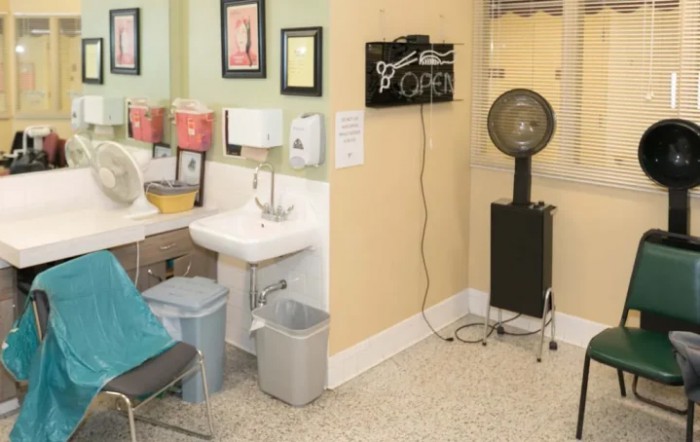
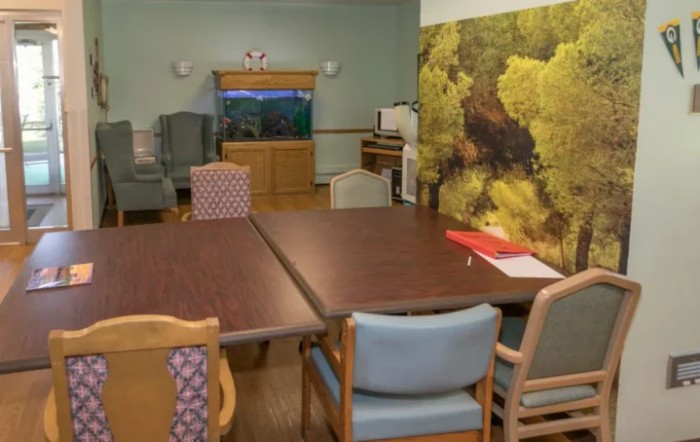
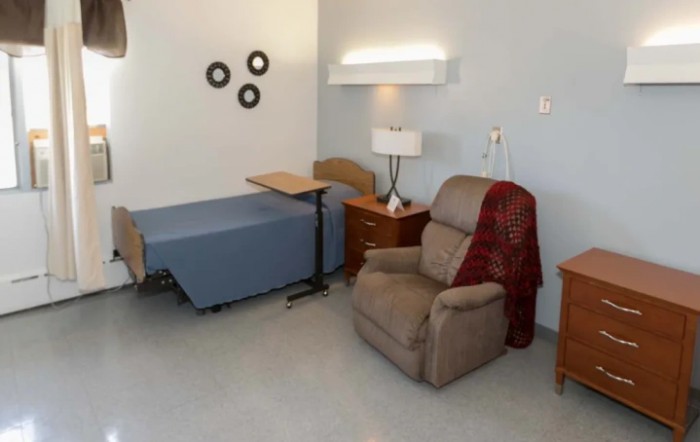
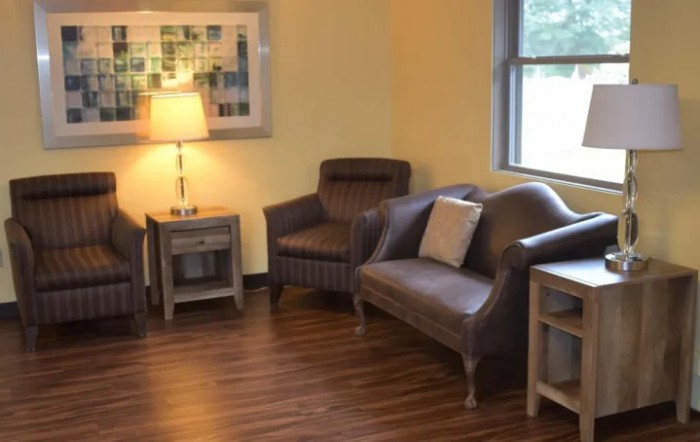
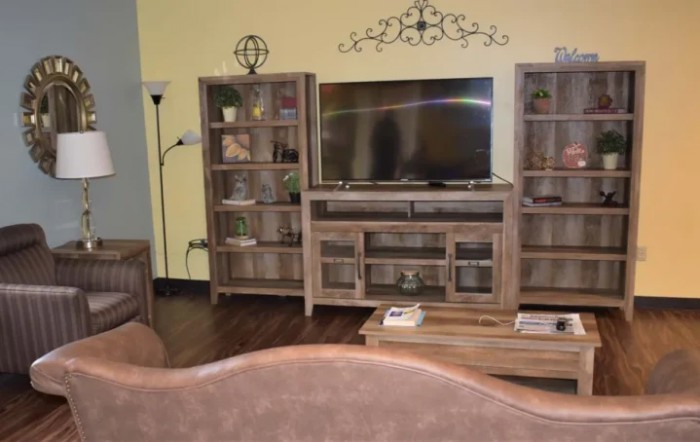
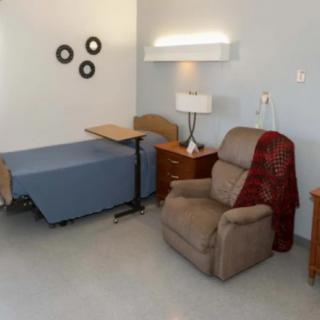
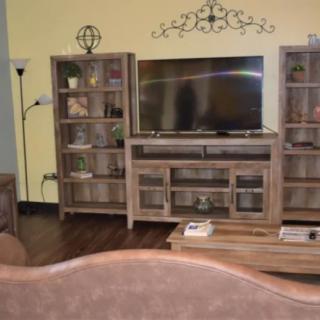
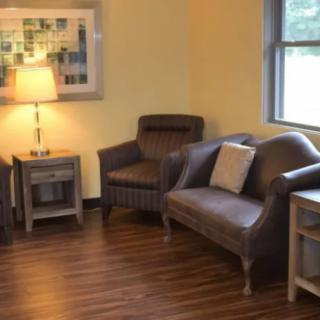
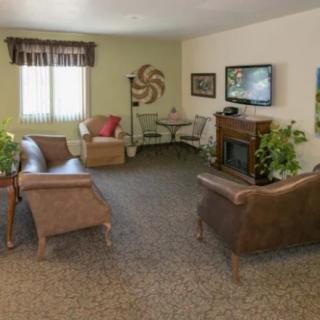
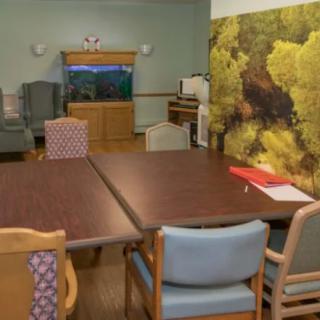
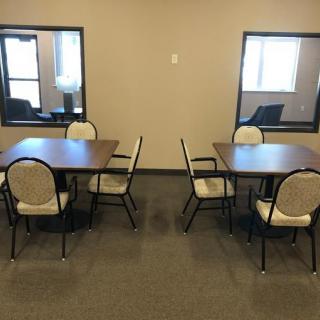
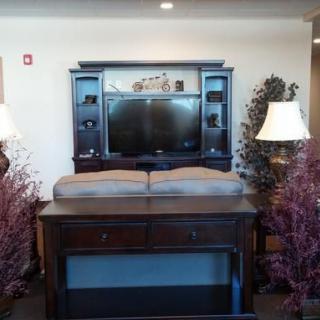
- The rooms were clean and nicely decorated, with the facility noting no unpleasant odors.
- The food looked appealing and residents found it delicious.
- Pine Manor offered caring, highly professional care and has been a blessing for the family.
Cons
 The Pines’ food is god-awful and unappetizing.
 - The staff are not friendly or helpful, with only a few being gentle, and some would ignore a patient’s pain; door assistance could take over 15 minutes.
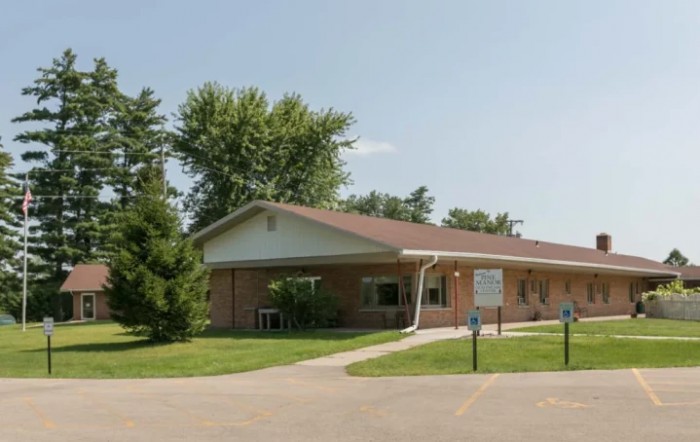
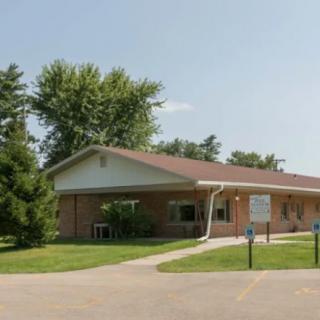
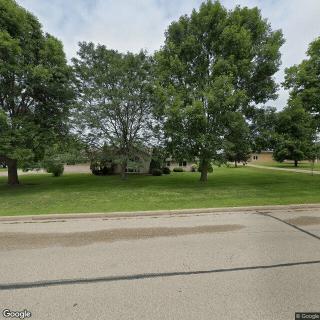
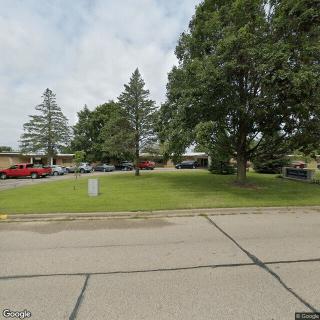
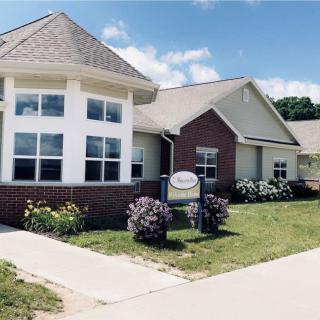
- The facility is not as aesthetically pleasing as other places and is an older building.
Review
Pine Manor Health Care Center in Clintonville is best suited for families seeking a dependable post-acute rehab and long-term care option where hands-on therapy, steady nursing attention, and a resident-centered staff drive tangible gains. The place works best for seniors whose goal is to regain or maintain independence through active therapy and who value consistent, visible caregiving, especially when memory care needs are present and staff turnover appears limited. Families prioritizing clean, Dignity-of-care atmosphere and reliable call-light responsiveness will find this community aligns with those expectations.
Those who should consider alternatives include families for whom dining quality and culinary presentation are non-negotiable, or for whom modern aesthetics and a more contemporary campus experience matter more than the current building’s age. A few reviews flag variability in staff warmth and promptness, suggesting that some residents may experience slower response times or inconsistent bedside interactions. For loved ones with particularly sensitive or demanding needs, such as advanced communication challenges or acute pain episodes, it's prudent to assess whether the team consistently meets those expectations and to compare other options with stronger reputations for uniform staff empathy.
The strongest positives here are the very practical, outcome-oriented advantages: a robust rehab program backed by dedicated therapists, attentive nurses, and a full-time nursing staff that supports timely medication administration and daily care. Several reviewers praised specific caregivers and therapy professionals who helped residents regain independence, highlighting outcomes like improved mobility and the ability to return home. The environment itself tends to reinforce these gains: rooms are clean and well maintained, odors are not an issue, and the campus presents a stable, orderly setting conducive to recovery and routine.
Where the evaluation gets more nuanced are the reported inconsistencies in daily interactions and the dining experience. Some accounts describe staff as genuinely gentle and responsive, while others recount moments of delayed door response or less compassionate bedside conduct, particularly in complex situations such as ALS-related care. Food quality receives mixed treatment, some visitors find meals appealing and tasty, while others label the offerings unappealing. These factors can erode confidence if they recur, but they do not erase the clear gains seen in rehab progress and in the general cleanliness and calmness of the facility.
The facility’s strengths also extend to specialty and memory-care considerations. The community has shown progress in memory-care unit management, with ongoing positive changes noted by visitors. Families repeatedly point to kindness, professionalism, and the sense that staff truly prioritizes residents’ well-being. Even when building aesthetics are described as older or less glamorous than some peers, the positives, steady programming, visible care, and a place where a loved one can work toward meaningful goals, often outweigh cosmetic drawbacks for families focused on real-world outcomes.
For decision-making, the practical takeaway is clear: Pine Manor is a solid choice for those prioritizing rehab outcomes and dependable nursing support in a quieter, older-branch facility with a consistent core staff. It is particularly suitable when a loved one needs structured therapy, frequent follow-through on care plans, and a safe, clean environment that feels manageable and homelike. Those who require continually exceptional dining experiences, cutting-edge facility design, or uniformly exemplary interpersonal care across all shifts may want to compare alternatives and prioritize a tour focusing on meal service, staff responsiveness, and therapy scheduling. In the end, the best fit balances expected rehabilitation milestones with the daily lived experience of staff interactions and overall comfort.
 Skilled Nursing Facility
 Caring for Those Who Care: Recognizing, Understanding, and Overcoming Caregiver Burnout
 Caregiver Exhaustion: Recognizing the Signs and Restoring Your Well-Being
 Understanding Hospice Care at Home: Comprehensive Services, Key Benefits, and Eligibility