Augusta Health And Rehabilitation in Augusta, WI

Information last verified:

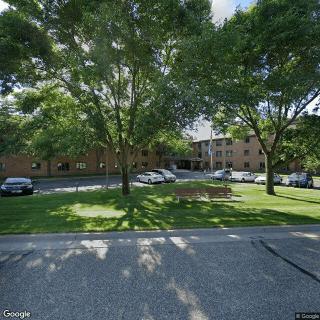
901 Bridge Creek Lane, Augusta, WI 54722

For more information about senior living options: (844) 490-3973

3.7 from 6 reviews
5 stars
4
4 stars
0
3 stars
0
2 stars
0
1 stars
2

Overall Review of Augusta Health And Rehabilitation

Pros

  • pro The family views Augusta Health positively.
  • pro The staff at Augusta Health was incredible.

Cons

  • pro The facility is unwilling to make improvements for the benefit of the residents.

Review

Augusta Health And Rehabilitation in Augusta, WI is best suited for families that place a premium on compassionate, relationship-driven care where attentive staff can translate daily routines into real comfort, especially for residents who are hospice-appropriate or nearing end-of-life. The strongest asset here is the human connection: caregivers who foster a steady, reassuring presence, often making the day-to-day grind feel more manageable for families and residents alike. In settings where emotional support and steady, dignified care at the end of life matter most, this community delivers with credibility. Prospective families should expect a climate where empathy and steady hands on the floor can make a meaningful difference in quality of life, even when clinical needs are high.

Those weighing Augusta against alternatives should recognize that this community may not be the right fit for families seeking rapid, visible upgrades or a facility that demonstrates constant, proactive changes to programming and environment. If a resident requires aggressive rehabilitation plans, frequent environmental improvements, or highly responsive administrative problem-solving, other options may serve better. Likewise, for families that want a tightly curated activities calendar, modernized amenities, or robust, multi-disciplinary wellness programs, it’s prudent to compare offerings elsewhere. In short, this is a practical choice for comfort, consistency, and compassionate care, paired with a willingness to accept slower, less proactive change.

The strongest upside lies in the caregiving staff. The ability of caregivers to provide steady, attentive support creates a stable daily experience for residents and clear reassurance for families. When a resident is transitioning toward hospice or entrenched in serious illness, the staff’s calm, one-on-one attention can be the difference between anxious days and predictable, peaceful routines. This emotional and practical support tends to offset a less dynamic approach to facility-wide improvements, because consistent, trustworthy care reduces family worry and sustains resident dignity. In scenarios where clinical teams are competent but administration appears resistant to change, the solid bedside care can still be the deciding factor for many families.

However, the principal drawback is tangible: a culture that appears unwilling to make improvements for the benefit of residents. That resistance can translate into slower adoption of updated safety practices, limited updates to common areas, or lagging enhancements to programming that could enrich day-to-day life. For residents who crave more stimulation, more modern surroundings, or clearer responsiveness to feedback, this stance can feel stifling. Families should weigh the value of reliable, kind care against the potential for frustration when concerns about care, safety, or comfort go unaddressed or are deprioritized in favor of preservation over progress. The risk is that quality stagnates even as needs evolve.

From a decision-making standpoint, clear questions should be posed about how resident feedback is handled, who drives change, and what the plan is for ongoing improvement. Prospective residents and families should inquire about staffing patterns and continuity, hospice experience and protocols, and the pace of environmental or programmatic upgrades. Tours should include candid conversations with front-line caregivers about what changes have been requested by residents or families and how those requests were or were not acted upon. Observing the texture of daily life, whether residents appear engaged, whether noise levels are manageable, and whether spaces feel cared-for, offers essential, practical signals beyond wall placards or glossy brochures.

In sum, Augusta Health And Rehabilitation stands as a practical, compassionate option for families prioritizing dignified, steady daily care and robust bedside support, especially in hospice contexts. The core advantage is the staff’s humanity and consistency, which can provide undeniable relief to families grappling with difficult caregiving decisions. The caveat is a relatively cautious administrative posture that may slow meaningful improvements. For those whose top criteria include proactive change, modern amenities, or highly dynamic programming, exploring alternatives is wise. For others, particularly where emotional reassurance and steady, respectful care take precedence, this community can deliver a reassuring, if not transformative, care experience.

Features

Housing

  • 50 resident community capacity 50 resident community capacity

Types of Care

  • Skilled Nursing Facility Skilled Nursing FacilitySkilled Nursing Facilities are crucial for seniors as they provide round-the-clock medical care, rehabilitation services, and assistance with daily activities. These facilities ensure that seniors receive the specialized care they need to maintain their health and well-being as they age.

Amenities

  • Beauty salon Beauty salonBeauty salons are important for seniors because they provide a space for them to feel pampered, socialize, and maintain their personal grooming and hygiene. Regular visits to a beauty salon can help boost seniors' self-esteem and overall well-being.
  • Cable or satellite TV Cable or satellite TVCable or satellite TV is important for seniors because it provides entertainment, news, and companionship, helping to combat loneliness and boredom. It also offers a wide range of programming options tailored to different interests and preferences.
  • Dining room Dining roomDining rooms are important for seniors as they provide a space for socialization, connection, and nutritious meals. They offer opportunities for residents to bond over shared meals, foster a sense of community, and promote healthy eating habits. Dining rooms also ensure that seniors have access to well-balanced meals tailored to their dietary needs and preferences.
  • Fully furnished Fully furnishedFully furnished senior living communities are important for seniors because they provide convenience, comfort, and a hassle-free moving experience. Seniors can easily settle into their new living space without the stress of having to buy and move furniture. This allows them to focus on enjoying their new home and community.
  • Garden GardenGardens are important for seniors as they provide a peaceful and therapeutic environment for relaxation, physical activity, and socialization. Being in nature has been shown to reduce stress, improve mood, and promote overall well-being. Gardens also offer opportunities for seniors to engage in gardening activities, which can improve mobility, flexibility, and cognitive function. Additionally, gardens create a sense of community and connection with others who share a passion for plants and outdoor spaces.
  • Housekeeping services Housekeeping servicesHousekeeping services are important for seniors because they help maintain a clean and safe living environment, promote independence, and reduce the risk of accidents or illnesses. Additionally, having assistance with household chores can alleviate physical strain and allow seniors to focus on other aspects of their well-being.
  • Kitchenette KitchenetteKitchenettes are important for seniors living in senior living communities because they provide the convenience and independence of being able to prepare simple meals and snacks in the comfort of their own living space. This can help promote a sense of autonomy and well-being for seniors, allowing them to maintain some level of control over their dietary choices and daily routines.
  • Move-in coordination Move-in coordinationMove-in coordination is important for seniors because it helps ease the transition into their new living environment. It ensures that all logistics, such as packing, organizing movers, and setting up utilities are taken care of, allowing seniors to focus on settling in and adjusting to their new home. Having a smooth move-in process can alleviate stress and anxiety, making the transition smoother and more enjoyable for seniors.
  • Outdoor space Outdoor spaceOutdoor spaces are important for seniors as they provide opportunities for physical activity, social interaction, exposure to natural light and fresh air, and a sense of connection to nature. Having access to outdoor spaces can improve overall well-being and quality of life for older adults living in senior communities.
  • Restaurant-style dining Restaurant-style diningRestaurant-style dining is important for seniors because it allows them to enjoy delicious, nutritious meals in a social and upscale setting. This enhances their dining experience, promotes healthy eating habits, and fosters socialization with fellow residents, ultimately contributing to their overall well-being and quality of life.
  • Small library Small librarySmall libraries are important for seniors as they provide access to a variety of reading materials, including books, newspapers, and magazines. This can help stimulate their minds, keep them engaged, and provide a sense of community through book clubs and other social activities. Additionally, reading has been shown to improve cognitive function and overall mental well-being in older adults.
  • Telephone TelephoneTelephones are important for seniors as they provide a lifeline for communication with loved ones, emergency services, and healthcare providers. They offer a sense of security and independence, enabling seniors to stay connected and access assistance when needed.
  • Wi-Fi/high-speed internet available Wi-Fi/high-speed internet availableWi-Fi/high-speed internet is important for seniors to stay connected with loved ones, access online resources, and participate in virtual activities to combat feelings of loneliness and isolation. It also allows them to easily manage healthcare needs, access entertainment, and engage in lifelong learning opportunities.

Transportation

  • Chippewa Valley Regional (22 miles away) Chippewa Valley Regional (22 miles away)

Care Services

  • 24-hour call system 24-hour call system24-hour call systems are important for seniors because they provide peace of mind and immediate assistance in case of emergencies. This technology ensures that help is always available, promoting safety and security for elderly individuals living alone or in assisted living facilities.
  • 24-hour supervision 24-hour supervision24-hour supervision is important for seniors to ensure their safety, well-being, and access to immediate assistance in case of emergencies or health issues. This constant support provides peace of mind for both seniors and their loved ones, allowing them to age in place with dignity and security.
  • Activities of daily living assistance Activities of daily living assistanceActivities of daily living assistance are important for seniors because they provide essential support with tasks such as eating, bathing, dressing, and mobility. This assistance helps seniors maintain their independence, dignity, and overall quality of life as they age.
  • Assistance with bathing Assistance with bathingAssistance with bathing is crucial for seniors as it helps maintain personal hygiene, prevents infections, and ensures their overall well-being and comfort. It also provides a sense of dignity and independence for seniors who may struggle with this task on their own.
  • Assistance with dressing Assistance with dressingAssistance with dressing is important for seniors because it helps maintain their independence, promotes personal hygiene, prevents accidents and injuries, and improves overall quality of life. This service ensures that seniors can continue to dress comfortably and confidently, despite any physical limitations they may have.
  • Assistance with transfers Assistance with transfersAssistance with transfers is crucial for seniors as it helps prevent falls and injuries, maintains their independence, and ensures they can safely navigate their living environment. It also provides peace of mind for both seniors and their loved ones.
  • Diabetes diet Diabetes dietA diabetes diet is crucial for seniors as it helps manage blood sugar levels, reduce risks of complications, and improve overall health and well-being. By following a balanced and nutritious diet tailored to their specific needs, seniors can better control their diabetes and enhance their quality of life.
  • Meal preparation and service Meal preparation and serviceMeal preparation and service are crucial for seniors as they may have limited mobility or energy to cook nutritious meals. Having access to healthy and convenient food options can ensure they are getting the proper nutrition needed to maintain their overall health and well-being.
  • Medication management Medication managementMedication management is crucial for seniors to ensure they are taking the right medications at the correct dosages and times. This helps prevent adverse drug interactions, reduces the risk of medication errors, and promotes overall health and well-being. Proactive management also allows for adjustments as needed based on changing health conditions or new prescriptions.
  • Mental wellness program Mental wellness programMental wellness programs are essential for seniors as they promote cognitive stimulation, emotional support, and social engagement. These programs help prevent isolation, depression, and cognitive decline, ultimately enhancing the overall quality of life for older adults.
  • Special dietary restrictions Special dietary restrictionsSpecial dietary restrictions are important for seniors because age-related changes in metabolism and health conditions can make it difficult for their bodies to process certain foods. By following a diet tailored to their specific needs, seniors can maintain their overall health and well-being, manage chronic conditions, and reduce the risk of complications such as malnutrition or food interactions with medications.

Dining

  • Diabetes diet Diabetes dietA diabetes diet is crucial for seniors as it helps manage blood sugar levels, reduce risks of complications, and improve overall health and well-being. By following a balanced and nutritious diet tailored to their specific needs, seniors can better control their diabetes and enhance their quality of life.
  • Special dietary restrictions Special dietary restrictionsSpecial dietary restrictions are important for seniors because age-related changes in metabolism and health conditions can make it difficult for their bodies to process certain foods. By following a diet tailored to their specific needs, seniors can maintain their overall health and well-being, manage chronic conditions, and reduce the risk of complications such as malnutrition or food interactions with medications.

Activities

  • Community-sponsored activities Community-sponsored activitiesCommunity-sponsored activities are important for seniors as they provide opportunities for social interaction, mental stimulation, and physical activity. These activities can help improve overall well-being, combat loneliness and isolation, and promote a sense of belonging and purpose among older adults.
  • Resident-run activities Resident-run activitiesResident-run activities are important for seniors as they encourage social interaction, creativity, and a sense of autonomy. These activities empower seniors to stay engaged and active in their community while fostering meaningful connections with their peers.
  • Scheduled daily activities Scheduled daily activitiesScheduled daily activities are important for seniors because they provide structure, socialization, mental stimulation, and physical activity. Engaging in regular activities can improve overall well-being and quality of life for seniors living in a community setting.

Description

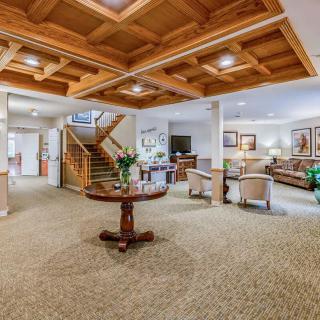
Augusta Health And Rehabilitation in Augusta, WI is an assisted living community that offers a variety of amenities and care services to meet the needs of its residents. The community provides a comfortable and home-like environment, with fully furnished accommodations including cable or satellite TV, housekeeping services, Wi-Fi/high-speed internet access, and small library for leisurely reading. Residents can enjoy their meals in a restaurant-style dining room, where special dietary restrictions are taken into consideration.

The dedicated staff at Augusta Health And Rehabilitation provides 24-hour supervision and assistance with daily activities such as bathing, dressing, and transfers. They also offer assistance with medication management and follow a diabetes diet when necessary. The mental wellness program ensures that each resident's emotional well-being is attended to.

Residents have the opportunity to engage in resident-run activities as well as scheduled daily activities that cater to their interests and preferences. The community is conveniently located near two cafes, parks, pharmacies, physicians' offices, restaurants, and places of worship, allowing residents to easily access various amenities within the neighborhood.

Overall, Augusta Health And Rehabilitation provides a welcoming environment where residents can receive personalized care and enjoy an active lifestyle while having convenient access to nearby amenities.

Videos

Nearby Places of Interest

Parks

  • Coon Fork Lake County Park (0 miles)
  • Harstad County Park (4.7 miles)
  • Lake Eau Claire Park (5.4 miles)
  • Area Historical Tribute (8.3 miles)
  • Central Park (8.6 miles)
  • Stoddard Park (8.8 miles)
  • Tollefson Marsh State Wildlife (13 miles)

Restaurants

  • Mulligans (0.1 miles)
  • Chicken Chaser's Bar (0.1 miles)
  • Tep's Drive In (0.3 miles)
  • Hide Away Tavern (5.8 miles)
  • Trails End Restaurant & Saloon & Campground (6.9 miles)
  • Hardee's (8 miles)
  • Osseo Family Restaurant (8.1 miles)

Pharmacies

  • Wally Shong Drug Store (0.1 miles)
  • Mayo Clinic Health System - Pharmacy & Home Medical (8.4 miles)
  • Fall Creek Pharmacy (9.6 miles)
  • Target Pharmacy (16.9 miles)

Cafes

  • Augusta Bakery (0.1 miles)
  • The Hot Spot Cafe (0.2 miles)
  • Northfield Mercantile (15.3 miles)
  • Northfield Cafe (15.3 miles)
  • The Nostalgic Bean (17.7 miles)

Places of Worship

  • Augusta United Methodist Church (0.1 miles)
  • Augusta Ag Youth Group/ Wendy Hoekstra (0.7 miles)
  • Augusta A/G Kids Quest (0.7 miles)
  • Assembly of God (0.9 miles)
  • Church (0.9 miles)
  • Osseo Evangelical Lutheran Church (9 miles)
  • Faith Evangelical Free Church (9.1 miles)

Physicians

  • UW Health Augusta Family Medicine Clinic (0.1 miles)
  • Buffalo River Clinic (8.2 miles)
  • Marshfield Clinic (8.4 miles)
  • Luther Midelfort Oakridge (8.4 miles)
  • Sterling Optical - Eau Claire (16.7 miles)
  • OakLeaf Clinics - Eau Claire Medical Clinic (17.4 miles)
  • Marshfield Clinic Eau Claire Oakwood Center (17.4 miles)

Transportation

  • U-Haul Neighborhood Dealer (8.1 miles)

Hospitals

  • Oakleaf Surgical Hospital (17.4 miles)

Theaters

  • Micon Cinemas Eau Claire (18.3 miles)

Frequently Asked Questions

Where is Augusta Health And Rehabilitation?

Nearby Communities

  • Silverleaf Of Augusta

    Silverleaf Of Augusta

    Augusta, WI


    pro Diabetic care with on-site activities and indoor common areas.

  • Augusta Area Home

    Augusta Area Home

    Augusta, WI

    3.9 from 7 reviews
     

  • Charitys Haven

    Charitys Haven

    Augusta, WI


    pro Small, intimate community with comprehensive assisted living services and on-site amenities.

  • Palmer Place

    Palmer Place

    Augusta, WI

    4.2 from 5 reviews
     

    pro 24/7 care with ADL support, furnished apartments, dining, housekeeping, and medical transportation.

  • Genuine Care Adult Family Home

    Genuine Care Adult Family Home

    Augusta, WI

    5 from 2 reviews
     

    pro Home-like setting with personalized care, 24/7 supervision, and diabetes-friendly dining.

  • Dove Healthcare Osseo

    Dove Healthcare Osseo

    Osseo, WI


    pro Small, intimate 24-bed community with 24-hour supervision and comprehensive care.

  • Oak Gardens Place

    Oak Gardens Place

    Altoona, WI

    4.6 from 86 reviews
    $2,948 to $4,438 / month

    pro Homey, caring staff; clean, welcoming environment; smaller community with personalized attention; studio pricing is comparatively affordable.

  • St Francis Apartments

    St Francis Apartments

    Eau Claire, WI

    5 from 3 reviews
     

    pro Excellent access to dining, parks, healthcare, and worship nearby.

  • Country Terrace Assisted Living

    Country Terrace Assisted Living

    Stanley, WI

    3.7 from 6 reviews
    $3,500 to $4,200 / month

    pro Friendly, attentive staff; clean apartments; good family communication.

Related Resources

  • low impact exercises for seniorsHighly Beneficial Low-Impact Exercises for Senior Living Residents

    Low-impact exercises are vital for seniors as they promote health, independence, and social interaction while reducing joint strain. These adaptable activities, guided by healthcare professionals, enhance strength, flexibility, and emotional well-being.

  • is home health care tax deductibleIs In-Home Healthcare Tax Deductible? Your Comprehensive Guide
    The guide details the tax deductibility of in-home healthcare expenses according to IRS guidelines, differentiating between medically necessary services and non-medical assistance, while emphasizing the need for proper documentation and itemization requirements. It also highlights state-level variations, the importance of record-keeping, and encourages seeking professional tax help to understand evolving regulations.

  • gardening for seniorsNurturing Well-Being Through Gardening: A Detailed Guide for Senior Enthusiasts

    Gardening provides seniors with physical exercise, mental and emotional support, and social interaction opportunities, while accommodating their needs through raised beds and ergonomic tools. It promotes health benefits like improved dexterity and cardiovascular health, encourages sustainable practices, and allows for manageable upkeep with low-maintenance plants.