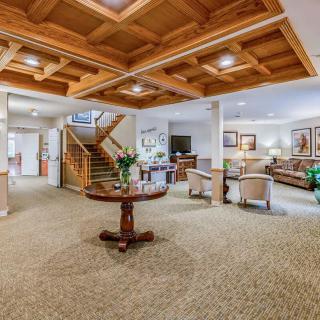
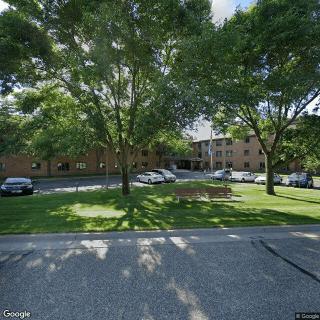
Palmer Place in Augusta, WI

Information last verified:

513 West Lincoln Street, Augusta, WI 54722

For more information about senior living options: (844) 490-3973

4.2 from 5 reviews
5 stars
4
4 stars
0
3 stars
0
2 stars
0
1 stars
1

Overall Review of Palmer Place

Pros

  • pro Residents love living at Palmer Place.
  • pro The staff and residents at Palmer Place are awesome.
  • pro Palmer Place helps residents move forward in life.
  • pro Palmer Place offers great support and a brighter future.

Cons

  • pro They allow the assault of their residents.
  • pro Its happened many times and nothing is being done.

Review

Palmer Place in Augusta, Wisconsin is best suited for seniors who crave a personable, socially active environment and value staff who demonstrate warmth and approachability. This is a community where residents speak highly of the daily camaraderie, the willingness of neighbors to help one another, and a culture that emphasizes moving forward and building a brighter future. The bottom line is clear: for someone who thrives on connection and an engaged activity calendar, Palmer Place can feel like a small-town oasis with the right mix of companionship and practical support. That said, safety matters. A serious concern surfaces in one of the few critiques: a claim about assaults occurring on campus and questions about how promptly and effectively those incidents are addressed by leadership.

On balance, the most consistent praise centers on the people: the staff and the residents. Families note attentive aides who know residents by name, a resident body that looks out for one another, and an environment where help is readily available without rigid formality. The messaging is about progress, empowerment, and a forward-looking attitude, which can be especially valuable for seniors who want to stay engaged rather than recede. Activities and social opportunities appear to flow naturally from those relationships, reinforcing a sense of belonging. In other words, Palmer Place can deliver meaningful companionship and practical assistance in daily living.

However, the weight of the negative feedback cannot be ignored. The explicit claim that abuse or assault has occurred and that nothing has been done introduces a nontrivial risk factor. For families evaluating safety, this is the critical datapoint. It is essential to probe what incident reporting looks like, what safeguards are in place, how staff are trained to de-escalate conflicts, and how quickly management responds to concerns. The rating quietly reflects a tension between the warm, people-centric culture and a cloud of safety skepticism. The absence of more detailed context makes it imperative to demand concrete assurances before committing, especially for residents with mobility limitations or cognitive challenges.

Proponents of Palmer Place will argue that a strong social fabric helps guard against isolation and agitation and that capable staff can intervene before problems escalate. That advantage can offset some risk for residents who can participate in activities, set up boundaries, and have access to immediate assistance when needed. Yet the stated safety concern undercuts this logic for anyone prioritizing robust protection against harm. It is not enough to rely on a friendly atmosphere; transparent policies, visible supervision, and a credible incident-management plan are nonnegotiables for families weighing safety-sensitive placements, particularly in smaller communities where resources may be thinner than in larger campuses.

Given the tradeoffs, those considering Palmer Place should compare it with alternatives that provide stronger safety assurances and clearer accountability. Look for facilities with higher staff-to-resident ratios, resident safety audits, active grievance procedures, and documented incident histories accessible to families. Request a tour focused on how staff interact with residents in common areas, how emergencies are handled, and how residents are protected during all hours. Ask to review the facility’s code of conduct, resident rights handbook, and a recent summary of incident reports. Check with licensure authorities and, if possible, speak with current residents about how concerns are handled in real time.

In the end, Palmer Place stands out for warmth, connection, and practical support, making it a viable choice for seniors who prioritize community life and personal attention. Yet the explicit safety concern tips the balance toward caution for families whose primary criterion is uncompromising safety and transparent accountability. If safety assurances are secured, through specific policies, timely responses, and verified incident management, then Palmer Place can deliver a vibrant, supportive home atmosphere. If not, or if high-security safeguards are non-negotiable, alternatives with stronger guardrails deserve front-of-mind consideration. A disciplined, informed visit will reveal whether the strengths align with the resident’s needs and family expectations.

Features

Housing

  • 4 resident community capacity 4 resident community capacity

Types of Care

  • Assisted Living Assisted LivingAssisted living facilities provide crucial support and care for seniors who may need help with daily tasks such as medication management, bathing, and meal preparation. These communities offer a safe and comfortable environment where seniors can maintain their independence while receiving the assistance they need to thrive in their golden years.

Amenities

  • Cable or satellite TV Cable or satellite TVCable or satellite TV is important for seniors because it provides entertainment, news, and companionship, helping to combat loneliness and boredom. It also offers a wide range of programming options tailored to different interests and preferences.
  • Dining room Dining roomDining rooms are important for seniors as they provide a space for socialization, connection, and nutritious meals. They offer opportunities for residents to bond over shared meals, foster a sense of community, and promote healthy eating habits. Dining rooms also ensure that seniors have access to well-balanced meals tailored to their dietary needs and preferences.
  • Fully furnished Fully furnishedFully furnished senior living communities are important for seniors because they provide convenience, comfort, and a hassle-free moving experience. Seniors can easily settle into their new living space without the stress of having to buy and move furniture. This allows them to focus on enjoying their new home and community.
  • Garden GardenGardens are important for seniors as they provide a peaceful and therapeutic environment for relaxation, physical activity, and socialization. Being in nature has been shown to reduce stress, improve mood, and promote overall well-being. Gardens also offer opportunities for seniors to engage in gardening activities, which can improve mobility, flexibility, and cognitive function. Additionally, gardens create a sense of community and connection with others who share a passion for plants and outdoor spaces.
  • Housekeeping services Housekeeping servicesHousekeeping services are important for seniors because they help maintain a clean and safe living environment, promote independence, and reduce the risk of accidents or illnesses. Additionally, having assistance with household chores can alleviate physical strain and allow seniors to focus on other aspects of their well-being.
  • Move-in coordination Move-in coordinationMove-in coordination is important for seniors because it helps ease the transition into their new living environment. It ensures that all logistics, such as packing, organizing movers, and setting up utilities are taken care of, allowing seniors to focus on settling in and adjusting to their new home. Having a smooth move-in process can alleviate stress and anxiety, making the transition smoother and more enjoyable for seniors.
  • Outdoor space Outdoor spaceOutdoor spaces are important for seniors as they provide opportunities for physical activity, social interaction, exposure to natural light and fresh air, and a sense of connection to nature. Having access to outdoor spaces can improve overall well-being and quality of life for older adults living in senior communities.
  • Telephone TelephoneTelephones are important for seniors as they provide a lifeline for communication with loved ones, emergency services, and healthcare providers. They offer a sense of security and independence, enabling seniors to stay connected and access assistance when needed.
  • Wi-Fi/high-speed internet available Wi-Fi/high-speed internet availableWi-Fi/high-speed internet is important for seniors to stay connected with loved ones, access online resources, and participate in virtual activities to combat feelings of loneliness and isolation. It also allows them to easily manage healthcare needs, access entertainment, and engage in lifelong learning opportunities.

Transportation

  • Chippewa Valley Regional (22 miles away) Chippewa Valley Regional (22 miles away)

Care Services

  • 24-hour supervision 24-hour supervision24-hour supervision is important for seniors to ensure their safety, well-being, and access to immediate assistance in case of emergencies or health issues. This constant support provides peace of mind for both seniors and their loved ones, allowing them to age in place with dignity and security.
  • Activities of daily living assistance Activities of daily living assistanceActivities of daily living assistance are important for seniors because they provide essential support with tasks such as eating, bathing, dressing, and mobility. This assistance helps seniors maintain their independence, dignity, and overall quality of life as they age.
  • Assistance with bathing Assistance with bathingAssistance with bathing is crucial for seniors as it helps maintain personal hygiene, prevents infections, and ensures their overall well-being and comfort. It also provides a sense of dignity and independence for seniors who may struggle with this task on their own.
  • Assistance with dressing Assistance with dressingAssistance with dressing is important for seniors because it helps maintain their independence, promotes personal hygiene, prevents accidents and injuries, and improves overall quality of life. This service ensures that seniors can continue to dress comfortably and confidently, despite any physical limitations they may have.
  • Assistance with transfers Assistance with transfersAssistance with transfers is crucial for seniors as it helps prevent falls and injuries, maintains their independence, and ensures they can safely navigate their living environment. It also provides peace of mind for both seniors and their loved ones.
  • Coordination with health care providers Coordination with health care providersCoordination with health care providers is crucial for seniors to ensure proper medical care, medication management, and overall well-being. This collaboration helps prevent overlapping treatments, track progress more effectively, and provide comprehensive support tailored to individual needs.
  • Diabetes diet Diabetes dietA diabetes diet is crucial for seniors as it helps manage blood sugar levels, reduce risks of complications, and improve overall health and well-being. By following a balanced and nutritious diet tailored to their specific needs, seniors can better control their diabetes and enhance their quality of life.
  • Meal preparation and service Meal preparation and serviceMeal preparation and service are crucial for seniors as they may have limited mobility or energy to cook nutritious meals. Having access to healthy and convenient food options can ensure they are getting the proper nutrition needed to maintain their overall health and well-being.
  • Medication management Medication managementMedication management is crucial for seniors to ensure they are taking the right medications at the correct dosages and times. This helps prevent adverse drug interactions, reduces the risk of medication errors, and promotes overall health and well-being. Proactive management also allows for adjustments as needed based on changing health conditions or new prescriptions.
  • Special dietary restrictions Special dietary restrictionsSpecial dietary restrictions are important for seniors because age-related changes in metabolism and health conditions can make it difficult for their bodies to process certain foods. By following a diet tailored to their specific needs, seniors can maintain their overall health and well-being, manage chronic conditions, and reduce the risk of complications such as malnutrition or food interactions with medications.
  • Transportation arrangement (medical) Transportation arrangement (medical)Transportation arrangements for medical purposes are essential for seniors as they may have difficulty driving themselves to appointments or accessing public transportation. Having reliable and safe transportation options ensures that seniors can receive timely medical care and maintain their health and well-being.
  • Transportation to doctors appointments Transportation to doctors appointmentsTransportation to doctors' appointments is crucial for seniors as it ensures they have access to necessary medical care and support for their health needs. Without reliable transportation, seniors may struggle to attend important appointments, leading to potential delays in treatment and health complications. Providing transportation services helps seniors maintain their overall well-being and quality of life.

Dining

  • Diabetes diet Diabetes dietA diabetes diet is crucial for seniors as it helps manage blood sugar levels, reduce risks of complications, and improve overall health and well-being. By following a balanced and nutritious diet tailored to their specific needs, seniors can better control their diabetes and enhance their quality of life.
  • Special dietary restrictions Special dietary restrictionsSpecial dietary restrictions are important for seniors because age-related changes in metabolism and health conditions can make it difficult for their bodies to process certain foods. By following a diet tailored to their specific needs, seniors can maintain their overall health and well-being, manage chronic conditions, and reduce the risk of complications such as malnutrition or food interactions with medications.

Activities

  • Community-sponsored activities Community-sponsored activitiesCommunity-sponsored activities are important for seniors as they provide opportunities for social interaction, mental stimulation, and physical activity. These activities can help improve overall well-being, combat loneliness and isolation, and promote a sense of belonging and purpose among older adults.
  • Scheduled daily activities Scheduled daily activitiesScheduled daily activities are important for seniors because they provide structure, socialization, mental stimulation, and physical activity. Engaging in regular activities can improve overall well-being and quality of life for seniors living in a community setting.

Description

Palmer Place in Augusta, WI is a premier assisted living community that offers a comfortable and supportive environment for seniors. Our community boasts a range of amenities to enhance the quality of life for our residents. The dining room provides delicious and nutritious meals to cater to individual dietary needs. Each apartment is fully furnished, ensuring residents have everything they need for a cozy and convenient living experience.

Outside, our beautiful garden provides a tranquil space for residents to relax and enjoy the outdoors. Housekeeping services ensure that apartments are always clean and tidy, allowing residents to focus on enjoying their days. Wi-Fi/high-speed internet is available throughout the community, keeping residents connected with loved ones near and far.

At Palmer Place, we understand the importance of providing comprehensive care services tailored to each individual's needs. Our dedicated staff assists with activities of daily living such as bathing, dressing, and transfers. We also coordinate with healthcare providers to ensure seamless communication and continuity of care. For those with diabetes or special dietary restrictions, our team is experienced in providing appropriate meal plans.

Transportation arrangements are made for medical appointments, ensuring residents have access to necessary healthcare services when needed. Additionally, there are several nearby cafes, parks, pharmacies, restaurants, places of worship, and physicians' offices – making it easy for residents to explore their local community.

Our community believes in promoting an active lifestyle among our residents. Scheduled daily activities provide opportunities for socialization and engagement with peers. Whether it's participating in group outings or joining in on stimulating events within the community - there is something for everyone at Palmer Place.

Come experience all that Palmer Place has to offer – a warm and welcoming assisted living community where compassion meets excellent care.

Nearby Places of Interest

This part of Augusta, Wisconsin offers a variety of amenities that may appeal to seniors looking to settle in a peaceful and convenient location. With several restaurants, cafes, pharmacies and hospitals within close proximity, residents can easily access essential services. The numerous places of worship provide spiritual support and community engagement opportunities. Additionally, the nearby parks offer lovely outdoor spaces for leisurely walks and relaxation. For entertainment options, residents can visit the Micon Cinemas in Eau Claire just a short drive away. Overall, this area provides a mix of conveniences and recreational activities suitable for senior living.

Restaurants

  • Tep's Drive In (0 miles)
  • Chicken Chaser's Bar (0.2 miles)
  • Mulligans (0.3 miles)
  • Hide Away Tavern (5.8 miles)
  • Trails End Restaurant & Saloon & Campground (7 miles)
  • Hardee's (7.9 miles)
  • Osseo Family Restaurant (8 miles)

Physicians

  • UW Health Augusta Family Medicine Clinic (0.2 miles)
  • Buffalo River Clinic (8 miles)
  • Marshfield Clinic (8.3 miles)
  • Luther Midelfort Oakridge (8.3 miles)
  • Sterling Optical - Eau Claire (16.5 miles)
  • OakLeaf Clinics - Eau Claire Medical Clinic (17.1 miles)
  • Marshfield Clinic Eau Claire Oakwood Center (17.1 miles)

Places of Worship

  • Augusta United Methodist Church (0.2 miles)
  • Augusta Ag Youth Group/ Wendy Hoekstra (0.4 miles)
  • Augusta A/G Kids Quest (0.4 miles)
  • Assembly of God (0.6 miles)
  • Church (0.6 miles)
  • St John's Lutheran Church (8.9 miles)
  • Faith Evangelical Free Church (8.9 miles)

Cafes

  • Augusta Bakery (0.2 miles)
  • The Hot Spot Cafe (0.5 miles)
  • Northfield Mercantile (15.4 miles)
  • Northfield Cafe (15.4 miles)
  • The Nostalgic Bean (17.4 miles)

Pharmacies

  • Wally Shong Drug Store (0.2 miles)
  • Mayo Clinic Health System - Pharmacy & Home Medical (8.3 miles)
  • Fall Creek Pharmacy (9.4 miles)
  • Target Pharmacy (16.6 miles)
  • Midelfort Pharmacy & Home Medical (18.1 miles)

Parks

  • Coon Fork Lake County Park (0.3 miles)
  • Harstad County Park (4.6 miles)
  • Lake Eau Claire Park (5.3 miles)
  • Central Park (8.5 miles)
  • Area Historical Tribute (8.5 miles)
  • Stoddard Park (8.7 miles)
  • Big Falls North Parking Lot (12.9 miles)

Transportation

  • U-Haul Neighborhood Dealer (7.9 miles)

Hospitals

  • Oakleaf Surgical Hospital (17.1 miles)

Theaters

  • Micon Cinemas Eau Claire (18 miles)

Frequently Asked Questions

Where is Palmer Place?

Nearby Communities

  • Augusta Health And Rehabilitation

    Augusta Health And Rehabilitation

    Augusta, WI

    3.7 from 6 reviews
     

    pro Home-like setting with 24/7 care and restaurant-style dining.

  • Silverleaf Of Augusta

    Silverleaf Of Augusta

    Augusta, WI


    pro Diabetic care with on-site activities and indoor common areas.

  • Genuine Care Adult Family Home

    Genuine Care Adult Family Home

    Augusta, WI

    5 from 2 reviews
     

    pro Home-like setting with personalized care, 24/7 supervision, and diabetes-friendly dining.

  • Augusta Area Home

    Augusta Area Home

    Augusta, WI

    3.9 from 7 reviews
     

  • Charitys Haven

    Charitys Haven

    Augusta, WI


    pro Small, intimate community with comprehensive assisted living services and on-site amenities.

  • Dove Healthcare Osseo

    Dove Healthcare Osseo

    Osseo, WI


    pro Small, intimate 24-bed community with 24-hour supervision and comprehensive care.

  • Oak Gardens Place

    Oak Gardens Place

    Altoona, WI

    4.6 from 86 reviews
    $2,948 to $4,438 / month

    pro Homey, caring staff; clean, welcoming environment; smaller community with personalized attention; studio pricing is comparatively affordable.

  • St Francis Apartments

    St Francis Apartments

    Eau Claire, WI

    5 from 3 reviews
     

    pro Excellent access to dining, parks, healthcare, and worship nearby.

  • Country Terrace Assisted Living

    Country Terrace Assisted Living

    Stanley, WI

    3.7 from 6 reviews
    $3,500 to $4,200 / month

    pro Friendly, attentive staff; clean apartments; good family communication.

Related Resources

  • assisted living activitiesBeyond the Bingo Hall: 50+ Enriching Activities for Seniors in Assisted Living

    Assisted living communities offer diverse activities beyond traditional games to enhance seniors' physical health, cognitive well-being, emotional enrichment, and social connections, including fitness classes, creative expression, and intergenerational interactions. These enriching programs foster community bonds and support residents' independence and happiness.

  • assisted living vs memory careUnderstanding the Distinctions: Assisted Living and Memory Care Explained

    The article differentiates between assisted living and memory care, explaining that assisted living supports seniors with daily activities while promoting independence, whereas memory care provides specialized services for individuals with dementia, focusing on secure environments and cognitive support. It also addresses staff training, safety considerations, costs, family involvement, and transition strategies for families navigating these care options.

  • elderly parent refuses assisted livingGuiding Elderly Parents Who Refuse Assisted Living: 6 Practical Steps

    Family caregivers face emotional, legal, and practical challenges when elderly parents refuse assisted living, often due to fears of losing autonomy. Open conversations and professional assessments can help address these concerns while exploring alternatives and ensuring safety, potentially leading to legal guardianship if necessary.