6999 Route 152, Wayne, WV 25570
For more information about senior living options: (866) 208-4318
Overall Review of Wayne Nursing And Rehabilitation Center
Pros
 The staff are warm, compassionate, and genuinely caring.
- They go above and beyond, treating residents like extended family.
- Residents are treated with respect, patience, and love, creating a home-like environment.
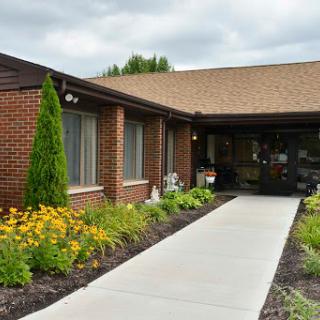
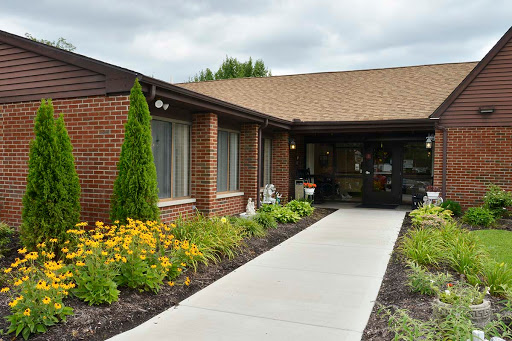
- The facility is clean, welcoming, and well-organized, with excellent communication with families.
- The staff are kind, friendly, and helpful, consistently supportive.
- The admissions process is handled smoothly with staff who are helpful and supportive.
- Families are happy with the care their loved ones receive and feel confident in the staff’s care.
- Care at the facility is described as excellent, likened to family taking care of residents.
Cons
 The staff is horrible and does not care about residents' safety.
- Residents are left in soiled diapers for hours and not attended to.
- The facility is severely understaffed and cannot meet basic care needs.
- The beds are outdated and narrow with no safeguards to prevent falls.
- The food is not edible.
- Physical therapy is a joke, with limited sessions and an undersized therapy room.
- When concerns are raised, management gives empty answers with no real solutions.
- Family members are not called when a loved one is injured, and precautions to protect residents were not taken.
Review
This community is best suited for families that prioritize warmth, personal attention, and a home-like atmosphere where staff appear genuinely engaged with residents. When care is delivered, it tends to come with a high-touch, relational focus: caregivers who treat residents with kindness, staff who communicate with families, and a facility that feels clean and organized. It works best for residents who do not demand intensive, highly regimented rehab programs or constant monitoring, and for families that can visit and participate to reinforce care plans. Those seeking consistently robust therapy, rigorous safety protocols, or extremely steady staffing on every shift may want to consider alternatives.
The strongest positives center on the human element. Many reviews describe a receptive, caring staff that goes beyond basic duties, a home-like environment, and clear, ongoing communication with families. The facility is repeatedly portrayed as clean and welcoming, with residents who appear happy and settled when the care team is present. Admissions are described as smooth, and families often feel reassured by staff who explain transitions and stay engaged in the resident’s well-being. When the relationship between staff and residents is right, this place can feel like reliable continuity for families navigating difficult choices.
Yet the downsides are significant and cannot be dismissed. A persistent thread across multiple reviews is under staffing, especially on weekends, which translates into delays for basic needs like bathroom assistance, meals, and supervision. Accounts describe residents remaining in soiled garments for extended periods, limited feeding help, and lapses in safety precautions that raise concerns about falls or accidents. Therapy and rehabilitation services appear inconsistent, with limited room space and limited days of operation, undermining progress for residents dependent on skilled therapy. Transport for doctor visits and routine outings is also flagged as unreliable at times. These gaps undermine the otherwise strong relational tone and cleanliness.
The way the positives and negatives balance out is nuanced. For families who can harness the facility’s strengths, transparent communication, respectful day-to-day care, and an evident culture of care, the experience can be deeply reassuring, especially when loved ones settle in and respond well to the staff’s attention. The downside is that the same caregivers who provide warmth may be stretched thin, leading to delays and uneven quality of care across shifts. In practice, this means a resident with modest rehab needs and a family able to participate in care planning may thrive here, while someone requiring rigorous medical oversight or reliable, around-the-clock therapy could encounter disappointment.
Who should consider alternatives becomes a practical question. If a resident’s needs include predictable, frequent assistance with activities of daily living, timely response to calls, or consistent, high-quality physical therapy, other facilities with stronger staffing ratios and more robust rehab programs may be a better fit. Families should probe staffing levels by shift, request specifics on therapy schedules, and ask how clinicians monitor safety on weekends. It’s prudent to verify how changes in patient condition are communicated, and to understand how incidents, such as injuries or delayed treatments, are escalated and resolved. A tour that includes multiple shifts and direct conversations with nursing leadership can reveal the true day-to-day reality.
In the end, Wayne Nursing and Rehabilitation Center delivers a mixed but real value. It can be an excellent match for families seeking a warm, respectful, and clean environment where the staff genuinely appears to care and where open family communication is prioritized. However, the facility’s vulnerabilities, staffing gaps, delays in basic care, and uneven rehab services, cannot be ignored, especially for residents with higher medical or rehabilitation needs. The prudent choice is to align expectations with personal priorities: prioritize relational warmth and clarity if those equate to safety and comfort, or push for stronger staffing, safety safeguards, and consistent therapy if those elements are non-negotiable.
 60 resident community capacity
 Skilled Nursing Facility
 Air-conditioning
 Beauty salon
 Cable or satellite TV
 Computer center
 Dining room
 Fitness room
 Fully furnished
 Gaming room
 Garden
 Housekeeping services
 Kitchenette
 Move-in coordination
 Outdoor space
 Private bathrooms
 Restaurant-style dining
 Small library
 Telephone
 Wellness center
 Wi-Fi/high-speed internet available
 Tri-State Walker-Long (9 miles away)
 Community operated transportation
 12-16 hour nursing
 24-hour call system
 Activities of daily living assistance
 Assistance with bathing
 Assistance with dressing
 Assistance with transfers
 Diabetes diet
 Medication management
 Mental wellness program
 Special dietary restrictions
 Concierge services
 Planned day trips



 Exploring Palliative Care in the Home: A Comprehensive Overview
 Comprehensive Insights into Palliative Home Care: What It Is and What to Expect
 Skilled Nursing Facilities vs. Nursing Homes: Making Sense of the Differences