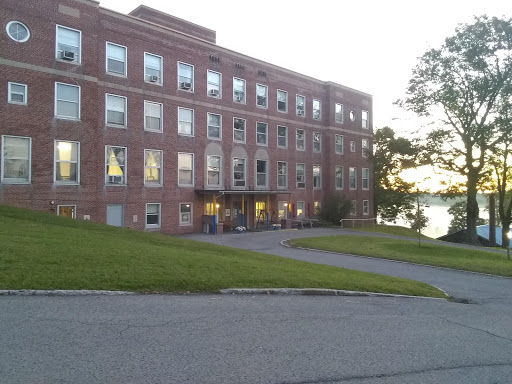

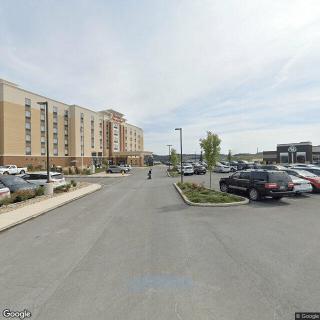
150 Hopemont Drive, Terra Alta, WV 26764
For more information about senior living options: (866) 208-4318
Overall Review of Hopemont Hospital
Pros
 He has been clean for 10 years because of them.
- The rehab worked for him.
- It works if one works at it.
- Great care is taken there.
Cons
 The facility is worse and does not do what it promises.
- It fails to fix things that are broken.
- It operates like a buddy system rather than a professional organization.
- A nurse and a nursing assistant were arrested for placing an elderly man in a bathtub at 134 degrees and leaving him alone for 47 minutes, resulting in burns and death.
- The nursing manager should be ashamed, and additional charges may come for others who knew and did not notify authorities.
- The reviewer would stay clear of this facility and hopes it gets shut down.
- The staff are described as being on or using drugs regularly, making care poor and unreliable.
- Only two random drug tests have been conducted since they began working there.
- The bus driver ignored the speed limit and yield sign, endangering passengers.
Review
Hopemont Hospital in Terra Alta, West Virginia, is best suited for families facing an absolute last-resort option where cost is primary and constant, hands-on oversight is non-negotiable, and the loved one can endure a highly variable care environment. It is not appropriate for seniors who require reliable, around-the-clock supervision, memory-care support, or consistently compassionate staff interaction. In short, if safety, transparency, and predictable daily care are essential, this community should not be the default choice. The reality is that only those who can closely monitor every shift, demand meticulous documentation, and accept a high degree of risk ought to consider it, and even then with extreme caution.
Families should also explicitly consider alternatives if there is any expectation of stable, high-quality caregiving. Those who need strong governance, clear accountability, and staff who consistently meet basic safety standards will find better options elsewhere. Seniors with complex medical needs, cognitive impairment, or a history of trauma in care settings deserve facilities with proven incident reporting, responsive emergency protocols, and reliable transportation and clinical oversight. Anyone who expects modern amenities, scrupulous cleanliness, and unbroken daily routines should not rely on Hopemont. In essence, this is a facility to be avoided for most long-term aging-in-place goals; only the most constrained, heavily supervised scenarios merit a second look.
On the positive side, a few reviewers acknowledge that some level of care is delivered and that, when staff are engaged, there can be moments of meaningful interaction. One brief note states that “great care” has occurred, and another reflects that a rehab experience worked for the patient who wanted to end an addiction. These comments hint at pockets of competence and genuine caregiver effort in a less-than-ideal setting. They suggest that, under pressure, there are staff members who can provide attentive attention and effective, goal-oriented care. Yet these isolated instances do not negate the overall pattern that much of the facility’s reliability hinges on a fragile, inconsistent staffing reality.
The dominant narrative, however, is deeply troubling and cannot be ignored. Reports describe a fragile system where basic maintenance is neglected, promises aren’t fulfilled, and essential repairs go unaddressed. The most alarming accounts involve alleged criminal acts by frontline staff: a nurse and nursing assistant arrested for leaving an elderly man in a bathtub at dangerous temperatures for an extended period, leading to fatal burns, with the facility criticized for delays in seeking medical help. Other reviewers describe a culture where injuries were not promptly treated and accountability proved elusive, while leadership appears disconnected or defensive. Additional concerns point to drug use among staff, with only a scant few random tests conducted over a decade, raising serious questions about supervision and safety. Transportation incidents and other instances of oversight failures further erode confidence in the facility’s ability to protect residents consistently.
Even when some care wins small battles, the weight of safety and governance failures overwhelmingly dominates the calculus for decision-making. Isolated praise for care quality cannot counterbalance the real risks of neglect, delayed medical response, and possible staff impairment. The inconsistent staffing, combined with what many perceive as inadequate oversight and accountability, creates a landscape where stable routines and rapid intervention in emergencies are not reliably guaranteed. For families evaluating whether a loved one can thrive in this environment, the risk profile is simply too high to ignore. The balance of evidence favors seeking stronger, better-regulated options that can deliver dependable care without exposing residents to avoidable harm.
Practically, decision-makers should pursue a rigorous, disciplined evaluation before enrolling. If Hopemont is even under consideration, demand concrete, written guarantees: a dedicated family liaison, explicit care plans with measurable goals, and a documented escalation path for any incident or complaint. Require recent state inspection summaries, a transparent incident log, verifiable staffing ratios during day and night shifts, and confirmation of an on-site licensed medical director. Schedule a tour with a critical eye toward cleanliness, maintenance responsiveness, and the visible engagement of supervisors with both residents and staff. Above all, compare Hopemont against stronger options in the region, especially facilities with stable governance, impeccable incident reporting, and demonstrable experience managing complex medical and behavioral needs. In the end, Hopemont should be considered only if no viable alternatives exist, and even then only with relentless oversight and a clear exit plan.
 98 resident community capacity
 Skilled Nursing Facility
 Air-conditioning
 Beauty salon
 Cable or satellite TV
 Computer center
 Dining room
 Fitness room
 Fully furnished
 Gaming room
 Garden
 Housekeeping services
 Kitchenette
 Move-in coordination
 Outdoor space
 Private bathrooms
 Restaurant-style dining
 Small library
 Telephone
 Wellness center
 Wi-Fi/high-speed internet available
 Community operated transportation
 12-16 hour nursing
 24-hour call system
 Activities of daily living assistance
 Assistance with bathing
 Assistance with dressing
 Assistance with transfers
 Diabetes diet
 Medication management
 Mental wellness program
 Special dietary restrictions
 Concierge services
 Planned day trips

 A Comprehensive Exploration of Common Misunderstandings about Powers of Attorney
 Senior Move Management: Understanding the Role, Value, and Associated Costs
 Weight Training for Seniors: Building Strength and Vitality