Garrett County Subacute Unit is a nursing home community in Oakland, MD.
Information last verified:
251 North Fourth Street, Oakland, MD 21550
For more information about senior living options: (866) 208-4318
2.7 from 106 reviews
5 stars
35
4 stars
9
3 stars
4
2 stars
3
1 stars
55
Overall Review of Garrett County Subacute Unit
common12 reviews mention this
Staff care and responsiveness
Residents describe caring, professional staff who respond quickly.
Many reviews highlight staff who treat patients with respect and are attentive during urgent situations. Several describe quick response times, getting taken back promptly, and staff going above and beyond while patients wait for transport or further care. There are also mentions of nurses being helpful and doctors communicating clearly, which reinforces the theme of responsiveness.
common3 reviews mention this
Clean, well-kept facilities
Reviews frequently mention a clean, well-maintained environment.
A number of reviewers say the hospital is clean and well maintained. Others specifically comment on competent and organized outpatient and testing experiences, including smooth bloodwork and lab-style services. While some rooms are discussed more generally, the overall cleanliness theme is consistent in positive comments.
caveat2 reviews mention this
Communication and family support gaps
Some reviewers say families receive limited compassion and updates.
At least a couple of reviews describe frustration with how families are handled when they cannot stay in the room. These comments focus on limited updates and a lack of empathy from front desk or check-in staff, even when the ER is not described as overwhelmed. In contrast, some reviews still praise bedside care, but these communication-focused concerns keep resurfacing in negative feedback.
caveat5 reviews mention this
Long waits and slow throughput
Reviews frequently criticize slow service and extended waiting.
Several reviewers report long waits before seeing a doctor or getting taken back. Some describe spending hours in waiting areas and leaving or being discouraged by delays. Even when some staff are praised for care once patients are seen, the waiting-time complaints are among the most recurring negatives.
caveat3 reviews mention this
Billing surprises and harsh charges
Some reviewers describe billing problems and unexpected charges.
A few reviews call out billing issues, including extra bills after a surgery and concerns about how charges are applied to the same visit. One reviewer also mentions a denied insurance situation leading to a large bill and credit-report impact. Separately, another comment criticizes visit charges and a lack of self-pay options, making cost-related complaints a clear theme among the negative feedback.
How we summarize
Counts show how many written reviews mention each theme; a review can touch several themes, and only frequently mentioned themes are displayed.
Features
Housing
10 resident community capacity
Types of Care
Skilled Nursing Facility
Amenities
Cable or satellite TV
Dining room
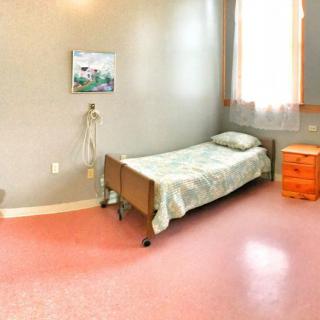
Fully furnished
Garden
Housekeeping services
Move-in coordination
Outdoor space
Telephone
Wi-Fi/high-speed internet available
Care Services
24-hour supervision
Activities of daily living assistance
Assistance with bathing
Assistance with dressing
Assistance with transfers
Diabetes diet
Meal preparation and service
Medication management
Special dietary restrictions
Dining
Diabetes diet
Special dietary restrictions
Activities
Community-sponsored activities
Scheduled daily activities
Nearby Places of Interest
This part of Oakland, Maryland, offers a variety of amenities and services that may be appealing for senior living. The area is home to several hospitals and medical centers, as well as numerous physicians and pharmacies in close proximity. There are also cafes and restaurants nearby for dining options. Places of worship are easily accessible for those who prioritize spiritual well-being. Transportation options include a depot and airport for convenient travel. Additionally, there are parks and recreational areas such as Swallow Falls State Park and Deep Creek Lake State Park for outdoor activities. Overall, this area provides a mix of healthcare facilities, community services, and recreational opportunities that make it an attractive choice for seniors looking to settle down in a peaceful yet well-equipped neighborhood.
Hospitals
Garrett County Memorial Hospital - Deborah R Magid MD (0 miles)
Garrett County Memorial Hospital (0 miles)
Garrett Regional Medical Center (0 miles)
Garrett Co Memorial Hospital (0.2 miles)
Mountain Laurel Medical Center (0.5 miles)
Hopemont State Hospital (6.5 miles)
Preston Memorial Hospital (15.7 miles)
Physicians
Oakland Mri Center (0 miles)
Cornerstone Family Medicine (0 miles)
Wellspring Family Medicine, PC (0.1 miles)
Garrett Medical Group (0.1 miles)
Garrett County Orthopaedics (0.1 miles)
Garrett Surgical Group PA (0.1 miles)
Tuel Orthopedics (0.4 miles)
Pharmacies
Walgreens (0.1 miles)
CVS Pharmacy (0.2 miles)
Gregg's Pharmacy (0.3 miles)
The Medicine Shoppe Pharmacy (0.3 miles)
Gregg's Pharmacy (7.7 miles)
The Medicine Shoppe Pharmacy (7.7 miles)
Deep Creek Pharmacy (10.4 miles)
Cafes
3rd Street Diner (0.2 miles)
Heidi's Bakery & Cafe (5.6 miles)
Trader's Coffee House (8.4 miles)
The Back Door Cafe (17.2 miles)
Restaurants
Bubba's Wings (0.2 miles)
McDonald's (0.3 miles)
Denny's (0.4 miles)
Englanders-Restaurant (0.5 miles)
Englander's Antiques/Grill and Soda Fountain (0.5 miles)
Linda's caregiving journey for her elderly mother, Joan, is marked by deep love and challenges as she navigates health changes, emotional support, and practical arrangements while learning to prioritize self-care and utilize community resources. Their evolving relationship highlights resilience and the universal themes of empathy and preparedness in caregiver experiences.
The article clarifies common misconceptions about Powers of Attorney (POA), highlighting the necessity of the principal's consent, the limitations on an agent's authority, and the importance of mental capacity when signing. It also distinguishes between various types of POAs, addresses concerns about potential abuse, and emphasizes the need for legal consultation to ensure valid and up-to-date documents.
Senior move management provides specialized support for older adults relocating by assisting with logistics, emotional challenges, and downsizing decisions to ensure a smooth transition to new living environments. These services address the unique needs of seniors and have become increasingly important as baby boomers retire and seek to downsize.
Get PricingAsk A QuestionSchedule A TourContact Senior Advisor
By clicking submit, you agree to our Partner's Terms of Use. You
also consent to receive calls and texts, which may be autodialed, from our Partner. Your consent is not a condition to
using our Partner's service. Please visit our Partner's Privacy Policy for information about their privacy practices.

 10 resident community capacity
 Skilled Nursing Facility
 Cable or satellite TV
 Dining room
 Fully furnished
 Garden
 Housekeeping services
 Move-in coordination
 Outdoor space
 Telephone
 Wi-Fi/high-speed internet available
 24-hour supervision
 Activities of daily living assistance
 Assistance with bathing
 Assistance with dressing
 Assistance with transfers
 Diabetes diet
 Meal preparation and service
 Medication management
 Special dietary restrictions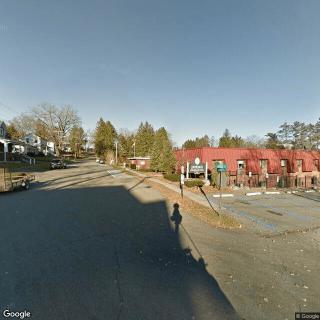
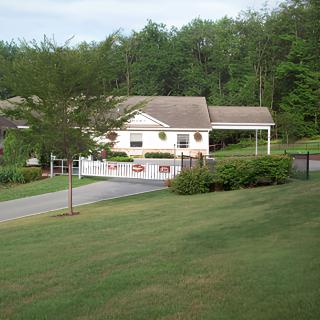
 Specialized diabetes care with on-site activities and access to nearby services.



 Nurturing Our Elders: Linda's Journey of Supporting Her Mother
 A Comprehensive Exploration of Common Misunderstandings about Powers of Attorney
 Senior Move Management: Understanding the Role, Value, and Associated Costs