

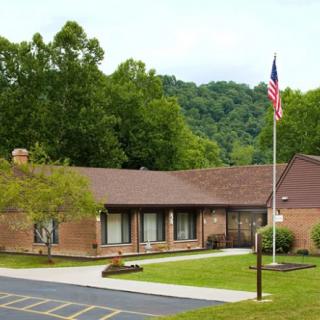
5 Everett Tibbs Road, Marlinton, WV 24954
For more information about senior living options: (866) 208-4318
Pocahontas Center Costs & Pricing
At Pocahontas Center, the monthly cost for a one-bedroom unit is set at $6,250, which aligns with the average expenses for similar accommodations in Pocahontas County. However, this figure significantly exceeds the state average for West Virginia, where one-bedroom units typically cost around $4,017 per month. This discrepancy highlights the unique market dynamics and possibly enhanced services or amenities offered at Pocahontas Center compared to other options within the county and state. As such, potential residents should carefully consider what specific benefits are included in this premium pricing when evaluating their housing choices.
| Floor plans | Pocahontas Center | Pocahontas County | West Virginia |
|---|---|---|---|
| 1 Bedroom | $6,250 | $6,250 | $4,017 |
Overall Review of Pocahontas Center
Pros
 The staff at the facility are among the most caring and attentive, and they keep residents informed and updated.
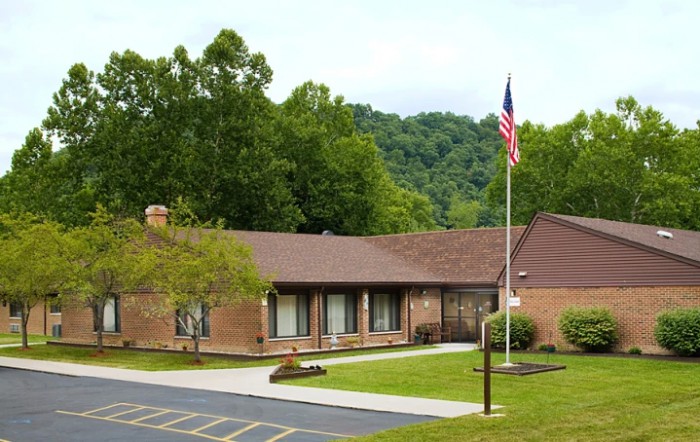
- The facility has great security, friendly staff, and is very clean and well maintained.
- The staff are kind, compassionate, and caring to residents and their families, providing the best possible care even when short staffed, and they stay in touch with families after a resident's passing.
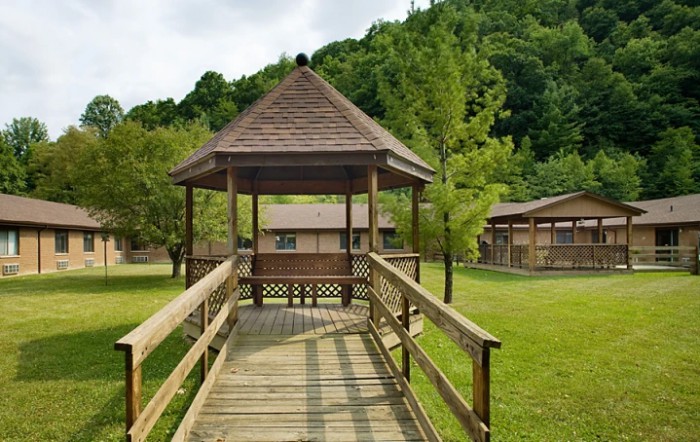
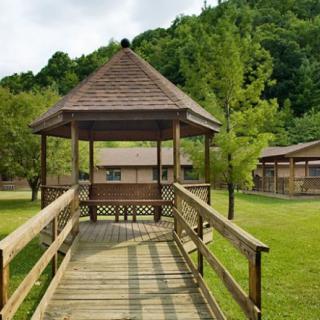
- The staff are outstanding, and visitors can enjoy time on the boardwalk.
- The staff are attentive and helpful, especially when someone began to feel faint, and they are there to care for residents.
- Everyone is very nice and helpful.
- Pocahontas Center is truly family-oriented, caring for families in the Marlinton community.
- The staff are very nice to residents, and meals are tasty.
Cons
 The rooms are a bit small.
- The staff were short-staffed.
Review
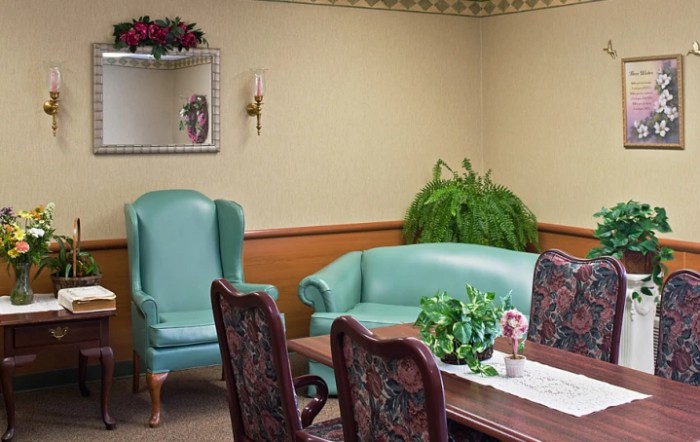
Pocahontas Center is best suited for families seeking a warm, family‑style care environment where staff consistently demonstrate compassion and daily attentiveness. The community earns trust through caregivers who are described as caring and engaged, with information flowing openly and promptly to families. Residents benefit from a secure, well‑maintained setting and routines, meals, hygiene, mobility support, delivered with evident kindness. The environment stands out for relatives facing tough medical journeys, including ALS, where small, steady acts of concern can meaningfully improve quality of life. For seniors who want to feel truly known and supported and for families needing reliable updates and involvement, this facility is a practical, reassuring choice.
Those who should consider alternatives are families prioritizing larger private accommodations or more expansive medical capabilities. A recurring, tangible drawback is that rooms tend to be small, which can matter to residents who value privacy or need more space for equipment or personal belongings. Staffing pressures occasionally surface in reviews, suggesting that peak moments may stretch the pace, even as outcomes remain strong. If a resident requires a more robust clinical footprint, greater privacy, or a broader slate of on‑site amenities, it makes sense to evaluate other communities with bigger floorplans or fuller specialty services.
Yet the strongest pros, caring staff, strong security, meticulous cleanliness, and transparent communication, form a foundation that can offset the limited physical footprint. Families repeatedly report ongoing contact from caregivers, whether celebrating milestones or just checking in after a difficult day. The center feels like a close‑knit network where staff become familiar faces and residents are treated like family. Even when staffing is stretched, the dedication of the team preserves a high standard of care, a testament to teamwork and leadership. The ability to participate in social outings, such as a boardwalk visit or church activities, adds social richness that mitigates the impact of modest room sizes.
From a decision perspective, visits should probe how much private space is available, what room configurations exist, and whether residents can choose between semi‑private or larger rooms. Inquire about staffing schedules, nursing oversight, and how care plans are updated and shared with families. The facility’s strength lies in its capacity to maintain connection, both through regular updates and through opportunities to engage with the local community. A clean, safe environment paired with the evident warmth of caregivers can ease the transition for seniors and reduce family anxiety about leaving a home.
Real‑life examples underscore fit: a family entrusted their mother’s ALS journey to a center that remained compassionate through the final months, with staff staying connected afterward. Relatives express heartfelt gratitude for the staff’s ongoing care and personalized attention. Another reviewer notes the grandmother appreciated not cooking anymore and that meals were consistently well received, signaling reliable daily routines and food service. Across accounts, the combination of personal attention, dependable safety, and a welcoming atmosphere makes Pocahontas Center a viable choice for seniors who value dignity, companionship, and steady, compassionate care.
In summary, Pocahontas Center is a practical fit for families prioritizing a warm, family‑like atmosphere, attentive staff, and clear communication in a safe, clean setting. It excels where relationships and daily reassurance matter most, offsetting its smaller rooms and occasional staffing crunch with a living culture of care. For those who require more expansive private space or more intensive clinical services, exploring alternatives is prudent. For others, the question is straightforward: does a home‑like residence with compassionate, accessible caregivers align with the senior’s needs and the family’s expectations? If so, scheduling a tour, confirming room options, and verifying updated care plans are the next smart steps, this community deserves serious consideration.
 21 resident community capacity
 Skilled Nursing Facility
 Beauty salon
 Cable or satellite TV
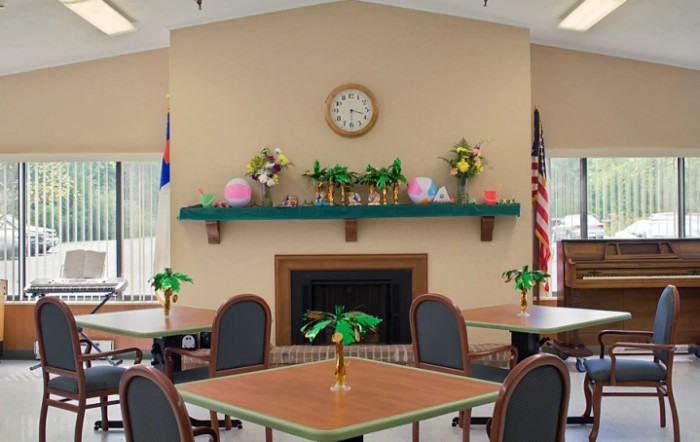
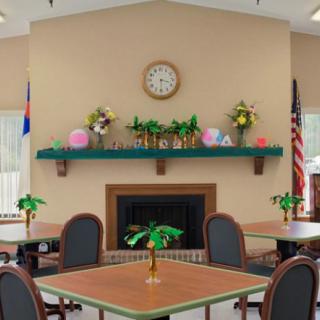
 Dining room
 Fully furnished
 Garden
 Housekeeping services
 Kitchenette
 Move-in coordination
 Outdoor space
 Telephone
 Wi-Fi/high-speed internet available
 24-hour call system
 Activities of daily living assistance
 Assistance with bathing
 Assistance with dressing
 Assistance with transfers
 Diabetes diet
 Meal preparation and service
 Medication management
 Mental wellness program
 Special dietary restrictions
 Transportation arrangement (medical)
 Transportation to doctors appointments

 Comprehensive Look at Senior Blood Pressure Charts: Normal and Elevated Levels by Age
 Top Canine Companions for Older Adults
 Comprehensive Guide to Blood Pressure Charts for Older Adults: Understanding Normal and High Readings by Age