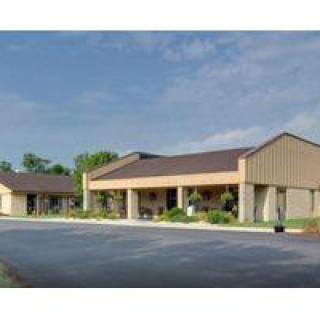
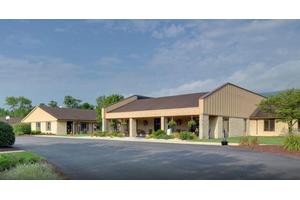
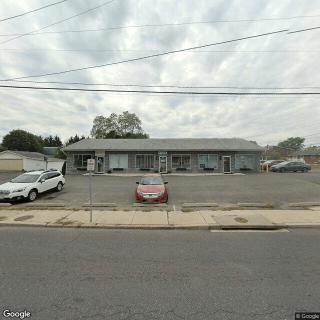
135 Southern Drive, Keyser, WV 26726
For more information about senior living options: (866) 208-4318
Overall Review of Piney Valley
Cons
 The mother's experience with the administration was very negative.
- The unprofessionalism was off the charts.
- The reviewer cautioned anyone considering taking a loved one to the facility and advised researching the administration and facility with OHFLAC.
Review
Piney Valley in Keyser, West Virginia is best suited for families seeking a very basic, no-frills care environment and who are prepared to supervise administration and day-to-day processes closely. The available account suggests that residents whose families can stay actively engaged, ask hard questions, and monitor communications may proceed with cautious expectations. This is not a facility framed by strong assurances of stable administrative leadership or consistently proactive problem-solving; rather, it appears to require a hands-on approach from families to fill potential gaps in oversight.
The sole substantive review paints a clear picture: a resident’s stay of just over a month was marred by a very negative experience centered on administration. Unprofessional conduct from leadership is described as “off the charts,” a statement that signals serious concerns about how concerns, requests, and care coordination are managed. The reviewer also urges others to thoroughly research the administration and the facility with the state licensing agency (OHFLAC). In short, the impression conveyed is that administrative culture, not clinical care per se, is the primary risk factor shaping the experience here.
That administrative climate has direct and tangible implications for residents. When leadership behavior is perceived as unprofessional, communication can deteriorate, follow-through on care plans may waver, and responsiveness to family inquiries can lag. For families, this translates into uncertainty about who is accountable for issues that arise, how quickly problems are escalated, and whether resident safety and comfort are prioritized in real time. In settings like Piney Valley, the quality of daily life for residents often hinges on credible, trustworthy administration; without that foundation, even competent clinical staff may struggle to compensate.
Given the review’s emphasis on administrative shortcomings, there are no clearly documented strengths to offset these significant downsides. The feedback provides a stark contrast: the anticipated benefits, such as attentive leadership, reliable communication, and consistent governance, are not demonstrated in the account. The absence of positive signals about oversight leaves families with a high-risk impression, especially for residents who require steady advocacy and transparent problem-solving. This lack of evidenced strengths makes it difficult to justify prioritizing Piney Valley over options with track records of stable administration.
For families weighing alternatives, the message is concrete: seek facilities with demonstrated licensing compliance, transparent governance, and predictable communication channels. Before choosing Piney Valley, verify OHFLAC records, request recent licensing actions, and ask for direct opportunities to interact with administration to gauge responsiveness and professionalism. Compare facilities on how quickly concerns are acknowledged, how care plans are communicated to families, and what accountability mechanisms exist if problems recur. It is prudent to interview multiple staff members and request references from current families to contrast administrative experiences.
In the final assessment, Piney Valley should be approached with measured caution. The primary takeaway is that administrative professionalism matters as much as, if not more than, clinical care in predicting a resident’s day-to-day quality of life. Families must be prepared to advocate aggressively, secure clear written commitments from leadership, and set up concrete expectations about communication, problem resolution, and oversight. If these conditions cannot be met or demonstrated promptly, exploring alternatives with proven administrative stability and family-friendly accountability will likely yield a more reliable, and less stressful, path to appropriate care.
 122 resident community capacity
 Skilled Nursing Facility
 Air-conditioning
 Beauty salon
 Cable or satellite TV
 Computer center
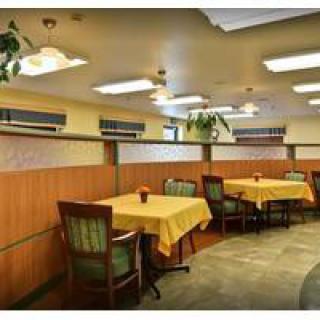
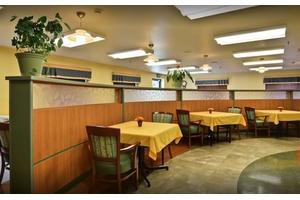
 Dining room
 Fitness room
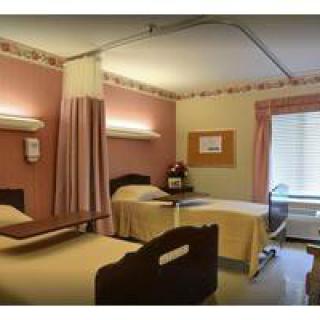
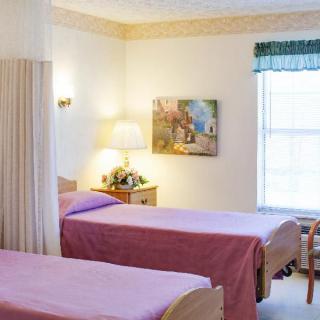
 Fully furnished
 Gaming room
 Garden
 Housekeeping services
 Kitchenette
 Move-in coordination
 Outdoor space
 Private bathrooms
 Restaurant-style dining
 Small library
 Telephone
 Wellness center
 Wi-Fi/high-speed internet available
 Community operated transportation
 12-16 hour nursing
 24-hour call system
 Activities of daily living assistance
 Assistance with bathing
 Assistance with dressing
 Assistance with transfers
 Diabetes diet
 Medication management
 Mental wellness program
 Special dietary restrictions
 Concierge services
 Planned day trips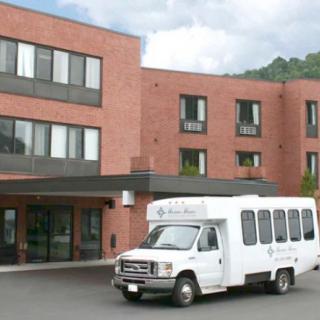
 Broad on-site amenities and 24/7 nursing support.

 Exploring Nonmedical Home Care: Understanding Services, Costs, and Financial Approaches
 Engaging Brain Games and Innovative Apps to Keep Senior Minds Active
 Effective Strategies for Keeping Seniors' Minds Active: A Deep Dive into Brain Games and Apps