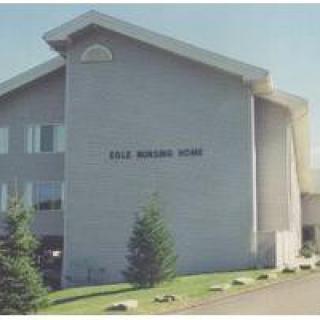
57 Jackson Street, Lonaconing, MD 21539
For more information about senior living options: (866) 208-4318
Overall Review of Egle Nursing Home
Pros
 The staff were doing a good job.
- He praised the staff's work during his visits.
- The nurses and caregivers were polite and helpful.
- It now seems like a good facility, as it once was.
Cons
 The new management fired or replaced many of the nurses.
- He did not believe he received adequate care from them.
- The staff were uninformed and did not seem to care about their jobs.
- There were escalating problems that led to him being removed from the facility.
Review
Egle Nursing Home in Lonaconing, MD is best suited for families seeking a small, personable care setting where staff can form close relationships with residents when leadership remains stable. The facility can deliver genuinely attentive, resident-focused care during periods of consistent management, with caregivers who are polite, considerate, and genuinely connected to the person they are caring for. This is a place where a resident can benefit from consistent, hands-on attention if the operation runs smoothly and staff turnover is kept low.
At the same time, families that require unwavering staffing continuity and transparent, reliable communication should carefully consider alternatives. The history here shows that leadership changes can precipitate significant shifts in care quality, staffing presence, and information flow. Residents with complex medical needs or those who depend on steady, predictable routines may want a setting with proven, long-term management and lower risk of abrupt changes in night-to-day staffing.
The strongest positives surface when management is stable: early months saw enthusiastic, well-regarded care from nurses and aides who treated the resident with kindness and respect, and family members consistently heard praise from the resident about the care team. Those elements, the personal rapport, the warmth of frontline staff, and the sense that caregivers enjoyed their work, create a foundation for good daily care. However, those pros are intrinsically tied to management continuity; once ownership changed, a marked staffing shake-up followed, with many nurses fired or replaced and a fading impression of informed, engaged care.
That turnover translated into a notable decline in perceived attentiveness and responsiveness, with conversations at visits often revealing gaps in knowledge about the resident’s needs and care plan. For families, that pattern raises legitimate concerns about consistent monitoring, timely communication, and the ability to advocate effectively for evolving health requirements. In other words, the positive, relationship-based care can exist, but it becomes vulnerable to leadership shifts, and that vulnerability is the primary risk that can erode trust over time.
What follows the latest management transition is a cautiously optimistic note: the facility appears to be returning toward the level of service that impressed families in the early days. The implication is that the underlying staff capacity and culture can support good care again, provided leadership remains stable and staffing stays cohesive. Prospects are best for families who can verify current leadership, confirm ongoing staffing continuity, and observe a recent, tangible commitment to retaining qualified nurses and aides. Without that assurance, the risk of repeating the cycle of upheaval remains real.
Before choosing, the prudent path is to verify several concrete factors. Ask for the current administrator’s contact information and a clear, current care plan for the prospective resident. Inquire about staff-to-resident ratios, turnover rates, and how shift changes are communicated to families. Request recent references from families with residents who share similar needs and ask to tour during different times of day to gauge consistency. If possible, request a short-term trial or a clearly defined transition period to assess whether the present management and staff can deliver the steady, proactive care sought. If stability cannot be demonstrated, or if the facility cannot provide reliable communication and a predictable routine, alternatives should be strongly considered.
In the end, Egle Nursing Home offers a compelling potential for well-supported, personal care when leadership is steady and staffing is cohesive. It serves best those families who can stay actively engaged, ask the right questions, and monitor performance over time. For anyone needing consistent, transparent care with minimal fluctuation in staff and approach, exploring other options with a demonstrable history of stable management is a prudent move. The decision hinges on the certainty that today’s improvements are durable and that the facility can sustain the level of attentiveness that once made it shine.
 66 resident community capacity
 Skilled Nursing Facility
 Air-conditioning
 Beauty salon
 Cable or satellite TV
 Computer center
 Dining room
 Fitness room
 Fully furnished
 Gaming room
 Garden
 Housekeeping services
 Kitchenette
 Move-in coordination
 Outdoor space
 Private bathrooms
 Restaurant-style dining
 Small library
 Telephone
 Wellness center
 Wi-Fi/high-speed internet available
 Community operated transportation
 12-16 hour nursing
 24-hour call system
 Activities of daily living assistance
 Assistance with bathing
 Assistance with dressing
 Assistance with transfers
 Diabetes diet
 Medication management
 Mental wellness program
 Special dietary restrictions
 Concierge services
 Planned day trips



 A Detailed Examination of Nursing Home Costs Across the U.S.
 Exploring Nonmedical Home Care: Understanding Services, Costs, and Financial Approaches
 Engaging Brain Games and Innovative Apps to Keep Senior Minds Active