For more information about senior living options: (866) 208-4318
2.9 from 47 reviews
5 stars
20
4 stars
1
3 stars
3
2 stars
0
1 stars
23
Overall Review of Willow Springs Care And Rehabilitation
common16 reviews mention this
Staff care and responsiveness stand out
Residents and families frequently describe staff as welcoming, caring, and quick to respond.
Many reviewers describe staff members across roles as friendly and engaged, including nurses, front desk, therapy, and support staff. Several mention being acknowledged when they visited and feeling their questions or needs were handled promptly. A few also highlight consistent respectful treatment and comfort-focused care, from day-to-day interactions to rehab support.
differentiator4 reviews mention this
Meals get strong praise
Meals are a frequent highlight, with residents describing tasty, satisfying food.
Multiple reviewers single out the food quality, describing variety and enjoying meals enough to affect appetite or weight. One reviewer also mentions a chef visiting rooms for feedback about what residents liked or what needed improvement. Not every dining experience was smooth—one reviewer reported food arriving frequently cold and noted one dining room was closed.
common5 reviews mention this
Rehab progress through therapy teams
Therapy support is linked to meaningful rehab progress for several families.
Several reviewers describe physical therapy and rehab teams as positive and encouraging, especially during recovery. One person reports arriving with significant lung issues and leaving with a more positive outlook while therapy helped drive progress. Another reviewer says the goal was for about two weeks and they were able to walk again, and a separate review also points to satisfaction with the physical therapist.
common2 reviews mention this
Rooms feel well kept
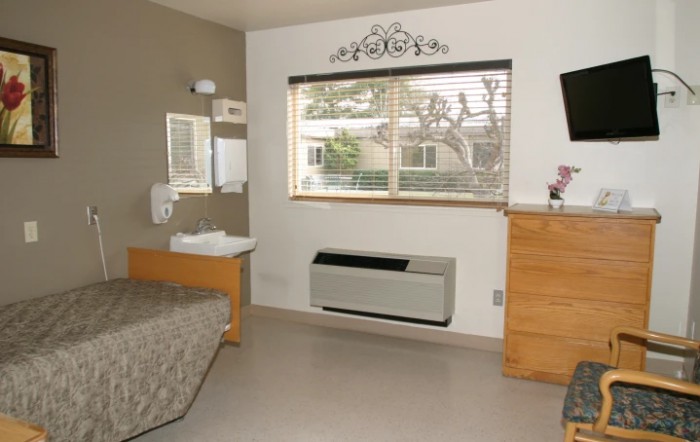
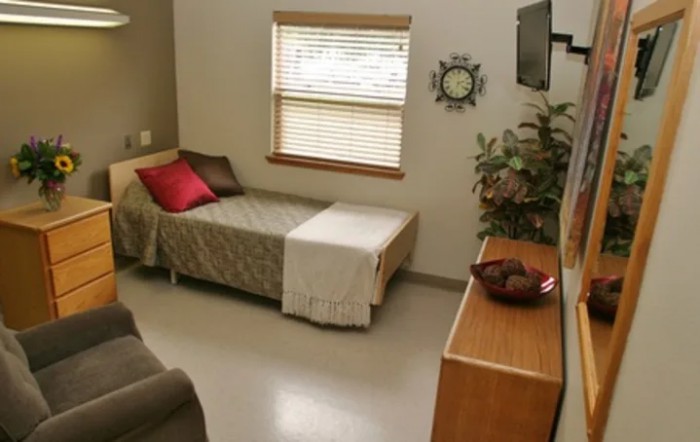
Reviewers mention rooms being kept clean and maintained.
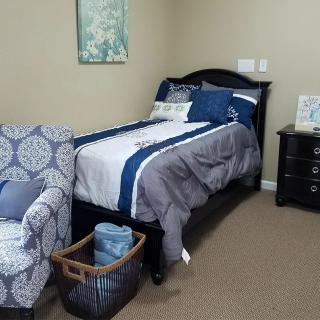
A couple of reviewers describe rooms as clean and well maintained, including daily tidying. One review also adds that there were no nursing-home odors, alongside satisfaction with cleanliness even while other parts of the stay were criticized.
caveat13 reviews mention this
Serious concerns about care quality
Some reviews raise severe concerns about neglect, communication, and responsiveness.
Several reviews describe what they view as poor care outcomes, including allegations of neglect or abuse and dissatisfaction with how concerns were handled. Multiple reviewers also report communication and follow-through issues, including delays responding to call buttons, medication changes that did not align with a doctor’s plan, and missed transportation for appointments. A few accounts include end-of-life situations and report staff not acting appropriately to advance directives or worsening conditions.
How we summarize
Counts show how many written reviews mention each theme; a review can touch several themes, and only frequently mentioned themes are displayed.
Features
Housing
75 resident community capacity
Types of Care
Skilled Nursing Facility
Amenities
Air-conditioning
Beauty salon
Cable or satellite TV
Computer center
Dining room
Fitness room
Fully furnished
Gaming room
Garden
Housekeeping services
Kitchenette
Move-in coordination
Outdoor space
Private bathrooms
Restaurant-style dining
Small library
Telephone
Wellness center
Wi-Fi/high-speed internet available
Transportation
Community operated transportation
Transportation arrangement
Transportation arrangement (non-medical)
Transportation to doctors appointments
Care Services
12-16 hour nursing
24-hour call system
24-hour supervision
Activities of daily living assistance
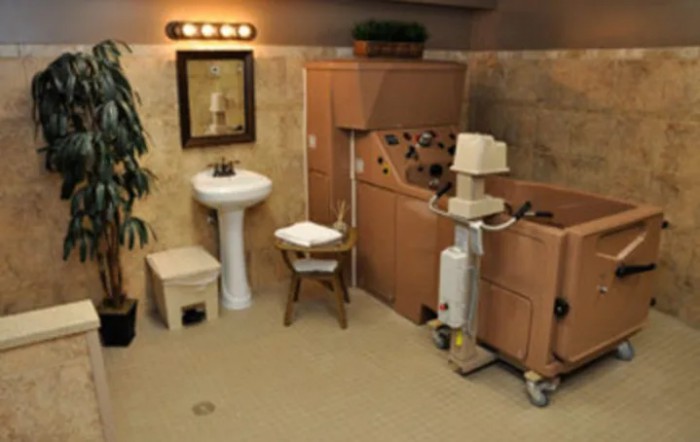
Assistance with bathing
Assistance with dressing
Assistance with transfers
Diabetes diet
Meal preparation and service
Medication management
Mental wellness program
Special dietary restrictions
Dining
Diabetes diet
Special dietary restrictions
Activities
Community-sponsored activities
Concierge services
Fitness programs
Planned day trips
Resident-run activities
Scheduled daily activities
Nearby Places of Interest
Physicians
Westside Medi Center (0 miles)
Washington Neurology & Physicians (0.4 miles)
Apple Valley Family Medicine (0.4 miles)
Memorial Physicians (0.5 miles)
Yakima Endocrinology Associates (0.5 miles)
Memorial Psychiatric Services (0.6 miles)
Apple Valley Eye Center (0.6 miles)
Cafes
Tom Tom Espresso On 40th (0.1 miles)
Caffe Capri (0.5 miles)
Cruisin Coffee (0.8 miles)
Starbucks (1.1 miles)
Tom Tom Bistro (1.1 miles)
Coffee At Creekside (1.1 miles)
White House Cafe (1.2 miles)
Pharmacies
Sav-On Pharmacy (0.1 miles)
Tieton Village Drugs (0.2 miles)
River Village Pharmacy (0.2 miles)
Hi-School Pharmacy (0.5 miles)
Walgreens (0.5 miles)
Walgreens (1.6 miles)
Sav-On Pharmacy (1.7 miles)
Places of Worship
Church of Jesus Christ of Latter Day Saints (0.3 miles)
First Church of Christ Scientist (0.5 miles)
Messy Church at Wesley (0.6 miles)
St Timothy's Episcopal Church (0.8 miles)
Englewood Christian Church (0.9 miles)
General Conference Of Seventh-Day Adventists (0.9 miles)
Church of Jesus Christ of Latter Day Saints (1 miles)
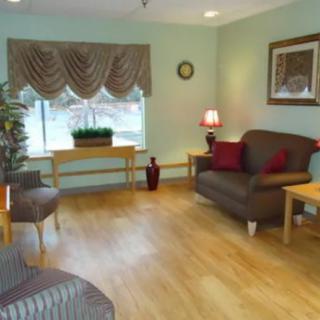
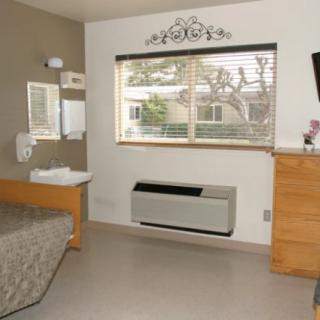
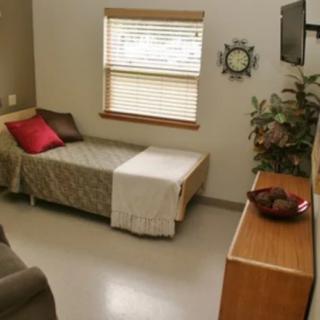
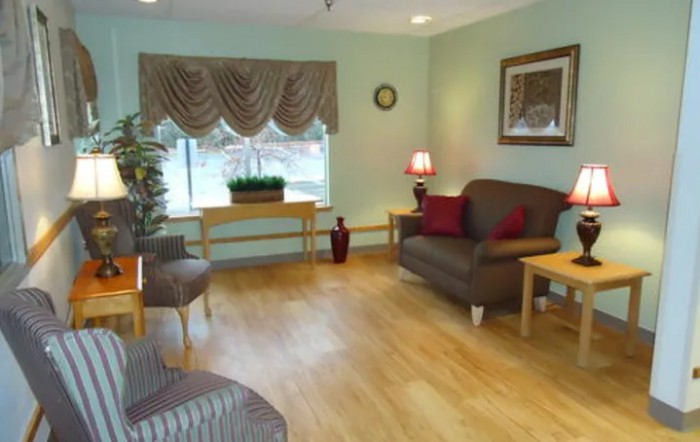
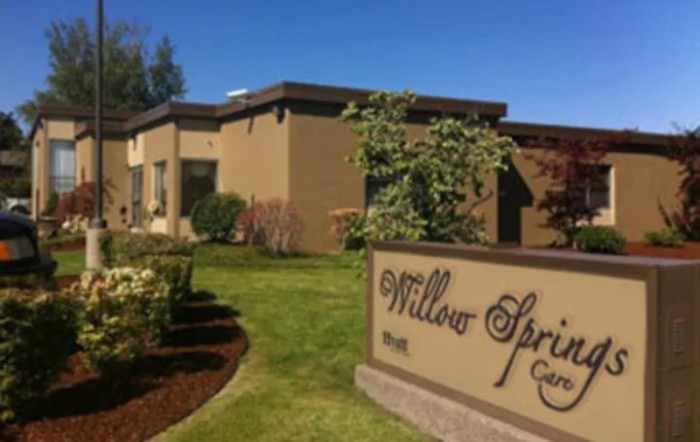
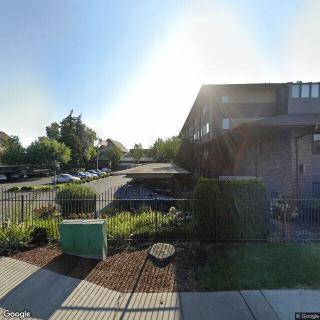
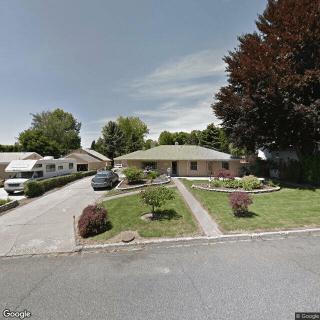
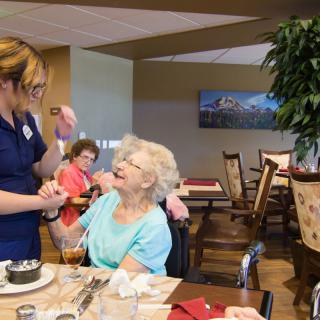
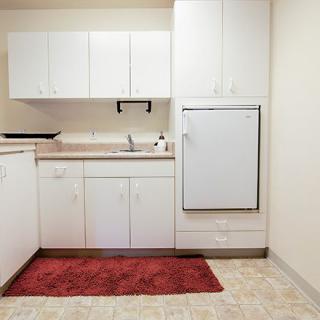
Willow Springs Care And Rehabilitation on seniors.fyi includes 5 photos including images showing bedroom, interior, decor, windows, landscaping, living room, building, grass, and more.
Nearby Communities
Tieton Village Drugs
Yakima, WA
4.4 from 30 reviews
Close to numerous healthcare, dining, worship, and hospital options for convenient living.
Living Care Retirement Comm
Yakima, WA
$1,377 to $2,033 / month
Affordable pricing with a broad range of on-site amenities and dining options.
Living Care
Yakima, WA
4.2 from 15 reviews
Caring staff, clean environment, and updated apartments with engaging activities.
Hirest At Summitview
Yakima, WA
4.3 from 24 reviews
Attentive staff with friendly care and multiple housing options on campus.
Ellenhouse
Yakima, WA
4.6 from 9 reviews
$4,500 / month
Specialized diabetes and high-acuity care in an affordable private-room setting.
Blossom Place
Yakima, WA
4.5 from 46 reviews
$2,980 to $5,600 / month
Friendly, attentive staff in a clean, active community with engaging activities.
Fieldstone Orchardwest
Yakima, WA
4.6 from 27 reviews
$2,825 to $5,125 / month
Caring staff in a clean, safe, and well-maintained community.
Brookdale Yakima
Yakima, WA
4 from 60 reviews
$5,135 to $7,825 / month
Friendly, attentive staff in a clean, activity-filled setting with ample amenities.
Peach Tree Retirement
Yakima, WA
4.4 from 67 reviews
$1,975 to $2,850 / month
Well-trained staff and engaging activities in a cozy, garden-like setting.
Fecal incontinence, prevalent among older adults, arises from factors like weakened pelvic muscles and nerve damage, significantly affecting well-being and social interactions. Diagnosis involves clinical evaluation and tests to inform tailored treatments, while caregivers and preventive measures can aid in managing the condition effectively.
Anticipatory grief is an emotional response to the impending loss of a loved one, characterized by complex emotions such as sadness and anger, and involves navigating stages similar to those identified by Kübler-Ross. Coping strategies are vital for managing this process, emphasizing compassionate communication, self-care, and support groups while recognizing the cultural influences on grieving.
Adult day care programs offer essential support and activities for older adults, yet many hesitate to participate due to concerns about independence and stigma. To alleviate these apprehensions, families should facilitate open discussions, explore financial resources, suggest trial visits, and collaborate with healthcare providers to highlight the benefits of such services for both the participants and their caregivers.
Get PricingAsk A QuestionSchedule A TourContact Senior Advisor
By clicking submit, you agree to our Partner's Terms of Use. You
also consent to receive calls and texts, which may be autodialed, from our Partner. Your consent is not a condition to
using our Partner's service. Please visit our Partner's Privacy Policy for information about their privacy practices.

 75 resident community capacity
 Skilled Nursing Facility
 Air-conditioning
 Beauty salon
 Cable or satellite TV
 Computer center
 Dining room
 Fitness room
 Fully furnished
 Gaming room
 Garden
 Housekeeping services
 Kitchenette
 Move-in coordination
 Outdoor space
 Private bathrooms
 Restaurant-style dining
 Small library
 Telephone
 Wellness center
 Wi-Fi/high-speed internet available
 Community operated transportation
 12-16 hour nursing
 24-hour call system
 Activities of daily living assistance
 Assistance with bathing
 Assistance with dressing
 Assistance with transfers
 Diabetes diet
 Medication management
 Mental wellness program
 Special dietary restrictions
 Concierge services
 Planned day trips
 Close to numerous healthcare, dining, worship, and hospital options for convenient living.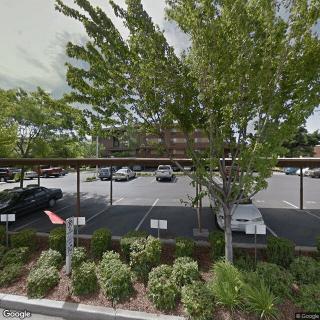


 Fecal Incontinence in Older Adults: A Comprehensive Guide
 Recognizing the Journey: Understanding and Navigating Anticipatory Grief
 Encouraging Participation in Adult Day Care: A Guide to Supporting a Hesitant Parent