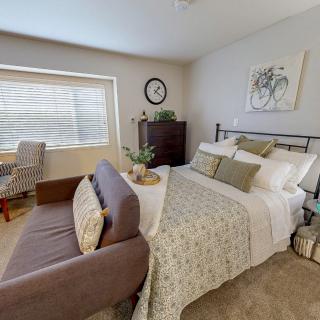
Saint Anne Nursing And Rehabilitation Center in Seattle, WA

Save

Saint Anne Nursing And Rehabilitation Center in Seattle, WA

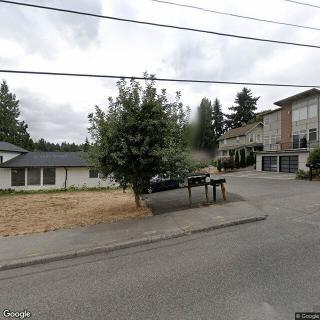
3540 Northeast 110Th Street, Seattle, WA 98125

For more information about senior living options: (844) 490-3973

4.3 from 12 reviews
5 stars
8
4 stars
1
3 stars
1
2 stars
2
1 stars
0

Skilled Nursing Facility

Overall Review of Saint Anne Nursing And Rehabilitation Center

Pros

  • pro It is regarded as an excellent rehab facility with good food, excellent staff, and nice accommodations.
  • pro The staff are described as kind, attentive, and caring toward residents and their families.
  • pro The on-site care teams, including physical therapy, are highly skilled and effective.
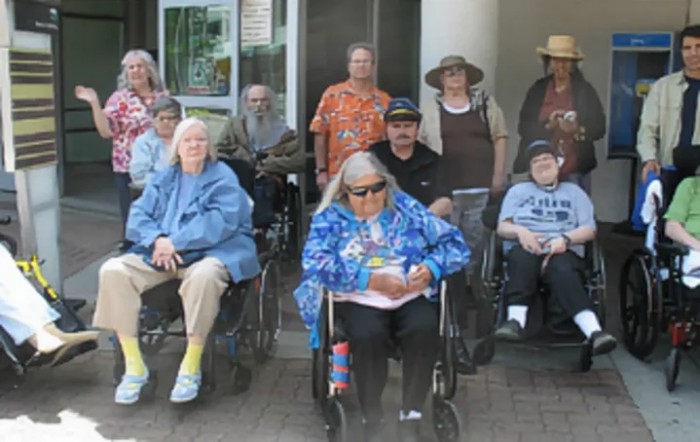
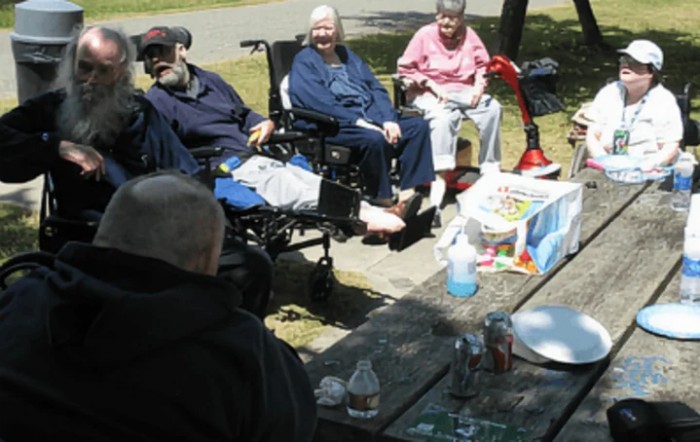
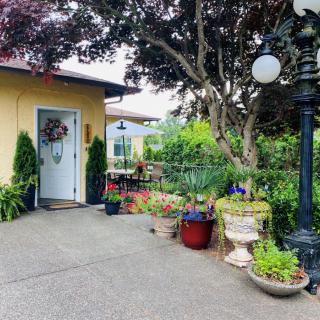
  • pro The environment is peaceful and welcoming, with trees, a courtyard, and accessible outdoor space.
  • pro Families appreciate the care coordination, communication, and support provided by the staff.
  • pro Residents and their loved ones would readily recommend St. Anne's and would choose it again.

Cons

  • pro The room was stark with a small TV, a hospital-like bathroom, and dim lighting.
  • pro The food is horrendous and not even a dog would eat it.
  • pro The physical therapy for the mother was extremely lacking, with only 30-60 minutes a day, four days a week.
  • pro There was no urgency from the owners to move her out of the facility.
  • pro They ran the clock until Medicare stopped paying and then discharged her.
  • pro Oatmeal and cream of wheat were watered down, and the food looked like crap.
  • pro Rooms are small and share restrooms, with two people per room and little privacy.

Review

Saint Anne Nursing and Rehabilitation Center in Seattle is best suited for seniors who are recovering from surgery or an acute illness and need a focused, hands-on rehabilitation program. The community's leaner, more intimate size translates into an unusually personal care approach, where a stable staff can coordinate with nearby doctors and hospitals for a smooth, nearby recovery path. Families navigating long distances will find comfort in the ease of arranging follow-up care locally and knowing the patient is in close contact with the medical team. Importantly, Saint Anne's operates without a religious orientation, which can be a decisive factor for families seeking a secular care setting.

Those who should consider alternatives are primarily residents with long-term, dementia-focused, or highly specialized needs that demand more robust independence or a different care mix. For individuals who prize private rooms, upscale dining, and a more premium overall ambiance, other facilities may deliver a more satisfying experience. Likewise, if the priority is long-term stability with substantial daily therapy hours or an environment designed exclusively for chronic care rather than transitional rehab, it makes sense to compare options. In short, Saint Anne's shines as a rehab-centric, personal-touch option rather than as a one-stop, high-end senior residence.

The strongest positives show up in the core rehab and care dimensions. The on-site physical therapy team is frequently praised for expertise and cohesion, and residents report consistent nursing care and attentiveness from the care staff. Housekeeping and daily routines often meet a high standard, while the setting - surrounded by trees and a courtyard - offers a calm, outward-facing space that supports gentle activity and outdoor time. Families frequently point to the staff's kindness and the way the facility stays responsive to questions and transport coordination, which can matter a great deal when a loved one is navigating post-acute recovery. For many, the ability to have a focused care team nearby in a smaller community provides reassurance and measurable progress.

However, several meaningful cons temper the overall impression. One issue that some families encounter is variability in therapy intensity and scheduling; several accounts describe limited daily therapy time, which can slow progress for those needing maximal rehab dosages. Food quality emerges as a mixed experience, with some residents enjoying meals while others describe it as average or unappealing. The two-person room model, with shared bathrooms and a compact footprint, can feel confining for longer stays or for residents who value greater privacy. The blend of long-term and more independent residents sometimes creates a busier, noisier atmosphere, and a sense that personal freedoms are more constrained by standard rules.

These pros and cons must be weighed against one another when forming a decision. The rehab program's demonstrated strengths - coupled with attentive staff and a homey, garden-forward setting - often offset the less glamorous realities like modest room sizes or variable dining impressions. For families prioritizing recovery and close medical coordination, Saint Anne's offers a practical, dependable path to regain function in a facility that treats residents with consistent warmth and respect. But for families seeking maximum privacy, high-end dining, or dementia-specific environments with extensive, organized daily programming, alternatives may deliver a more comfortable fit.

Practical next steps tighten the decision. Schedule a sustained tour that includes a therapist and the nursing leadership to observe therapy hours, patient flow, and the day-to-day rhythm of care. Ask direct questions about average daily minutes of therapy, the process for adjusting therapy goals, and how transportation coordination is handled when appointments or hospital visits arise. Inspect room configurations and shower access to gauge daily living practicality, and inquire about meal plans, frequency of menu changes, and approaches to dietary restrictions. Finally, probe parking availability, visitor access, and the facility's approach to balancing quiet, private space with the needs of a mixed resident population. With these checks, families can determine whether Saint Anne's aligns with the patient's rehabilitation trajectory and personal care priorities, or if another option better serves long-term comfort and privacy.

Features

Housing

  • 47 resident community capacity 47 resident community capacity

Types of Care

  • Skilled Nursing Facility Skilled Nursing FacilitySkilled Nursing Facilities are crucial for seniors as they provide round-the-clock medical care, rehabilitation services, and assistance with daily activities. These facilities ensure that seniors receive the specialized care they need to maintain their health and well-being as they age.

Amenities

  • Beauty salon Beauty salonBeauty salons are important for seniors because they provide a space for them to feel pampered, socialize, and maintain their personal grooming and hygiene. Regular visits to a beauty salon can help boost seniors' self-esteem and overall well-being.
  • Cable or satellite TV Cable or satellite TVCable or satellite TV is important for seniors because it provides entertainment, news, and companionship, helping to combat loneliness and boredom. It also offers a wide range of programming options tailored to different interests and preferences.
  • Dining room Dining roomDining rooms are important for seniors as they provide a space for socialization, connection, and nutritious meals. They offer opportunities for residents to bond over shared meals, foster a sense of community, and promote healthy eating habits. Dining rooms also ensure that seniors have access to well-balanced meals tailored to their dietary needs and preferences.
  • Fully furnished Fully furnishedFully furnished senior living communities are important for seniors because they provide convenience, comfort, and a hassle-free moving experience. Seniors can easily settle into their new living space without the stress of having to buy and move furniture. This allows them to focus on enjoying their new home and community.
  • Garden GardenGardens are important for seniors as they provide a peaceful and therapeutic environment for relaxation, physical activity, and socialization. Being in nature has been shown to reduce stress, improve mood, and promote overall well-being. Gardens also offer opportunities for seniors to engage in gardening activities, which can improve mobility, flexibility, and cognitive function. Additionally, gardens create a sense of community and connection with others who share a passion for plants and outdoor spaces.
  • Housekeeping services Housekeeping servicesHousekeeping services are important for seniors because they help maintain a clean and safe living environment, promote independence, and reduce the risk of accidents or illnesses. Additionally, having assistance with household chores can alleviate physical strain and allow seniors to focus on other aspects of their well-being.
  • Kitchenette KitchenetteKitchenettes are important for seniors living in senior living communities because they provide the convenience and independence of being able to prepare simple meals and snacks in the comfort of their own living space. This can help promote a sense of autonomy and well-being for seniors, allowing them to maintain some level of control over their dietary choices and daily routines.
  • Move-in coordination Move-in coordinationMove-in coordination is important for seniors because it helps ease the transition into their new living environment. It ensures that all logistics, such as packing, organizing movers, and setting up utilities are taken care of, allowing seniors to focus on settling in and adjusting to their new home. Having a smooth move-in process can alleviate stress and anxiety, making the transition smoother and more enjoyable for seniors.
  • Outdoor space Outdoor spaceOutdoor spaces are important for seniors as they provide opportunities for physical activity, social interaction, exposure to natural light and fresh air, and a sense of connection to nature. Having access to outdoor spaces can improve overall well-being and quality of life for older adults living in senior communities.
  • Restaurant-style dining Restaurant-style diningRestaurant-style dining is important for seniors because it allows them to enjoy delicious, nutritious meals in a social and upscale setting. This enhances their dining experience, promotes healthy eating habits, and fosters socialization with fellow residents, ultimately contributing to their overall well-being and quality of life.
  • Small library Small librarySmall libraries are important for seniors as they provide access to a variety of reading materials, including books, newspapers, and magazines. This can help stimulate their minds, keep them engaged, and provide a sense of community through book clubs and other social activities. Additionally, reading has been shown to improve cognitive function and overall mental well-being in older adults.
  • Telephone TelephoneTelephones are important for seniors as they provide a lifeline for communication with loved ones, emergency services, and healthcare providers. They offer a sense of security and independence, enabling seniors to stay connected and access assistance when needed.
  • Wi-Fi/high-speed internet available Wi-Fi/high-speed internet availableWi-Fi/high-speed internet is important for seniors to stay connected with loved ones, access online resources, and participate in virtual activities to combat feelings of loneliness and isolation. It also allows them to easily manage healthcare needs, access entertainment, and engage in lifelong learning opportunities.

Transportation

  • Seattle-Tacoma International (18 miles away) Seattle-Tacoma International (18 miles away)

Care Services

  • 24-hour call system 24-hour call system24-hour call systems are important for seniors because they provide peace of mind and immediate assistance in case of emergencies. This technology ensures that help is always available, promoting safety and security for elderly individuals living alone or in assisted living facilities.
  • 24-hour supervision 24-hour supervision24-hour supervision is important for seniors to ensure their safety, well-being, and access to immediate assistance in case of emergencies or health issues. This constant support provides peace of mind for both seniors and their loved ones, allowing them to age in place with dignity and security.
  • Activities of daily living assistance Activities of daily living assistanceActivities of daily living assistance are important for seniors because they provide essential support with tasks such as eating, bathing, dressing, and mobility. This assistance helps seniors maintain their independence, dignity, and overall quality of life as they age.
  • Assistance with bathing Assistance with bathingAssistance with bathing is crucial for seniors as it helps maintain personal hygiene, prevents infections, and ensures their overall well-being and comfort. It also provides a sense of dignity and independence for seniors who may struggle with this task on their own.
  • Assistance with dressing Assistance with dressingAssistance with dressing is important for seniors because it helps maintain their independence, promotes personal hygiene, prevents accidents and injuries, and improves overall quality of life. This service ensures that seniors can continue to dress comfortably and confidently, despite any physical limitations they may have.
  • Assistance with transfers Assistance with transfersAssistance with transfers is crucial for seniors as it helps prevent falls and injuries, maintains their independence, and ensures they can safely navigate their living environment. It also provides peace of mind for both seniors and their loved ones.
  • Diabetes diet Diabetes dietA diabetes diet is crucial for seniors as it helps manage blood sugar levels, reduce risks of complications, and improve overall health and well-being. By following a balanced and nutritious diet tailored to their specific needs, seniors can better control their diabetes and enhance their quality of life.
  • Meal preparation and service Meal preparation and serviceMeal preparation and service are crucial for seniors as they may have limited mobility or energy to cook nutritious meals. Having access to healthy and convenient food options can ensure they are getting the proper nutrition needed to maintain their overall health and well-being.
  • Medication management Medication managementMedication management is crucial for seniors to ensure they are taking the right medications at the correct dosages and times. This helps prevent adverse drug interactions, reduces the risk of medication errors, and promotes overall health and well-being. Proactive management also allows for adjustments as needed based on changing health conditions or new prescriptions.
  • Mental wellness program Mental wellness programMental wellness programs are essential for seniors as they promote cognitive stimulation, emotional support, and social engagement. These programs help prevent isolation, depression, and cognitive decline, ultimately enhancing the overall quality of life for older adults.
  • Special dietary restrictions Special dietary restrictionsSpecial dietary restrictions are important for seniors because age-related changes in metabolism and health conditions can make it difficult for their bodies to process certain foods. By following a diet tailored to their specific needs, seniors can maintain their overall health and well-being, manage chronic conditions, and reduce the risk of complications such as malnutrition or food interactions with medications.

Dining

  • Diabetes diet Diabetes dietA diabetes diet is crucial for seniors as it helps manage blood sugar levels, reduce risks of complications, and improve overall health and well-being. By following a balanced and nutritious diet tailored to their specific needs, seniors can better control their diabetes and enhance their quality of life.
  • Special dietary restrictions Special dietary restrictionsSpecial dietary restrictions are important for seniors because age-related changes in metabolism and health conditions can make it difficult for their bodies to process certain foods. By following a diet tailored to their specific needs, seniors can maintain their overall health and well-being, manage chronic conditions, and reduce the risk of complications such as malnutrition or food interactions with medications.

Activities

  • Community-sponsored activities Community-sponsored activitiesCommunity-sponsored activities are important for seniors as they provide opportunities for social interaction, mental stimulation, and physical activity. These activities can help improve overall well-being, combat loneliness and isolation, and promote a sense of belonging and purpose among older adults.
  • Resident-run activities Resident-run activitiesResident-run activities are important for seniors as they encourage social interaction, creativity, and a sense of autonomy. These activities empower seniors to stay engaged and active in their community while fostering meaningful connections with their peers.
  • Scheduled daily activities Scheduled daily activitiesScheduled daily activities are important for seniors because they provide structure, socialization, mental stimulation, and physical activity. Engaging in regular activities can improve overall well-being and quality of life for seniors living in a community setting.

Description

Saint Anne Nursing And Rehabilitation Center in Seattle, WA is a premier assisted living community that offers a wide range of amenities and care services to meet the needs of our residents. Our fully furnished apartments provide a comfortable and homelike environment for our residents, complete with cable or satellite TV and Wi-Fi/high-speed internet access.

Mealtimes are a special occasion at Saint Anne, with restaurant-style dining available in our elegant dining room. Our experienced staff can accommodate special dietary restrictions and meal preparation and service are included as part of our care services.

Our community features beautiful outdoor space where residents can enjoy gardens and outdoor activities. Inside, we have a small library for those who love to read and a mental wellness program to support the emotional well-being of our residents.

At Saint Anne, we prioritize the safety and well-being of our residents with 24-hour supervision and assistance with activities of daily living such as bathing, dressing, and transfers. Our staff is trained in medication management to ensure that each resident receives the proper medications at the right time.

We understand the importance of staying connected, which is why we offer telephone services and high-speed internet access for our residents. Additionally, we provide move-in coordination services to make the transition into our community seamless.

Our location in Seattle offers convenience with numerous cafes, parks, pharmacies, physicians' offices, restaurants, and transportation options nearby. Residents have plenty of opportunities to explore their surroundings and engage in social activities within the community.

Experience exceptional assisted living at Saint Anne Nursing And Rehabilitation Center where you will find comfort, care, and an enriching lifestyle tailored to your needs.

Nearby Places of Interest

Restaurants

  • Dick's Drive-In (0.7 miles)
  • Magnuson Cafe & Brewery (1.8 miles)
  • The Guest House (2.7 miles)
  • Chick-Fil-A (2.8 miles)
  • McDonald's (3.4 miles)
  • Bongos (3.5 miles)
  • Autumn (3.7 miles)

Pharmacies

  • Bartell Drugs (0.8 miles)
  • Fred Meyer Pharmacy (1.1 miles)
  • Rite Aid (1.2 miles)
  • QFC Pharmacy (1.3 miles)
  • Walgreens (1.4 miles)
  • Northgate Pharmacy (1.7 miles)
  • Walgreens (1.7 miles)

Parks

  • O.O. Denny Park (1.7 miles)
  • Maple Leaf Park (1.8 miles)
  • Warren G. Magnuson Park (2.2 miles)
  • Saint Edward State Park (2.2 miles)
  • Magnuson Park Off-Leash Dog Park (2.3 miles)
  • Big Finn Hill Park (2.8 miles)
  • Greenwood Park (3.1 miles)

Transportation

  • Northgate Transit Center (1.8 miles)
  • Northgate Station Seattle (1.9 miles)
  • Roosevelt Station Seattle (2.6 miles)
  • U District Station (3.6 miles)
  • University of Washington LINK Station (4.1 miles)

Cafes

  • Starbucks (2 miles)
  • Starbucks (2.9 miles)
  • Diva Espresso (3.1 miles)
  • Jake's Coffee (3.4 miles)
  • Urban Coffee Lounge (3.6 miles)
  • Starbucks (4 miles)
  • Starbucks (4.5 miles)

Hospitals

  • Northwest Hospital (2.3 miles)
  • Seattle Children's Hospital (3.2 miles)
  • Uw Medical Center Cafeteria (4.2 miles)

Physicians

  • Warby Parker (3.2 miles)
  • Ballard Pediatric Clinic PS (4.4 miles)
  • Lakeshore Clinic (4.9 miles)
  • Seattle Gastroenterology Associates (5 miles)
  • EvergreenHealth (5.2 miles)
  • Allegro Pediatrics - Totem Lake (5.2 miles)

Theaters

  • Cinemark Totem Lake And Xd (5.1 miles)

Frequently Asked Questions

Where is Saint Anne Nursing And Rehabilitation Center?
What photos are available for Saint Anne Nursing And Rehabilitation Center in Seattle, Washington?

Nearby Communities

  • Viewhaven AFH -Meadowbrook

    Viewhaven AFH -Meadowbrook

    Seattle, WA

     
    $4,500 / month

    pro Affordable private room with memory/high-acuity care and on-site amenities.


  • Eden's Villa

    Eden's Villa

    Seattle, WA

    4.7 from 6 reviews
    $4,000 to $5,000 / month

    pro Renovated day activity room and attractive backyard with a caring, approachable staff.

  • Elle's N AFH

    Elle's N AFH

    Seattle, WA

    3.3 from 3 reviews
    $3,700 / month

    pro Home-like setting with attentive staff, private rooms, homemade meals, memory-care focus, and comparatively low rates.

  • A Sand Point Senior Care

    A Sand Point Senior Care

    Seattle, WA

    4.3 from 3 reviews
    $5,000 / month

    pro Excellent staff and a safe, comfortable environment with spacious rooms.

  • Prime Choice AFH,  LLC

    Prime Choice AFH, LLC

    Seattle, WA

    4.8 from 17 reviews
    $2,150 to $8,000 / month

    pro Caring, attentive owner and staff with personalized care in a clean, engaging, home-like setting.

  • Meadowbrook

    Meadowbrook

    Seattle, WA

     
    $4,000 to $4,500 / month

    pro Memory-care focused with private rooms and competitive pricing.

  • Cogir Of Northgate Memory Care

    Cogir Of Northgate Memory Care

    Seattle, WA

    4.5 from 40 reviews
     

    pro Compassionate, attentive staff in a clean, homey environment with engaging activities and on-site services.

  • Emerald City Senior Living

    Emerald City Senior Living

    Seattle, WA

    4.2 from 64 reviews
    $2,550 to $4,700 / month

    pro Attentive dining staff, clean and welcoming environment, strong memory-care program, and good value.

  • Aljoya Thornton Place,  a CCRC

    Aljoya Thornton Place, a CCRC

    Seattle, WA

    4.7 from 35 reviews
    $3,130 to $4,730 / month

    pro Friendly, attentive staff and a comprehensive wellness program in an upscale, hotel-like setting.

Related Resources

  • adult day careEncouraging Participation in Adult Day Care: A Guide to Supporting a Hesitant Parent

    Adult day care programs offer essential support and activities for older adults, yet many hesitate to participate due to concerns about independence and stigma. To alleviate these apprehensions, families should facilitate open discussions, explore financial resources, suggest trial visits, and collaborate with healthcare providers to highlight the benefits of such services for both the participants and their caregivers.

  • living will definitionComprehensive Exploration of Living Wills and Other Advance Directives

    Living wills and advance directives are crucial legal documents that outline an individual's healthcare preferences when they cannot make decisions themselves, enhancing patient autonomy and alleviating family stress during medical crises. The article emphasizes the need for these documents to be personalized, legally valid, and regularly updated, while also encouraging communication about end-of-life wishes among family members and healthcare providers.

  • living will definitionA Detailed Exploration of Living Wills and Advance Directives


    The article examines living wills and advance directives, highlighting their significance in expressing healthcare preferences for those unable to communicate due to illness or incapacity. It discusses their historical development, legal components, limitations, practical drafting advice, and the importance of clear communication among families and healthcare professionals regarding end-of-life decisions.