
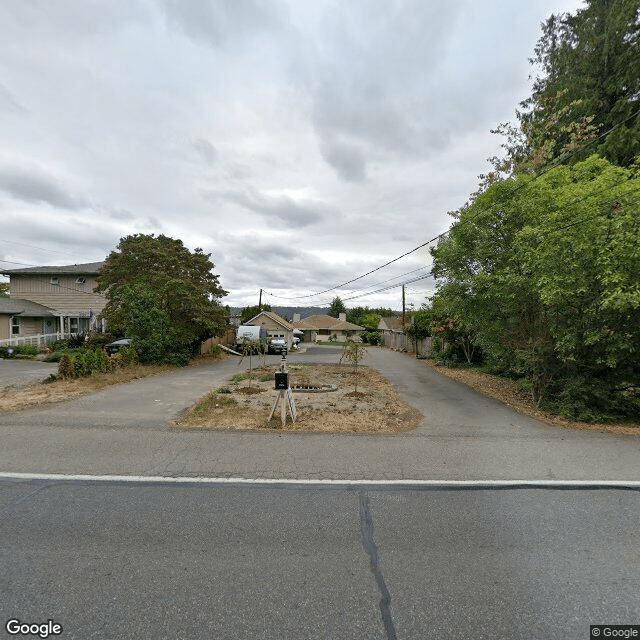
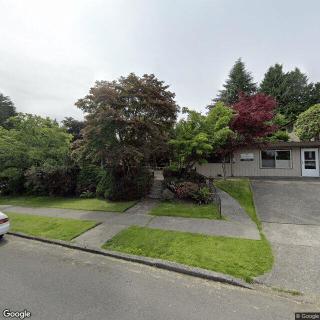
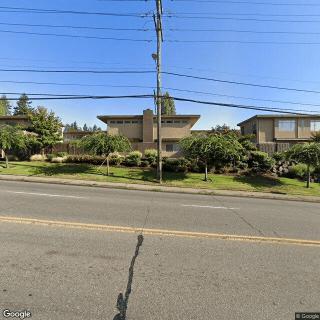
11314 Sandpoint Way, Seattle, WA 98125
To contact a resident: (206) 367-3290
For more information about senior living options: (866) 208-4318
A Sand Point Senior Care Costs & Pricing
A Sand Point Senior Care offers competitive pricing for its rooms compared to both King County and the broader state of Washington. With a monthly rate of $5,000 for private, semi-private, and one-bedroom accommodations, the facility aligns closely with King County's average cost of $5,034 for private rooms but is slightly more affordable than the county's semi-private rate of $4,430 and one-bedroom average of $5,127. Additionally, A Sand Point's pricing is notably higher than the respective state averages of $4,772 for private rooms and $4,267 for semi-private arrangements. This positioning suggests that while residents may find A Sand Point Senior Care to be on par with local trends for private living options, it offers significant value in its shared accommodations relative to nearby facilities.
| Floor plans | A Sand Point Senior Care | King County | Washington |
|---|---|---|---|
| Private | $5,000 | $5,034 | $4,774 |
| Semi-Private | $5,000 | $4,430 | $4,272 |
| 1 Bedroom | $5,000 | $5,127 | $4,634 |
Memory care communities with a similar price nearby
-
from +$750 / mo

Fieldstone Rolling Bay and Fieldstone Memory Care
$5,750 to $8,895 / month10.8 miles away -
from -$500 / mo
We Care Adult Family Home
$4,500 to $8,000 / month16.4 miles away -
About the same

Peace and Pleasant Care Adult Family Home II
$5,000 to $6,000 / month22.0 miles away -
from +$500 / mo

3 Tree Vista Adult Family Home, LLC
$5,500 / month17.7 miles away -
About the same
Abundant Life Lynnwood
$5,000 to $6,000 / month10.8 miles away
Overall Review of A Sand Point Senior Care
Pros
 They enjoyed meeting and touring the AFH.
- The staff have been excellent in providing a safer environment and have been doing their best to accommodate her needs.
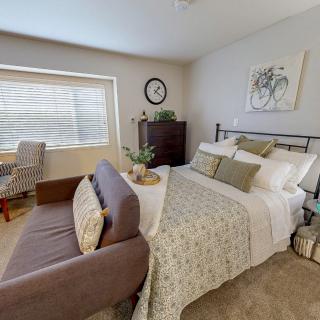
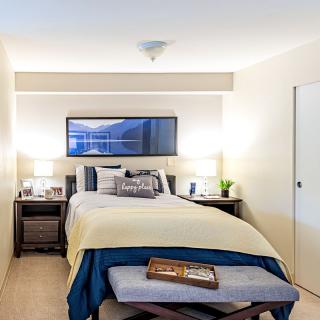
- The rooms are nice and spacious, and she enjoys spending time there watching TV or reading.
- They are happy with the home and staff and couldn’t be happier with the care provided.
- Communication is excellent, and they feel this is the best place for their mom.
Cons
 They wish there were younger, more active residents there, believing she would benefit from more socialization.
- They wish the food were better.
Review
A Sand Point Senior Care is best suited for families seeking a safe, reassuringly staffed environment in a calm, home-like setting, where proximity to loved ones and straightforward care routines matter most. The community excels at providing a safer environment and responsive, attentive staff who make a point of accommodating individual needs. Rooms are notably spacious, supporting resident comfort and a sense of personal space, and residents often spend time comfortably reading or watching television in their private areas. This is a place that rewards clear communication and dependable oversight, making it well aligned with families who want reliable daily support without a high-traffic, highly active social scene.
Those considering alternatives should note that this community may not be the best fit for seniors who prize a bustling, younger peer group and a calendar full of vigorous activities. Reviewers wish for more socialization opportunities and a younger, more active resident mix to complement quieter days. Meal quality is another stated priority for some families; while the dining experience is not described as a deal-breaker, it is identified as an area that could be improved. For families seeking robust, high-energy social programming or gourmet dining experiences, other options in the market may deliver a more dynamic atmosphere and dining lineup.
The strongest pro set, safe, well-run care combined with excellent communication, directly counters the main drawbacks. When concerns arise, staff are praised for their responsiveness and for maintaining ongoing dialogue with families, which minimizes uncertainty and reinforces trust. The ability to adapt care to changing needs is a notable plus, with reviewers indicating comfort that the facility can accommodate shifting levels of assistance. The result is a dependable home base where peace of mind outweighs the absence of a nonstop social milieu; for many families this balance is precisely what is needed in a continuum of care setting.
Location also works in favor, especially for families prioritizing ease of visitations and short commutes. One reviewer highlighted location as the decisive factor, underscoring how proximity to family can translate into more frequent checks, quicker responses to concerns, and less logistical stress. In practical terms, the community becomes a more viable long-term option when family members can easily engage in daily routines, participate in care planning, and observe progress without excessive travel burdens. This geographic convenience can amplify the advantages of the seasoned, supportive staff.
To address the social and culinary gaps, practical steps can help maximize satisfaction without moving to a different community. Initiating more structured opportunities for social interaction, whether through facilitated group activities, family-inclusive events, or informal meetups, can counterbalance the quieter environment. Regarding meals, families can request menu discussions or accommodations during care planning, encouraging kitchen staff to tailor options to personal preferences and dietary needs. The combination of proactive resident engagement and open lines of communication with the leadership team often yields measurable improvements in quality of daily life.
Bottom line: A Sand Point Senior Care emerges as a solid, pragmatic choice for seniors with moderate care needs who value safety, reliable staff support, and clear communication, all within a convenient Seattle location. It delivers peace of mind through attentive care and well-appointed private space, even as it falls short on social vibrancy and dining excitement. For families prioritizing proximity, dependable oversight, and a serene daily rhythm, this community represents a prudent, low-drama option. Those seeking a more socially active environment or a stronger emphasis on culinary variety should examine alternatives that lean into a livelier resident mix and more ambitious dining programs.
 Board and Care Home
 Memory Care
 Activities on-site
 Indoor common areas
 Outdoor common areas
 Private
 Private bathrooms
 Respite or short term stays offered
 Wheelchair accessible showers
 Seattle-Tacoma International (18 miles away)
 Diabetic care
 High acuity care
 Incontinence care
 Medication management
 Kosher
 Delving into the Inner World of Dementia: Insights into Thoughts and Awareness
 Five Subtle Dementia Indicators to Observe: An In-Depth Guide to Understanding “Does My Mom Have Dementia?”
 Dementia, Paranoia, and Caregiver Guidance: Understanding the Connection