

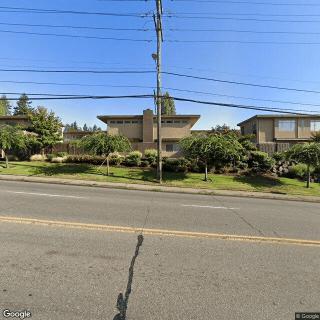
11320 Sand Point Way NE, Seattle, WA 98125
To contact a resident: (206) 363-0764
For more information about senior living options: (866) 208-4318
Elle's N AFH Costs & Pricing
At Elle's N AFH, the monthly costs for accommodations present a competitive advantage compared to both King County averages and the broader state of Washington. For a private room, residents are charged $3,700, significantly lower than King County's average of $5,034 and Washington's state average of $4,772. Similarly, the studio option at Elle's N AFH is priced at $3,700 as well, which again undercuts the county's average of $4,464 and the statewide figure of $4,126. This pricing strategy not only enhances affordability for potential residents but also underscores Elle's commitment to providing quality care without compromising on comfort or value.
| Floor plans | Elle's N AFH | King County | Washington |
|---|---|---|---|
| Private | $3,700 | $5,034 | $4,774 |
| Studio | $3,700 | $4,464 | $4,128 |
Memory care communities with a similar price nearby
-
from -$200 / mo
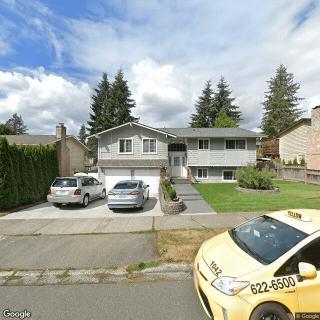
Dignity Life
$3,500 / month9.5 miles away -
from -$325 / mo
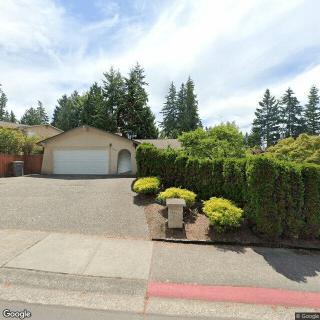
Evergreen Manor Senior Care Inc
$3,375 to $7,500 / month5.3 miles away -
from -$700 / mo
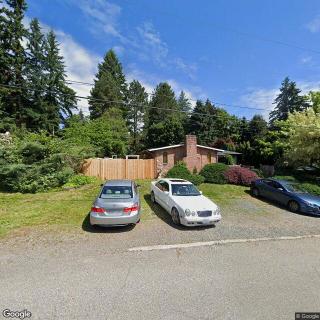
Caring Adult Family Home #1
$3,000 / month5.3 miles away -
from +$300 / mo

Riverton Home Care
$4,000 to $5,000 / month16.2 miles away -
from -$700 / mo
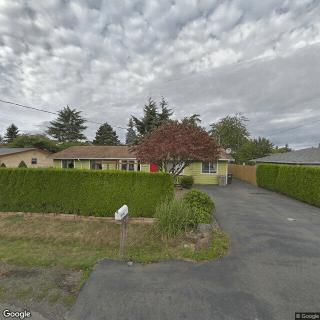
Home Care in Kent Inc.
$3,000 to $3,500 / month22.6 miles away
Overall Review of Elle's N AFH
Pros
 The facility is fine and the caregivers are good.
- The environment is comfortable and homey, with warmth from Elle, Abi, and Luciana.
- The home sits above Lake Washington with a view from the second floor.
- There is a lake-side deck that is pleasant on warm days.
- The home is very clean and feels peaceful.
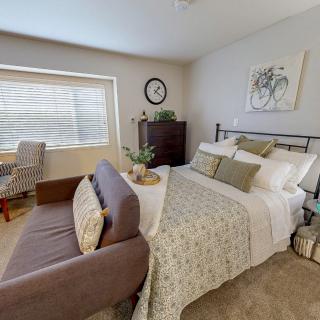
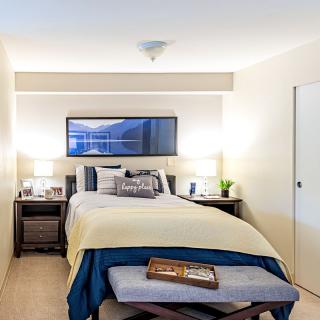
- Each resident has her own bedroom.
- Meals are homemade from scratch, and Elle accommodates special menu requests.
- The staff is attentive to residents' needs.
- Elle is knowledgeable and conscientious about caring for this population.
- The reviewer felt lucky to have found this home for her mother.
- It is a nice place.
Cons
 The reviewers did not expect that emotions of loss and mourning would be mixed with feelings of betrayal.
- Some adult family homes transfer patients to die at hospitals to avoid the extra hassle and paperwork.
- The fees were outrageous.
- They were assured that he could end his life in a home-like setting, but felt betrayed by that promise.
Review
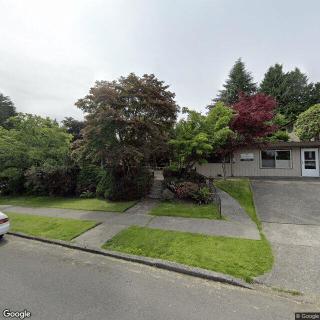
Elle’s N AFH in Seattle is best suited for families seeking a genuine home-like setting where an elder can live with personal attention, dignified pace, and flexibility around meals and daily routines. The residence sits in the Matthews Beach area, perched above Lake Washington, with a peaceful second-floor view and a lake-side deck that feels like a real home rather than a medical facility. Residents have private bedrooms, and meals are homemade with room for menu adjustments. Daily life centers on relaxed activities, watching TV, reading, knitting, and small group moments, delivered by caregivers who are described as warm, attentive, and conscientious. For families prioritizing intimate, individualized caregiving over institutional formality, Elle’s delivers a compelling, if imperfect, fit.
Alternatives should be considered by those who require strong, hospital-level medical oversight, more formal hospice coordination, or a larger social ecosystem. The small, home-like scale is excellent for comfort, but it comes with trade-offs: limited access to round-the-clock skilled nursing, fewer on-site medical resources, and a structure that may not satisfy families seeking highly predictable, facility-wide protocols. Fee clarity is another practical concern; one reviewer flagged the costs as steep and opaque, which can create financial stress if budgeting relies on transparent, itemized billing. For seniors with significant memory care needs, complex medical requirements, or well-defined end-of-life planning expectations, exploring options with clearer medical and financial frameworks is prudent.
The strongest positives of Elle’s, its warmth, privacy, and personal touch, meaningfully offset some inherent limitations. The home environment reduces the clinical feel that many fear, and staff responsiveness plus a willingness to honor special dietary requests can greatly improve daily satisfaction and comfort. Cleanliness and quiet surroundings further support a sense of security and routine that families often value when a loved one transitions from independent living to a more supported setting. The location’s scenic appeal and the impression of thoughtful, individualized care provide emotional assurance that the elder will be treated with respect and familiarity, which matters deeply in long-term decisions.
Yet the serious caveats cannot be ignored. The intimate scale means fewer layers of formal medical oversight, which can become consequential during health events or end-of-life situations. A palliative moment that escalated to an EMS call, where responders noted no emergent condition but the family later questioned the path chosen, highlights a critical tension: in a small AFH, the speed and nature of medical transfers are decisions made within a home setting, not in a hospital corridor. This kind of experience forces families to weigh the comfort of staying in a home-like environment against the potential for decisions that feel misaligned with patient or family wishes. The absence of broad, transparent hospice coordination processes is also a meaningful red flag for those who want guaranteed medical alignment with end-of-life goals.
Practically, assessing Elle’s requires a targeted checklist. Inquire how hospice and palliative care are integrated day-to-day, who holds decision-making authority in medical crises, and what triggers hospital transfers versus staying on-site. Obtain a clear, line-by-line understanding of what is included in the monthly fee, what ancillary services cost extra, and how deposits or refunds are handled. Request a complete staffing plan: caregiver-to-resident ratios, on-call availability, and the credentials of the supervising clinician. Visit at different times to observe how meals are prepared, how residents participate in activities, and how staff respond to individual needs. These questions will reveal whether the home’s strengths align with the elder’s medical reality and the family’s expectations.
Ultimately, this community thrives for families prioritizing a homey, respectful atmosphere where a resident enjoys private space, predictable routines, and attentive, personalized care. It is less compelling for those who require constant medical monitoring, granular fee transparency, or sophisticated end-of-life coordination within a larger institution. The right fit hinges on balancing the value of intimate, compassionate caregiving against the potential discomfort of navigating medical decisions within a small, non-hospital setting. For families who place dignity, autonomy, and familiarity at the top of the list, and who are comfortable engaging actively in care planning, Elle’s N AFH can be a meaningful, peaceful choice. For others, exploring a larger assisted living with explicit medical services and clearer financial terms may prove more reliable and less stressful in the long run.
 Board and Care Home
 Memory Care
 Activities on-site
 Bath tubs
 Beautician on-site
 Devotional services off-site
 Indoor common areas
 Outdoor common areas
 Private
 Respite or short term stays offered
 Wheelchair accessible showers
 Seattle-Tacoma International (18 miles away)
 Ambulatory care
 Diabetic care
 High acuity care
 Incontinence care
 Medication management
 Kosher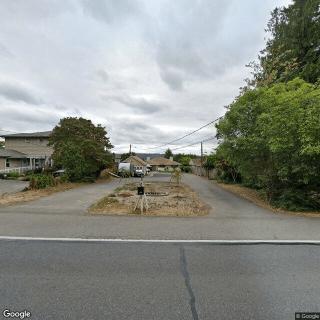




 A Holistic Dementia Care Guide: Effective Strategies for Memory Support
 Memory Care Pathways: A Holistic Guide to Dementia Support
 Comprehending Evening Confusion in Dementia: Causes, Manifestations, and Support