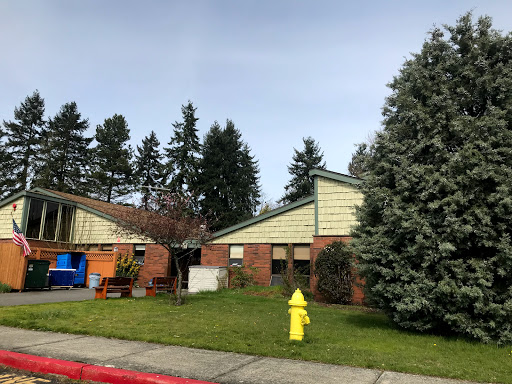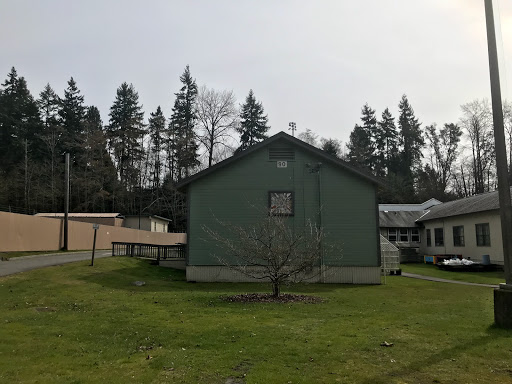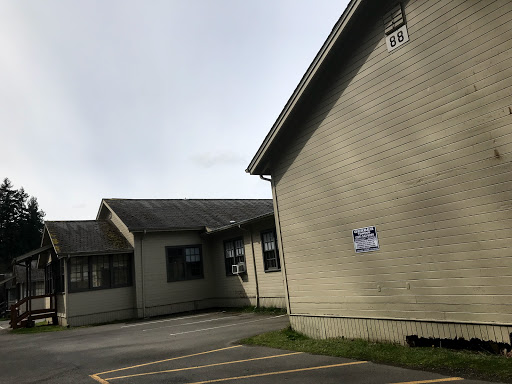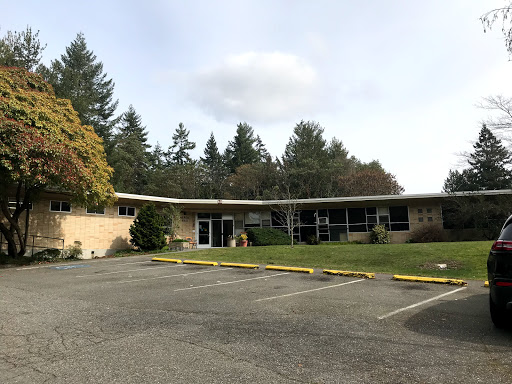

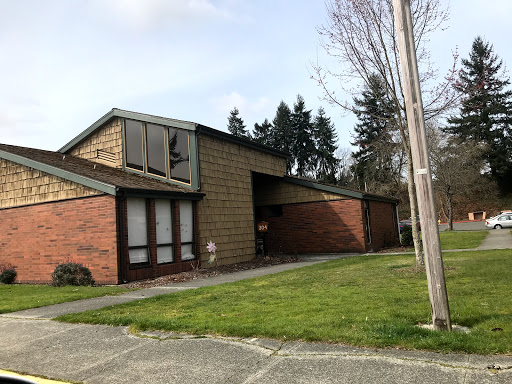
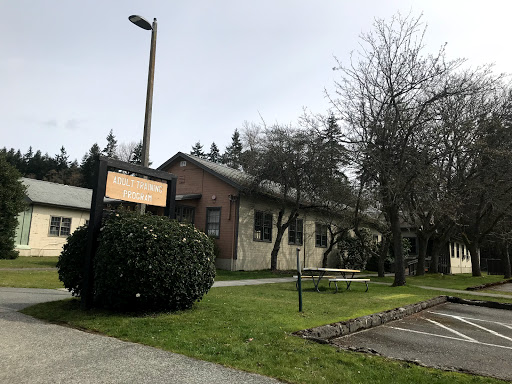



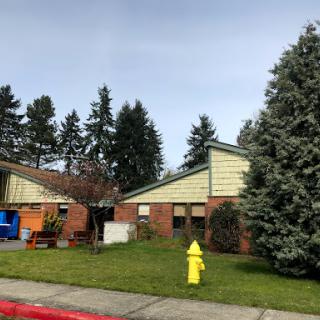


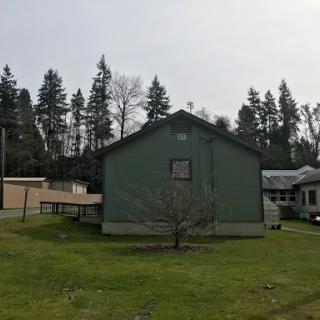

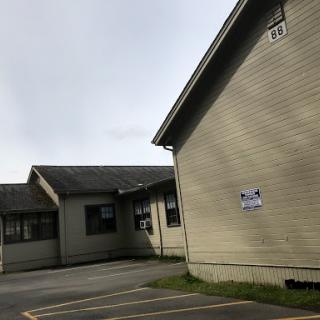
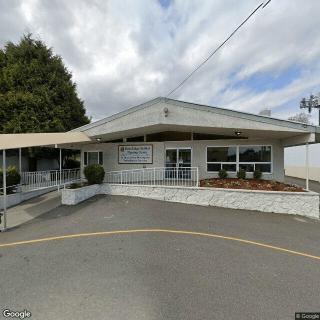
15230-15Th Northeast, Seattle, WA 98155
For more information about senior living options: (866) 208-4318
Overall Review of Fircrest School
Pros
 The facility is described as a home for developmentally disabled adults and a place for many people to work.
- It is a very much needed facility that serves the community.
- It is a place for persons with intellectual disability where caring and active treatment are regarded as the best.
Cons
 Shardae’ is described as disrespectful and not helpful in the medical field.
- Shardae’ is said to disregard confidentiality and speak in a degrading manner.
- Shardae’ should be reevaluated as an employee for the line of work she is in.
- It is suggested that this may not be her first negative reaction toward peers in the community.
- The reviewer implies that hiring Shardae’ could explain why other reviews about the establishment aren’t as favorable.
Review
Fircrest School in Seattle is best suited for adults with intellectual or developmental disabilities who need structured, around-the-clock support and active therapeutic programming. The campus operates as a long-standing, purpose-built environment where residents participate in ongoing treatment goals, daily routines, and supervised social activities. It is geared toward individuals who benefit from consistent staffing, predictable schedules, and care coordination that targets skill-building. For families seeking stability and a place able to accommodate complex needs under professional supervision, Fircrest represents a practical, dependable option. It is also a sizable workplace hub for caregivers, reinforcing a culture of accountability, continuity, and service.
However, this is not a fit for everyone. Families prioritizing flawless confidentiality and uniformly respectful interactions across all staff may want to scrutinize Fircrest more closely. A single report of disrespectful behavior by a staff member underscores potential vulnerabilities in training, supervision, and accountability. The specter of staff-communication gaps or boundary breaches is not trivial; it should prompt direct questions about how staff are selected, trained, and monitored, and what remedies exist when concerns arise. Additionally, the facility’s exposure to closure threats and funding instability can create anxiety about long-term continuity, making alternatives with stronger financial assurances worth considering.
On the positive side, the strongest pros revolve around care built for adults with developmental disabilities: a setting designed around active treatment and meaningful engagement. Reviewers describe Fircrest as a home for many, with genuine appreciation for how the program supports growth, development, and social participation. The environment is consistently described as caring, with staff who are present for residents’ daily needs and progress. The facility's role as an essential community resource is repeatedly emphasized; it is seen not simply as housing but as a live-in program that aims to improve independence and quality of life. This combination, structure, purpose, and a genuine sense of community, gives Fircrest enduring value.
Yet the cons warrant clear attention. The most salient concern is a report of a staff member who violated confidentiality and displayed unprofessional behavior. Incidents like that threaten trust and can erode a resident’s sense of safety. How leadership addresses the issue, transparency, timely corrective action, and reinforced training, will signal whether the facility maintains a safe, respectful culture. In addition, the looming possibility of closure or service interruption figures into planning for families seeking long-term placement, adding a layer of uncertainty that few want to navigate. The offset comes from a durable program with a track record of delivering results and from the likelihood of a relatively stable, dedicated workforce aligned with residents’ progress.
To evaluate effectively, families should pursue concrete information. Ask about privacy training, the exact processes for reporting concerns, and how corrective actions are implemented. Seek data on resident outcomes, engagement levels, and the availability of therapeutic activities that match the resident’s goals. Schedule opportunities to observe interactions, speak with other families, and assess the overall climate, whether it feels respectful and attentive. Compare Fircrest with alternatives such as smaller group homes, private assisted living, or other providers with different care models to determine alignment with independence level, desired pace of progress, and tolerance for potential program disruption.
Overall, Fircrest stands out as a practical, mission-driven option for adults with intellectual disabilities who require structured support and active treatment, and for families prioritizing stability and a strong community connection. The decision rests on tolerance for occasional staff conduct concerns and the facility’s vulnerability to funding shifts. If impeccable confidentiality and universal staff professionalism are non-negotiable, alternatives deserve serious consideration. If the aim is sustained programming, safety, and a setting with deep community roots, Fircrest offers a credible path forward, provided due diligence is conducted and ongoing quality oversight remains robust.
 92 resident community capacity
 Skilled Nursing Facility
 Air-conditioning
 Beauty salon
 Cable or satellite TV
 Computer center
 Dining room
 Fitness room
 Fully furnished
 Gaming room
 Garden
 Housekeeping services
 Kitchenette
 Move-in coordination
 Outdoor space
 Private bathrooms
 Restaurant-style dining
 Small library
 Telephone
 Wellness center
 Wi-Fi/high-speed internet available
 Seattle-Tacoma International (20 miles away)
 Community operated transportation
 12-16 hour nursing
 24-hour call system
 Activities of daily living assistance
 Assistance with bathing
 Assistance with dressing
 Assistance with transfers
 Diabetes diet
 Medication management
 Mental wellness program
 Special dietary restrictions
 Concierge services
 Planned day trips





 Supportive Employee Benefits That Help Caregivers Attain Better Work-Life Harmony
 Top Cars for Senior Drivers and Essential Safety Innovations
 A Closer Look at Private Pay Home Care