
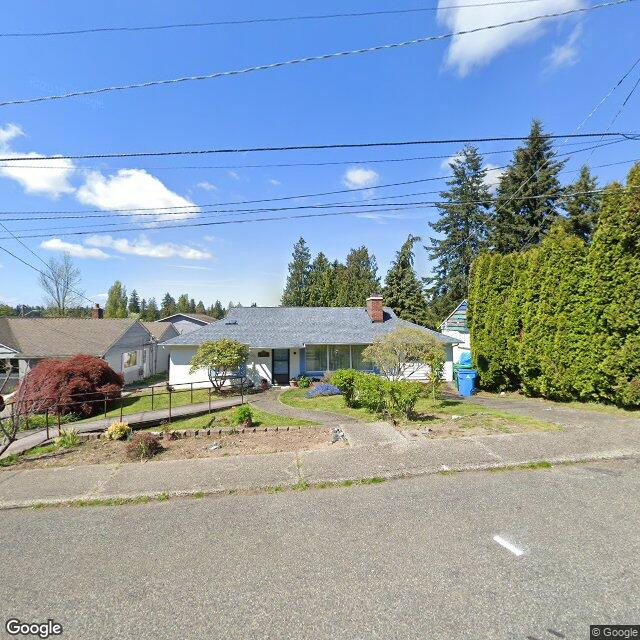
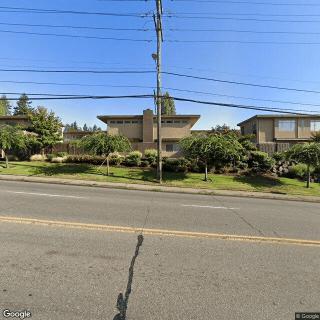
14711 22nd Ave. NE, Shoreline, WA 98155
To contact a resident: (206) 364-8463
For more information about senior living options: (866) 208-4318
Overall Review of O’Callaghan House
Pros
 Residents at Aegis Callahan are very happy and well cared for.
- The staff know residents well and interact with them in a caring, attentive way.
- There are many activities to keep residents engaged and active.
- The nursing staff are great, have been there for a while, and keep families informed about residents’ care.
- Memory care at Aegis is competitively priced and considered worth the cost.
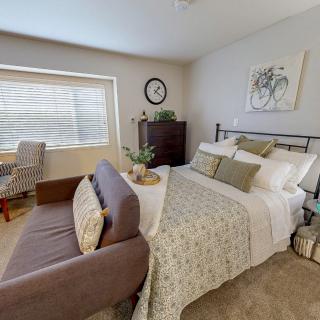
- The rooms and the facility are clean.
- Activities are central to residents’ lives, with engagement in exercise, arts and crafts, and live concerts.
- Staff consistently include residents in activities.
- The atmosphere is cozy, quiet, family-like, and professional.
- The community is lovely, with excellent staff and care.
Cons
 They note that memory care is expensive, though within the range of local options.
- They feel the food could offer more choices.
- They describe the pandemic as having put stresses on the medical system and assisted living.
- They describe the care over the last four years as a bumpy ride at best.
Review
O’Callaghan House is best suited for families seeking a memory-care focused environment that feels intimate, calm, and deeply resident-centered. The community thrives when a loved one needs consistent, knowledgeable dementia care delivered by a stable, long-tenured staff. It excels for households that want thorough social engagement, individualized interaction, and a home-like atmosphere where caregivers know residents well and can anticipate needs. Those who prize structured routines, meaningful activities, and opportunities to remain socially connected will find the strongest value here. However, this is not the right fit for every situation: for someone who does not require memory care, wants a more bustling campus, or operates under tighter budget constraints, alternatives should be explored.
The strongest positives revolve around staffing and daily life. Reviews repeatedly highlight staff who know residents personally, communicate clearly with families, and coordinate across nursing, care, activities, and administration. A dedicated memory-care team fosters continuity of care, which reduces the stress of transitions and builds trust for families. The environment is consistently described as safe, clean, and well-maintained, with a quiet, family-like ambiance that supports frail or memory-impaired residents who may be overwhelmed in louder, busier settings. That consistency matters as dementia progresses, because familiar faces and predictable routines translate into real peace of mind for caregivers at home.
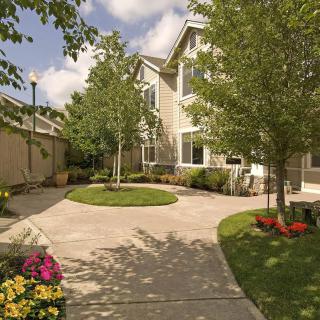
Programming stands out as a central strength. The memory-care unit emphasizes an array of activities designed to engage residents, exercise classes, arts and crafts, live performances, and regular outings, delivered by staff who tailor participation to each person’s abilities. The presence of art and music therapists, in particular, enhances stimulation in meaningful ways, often triggering moments of engagement and joy. The setting also supports meaningful sensory comfort, two fireplaces, garden spaces, and simple social rituals like walking clubs or park visits, that help residents feel connected to a routine, not isolated from life. Even families who live far away can feel reassured by staff who invite participation and maintain open channels of communication.
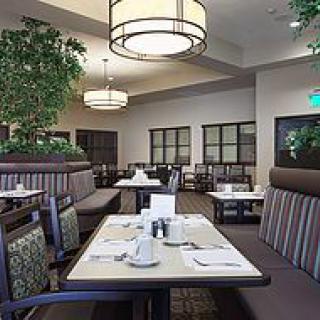
Cost is the principal practical drawback to weigh. Memory care at this level tends to sit at the higher end of the local market, and several reviews note that while the price is within the range for comparable facilities, it remains a consideration for budgeting families. The upside is that the price reflects a focused, high-quality memory-care experience: stable staff, specialized programming, and a cohesive living environment that prioritizes dignity and consistent routines. A secondary note centers on dining variety, with one reviewer suggesting more menu options. That single critique, while not universal, is a legitimate factor for families who want meals that offer broader choices as memory care progresses.
These strengths offset the cons in a practical, value-driven way. The depth of staff familiarity and the cohesive care team translates into less family stress, better monitoring of cognitive and physical changes, and more timely responses to needs. The memory-care focus means residents are not squeezed into a generic assisted-living layout; instead, they inhabit a quieter, purpose-built space that minimizes confusion and agitation. The robust activities program and the chance to participate in therapeutic sessions and gentle outings offer tangible quality-of-life gains that most families value over minor hits to dining variety or cost sensitivity.
For families weighing next steps, the path is clear: prioritize a tour during a typical activity hour, observe how staff interact with residents who require high levels of redirection or cues, and speak with multiple staff members about care plans, safety protocols, and how transitions to higher levels of care would be handled if needs change. Consider the non-monetary returns, consistent, compassionate care; a familiar, home-like routine; and a social calendar that keeps dementia patients engaged, against the price tag. If the loved one benefits from a memory-care-centric setting and a close-knit staff network, O’Callaghan House represents a strong, well-supported choice.
In sum, O’Callaghan House stands as a principled option for dementia-focused care where the emphasis is on human connection, purposeful activity, and a serene living environment. It earns its keep through staff reliability, resident engagement, and a quiet, dignified daily rhythm that makes difficult transitions feel manageable. Alternatives make sense for families seeking less specialized care, a livelier campus atmosphere, or lower costs; yet for those whose priority is high-quality memory-care with attentive, long-tenured caregivers and a strong social program, this community offers compelling, practical value grounded in real-world outcomes.
 Board and Care Home
 Memory Care
 Seattle-Tacoma International (20 miles away)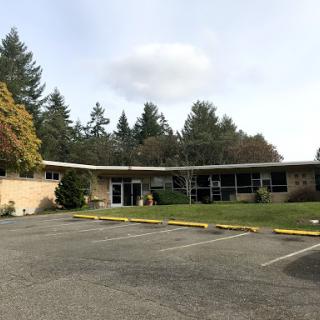


 How to Communicate with a Loved One Living with Dementia: 10 Supportive Strategies
 Comprehensive Guide to VA Nursing Homes: A Crucial Long-Term Care Resource for Veterans
 Estimating the Expenses of At-Home Dementia Care: A Detailed Exploration