For more information about senior living options: (866) 208-4318
3.8 from 62 reviews
5 stars
38
4 stars
5
3 stars
2
2 stars
4
1 stars
13
Overall Review of St. Francis Of Bellingham
differentiator4 reviews mention this
Food is a frequent highlight
Dining and the kitchen’s food quality stand out in residents’ and families’ reviews.
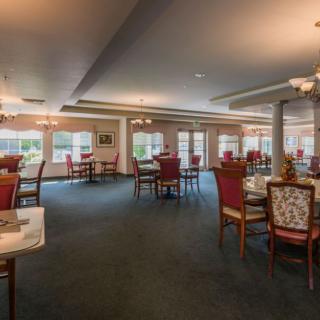
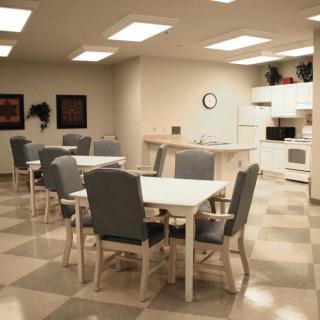
Several reviews mention that the meals were enjoyable or worth looking forward to, with one person calling the food delicious and well-balanced. Families also describe restaurant-style dining through a dining room where residents can gather to eat. There are a few softer comments about food not being as strong, but even those reviews connect it more to expectations for rehab than to the overall experience.
common4 reviews mention this
Care team communication feels personal
Families describe proactive communication and structured care coordination during stays.
Reviewers often emphasize being kept in the loop as care changes, including updates and calls tied to what’s happening with a loved one. Multiple families also mention care conferences that bring the team together around shared goals, with residents and families having a voice. Admissions and discharge are described as guided step-by-step, which many reviewers connect to feeling reassured during a difficult transition.
caveat4 reviews mention this
Rooms can feel crowded
Some reviews say the facility can feel crowded, with residents sharing space.
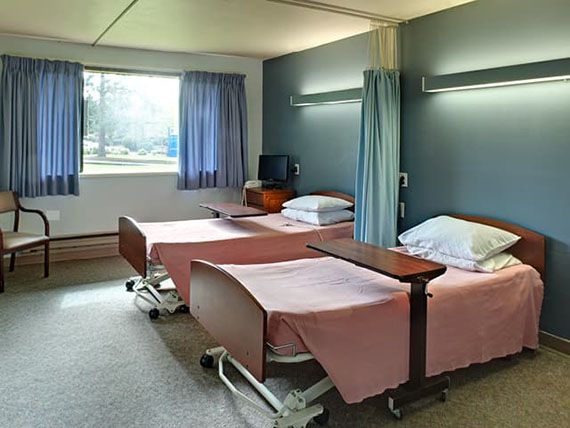
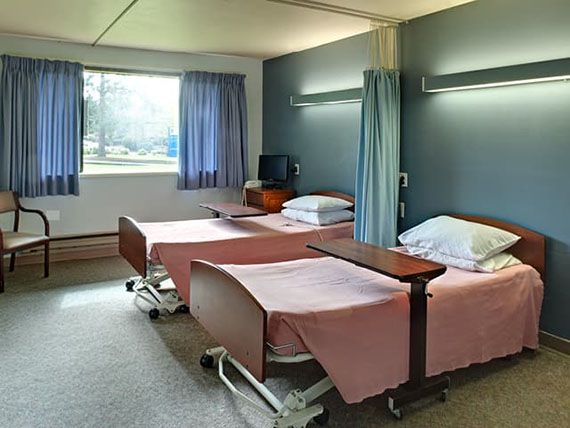
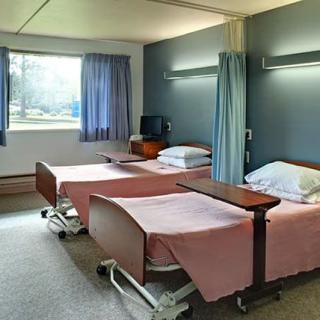
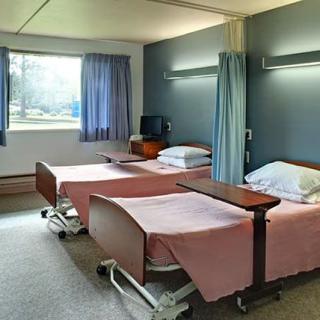
While at least a couple of reviews say a private room was available and important to them, other residents and families describe two people to a room and overall crowding. Several also point to noise and a busy hallway environment that made it harder to rest. One reviewer also suggests the dining and common areas can feel overfull during peak times.
caveat3 reviews mention this
Cleanliness and odor concerns appear
A recurring downside in reviews involves cleanliness and unpleasant odors.
Some reviews describe the facility as dirty or with a strong odor that worsened in certain areas. Others mention urine smell as a drawback, even when the rest of the stay went well. There are also more severe unsanitary concerns in a minority of reviews, raising reliability questions about basic upkeep.
How we summarize
Counts show how many written reviews mention each theme; a review can touch several themes, and only frequently mentioned themes are displayed.
Features
Housing
120 resident community capacity
Types of Care
Skilled Nursing Facility
Amenities
Air-conditioning
Beauty salon
Cable or satellite TV
Computer center
Dining room
Fitness room
Fully furnished
Gaming room
Garden
Housekeeping services
Kitchenette
Move-in coordination
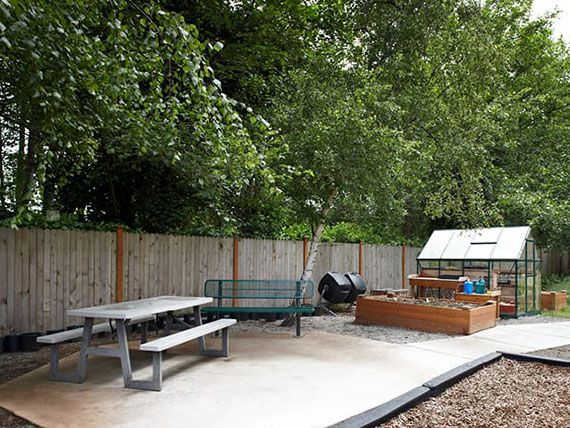
Outdoor space
Private bathrooms
Restaurant-style dining
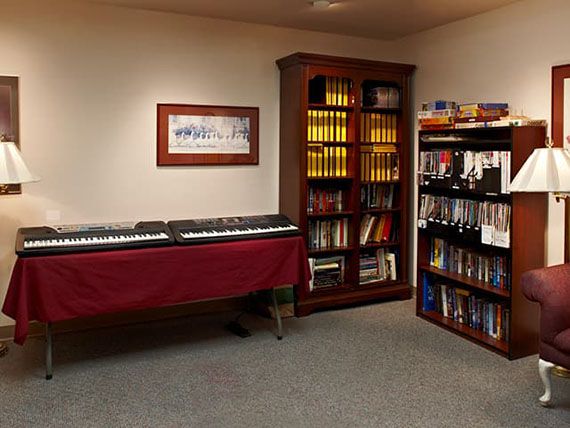
Small library
Telephone
Wellness center
Wi-Fi/high-speed internet available
Transportation
Bellingham International (3 miles away)
Community operated transportation
Transportation arrangement
Transportation arrangement (non-medical)
Transportation to doctors appointments
Care Services
12-16 hour nursing
24-hour call system
24-hour supervision
Activities of daily living assistance
Assistance with bathing
Assistance with dressing
Assistance with transfers
Diabetes diet
Meal preparation and service
Medication management
Mental wellness program
Special dietary restrictions
Transportation to doctors appointments
Dining
Diabetes diet
Special dietary restrictions
Activities
Community-sponsored activities
Concierge services
Fitness programs
Planned day trips
Resident-run activities
Scheduled daily activities
Nearby Places of Interest
Hospitals
St Joseph Cancer Center (0.1 miles)
Bellingham Surgery Center (0.2 miles)
PeaceHealth St. Joseph Medical Center (0.2 miles)
Peacehealth St Joseph Child Birth Center (0.2 miles)
Mount Baker Kidney Center (0.5 miles)
Mount Baker Imaging (0.6 miles)
Physicians
Dr Lisa A Kaepernick, MD (0.1 miles)
Bellingham OB/GYN (0.1 miles)
Wakefield, William Dr - Peacehealth Medical Group (0.1 miles)
Bellingham Medical Office Plaza Condo Association (0.1 miles)
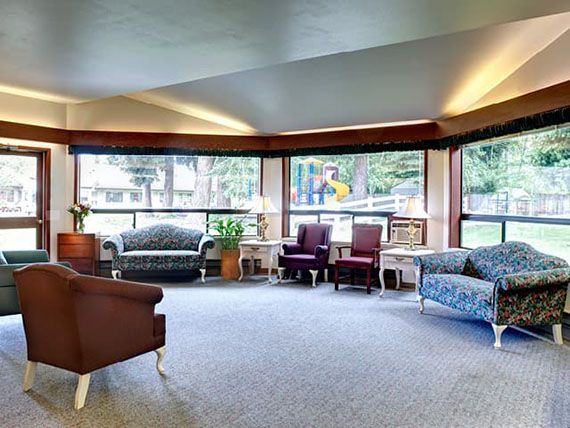
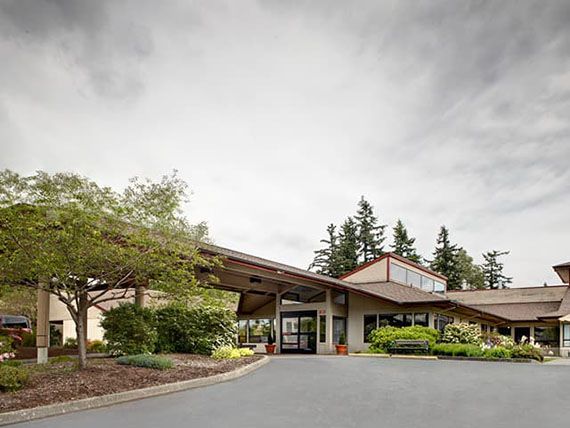
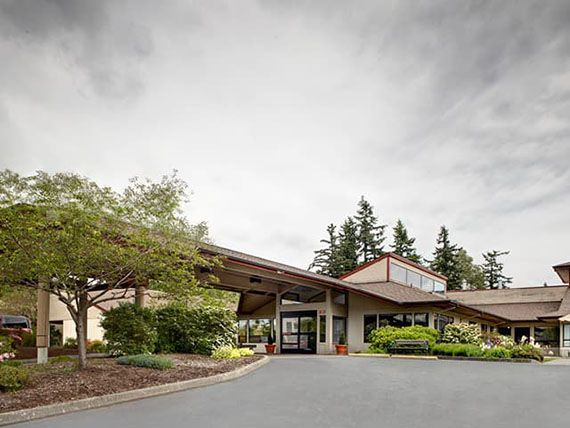
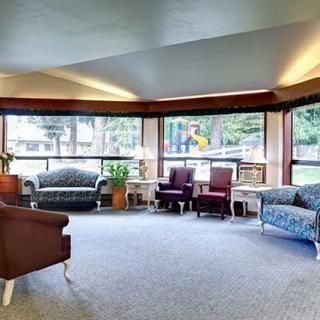
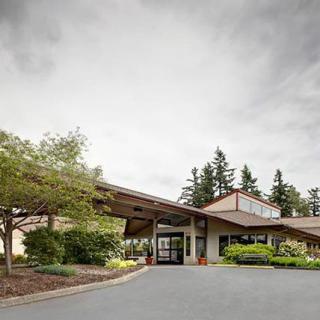
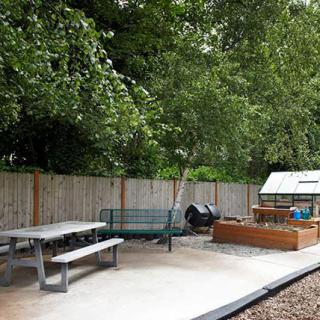
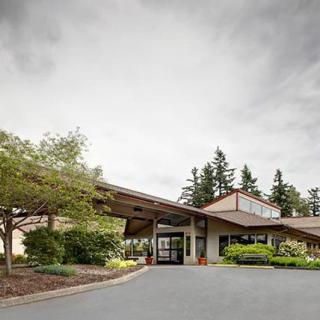
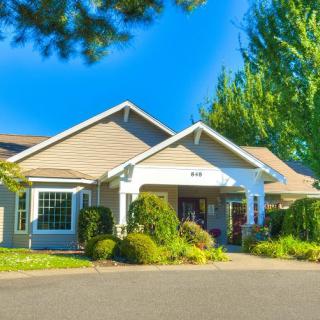
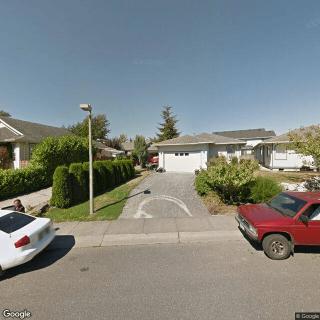
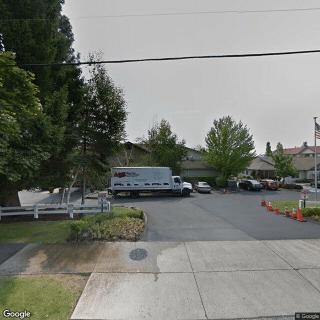
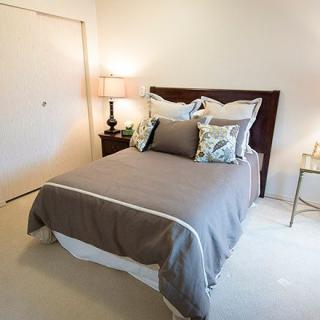
St. Francis Of Bellingham on seniors.fyi includes 7 photos including images showing interior, trees, windows, healthcare, building, entrance, landscaping, living room, and more.
Nearby Communities
The Willows Bellingham
Bellingham, WA
5 from 54 reviews
$3,050 to $6,100 / month
Strong sense of community with attentive staff and high-quality amenities.
Woodrose Senior Affordable Apartments
Bellingham, WA
4.8 from 117 reviews
Well-maintained facilities and friendly staff with engaging resident activities.
WoodRose
Bellingham, WA
4.9 from 101 reviews
$655 to $880 / month
Friendly, helpful staff in a clean, well-maintained community with a variety of activities.
Orchard Park Assisted Living Bellingham
Bellingham, WA
4.5 from 20 reviews
$2,900 to $4,650 / month
Supportive staff in a welcoming, amenity-filled community.
The Bellingham At Orchard
Bellingham, WA
4 from 59 reviews
$2,400 to $8,290 / month
Compassionate, attentive staff; engaging SPARK program and personalized care; clean, home-like environment with garden and resident pets.
California's Form 602A is a vital tool for evaluating the health needs of seniors seeking residential care, detailing their medical conditions and daily living requirements to ensure proper service alignment. This standardized form enhances communication among physicians, families, and facilities, serving as a regulatory measure for admissions and ongoing care while adapting to changing healthcare practices.
The overview of blood pressure management for seniors emphasizes the importance of monitoring and interpreting blood pressure readings, noting that normal ranges can vary due to age-related factors and individual health conditions. It highlights tailored guidelines for systolic and diastolic levels, the necessity of early detection and consistent management to prevent serious health complications, and advocates for personalized care strategies that incorporate lifestyle changes and medication adherence.
Dogs can greatly improve the lives of older adults by offering emotional support and encouraging physical activity, with factors such as size, temperament, and grooming needs being crucial in selecting a suitable breed. Senior dogs often make ideal companions for this demographic, promoting social connections and requiring care routines that align with seniors' capabilities.
Get PricingAsk A QuestionSchedule A TourContact Senior Advisor
By clicking submit, you agree to our Partner's Terms of Use. You
also consent to receive calls and texts, which may be autodialed, from our Partner. Your consent is not a condition to
using our Partner's service. Please visit our Partner's Privacy Policy for information about their privacy practices.

 120 resident community capacity
 Skilled Nursing Facility
 Air-conditioning
 Beauty salon
 Cable or satellite TV
 Computer center
 Dining room
 Fitness room
 Fully furnished
 Gaming room
 Garden
 Housekeeping services
 Kitchenette
 Move-in coordination
 Outdoor space
 Private bathrooms
 Restaurant-style dining
 Small library
 Telephone
 Wellness center
 Wi-Fi/high-speed internet available
 Bellingham International (3 miles away)
 Community operated transportation
 12-16 hour nursing
 24-hour call system
 Activities of daily living assistance
 Assistance with bathing
 Assistance with dressing
 Assistance with transfers
 Diabetes diet
 Medication management
 Mental wellness program
 Special dietary restrictions
 Concierge services
 Planned day trips
 Strong sense of community with attentive staff and high-quality amenities.
 California's Form 602A: An In-Depth Examination of Senior Care Assessment
 Comprehensive Look at Senior Blood Pressure Charts: Normal and Elevated Levels by Age
 Top Canine Companions for Older Adults