
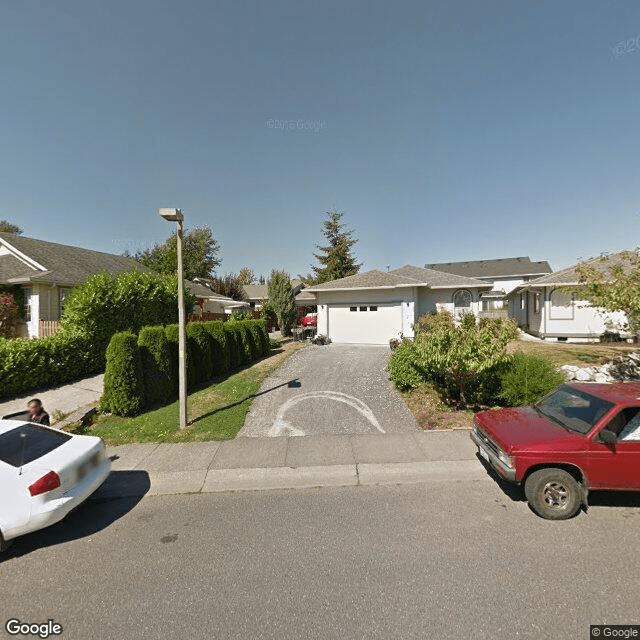
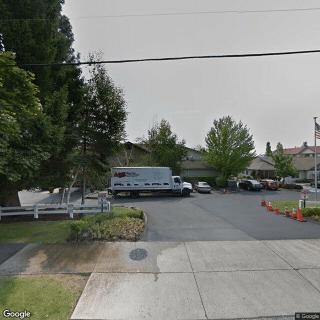
1607 Valhalla Ln, Bellingham, WA 98226
To contact a resident: (360) 715-1320
For more information about senior living options: (866) 208-4318
Overall Review of Lydia AFH
Pros
 Lydia Place is an amazing organization with a big heart.
- The organization helps women find housing.
- Lydia Place is a great place.
- Lydia Place can be amazing and helpful.
- Lydia Place is great to work with as a corporate partner.
- Supporters are proud to support Lydia Place.
Cons
 The reviewer claims the program is the reason they have lived next to fentanyl smokers for years.
- The reviewer contends that Lydia House has kept several families housed despite the dangers posed to neighbors.
- The reviewer notes a neighbor was outside in underwear during a cold snap, illustrating the negative impact of the housing situation.
- The reviewer laments that many families do not get their lives together and often relapse after sobriety.
- The reviewer states that what they've heard and seen has been dark.
- The reviewer argues that the nonprofit is not actually helping but enabling addiction.
- The reviewer is irritated that Lydia's after-hours number does not provide direct contact and that police could not access the new apartments to assist a sister who was locked out.
Review
Lydia AFH in Bellingham is best suited for families and individuals who want a transitional housing pathway anchored in a nonprofit mission, with a clear emphasis on helping women move into structured housing and connected services. It works best for households that value active placement support, case management, and a network aimed at stabilizing living situations rather than merely providing a place to stay. The program appeals to those who prefer a programmatic approach to housing, where residents are guided toward a defined housing outcome rather than left to navigate on their own.
This is not a one-size-fits-all setting. Prospective residents or families should scrutinize neighborhood realities and safety dynamics, because some reviews highlight tensions with neighboring properties and concerns about drug-related activity in the surrounding area. After-hours access and responsiveness emerge as practical, concrete needs for anyone balancing emergency calls with daily life. In short, the environment works well for those willing to tolerate some disruption and prioritizes mission-driven housing outcomes over a uniformly quiet, private household experience.
The strongest advantages lie in mission alignment and real housing placement potential. The program is repeatedly praised as an organization with a big heart that can move women into housing or into a more structured living situation, rather than leaving them on the street. Partnerships and corporate collaborations underpin a framework that creates tangible pathways to stability. For families evaluating long-term impact, these elements translate into more than shelter: a route to ongoing supports, coordination with service providers, and a credible entry point into stable housing.
Yet the putative strengths are tempered by notable drawbacks. Reviews describe safety concerns for neighbors related to residents who struggle with substance use, with observers reporting troubling neighborhood disturbances. The after-hours communication gap is cited as a real friction point, no reliable direct contact during off-hours can leave families vulnerable when urgent issues arise. Some critics question whether the nonprofit model is effectively addressing root problems or inadvertently enabling harmful patterns, underscoring a tension between compassion and practical safety in a shared living environment.
For families who can tolerate the safety and access caveats, the pros still offer meaningful offset: a dedicated focus on moving women into housing, a robust support network, and proven capacity to connect residents with structured living options. The value lies in the organization’s reach and the promises it makes to residents, rather than in a pristine, danger-free setting. The question is whether those advantages align with the family’s risk tolerance, needs for immediate access to staff, and desire for a consistently secure, low-disruption environment.
The bottom line is pragmatic and decision-forward: Lydia AFH delivers purpose-driven impact and genuine caregiving ethos, but its real-world environment carries safety and accessibility caveats that must be weighed against the mission. For families prioritizing active housing placement, supportive services for women, and a nonprofit framework with a pathway to stability, this community can be a strong fit. For those who must have a consistently quiet, highly responsive, strictly supervised setting with seamless after-hours access and minimal neighborhood disruption, alternatives, private assisted living, other nonprofits with stricter controls, or different housing models, are worth pursuing. To move forward with confidence, arrange a thorough visit, probe staff coverage hours and after-hours protocols, request recent safety and incident reports, and speak with current residents about day-to-day realities.
 Board and Care Home
 Bellingham International (4 miles away)
 Diabetic care




 8 Essential Assistive Devices for Older Adults
 Navigating the Financial Road to Nursing Home Care: In-Depth Guidance and Resources
 Supportive Employee Benefits That Help Caregivers Attain Better Work-Life Harmony