For more information about senior living options: (866) 208-4318
4 from 59 reviews
5 stars
32
4 stars
14
3 stars
4
2 stars
1
1 stars
8
The Bellingham At Orchard Costs & Pricing
The Bellingham At Orchard offers a range of accommodation options with pricing that reflects both its quality and the local market dynamics. For private rooms, costs range from $2,400 to $3,100 per month, which is notably lower than the average monthly cost for private care in Whatcom County at $10,700 and Washington state's average of $4,772. This provides an attractive option for those seeking quality care without the premium price tag typically associated with similar facilities. The semi-private room rate of $5,485 sits slightly above county and state averages but may reflect additional amenities or services provided. In contrast, studio accommodations are priced at $8,290, significantly higher than both county ($3,604) and state ($4,126) averages. This suggests a focus on luxury or specialized services for residents preferring more spacious living arrangements. Overall, The Bellingham At Orchard positions itself competitively within the regional market while offering varied options tailored to different needs and budgets.
Floor plans
The Bellingham At Orchard
Whatcom County
Washington
Private
$2,400 to $3,100
$10,700
$4,774
Semi-Private
$5,485
$4,164
$4,272
Studio
$8,290
$3,604
$4,128
Memory care communities with a similar price nearby
Residents and families consistently describe staff who are friendly, supportive, and attentive.
Across many reviews, families describe caregivers and leaders who are warm, helpful, and attentive to residents’ needs. Several people mention staff being easy to reach with questions or concerns, and treating residents with respect. A number of reviews also point to how staff engage residents during visits and planned activities, with residents appearing comfortable and cared for.
differentiator13 reviews mention this
Activities and memory-focused programming
Reviews repeatedly highlight structured activities and memory-care programming that keeps residents engaged.
Many reviewers describe an active schedule with outings and multiple daily activity options, including music and themed programming. Several mention the community’s Alzheimer’s- and dementia-focused approach, with residents participating in activities that match their interests and abilities. Families also note staff engagement during visits, with residents spending time in common spaces or enjoying events and sensory features.
common9 reviews mention this
Food is often good, sometimes mixed
Dining receives frequent positive comments, though a few reviews say meals could improve.
Many reviewers say the meals are good and that residents are being fed well, including mentions of healthy options and good-quality food. Some families also describe snacks and food being available in a flexible way that helps residents who want food outside set times. A smaller set of reviews, however, call the food mediocre or less satisfying in taste, even while other aspects of care are praised.
caveat6 reviews mention this
Communication and response can lag
Some reviews describe issues with responsiveness, access to help, or day-to-day communication.
Several reviews mention problems reaching help or getting certain needs handled promptly, including concerns about showering availability or staff access at specific times. Others describe communication gaps between roles involved in resident care, or note that call-access and after-hours entry took time to fix. Even where improvements are mentioned, these reviews still point to moments when families felt their loved ones were not getting what they needed quickly enough.
caveat7 reviews mention this
Cost is repeatedly described as high
Cost is a recurring concern in reviews, with families saying the community is expensive.
Multiple reviewers explicitly describe the price as high or note that they wished it were more affordable. One family also contrasts the value they expected against what they felt was happening day to day. With pricing spanning the unit types shown, cost appears to be a key factor driving both overall evaluation and willingness to recommend.
How we summarize
Counts show how many written reviews mention each theme; a review can touch several themes, and only frequently mentioned themes are displayed.
Features
Housing
76 resident community capacity
Types of Care
Assisted Living
Memory Care
Pets
Cats allowed
Dogs allowed
Amenities
Activities off-site
Activities on-site
Air-conditioning
Beautician on-site
Beauty salon
Cable or satellite TV
Computer center
Devotional services off-site
Devotional services on-site
Dining room
Fitness room
Fully furnished
Gaming room
Garden
Garden view
Ground floor units
Handicap accessible
Housekeeping services
Indoor common areas
Kitchenette
Move-in coordination
Outdoor common areas
Outdoor space
Private bathrooms
Respite or short term stays offered
Restaurant-style dining
Small library
Telephone
Wellness center
Wheelchair accessible showers
Wi-Fi/high-speed internet available
Transportation
Bellingham International (3 miles away)
Community operated transportation
Transportation arrangement
Transportation arrangement (non-medical)
Transportation to doctors appointments
Care Services
12-16 hour nursing
24-hour call system
24-hour supervision
Activities of daily living assistance
Assistance with bathing
Assistance with dressing
Assistance with transfers
Coordination with health care providers
Dementia waiver
Diabetes diet
Diabetic care
High acuity care
Hospice waiver
Incontinence care
Meal preparation and service
Medication management
Mental wellness program
Mild cognitive impairment
Special dietary restrictions
Specialized memory care programming
Transportation arrangement (medical)
Transportation to doctors appointments
Dining
Anytime dining
Diabetes diet
Gluten-free
Guest meals
International cuisine
Low / no sodium
Meals provided
No Sugar
Professional chef
Restaurant style dining
Room service
Special dietary restrictions
Special dining programs
Vegetarian
Activities
Art classes
Bible study group
Catholic services
Community-sponsored activities
Concierge services
Cooking classes
Day trips and outings
Devotional activities offsite
Devotional activities on-site
Educational speakers / life long learning
Fitness programs
Karaoke
Live dance or theater performances
Live musical performances
Live well programs
Planned day trips
Resident-run activities
Scheduled daily activities
Nearby Places of Interest
This part of Bellingham, Washington, offers a convenient location with various healthcare options including physicians' offices and hospitals within close proximity. The area also boasts several pharmacies for easy access to medications. In terms of dining options, there are a variety of restaurants ranging from Mexican cuisine to fast food establishments nearby. Additionally, there are parks for outdoor recreational activities and cafes for socializing and enjoying a cup of coffee. The neighborhood also has transportation options available, making it easy to get around the area. Overall, this part of Bellingham provides a well-rounded community for seniors looking for a vibrant and accessible living environment.
Physicians
Rosario Skin Clinic (0.1 miles)
Fourth Corner Neurosurgical (0.2 miles)
Family Health Associates (0.2 miles)
Horizon Oral Surgery (0.2 miles)
Family Care Network (0.2 miles)
Inland Medical Evaluations (0.3 miles)
Bellingham Arthrts Rhmtlgy Center (0.3 miles)
Hospitals
Mount Baker Imaging (0.2 miles)
Mount Baker Kidney Center (0.4 miles)
Peacehealth St Joseph Child Birth Center (0.6 miles)
The Bellingham At Orchard offers a range of accommodation options with pricing that reflects both its quality and the local market dynamics. For private rooms, costs range from $2,400 to $3,100 per month, which is notably lower than the average monthly cost for private care in Whatcom County at $10,700 and Washington state's average of $4,772. This provides an attractive option for those seeking quality care without the premium price tag typically associated with similar facilities. The semi-private room rate of $5,485 sits slightly above county and state averages but may reflect additional amenities or services provided. In contrast, studio accommodations are priced at $8,290, significantly higher than both county ($3,604) and state ($4,126) averages. This suggests a focus on luxury or specialized services for residents preferring more spacious living arrangements. Overall, The Bellingham At Orchard positions itself competitively within the regional market while offering varied options tailored to different needs and budgets.
The Bellingham At Orchard offers comprehensive memory care services that address the diverse needs of residents with dementia or Alzheimer's disease, enhancing their quality of life and promoting safety. The provision of 24-hour supervision ensures constant support, allowing for timely assistance during moments of confusion or need. By facilitating activities of daily living--such as bathing, dressing, and transfers--staff help residents maintain dignity and comfort while encouraging independence as much as possible. Coordination with healthcare providers ensures medical needs are met promptly, while medication management reduces the risk of errors in vital treatments. The inclusion of specialized memory care programming and mental wellness initiatives caters to cognitive health, providing stimulating activities tailored to individual capabilities. Additionally, services like meal preparation and incontinence care further support personal well-being and hygiene. For residents with mild cognitive impairment or those needing more advanced care, these features create a nurturing environment that promotes both physical health and emotional stability, ultimately helping to enhance daily living experiences.
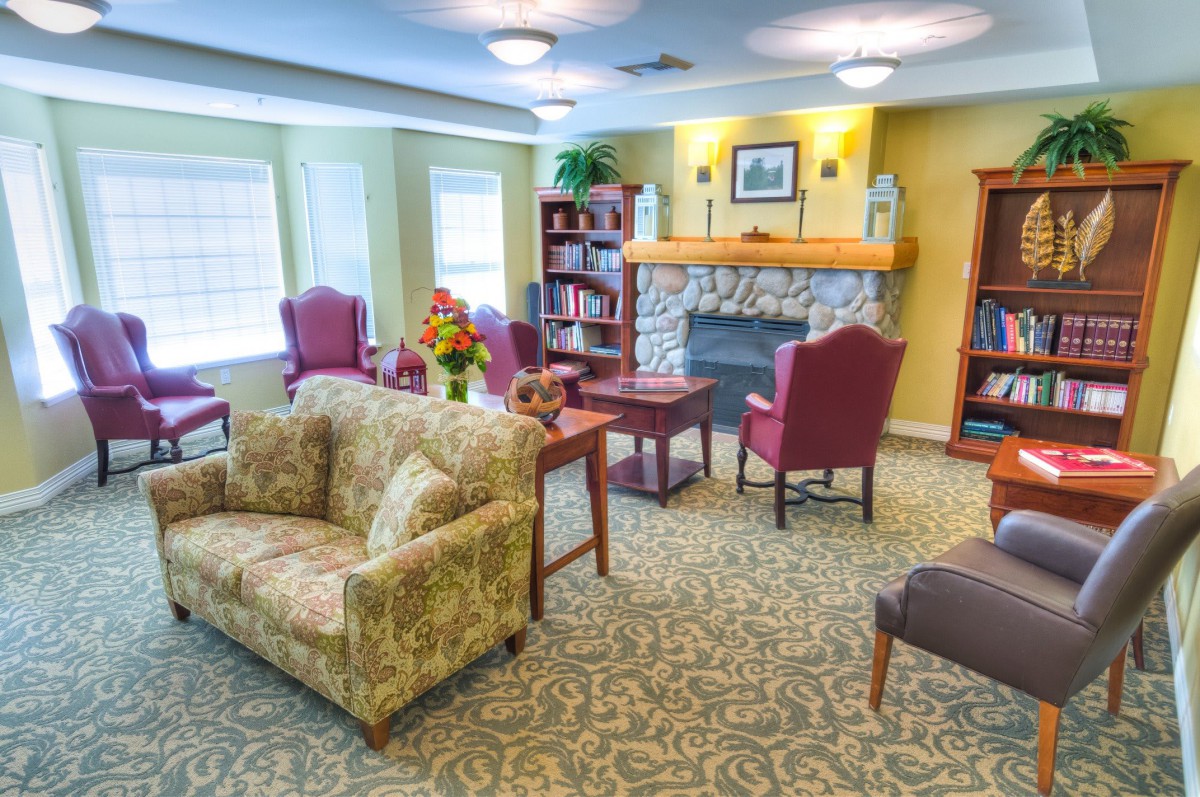
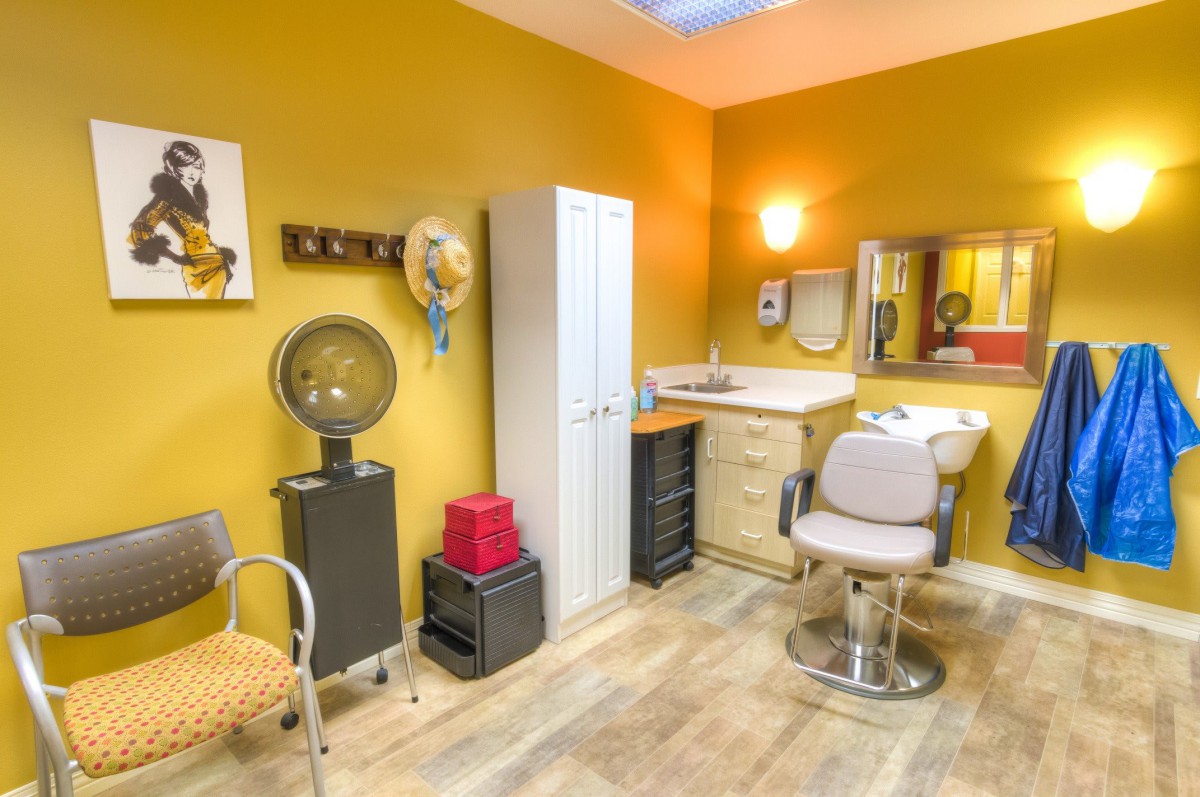
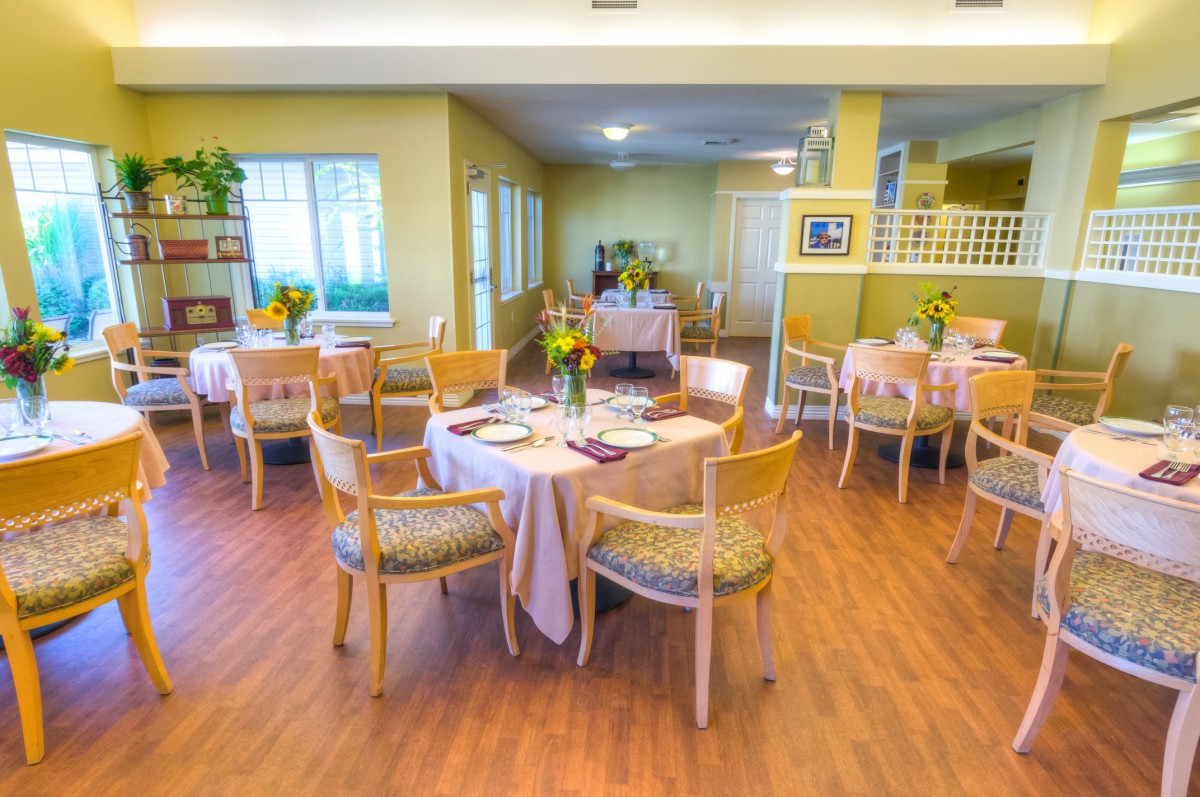
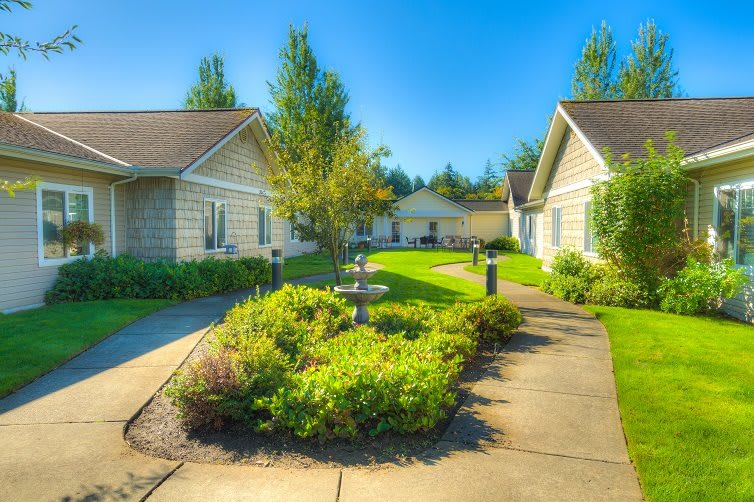
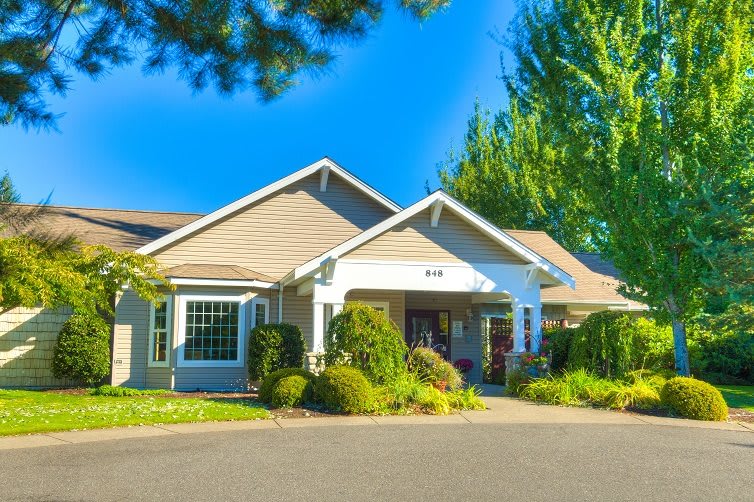
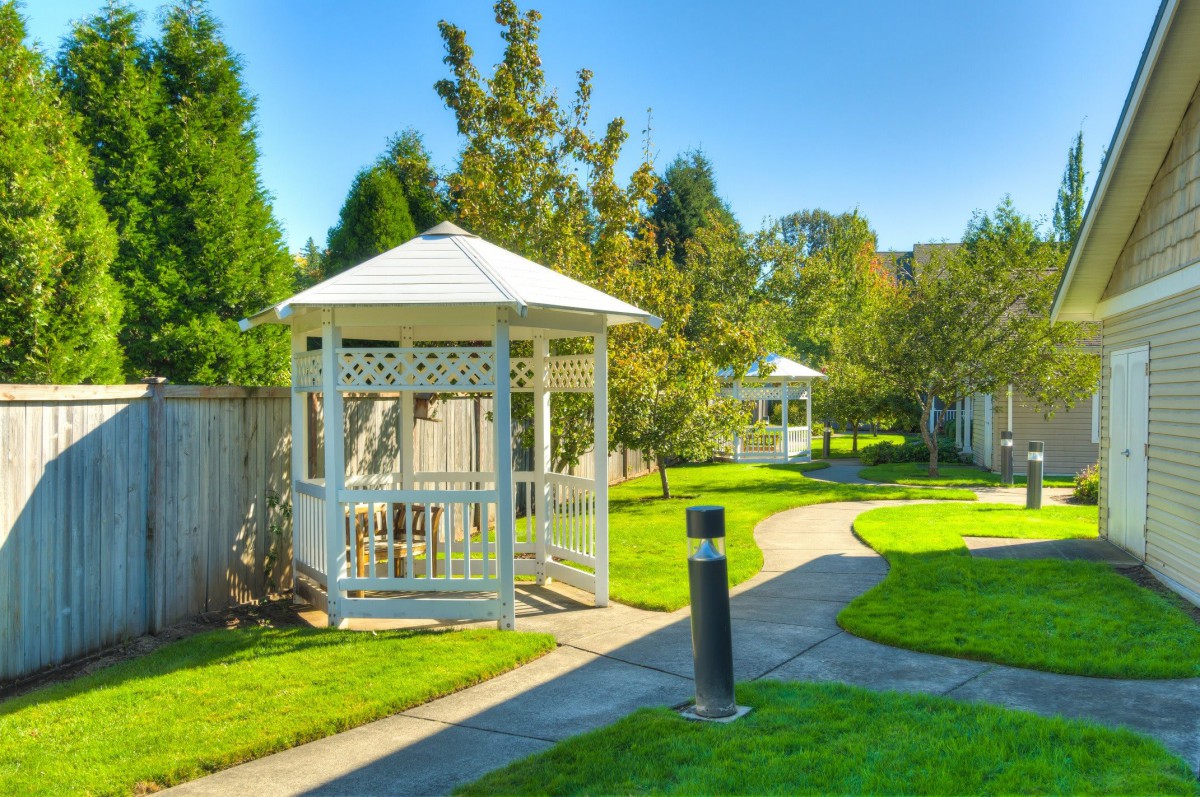
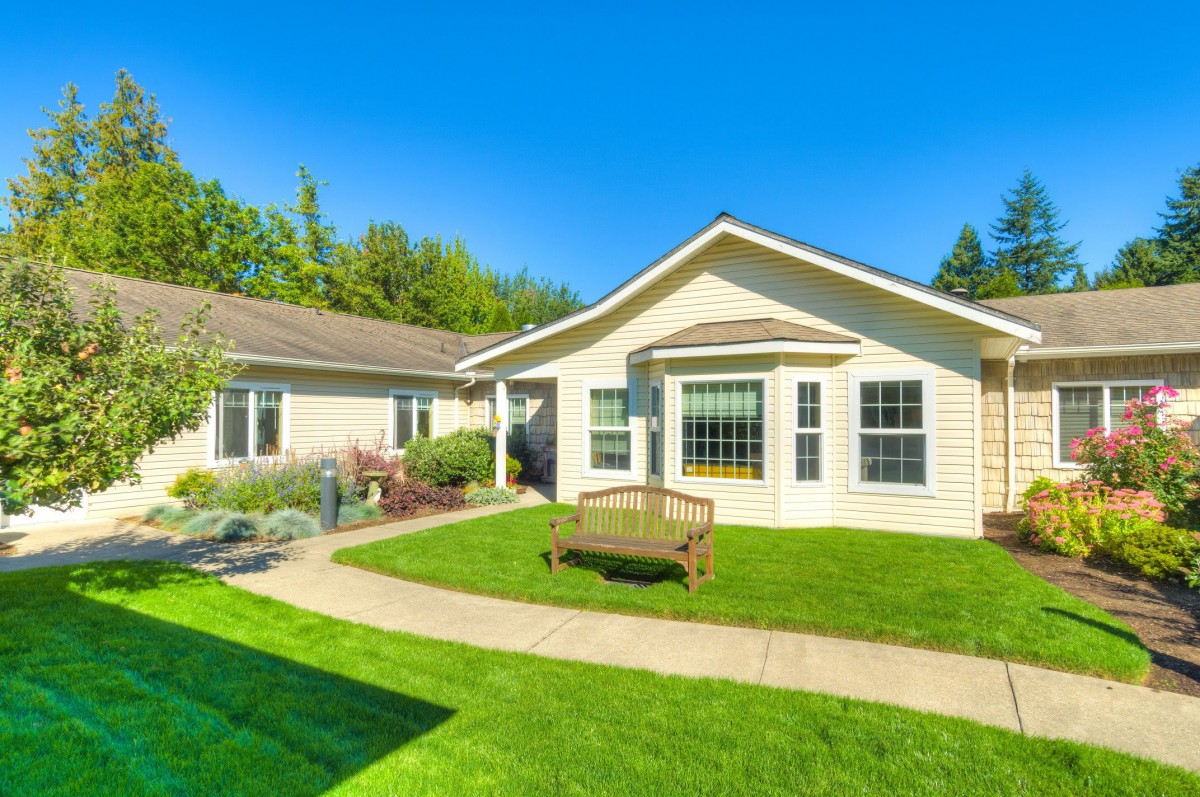
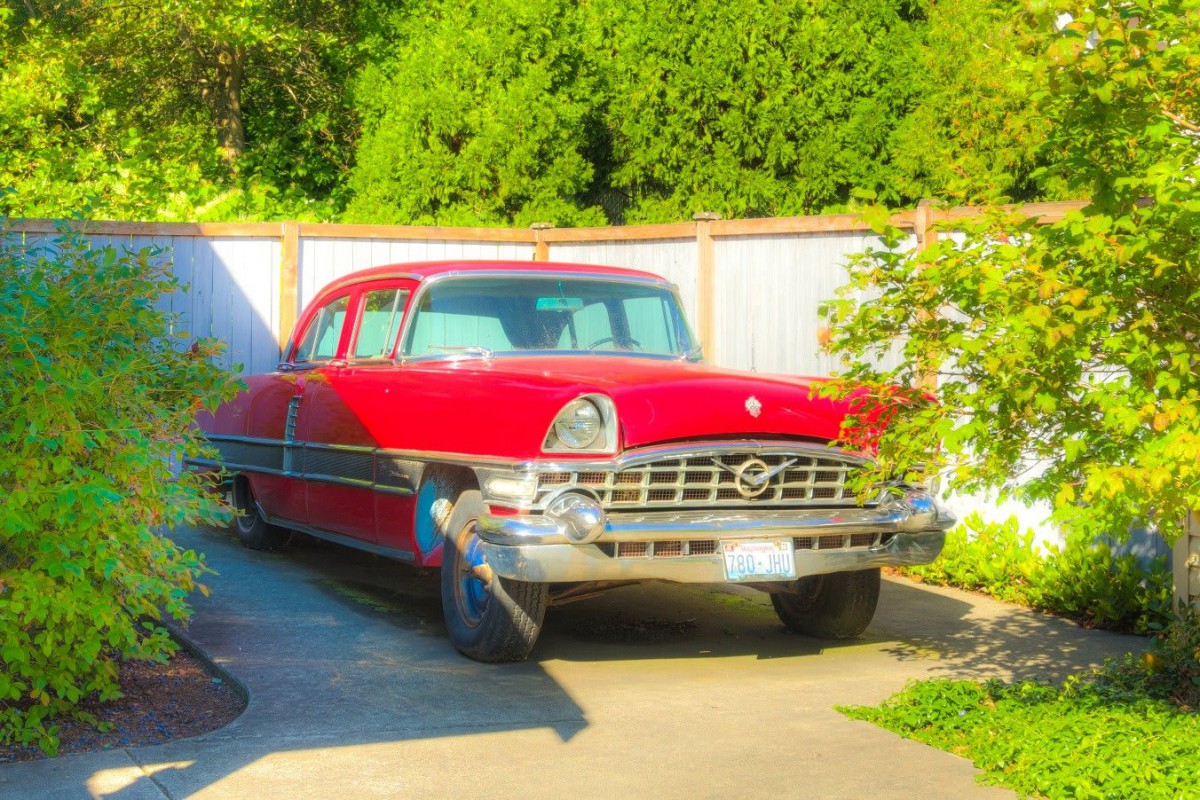
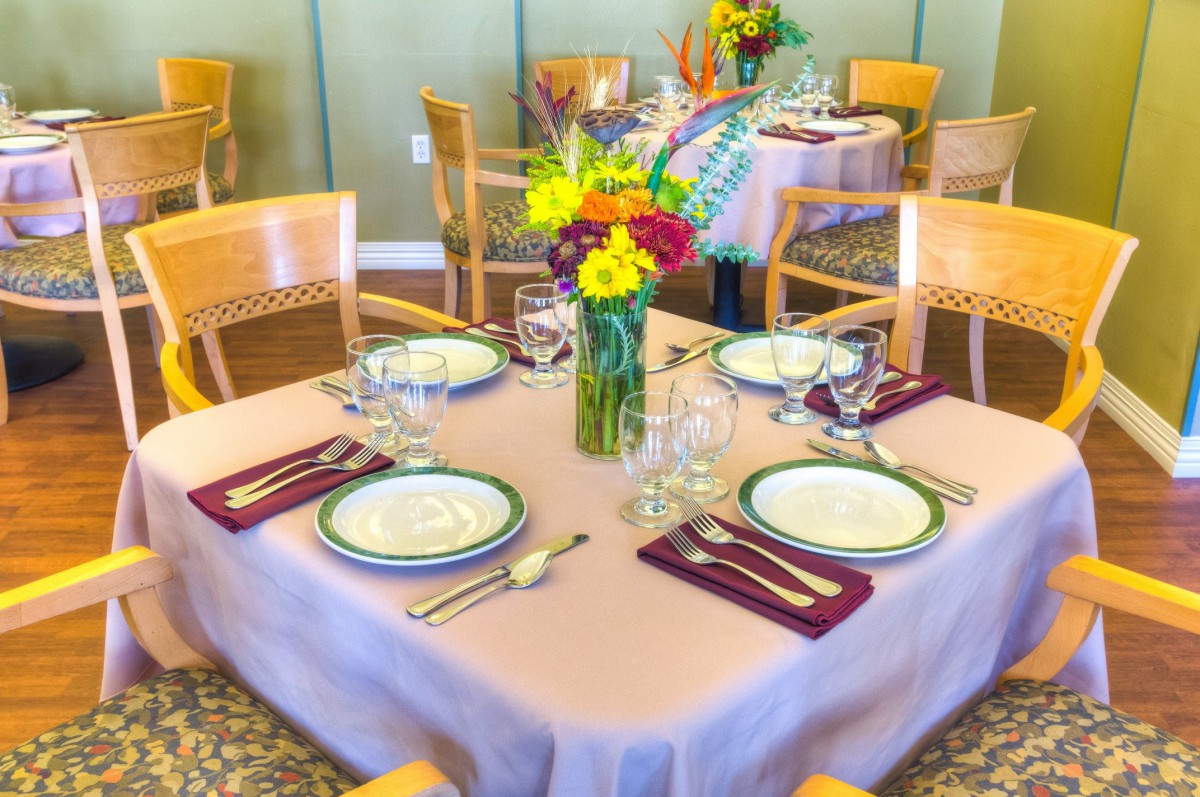
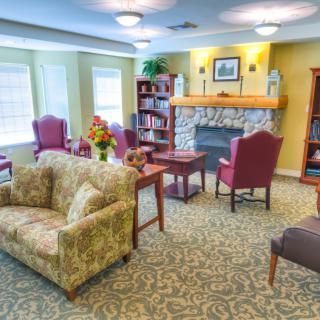
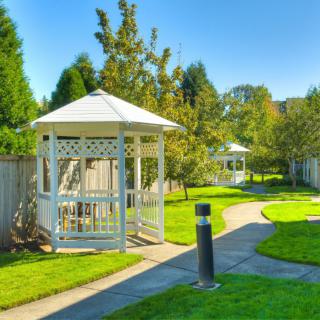
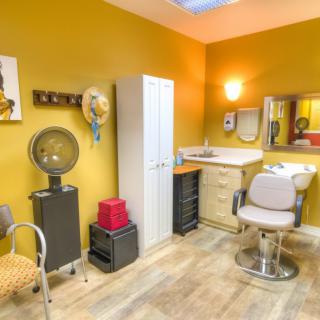
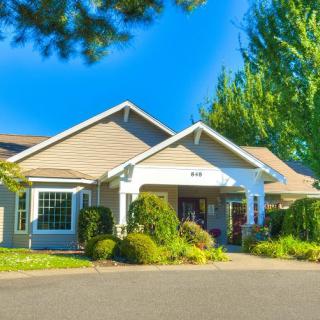
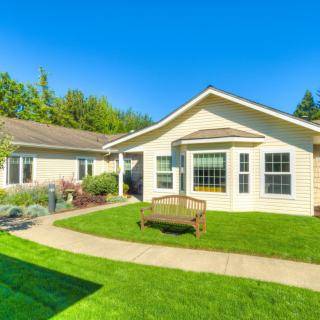
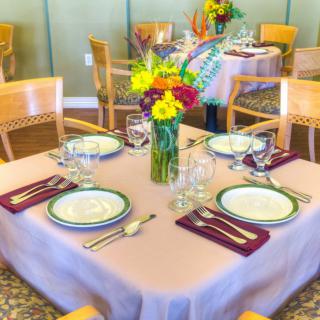
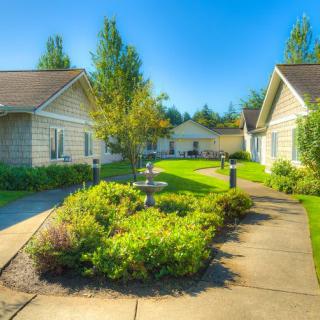
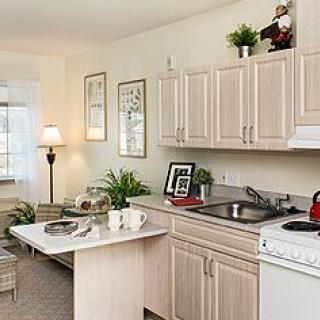
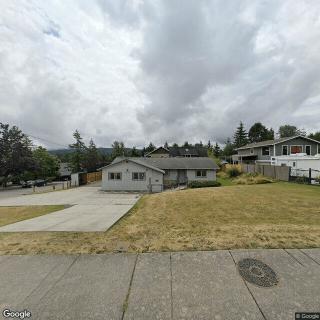
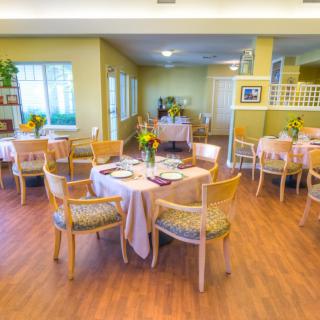
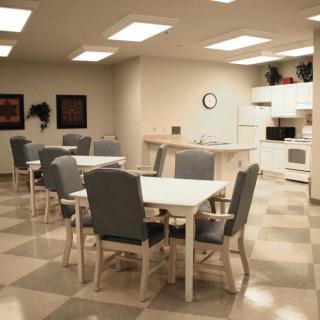
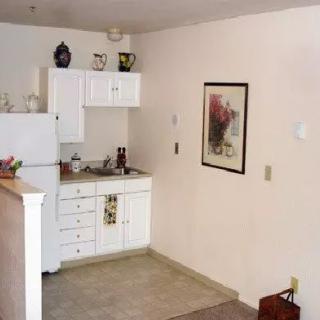
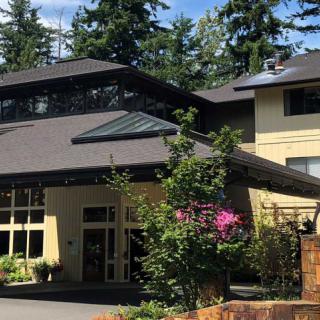
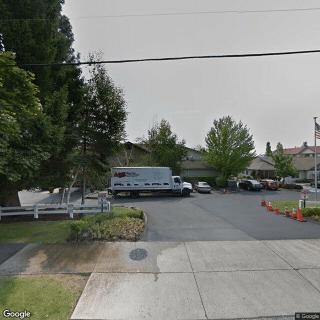
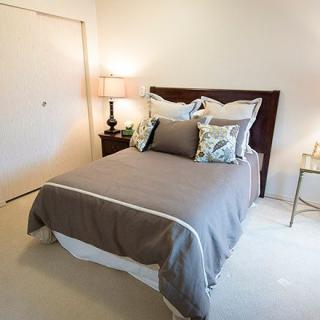
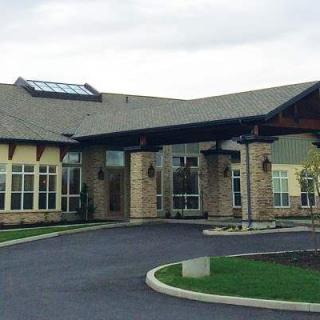
The Bellingham At Orchard on seniors.fyi includes 9 photos including images showing landscaping, trees, pathway, dining, interior, salon, decor, outdoors, and more.
Nearby Communities
Orchard Park Assisted Living Bellingham
Bellingham, WA
4.5 from 20 reviews
$2,900 to $4,650 / month
Supportive staff in a welcoming, amenity-filled community.
Avamere Bellingham Healthcare & Rehabilitation
Bellingham, WA
4 from 9 reviews
Clean, open, home-like atmosphere with compassionate staff.
Spring Creek By Bonaventure
Bellingham, WA
4.1 from 82 reviews
$3,990 to $5,600 / month
Clean, inviting facility with friendly staff and engaging activities.
Sapphire at Woodway
Bellingham, WA
2.3 from 21 reviews
$2,535 to $3,855 / month
Caring staff overall and well-maintained grounds.
Woodway Senior Living
Bellingham, WA
2.1 from 18 reviews
Comprehensive assisted living with 24/7 supervision, medication management, diabetes-friendly dining, and wellness programs in a small, amenity-rich setting.
The Willows Bellingham
Bellingham, WA
5 from 54 reviews
$3,050 to $6,100 / month
Strong sense of community with attentive staff and high-quality amenities.
Highgate Senior Living
Bellingham, WA
4.5 from 88 reviews
$1,775 to $2,900 / month
Friendly staff, engaging activities, and good meal quality.
Cordata Court
Bellingham, WA
3.9 from 57 reviews
$4,012 to $6,695 / month
Caring staff and strong activity program.
Silverado Bellingham
Bellingham, WA
4.6 from 80 reviews
$6,750 to $9,000 / month
Engaging activities in a clean, resort-like setting with compassionate staff and restaurant-quality dining.
Dementia often results in disrupted sleep patterns, leading to excessive daytime sleeping due to factors like brain damage affecting circadian rhythms, medication side effects, and lack of structure in daily activities. Caregivers must monitor these changes closely, as oversleeping can increase risks such as malnutrition or dehydration, and provide necessary support and routines to enhance patient engagement and well-being.
The transition from assisted living to skilled nursing care is often prompted by complex medical needs that assisted living cannot meet, with key indicators including frequent health declines, increased falls, severe memory issues, and caregiver burnout. Families should recognize these signs early to discuss options with healthcare providers and prepare for the emotional and logistical aspects of moving to a facility that offers comprehensive medical support.
Dementia is characterized by cognitive decline, with nutrition playing a vital role in brain health; while no specific diet can prevent or reverse it, a nutrient-dense diet rich in antioxidants and healthy fats may support cognitive function. The MIND diet, which emphasizes beneficial foods and limits processed items, along with proper hydration and individualized meal strategies, can enhance the well-being of dementia patients.
Get PricingAsk A QuestionSchedule A TourContact Senior Advisor
By clicking submit, you agree to our Partner's Terms of Use. You
also consent to receive calls and texts, which may be autodialed, from our Partner. Your consent is not a condition to
using our Partner's service. Please visit our Partner's Privacy Policy for information about their privacy practices.

 76 resident community capacity
 Assisted Living
 Memory Care
 Cats allowed
 Dogs allowed
 Activities off-site
 Air-conditioning
 Beautician on-site
 Cable or satellite TV
 Computer center
 Devotional services off-site
 Dining room
 Fitness room
 Fully furnished
 Gaming room
 Garden
 Ground floor units
 Handicap accessible
 Housekeeping services
 Indoor common areas
 Kitchenette
 Move-in coordination
 Outdoor common areas
 Private bathrooms
 Respite or short term stays offered
 Restaurant-style dining
 Small library
 Telephone
 Wellness center
 Wheelchair accessible showers
 Wi-Fi/high-speed internet available
 Bellingham International (3 miles away)
 Community operated transportation
 12-16 hour nursing
 24-hour call system
 Assistance with bathing
 Assistance with dressing
 Assistance with transfers
 Diabetes diet
 Diabetic care
 High acuity care
 Hospice waiver
 Incontinence care
 Medication management
 Mental wellness program
 Special dietary restrictions
 Transportation arrangement (medical)
 Art classes
 Bible study group
 Concierge services
 Cooking classes
 Day trips and outings
 Educational speakers / life long learning
 Karaoke
 Live dance or theater performances
 Live musical performances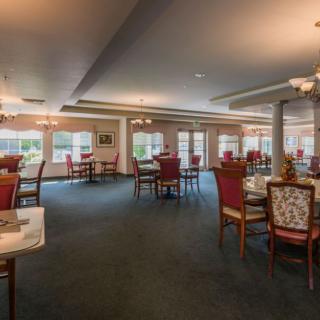
 Supportive staff in a welcoming, amenity-filled community.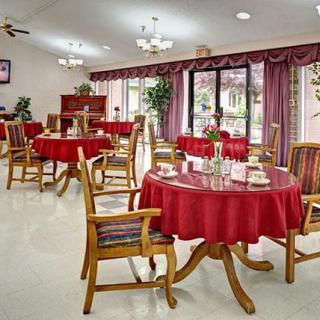

 Why Do Dementia Patients Sleep So Much? Understanding Oversleeping, Stages, and Care Approaches
 8 Key Indicators That Suggest It May Be Time to Transition from Assisted Living to Skilled Nursing Care
 Nourishing the Mind: Essential Dietary Approaches for Dementia