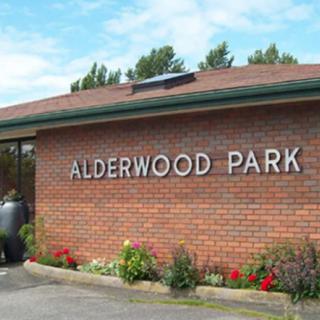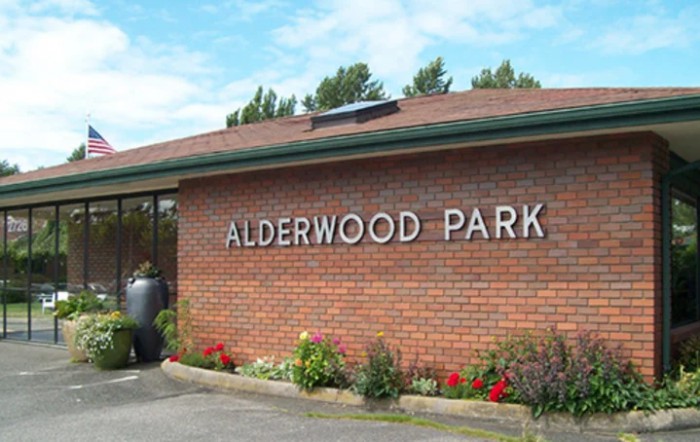

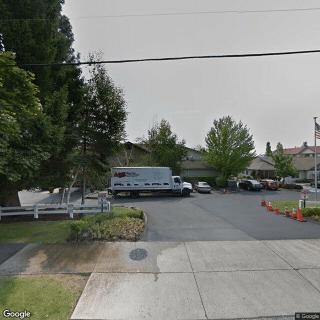
2726 Alderwood Avenue, Bellingham, WA 98225
For more information about senior living options: (866) 208-4318
Overall Review of Alderwood Park Health And Rehabilitation
Pros
 Alderwood takes care of their patients, acute and long term, with care and kindness.
- The direct-care staff are kind and friendly.
- The rooms are a good size.
- The facility has well-equipped, hardworking staff, good food, and large rooms.
Cons
 They developed a respiratory infection and a yeast/fungal infection, and became dehydrated during the rehab stay.
- They allege that important paperwork was falsely filed or misrepresented.
- They never saw a doctor during their stay.
- They observed patients with cognitive dysfunction parking their wheelchairs in the halls all day next to other patients’ doors.
- They were left on a bedpan for over an hour.
- The environment was constantly noisy day and night.
- It took many days to get basic needs approved, such as more water or a change from ibuprofen to acetaminophen.
- The nurse call system only turned on a light, indicating poor communication, and the facility was understaffed, especially at night.
Review
Alderwood Park Health and Rehabilitation in Bellingham is best suited for seniors who need skilled nursing care or short-term rehabilitation and who value straightforward comfort, reliable meal service, and roomy, accessible spaces. The facility prioritizes attentive, hands-on care from a staff that handles both acute and long-term residents with a clear sense of duty. For families transitioning a loved one from hospital or needing ongoing daily support, this community offers dependable routines and a welcoming, if not glossy, environment. It’s a practical fit for those who want solid basic care, predictable schedules, and a community that emphasizes kindness in daily interactions without demanding cutting‑edge tech or boutique amenities.
Those who should consider alternatives include families requiring highly consistent medical oversight, rapid responses to urgent needs, and flawless administrative communication. The reviews suggest phone access can be unreliable, and family members may need to intervene to obtain information or approvals. If a resident has complex medication management, frequent doctor visits, or a history of medical instability, other options with stronger on-site physician presence and more robust 24/7 coverage may be preferable. For anyone who cannot tolerate recurrent communication gaps or nighttime staffing shortages, exploring closer supervision or a different campus is prudent.
The strengths are tangible. The campus is equipped, staff are hardworking, the food is good, and rooms are spacious enough to accommodate mobility aids and visitors. Several staff members directly providing care demonstrated warmth and attentiveness, and the combined focus on acute and long-term care yields a consistency that families can rely on for daily routines, hygiene, and basic comfort. Those elements translate into a reasonable foundation for recovery after surgery or for ongoing daily living, especially when the resident values stable meals, predictable services, and respectful treatment from caregivers.
But the drawbacks are real and frequently disruptive. Multiple phone numbers touted by the facility reportedly fail to connect, hampering outreach and updates. The nurse call system is limited in its responsiveness, often eliciting little more than a light activation rather than direct confirmation or rapid assistance, a sign of understaffing and workflow bottlenecks. Night coverage appears insufficient, with experiences ranging from inability to access timely care to delays in essential needs like hydration and bathroom assistance. There are accounts of not seeing a physician, delays in paperwork, and concerns about infection control and safety, including patients with cognitive impairment occupying hallways for long periods. Noise is persistent, and administrative delays color many daily interactions.
Taken together, the positives keep daily life manageable and dignified, but they do not fully counterbalance the core medical and operational shortfalls. Caring aides and competent meals matter deeply, yet when medical oversight is inconsistent, communication is fragmented, and crucial tasks take days to resolve, the overall safety and satisfaction of residents suffer. For families this means a risk-to-benefit calculus: comfort and kindness can be enjoyed, but reliability of medical decisions, supervisor oversight, and timely response must be verified before committing. In other words, the decision hinges on how tolerant the family is of slower responses and staffing gaps in exchange for decent rooms and genuine caregiver warmth.
Actionable next steps include asking for detailed staffing ratios by shift, a schedule of physician visits, and the process for updating medications and care plans. Prioritize a tour during peak hours to observe nurse call responsiveness and hallway activity; request opportunities to speak with current residents or families about nighttime service. Verify multiple, working contact lines and establish a clear protocol for family updates and emergency communications. If possible, arrange a short trial period or a transparent transition plan, and compare to nearby facilities with stronger medical oversight or shorter wait times for approvals. These checks will reveal whether Alderwood Park delivers the balance of comfort and medical reliability that fits the loved one’s needs.
 102 resident community capacity
 Skilled Nursing Facility
 Air-conditioning
 Beauty salon
 Cable or satellite TV
 Computer center
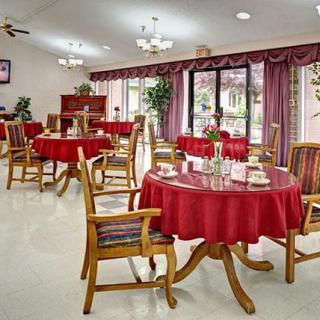
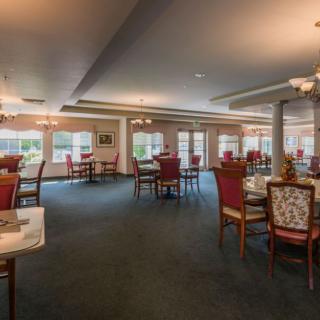
 Dining room
 Fitness room
 Fully furnished
 Gaming room
 Garden
 Housekeeping services
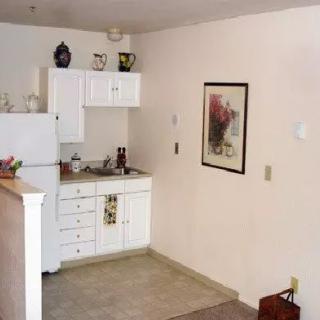
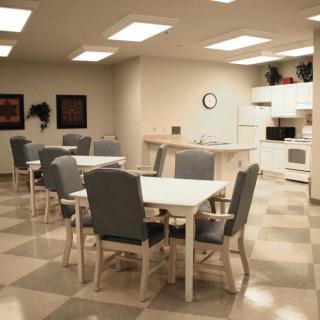
 Kitchenette
 Move-in coordination
 Outdoor space
 Private bathrooms
 Restaurant-style dining
 Small library
 Telephone
 Wellness center
 Wi-Fi/high-speed internet available
 Bellingham International (2 miles away)
 Community operated transportation
 12-16 hour nursing
 24-hour call system
 Activities of daily living assistance
 Assistance with bathing
 Assistance with dressing
 Assistance with transfers
 Diabetes diet
 Medication management
 Mental wellness program
 Special dietary restrictions
 Concierge services
 Planned day trips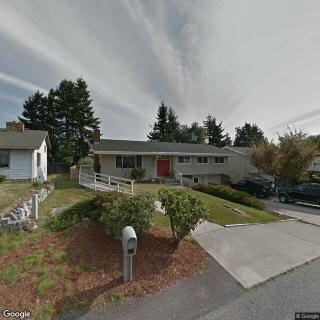


 Weight Training for Seniors: Building Strength and Vitality
 Understanding the Sandwich Generation: Stress and Responsibilities for Multigenerational Caregivers
 8 Essential Assistive Devices for Older Adults