Information last verified:
112 Constitution Dr, Grafton, VA 23692
For more information about senior living options: (844) 490-3973
Regency Health Care Center in Grafton is best suited for seniors who need skilled rehabilitation after a hospital stay and for families who can commit to steady oversight to help ensure consistent, attentive care. The center presents as a clean, welcoming environment with courteous front-desk staff and a rehab-focused program that can deliver meaningful gains when operations are running smoothly. Families should expect a facility that can mobilize strong PT/OT support, with therapists and nurses who connect well with residents and their loved ones, and an atmosphere that feels calm and organized during good days.
That said, consider alternatives if a loved one requires unwavering medical oversight and near-perfect staff-to-patient ratios. The most concerning reviews center on staffing strain, with reports of overworked nurses and CNAs, delayed response to call bells, and gaps in basic daily care such as bathing and continence management. Several families describe situations where focus and attention seemed inconsistent, raising questions about whether the level of supervision and timely intervention can be relied upon, especially for residents with complex medical needs or limited ability to advocate for themselves. When the priority is near-immediate access to medical staff and highly predictable daily routines, Regency may fall short relative to facilities with stronger documented nursing coverage.
The strongest positives consistently described point to the human side of care: genuinely caring frontline staff, accessible therapists, and a culture of hospitality that makes visits feel supported. Specific care team members and therapists are named by families as standout contributors who encourage progress, provide reassurance, and maintain a respectful, hopeful tone even when rehabilitation presents challenges. The facility’s cleanliness and odor-free environment, combined with a welcoming intake and ongoing communication from certain nurses, aides, and administrators, create a credible sense of security for families who can visit regularly. Activities and a visible emphasis on engagement also help residents maintain dignity and momentum in recovery, with praise directed at therapy staff for driving meaningful mobility improvements and overall well-being.
However, the flip side of the ledger cannot be ignored. A sizeable portion of reviews documents troubling failures: patients left in soiled conditions or without timely assistance, inconsistent physical therapy intensity that undermines progress, and concern about medical oversight or absence of regular physician rounds. There are explicit warnings about severe consequences, including pressure ulcers and dehydration, with some families reporting that essential care tasks were missed or delayed for hours. Reports of sanitary lapses, outdated meals, and even infestations in extreme cases further complicate the risk calculus. While many residents thrive, the risk profile here is not uniformly low; the facility’s overall rating remains buoyant only because a large number of families share positive, hopeful experiences, but a non-trivial share recounts experiences that could be life-altering for vulnerable elders.
This is a decision where the decision-maker must actively shape the care context. If Regency is chosen, a proactive family partnership becomes non-negotiable: secure a clear, written rehab plan with daily minutes and target milestones; insist on transparent communication from the director of nursing and the attending physician; and monitor call-bell response times closely. Regular, structured updates should be scheduled, with explicit escalation steps if care lapses appear. Demand visible daily rounds by a physician or advanced practitioner, and a documented plan for wound care, hydration, nutrition, and pressure-area prevention, especially for residents at higher risk. Touring the building at different hours, speaking with multiple staff members, and asking for specifics about staffing ratios on each shift will reveal how consistently the high floor of service can be sustained.
Bottom line: Regency Health Care Center can be a strong choice for rehab-focused care, offering feeling-good elements like a clean campus, attentive therapists, and a compassionate bedside presence that many families value deeply. When the facility is operating at or near its best, the combination of skilled therapy, engaged nursing care, and a supportive environment can deliver real recovery and peace of mind. Yet that strength is conditional; significant staffing and oversight gaps have appeared in a subset of experiences, sometimes with severe consequences. For families with a relatively mobile, recovery-oriented resident and a willingness to supervise care actively, Regency can be a productive path forward. For those with high medical complexity, fragile health, or a low tolerance for variability in daily care, exploring other options with stronger, more consistent staffing and physician engagement may be prudent. In any case, enter the choice with a plan: insist on structure, demand accountability, and schedule regular visits to ensure the care trajectory aligns with the loved one’s needs and goals.
Regency Health Care Center, located in Grafton, VA, is an assisted living community that provides top-notch care and support for seniors. Situated amidst a vibrant neighborhood, this facility offers a welcoming and comfortable environment for residents to enjoy their golden years.
With the convenience of having four cafes nearby, residents can savor delicious meals or socialize with friends over a cup of coffee without having to venture far from home. Additionally, the presence of 11 pharmacies ensures easy access to medications and prompt healthcare assistance whenever needed.
The proximity of 11 physicians means that residents have ample options for choosing their primary care doctors or seeking specialized medical attention. Whether it's routine check-ups or personalized healthcare services, these physicians are readily available to cater to the unique needs of each resident.
Residents at Regency Health Care Center also have a variety of dining options within reach, thanks to the 13 nearby restaurants. From local eateries offering homestyle cooking to upscale establishments serving gourmet cuisine, there is something to suit every palate. This allows residents to enjoy memorable dining experiences with their loved ones in a restaurant-like setting or within the comforts of their own community.
For transportation needs, there is convenient access to reliable transportation services nearby. Whether it's running errands or attending appointments, residents can easily travel around town with ease and independence.
In terms of healthcare facilities, two hospitals are located in close proximity to Regency Health Care Center. This provides reassurance and peace of mind knowing that immediate medical attention is just moments away in case of emergencies or more complex health issues.
At Regency Health Care Center in Grafton, VA, seniors can experience professional care and support coupled with a sense of community. With numerous amenities and services nearby, residents can maintain an active lifestyle while enjoying all the comforts and conveniences available in this exceptional assisted living community.
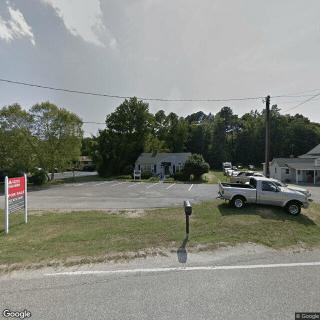
Regency Health Care Ctr is located at 112 Constitution Dr, Grafton, VA 23692 in York County, Virginia
Comprehensive Insights into Palliative Home Care: What It Is and What to Expect

Palliative home care focuses on improving the quality of life for individuals with serious illnesses by providing comfort, symptom management, and emotional support in their own homes. This approach includes personalized care plans, regular assessments, and resources for family caregivers, all while prioritizing person-centered treatment that aligns with patients' goals.
Skilled Nursing Facilities vs. Nursing Homes: Making Sense of the Differences

Skilled nursing facilities (SNFs) provide high-level medical care and rehabilitation for short-term recovery, typically covered by Medicare after hospitalization, while nursing homes focus on ongoing custodial care for chronic conditions, mainly funded by Medicaid or private payments. The staffing and regulatory structures differ significantly between the two, necessitating clarity for families in choosing appropriate long-term care options.
A Detailed Examination of Nursing Home Costs Across the U.S.
Nursing home care costs in the U.S. vary significantly based on location, level of care, and amenities, with private room prices ranging from approximately $6,700 to over $30,000 monthly. Families need to explore various payment options and conduct thorough research to manage these expenses effectively.