Westport Rehabilitation and Nursing Center in Richmond, VA

Save

  • Interior

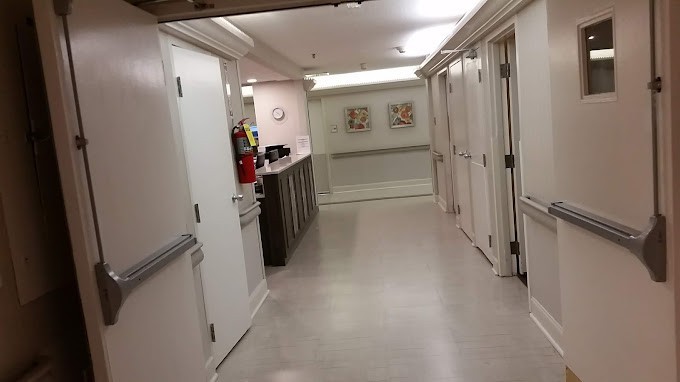
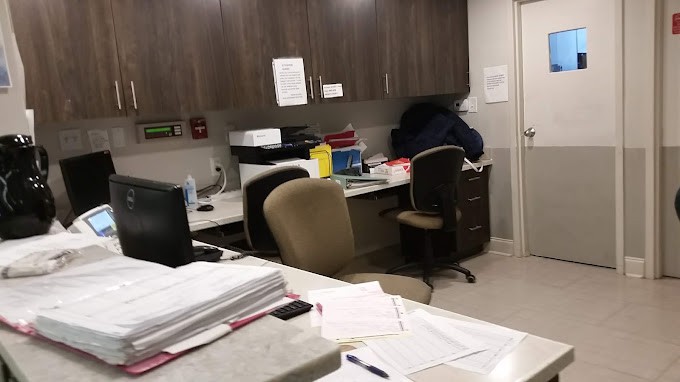
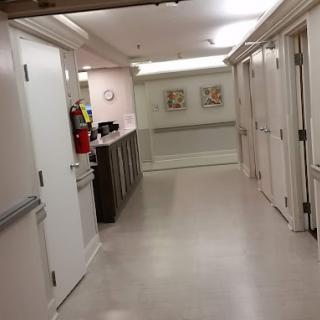
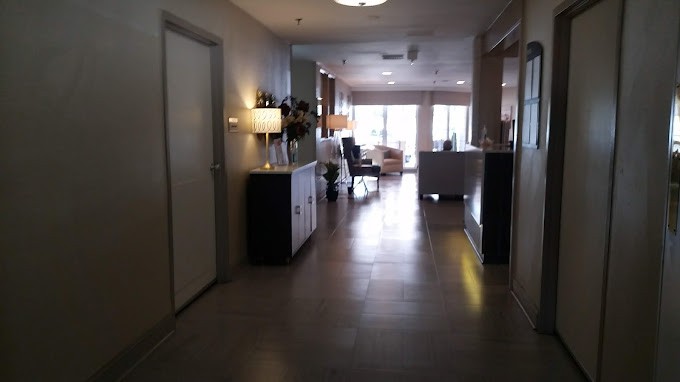
    A clean and well-lit hospital hallway with multiple doors and a reception desk.
  • Outdoors

    A building entrance featuring double glass doors with decorative designs and a brick pathway.
  • Decor

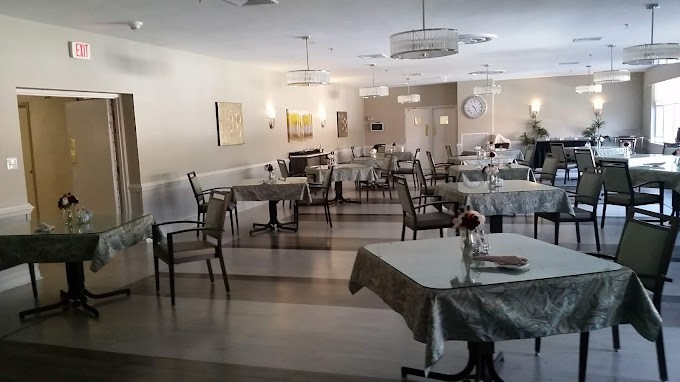
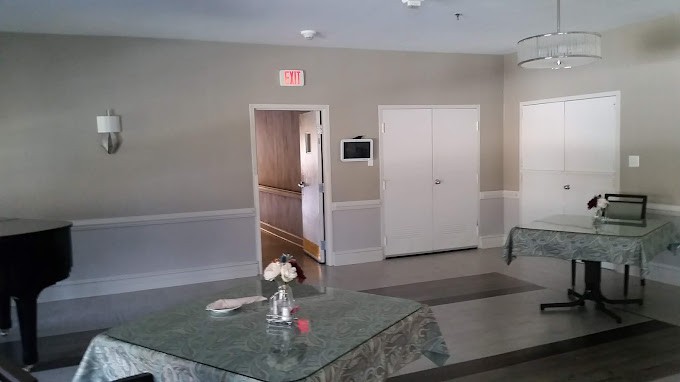
    An empty dining room with arranged tables and chairs, featuring modern lighting fixtures and wall decor.
  • Living Room

    A cozy seating area with chairs, a sofa, and a table complemented by warm lighting.
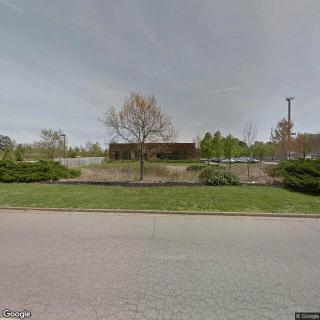
  • Building

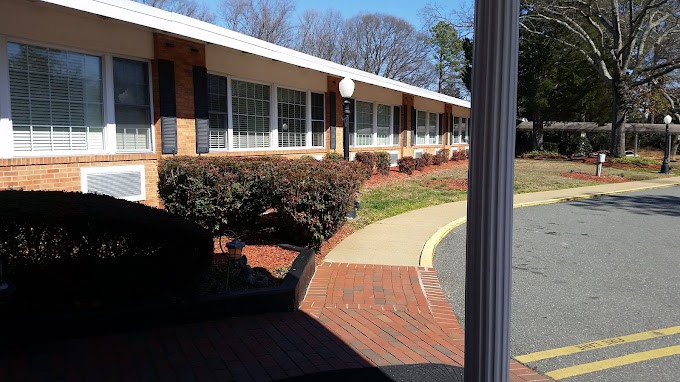
    A one-story brick building with a landscaped walkway and bushes.
  • Trees

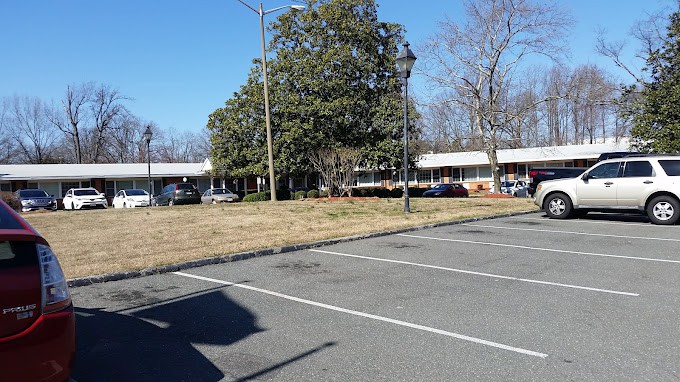
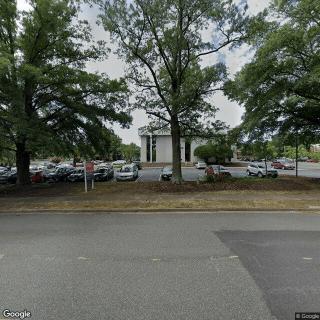
    An empty parking lot with trees and a building in the background on a clear day.
  • Windows

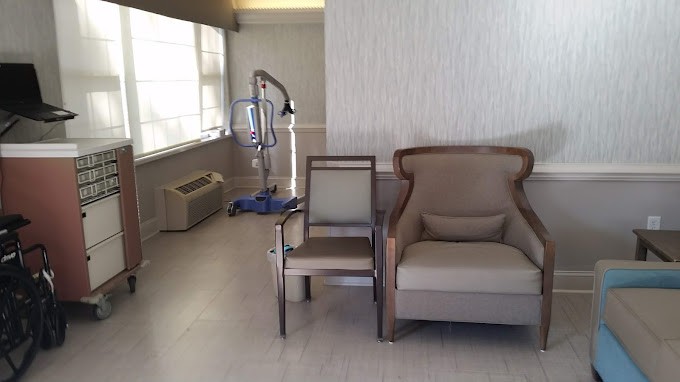
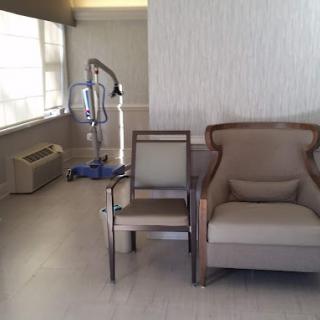
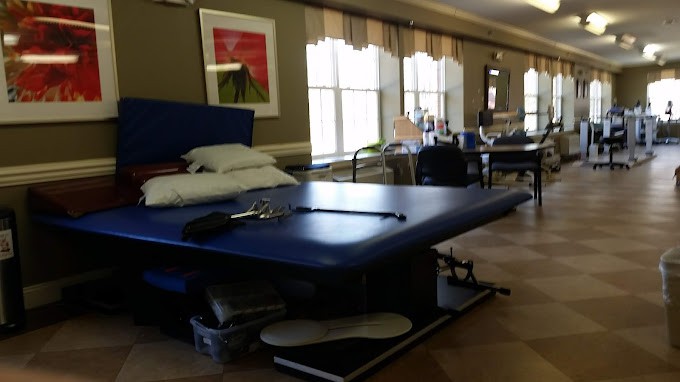
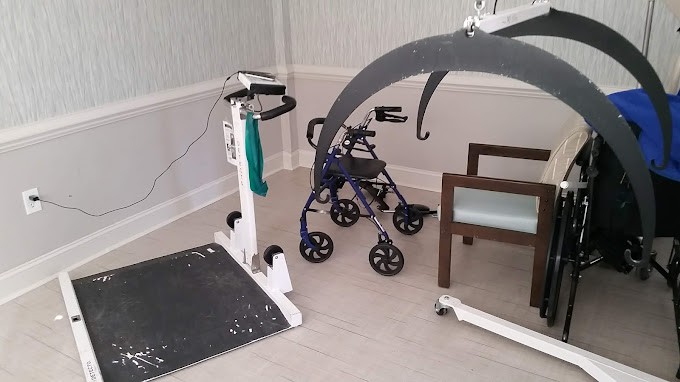
    A hospital room with chairs and medical equipment near a window.
  • Landscaping

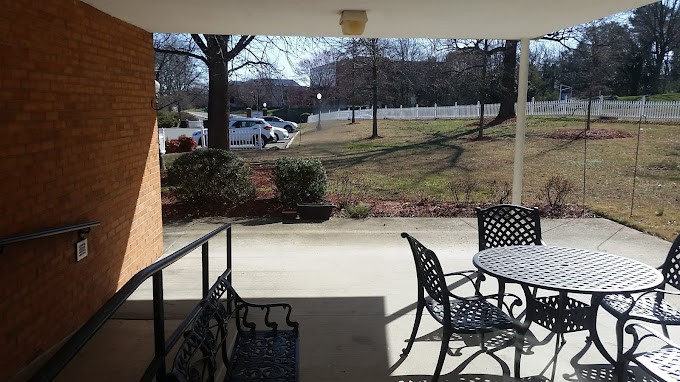
    A view from a patio with metal chairs and a table, overlooking a grassy area with trees and a parking lot in the background.
  • Lighting

    A modern hallway with stylish furniture and warm lighting.
  • Outdoor

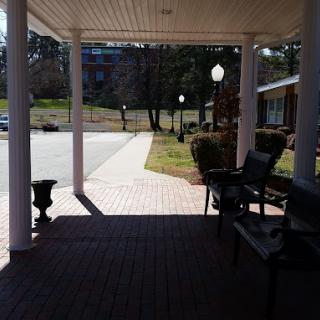
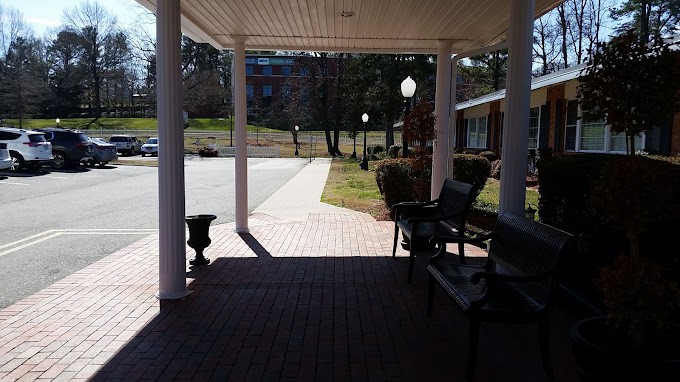
    A shaded porch area with benches overlooks a sunlit pathway lined with lamp posts.
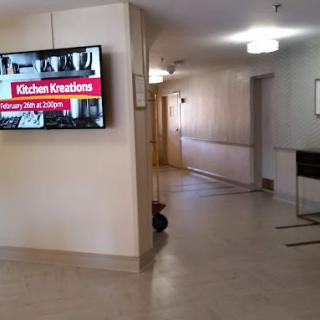
  • Television

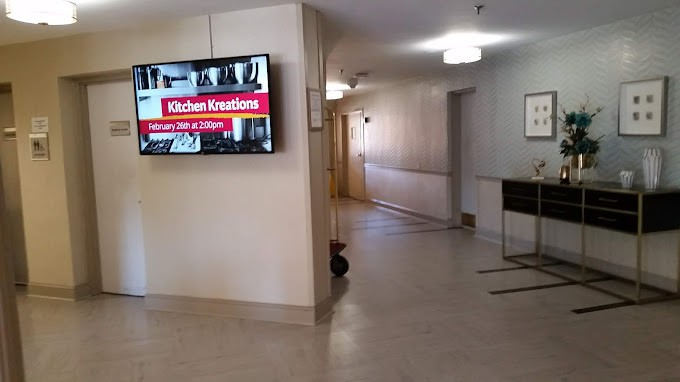
    A hallway with a television displaying an advertisement for Kitchen Kreations Cafe & Catering.
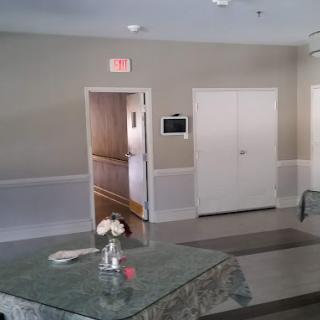
  • Hallway

    An interior view featuring a hallway with an exit sign, a table adorned with flowers, and carpeted flooring.
  • Grass

    A suburban building surrounded by trees and bushes, with parked cars in the driveway.
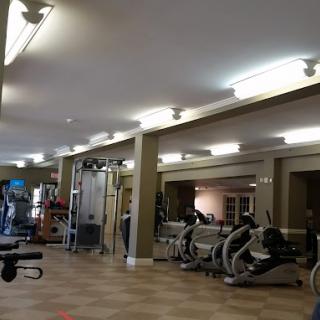
  • Exercise Equipment

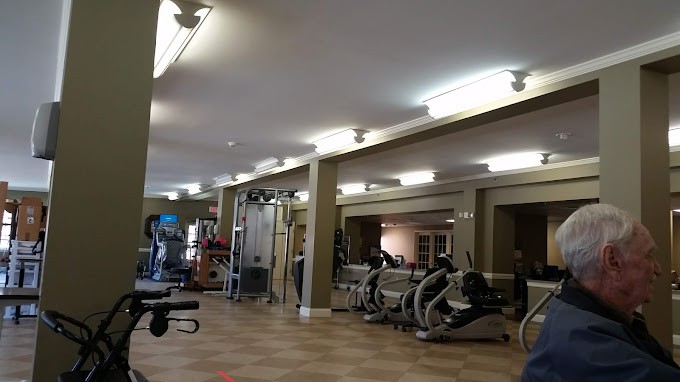
    A well-equipped gym with various exercise machines and equipment.

Westport Rehabilitation and Nursing Center in Richmond, VA

7300 Forest Ave, Richmond, VA 23226

For more information about senior living options: (844) 490-3973

3.6 from 136 reviews
5 stars
78
4 stars
9
3 stars
5
2 stars
5
1 stars
39

Skilled Nursing Facility

Overall Review of Westport Rehabilitation and Nursing Center

Pros

  • pro The facility is welcoming and its staff are professional.
  • pro There is great fellowship among residents.
  • pro The facility runs very professionally and the staff are amazing.
  • pro Duane is a great facilitator of the facility.
  • pro The nurses are attentive and always take time to answer questions, following up with doctors when needed.
  • pro The staff are very professional and treat residents with respect.
  • pro The compassionate care provided to patients is appreciated by families.
  • pro Westport is a place for positive change, with a welcoming and supportive staff.
  • pro The PT/OT department delivers good work and inspires patients.

Cons

  • pro Westport is described as a disgrace to healthcare, with a rank smell, negligent and lazy staff, broken beds, missing TV remotes, and inedible food.
  • pro Reviewers report chronic understaffing and poor communication, leaving patients waiting for help and families waiting for updates.
  • pro They recount patients being left in urine and feces and not assisted promptly after calling for help.
  • pro The facility is said to be unsanitary, with dirty floors and walls, dried feces, peeling surfaces, and foul odors.
  • pro Medication handling is described as mishandled, with delays or denial of prescribed pain meds.
  • pro Safety concerns are raised about falls and inadequate bed alarms, leading to injuries.
  • pro They warn not to place loved ones there, citing deaths or severe harm after admission.
  • pro The facility is portrayed as cramped and unsafe for non-ambulatory patients, with small rooms and non-ADA-compliant bathrooms.

Review

Westport Rehabilitation and Nursing Center in Richmond is best suited for families pursuing a rehab-forward experience where skilled therapists, attentive nurses, and a involved administrator can help drive meaningful mobility and daily-function gains. For residents who thrive on a structured therapy schedule, clear care plans, and a staff that treats families as partners, Westport can be a workable path to rehabilitation and a return home or into a less-intensive setting. The strongest draws are genuine compassion from many caregivers, a capable therapy team, and occasional signs that leadership is listening and acting on feedback. This is a setting where progress relies on active engagement from both clinical teams and family members, with a clear expectation of ongoing conversations about goals and outcomes.

Those evaluating alternatives should carefully consider long-term safety, consistency, and environmental factors. Several reviews flag serious concerns about understaffing, slow response times, and lapses in basic daily care, which can transform a rehab stay into a frustrating or dangerous experience. For families needing rigorous, round-the-clock monitoring, advanced wound care, or highly reliable assistance with incontinence, medication administration, and safe transfers, other facilities may offer more consistent staffing patterns and tighter safety protocols. If a resident requires consistently pristine cleanliness, flawless infection control, and impeccably maintained equipment, it is prudent to compare options beyond Westport before deciding.

On the upside, the center's positive elements lean into the rehab core. Families frequently praise the rehabilitation and speech therapy teams, noting attentive therapists who communicate well with patients and families. Several CNAs, nurses, and therapy staff are repeatedly highlighted for professionalism, kindness, and the ability to advocate for residents' needs. Administrators and frontline leaders are described by some reviewers as present and responsive, with reported efforts to improve meal service, billing accuracy, and activity offerings. When the environment is managed well, the combination of strong PT/OT, compassionate nursing care, and a welcoming feel can produce real, tangible progress in mobility and confidence.

Yet the negatives carry substantial weight. Recurring themes include persistent understaffing, inconsistent call-light response, and delays in basic tasks like reminders for showers, meals, or med passes. Numerous accounts describe odors, cleanliness lapses, and outdated facilities that compromise comfort and safety. Wound care, skin integrity, and fall prevention are repeatedly singled out as problem areas, with some families reporting adverse outcomes or near misses. Communication gaps between nurses, aides, therapists, and families, as well as uneven discharge planning and documentation, further erode trust for anyone facing complex medical needs. These are not minor hassles but core risks that families must weigh carefully.

Critically, the pros and cons do not cancel each other out in a simple tally. The rehab-focused strengths - hands-on PT/OT, engaged therapists, and a caregiver workforce that often shows warmth and competence - remain genuine and actionable for residents whose goals center on functional gains. However, the weight of safety and reliability concerns cannot be dismissed, especially for seniors with higher acuity, cognitive impairment, wound care needs, or those who depend on precise medication management. In short, Westport presents a mixed proposition: solid rehab potential and personable staff in an environment that can feel uneven in consistency, cleanliness, and safety depending on shifts and leadership dynamics. This is a facility where progress is possible, but risk management must be a primary lens for decision-making.

For families seriously considering Westport, a disciplined due-diligence checklist is essential. Schedule a candid tour focused on current staffing levels, turnover, and the therapist-to-patient ratio on your target unit. Request to see recent quality scores, safety incident reports, and the most up-to-date state health department inspections. Speak with current residents and families about call-light responsiveness, meal service, and room cleanliness. Confirm specifics relevant to the loved one's needs - wound care capability, bowel and bladder management, fall-prevention plans, and a realistic therapy timetable. If the response is measured, transparent, and demonstrates concrete steps already underway, Westport can be a viable choice for rehab-driven care. If safety, consistence, and a spotless environment are non-negotiables, alternatives should be explored with equal rigor.

Features

Housing

  • 225 resident community capacity 225 resident community capacity

Types of Care

  • Skilled Nursing Facility Skilled Nursing FacilitySkilled Nursing Facilities are crucial for seniors as they provide round-the-clock medical care, rehabilitation services, and assistance with daily activities. These facilities ensure that seniors receive the specialized care they need to maintain their health and well-being as they age.

Amenities

  • Air-conditioning Air-conditioningAir conditioning is important for seniors as they are more vulnerable to heat-related illnesses and may have underlying health conditions that make it difficult for them to regulate their body temperature. It helps to keep them comfortable, safe, and healthy in hot weather.
  • Beauty salon Beauty salonBeauty salons are important for seniors because they provide a space for them to feel pampered, socialize, and maintain their personal grooming and hygiene. Regular visits to a beauty salon can help boost seniors' self-esteem and overall well-being.
  • Cable or satellite TV Cable or satellite TVCable or satellite TV is important for seniors because it provides entertainment, news, and companionship, helping to combat loneliness and boredom. It also offers a wide range of programming options tailored to different interests and preferences.
  • Computer center Computer centerA computer center is essential for seniors as it provides access to technology, communication tools, and resources that can enhance their daily lives. It allows them to stay connected with loved ones, engage in online activities, and learn new skills, ultimately promoting socialization and mental stimulation.
  • Dining room Dining roomDining rooms are important for seniors as they provide a space for socialization, connection, and nutritious meals. They offer opportunities for residents to bond over shared meals, foster a sense of community, and promote healthy eating habits. Dining rooms also ensure that seniors have access to well-balanced meals tailored to their dietary needs and preferences.
  • Fitness room Fitness roomHaving a fitness room in a senior living community is essential for seniors to stay active, maintain their physical health, and improve their overall well-being. Regular exercise can help prevent falls, reduce the risk of chronic diseases, and promote mental sharpness. It also provides social opportunities for residents to connect with others and enjoy a sense of community.
  • Fully furnished Fully furnishedFully furnished senior living communities are important for seniors because they provide convenience, comfort, and a hassle-free moving experience. Seniors can easily settle into their new living space without the stress of having to buy and move furniture. This allows them to focus on enjoying their new home and community.
  • Gaming room Gaming roomGaming rooms are important for seniors as they provide a fun and engaging environment for socializing, cognitive stimulation, and physical activity. Games can improve memory, problem-solving skills, and overall mental well-being while fostering friendships and reducing feelings of isolation.
  • Garden GardenGardens are important for seniors as they provide a peaceful and therapeutic environment for relaxation, physical activity, and socialization. Being in nature has been shown to reduce stress, improve mood, and promote overall well-being. Gardens also offer opportunities for seniors to engage in gardening activities, which can improve mobility, flexibility, and cognitive function. Additionally, gardens create a sense of community and connection with others who share a passion for plants and outdoor spaces.
  • Housekeeping services Housekeeping servicesHousekeeping services are important for seniors because they help maintain a clean and safe living environment, promote independence, and reduce the risk of accidents or illnesses. Additionally, having assistance with household chores can alleviate physical strain and allow seniors to focus on other aspects of their well-being.
  • Kitchenette KitchenetteKitchenettes are important for seniors living in senior living communities because they provide the convenience and independence of being able to prepare simple meals and snacks in the comfort of their own living space. This can help promote a sense of autonomy and well-being for seniors, allowing them to maintain some level of control over their dietary choices and daily routines.
  • Move-in coordination Move-in coordinationMove-in coordination is important for seniors because it helps ease the transition into their new living environment. It ensures that all logistics, such as packing, organizing movers, and setting up utilities are taken care of, allowing seniors to focus on settling in and adjusting to their new home. Having a smooth move-in process can alleviate stress and anxiety, making the transition smoother and more enjoyable for seniors.
  • Outdoor space Outdoor spaceOutdoor spaces are important for seniors as they provide opportunities for physical activity, social interaction, exposure to natural light and fresh air, and a sense of connection to nature. Having access to outdoor spaces can improve overall well-being and quality of life for older adults living in senior communities.
  • Private bathrooms Private bathroomsPrivate bathrooms are important for seniors in senior living communities because they provide independence, dignity, and comfort. Having a private bathroom allows seniors to maintain their personal hygiene routines without the need for assistance, promoting a sense of autonomy and privacy. Additionally, private bathrooms help prevent the spread of infections and provide a safe and clean environment for seniors to navigate safely.
  • Restaurant-style dining Restaurant-style diningRestaurant-style dining is important for seniors because it allows them to enjoy delicious, nutritious meals in a social and upscale setting. This enhances their dining experience, promotes healthy eating habits, and fosters socialization with fellow residents, ultimately contributing to their overall well-being and quality of life.
  • Small library Small librarySmall libraries are important for seniors as they provide access to a variety of reading materials, including books, newspapers, and magazines. This can help stimulate their minds, keep them engaged, and provide a sense of community through book clubs and other social activities. Additionally, reading has been shown to improve cognitive function and overall mental well-being in older adults.
  • Telephone TelephoneTelephones are important for seniors as they provide a lifeline for communication with loved ones, emergency services, and healthcare providers. They offer a sense of security and independence, enabling seniors to stay connected and access assistance when needed.
  • Wellness center Wellness centerWellness centers are important for seniors because they offer a variety of programs and services that promote physical, mental, and emotional well-being. These centers provide opportunities for exercise, socialization, education, and relaxation, helping seniors maintain their overall health and quality of life.
  • Wi-Fi/high-speed internet available Wi-Fi/high-speed internet availableWi-Fi/high-speed internet is important for seniors to stay connected with loved ones, access online resources, and participate in virtual activities to combat feelings of loneliness and isolation. It also allows them to easily manage healthcare needs, access entertainment, and engage in lifelong learning opportunities.

Transportation

  • Richmond International (14 miles away) Richmond International (14 miles away)
  • Community operated transportation Community operated transportationCommunity operated transportation is crucial for seniors as it provides them with the means to access essential services, social activities, and medical appointments. It allows seniors to maintain their independence and quality of life by ensuring they can participate in activities outside of their homes. Additionally, community-operated transportation services offer a safe and reliable way for seniors to travel without having to rely on family or friends for assistance.
  • Transportation arrangement Transportation arrangementTransportation arrangements are crucial for seniors as they may face challenges with driving, mobility, or access to public transportation. Having reliable transportation services ensures that seniors can easily attend appointments, social activities, and maintain their independence and quality of life.
  • Transportation arrangement (non-medical) Transportation arrangement (non-medical)Transportation arrangements are essential for seniors as they provide access to essential services, activities, and social interactions outside the home. This service helps maintain independence, mobility, and overall well-being for seniors who may have limited transportation options.
  • Transportation to doctors appointments Transportation to doctors appointmentsTransportation to doctors appointments is crucial for seniors as it ensures they have access to necessary medical care and support, promoting their health and well-being. It allows them to receive timely treatment, monitor existing conditions, and address any new health concerns efficiently. Additionally, transportation services can help seniors maintain their independence and quality of life by enabling them to stay connected with their healthcare providers.

Care Services

  • 12-16 hour nursing 12-16 hour nursing12-16 hour nursing care is crucial for seniors in order to ensure around-the-clock monitoring, timely medication administration, and prompt response to any health concerns or emergencies. This level of care helps to promote the overall well-being and safety of seniors living in senior living communities.
  • 24-hour call system 24-hour call system24-hour call systems are important for seniors because they provide peace of mind and immediate assistance in case of emergencies. This technology ensures that help is always available, promoting safety and security for elderly individuals living alone or in assisted living facilities.
  • 24-hour supervision 24-hour supervision24-hour supervision is important for seniors to ensure their safety, well-being, and access to immediate assistance in case of emergencies or health issues. This constant support provides peace of mind for both seniors and their loved ones, allowing them to age in place with dignity and security.
  • Activities of daily living assistance Activities of daily living assistanceActivities of daily living assistance are important for seniors because they provide essential support with tasks such as eating, bathing, dressing, and mobility. This assistance helps seniors maintain their independence, dignity, and overall quality of life as they age.
  • Assistance with bathing Assistance with bathingAssistance with bathing is crucial for seniors as it helps maintain personal hygiene, prevents infections, and ensures their overall well-being and comfort. It also provides a sense of dignity and independence for seniors who may struggle with this task on their own.
  • Assistance with dressing Assistance with dressingAssistance with dressing is important for seniors because it helps maintain their independence, promotes personal hygiene, prevents accidents and injuries, and improves overall quality of life. This service ensures that seniors can continue to dress comfortably and confidently, despite any physical limitations they may have.
  • Assistance with transfers Assistance with transfersAssistance with transfers is crucial for seniors as it helps prevent falls and injuries, maintains their independence, and ensures they can safely navigate their living environment. It also provides peace of mind for both seniors and their loved ones.
  • Diabetes diet Diabetes dietA diabetes diet is crucial for seniors as it helps manage blood sugar levels, reduce risks of complications, and improve overall health and well-being. By following a balanced and nutritious diet tailored to their specific needs, seniors can better control their diabetes and enhance their quality of life.
  • Meal preparation and service Meal preparation and serviceMeal preparation and service are crucial for seniors as they may have limited mobility or energy to cook nutritious meals. Having access to healthy and convenient food options can ensure they are getting the proper nutrition needed to maintain their overall health and well-being.
  • Medication management Medication managementMedication management is crucial for seniors to ensure they are taking the right medications at the correct dosages and times. This helps prevent adverse drug interactions, reduces the risk of medication errors, and promotes overall health and well-being. Proactive management also allows for adjustments as needed based on changing health conditions or new prescriptions.
  • Mental wellness program Mental wellness programMental wellness programs are essential for seniors as they promote cognitive stimulation, emotional support, and social engagement. These programs help prevent isolation, depression, and cognitive decline, ultimately enhancing the overall quality of life for older adults.
  • Special dietary restrictions Special dietary restrictionsSpecial dietary restrictions are important for seniors because age-related changes in metabolism and health conditions can make it difficult for their bodies to process certain foods. By following a diet tailored to their specific needs, seniors can maintain their overall health and well-being, manage chronic conditions, and reduce the risk of complications such as malnutrition or food interactions with medications.

Dining

  • Diabetes diet Diabetes dietA diabetes diet is crucial for seniors as it helps manage blood sugar levels, reduce risks of complications, and improve overall health and well-being. By following a balanced and nutritious diet tailored to their specific needs, seniors can better control their diabetes and enhance their quality of life.
  • Special dietary restrictions Special dietary restrictionsSpecial dietary restrictions are important for seniors because age-related changes in metabolism and health conditions can make it difficult for their bodies to process certain foods. By following a diet tailored to their specific needs, seniors can maintain their overall health and well-being, manage chronic conditions, and reduce the risk of complications such as malnutrition or food interactions with medications.

Activities

  • Community-sponsored activities Community-sponsored activitiesCommunity-sponsored activities are important for seniors as they provide opportunities for social interaction, mental stimulation, and physical activity. These activities can help improve overall well-being, combat loneliness and isolation, and promote a sense of belonging and purpose among older adults.
  • Concierge services Concierge servicesConcierge services are essential for seniors as they provide assistance with daily tasks and errands, enhance their quality of life by offering convenience and personalized care, and promote a sense of safety and security.
  • Fitness programs Fitness programsFitness programs are crucial for seniors as they help improve strength, flexibility, balance, and overall well-being. Staying active can reduce the risk of chronic diseases, improve mental health, and enhance quality of life in older adults.
  • Planned day trips Planned day tripsPlanned day trips are important for seniors because they offer opportunities for socialization, mental stimulation, and physical activity. They provide a change of scenery and help seniors stay engaged and connected to their community, promoting overall well-being and quality of life.
  • Resident-run activities Resident-run activitiesResident-run activities are important for seniors as they encourage social interaction, creativity, and a sense of autonomy. These activities empower seniors to stay engaged and active in their community while fostering meaningful connections with their peers.
  • Scheduled daily activities Scheduled daily activitiesScheduled daily activities are important for seniors because they provide structure, socialization, mental stimulation, and physical activity. Engaging in regular activities can improve overall well-being and quality of life for seniors living in a community setting.

Description

Westport Rehabilitation and Nursing Center in Richmond, VA is an exceptional assisted living community that offers a comprehensive range of amenities and services for seniors in need of specialized care. Located in a convenient and vibrant neighborhood, our facility is surrounded by various amenities to ensure the comfort and convenience of our residents.

With 9 cafes nearby, our residents have plenty of options for dining out or enjoying a cup of coffee with friends or family. Additionally, there are 21 restaurants nearby, providing a wide variety of culinary choices to cater to different tastes and preferences.

For those who enjoy spending time outdoors, there is a park situated within close proximity to our community. This provides the perfect opportunity for leisurely walks, picnics, or simply enjoying the natural beauty of the surroundings.

Recognizing the importance of healthcare accessibility, we are proud to be located near 16 pharmacies and 21 physicians' offices. This ensures that residents have easy access to medication refills or medical consultations when needed.

Safety and security are paramount at Westport Rehabilitation and Nursing Center. That is why having 1 transportation service nearby makes it convenient for our residents to get around the city safely and comfortably for appointments, outings, or social engagements.

We also understand the significance of spiritual well-being. With 6 places of worship in close proximity, residents have ample opportunities to participate in religious activities that bring them comfort and solace.

Furthermore, we prioritize entertainment for our residents. That's why having 1 theater nearby ensures that they can enjoy movies or live performances without having to travel far from their home.

Lastly, but most importantly, we believe that access to quality healthcare is crucial. Therefore, having 1 hospital near our facility provides reassurance that emergency medical care can be easily accessed if necessary.

At Westport Rehabilitation and Nursing Center in Richmond, VA, we strive to create a welcoming environment where seniors receive compassionate care while enjoying the convenience of numerous nearby amenities.

Nearby Places of Interest

Physicians

  • Martirosian, Edward D, Md - Henrico Cardiology Assoc (0.3 miles)
  • Commonwealth Primary Care (0.4 miles)
  • Sarah Cannon Cancer Institute At Henrico Doctors' Hospital (0.5 miles)
  • Melhorn, Melhorn & Quarles (0.9 miles)
  • Pulmonary Associates of Richmond (1.1 miles)
  • Patterson Office Villiage (1.2 miles)
  • Patient First - Parham (1.7 miles)

Restaurants

  • Burger King (0.9 miles)
  • Roots Natural Kitchen (1.1 miles)
  • Mekong Restaurant (1.7 miles)
  • The Answer Brewpub (1.7 miles)
  • Chick-Fil-A (1.7 miles)
  • McDonald's (1.7 miles)
  • Teppanyaki Grill & Buffet (2.1 miles)

Pharmacies

  • CVS Pharmacy (1.1 miles)
  • Walgreens (1.2 miles)
  • Walgreens (1.7 miles)
  • Walgreens (1.9 miles)
  • Walgreens (2 miles)
  • CVS Pharmacy (2.1 miles)
  • CVS Pharmacy (2.3 miles)

Cafes

  • Starbucks (1.8 miles)
  • Panera Bread (2.3 miles)
  • Panera Bread (2.5 miles)
  • Starbucks (4.1 miles)
  • Blanchard’s Café (4.3 miles)
  • Stir Crazy (4.3 miles)
  • Starbucks (4.6 miles)

Hospitals

  • St Marys South Building (1.9 miles)
  • VCU Medical Center Emergency Department (5.8 miles)

Transportation

  • Amtrak (2.2 miles)

Places of Worship

  • Staples Mill Road Baptist Church (3.4 miles)
  • Second Baptist Church (4.1 miles)
  • Richmond Virginia Temple (4.6 miles)
  • Christadelphian Chapel (4.7 miles)
  • Remnant Church (4.7 miles)
  • Tikvat Israel Congregation (4.8 miles)

Theaters

  • Bow Tie Movieland at Boulevard Square (4.5 miles)
  • Regal Short Pump & IMAX (5.5 miles)

Parks

  • Byrd Park (4.6 miles)
  • Dogwood Dell (5.3 miles)
  • Barker Field Dog Park (5.4 miles)
  • Lombardy Park Playground (5.6 miles)

Frequently Asked Questions

Where is Westport Rehabilitation and Nursing Center?
What photos are available for Westport Rehabilitation and Nursing Center in Richmond, Virginia?

Nearby Communities

  • BrightStar Care of Richmond

    BrightStar Care of Richmond

    Richmond, VA

    3.5 from 15 reviews
     

    pro Caring, professional CNAs and reliable office staff.

  • ComForcare Senior Services

    ComForcare Senior Services

    Richmond, VA

    4.9 from 7 reviews
     

    pro Excellent access to healthcare, pharmacies, dining, and parks nearby.

  • Options for Senior America Richmond VA

    Options for Senior America Richmond VA

    Richmond, VA

    4.8 from 23 reviews
     

    pro Dependable, compassionate caregivers with responsive after-hours support.

  • St. Joseph's Home For The Aged

    St. Joseph's Home For The Aged

    Richmond, VA

    4.3 from 3 reviews
     

    pro Compassionate, spiritually focused care with private rooms and on-site medical support.

  • A Hopeful Home - Henrico

    A Hopeful Home - Henrico

    Henrico, VA

    4.7 from 16 reviews
     

    pro Professional, courteous, and reliable caregivers focused on client needs.

  • Angels for Hire

    Angels for Hire

    Richmond, VA


    pro Convenient access to parks, healthcare, dining, transportation, and cultural/spiritual amenities.

  • Sunrise of Richmond

    Sunrise of Richmond

    Richmond, VA

    4.4 from 98 reviews
    $4,950 to $7,200 / month

    pro Caring, attentive staff in a warm, well-maintained community with engaging activities.

  • Home Instead - Richmond,  VA

    Home Instead - Richmond, VA

    Richmond, VA

    4.8 from 100 reviews
     

    pro Compassionate, professional caregivers who provide reliable, family-like care.

  • Aspire at West End

    Aspire at West End

    Richmond, VA

    4.5 from 88 reviews
    $2,649 to $3,549 / month

    pro Friendly staff, modern apartments, and abundant on-site activities.

Related Resources

  • palliative care vs hospiceUnderstanding the Nuances of Palliative Care and Hospice: A Comprehensive Exploration

    Palliative care focuses on alleviating distress at any stage of a serious illness and can accompany curative treatments, while hospice care is for those nearing the end of life with a prognosis of six months or less, emphasizing comfort over curative measures. Both prioritize holistic care for patients and families but differ in timing, goals, and scope.

  • fecal incontinenceFecal Incontinence in Older Adults: A Comprehensive Guide

    Fecal incontinence, prevalent among older adults, arises from factors like weakened pelvic muscles and nerve damage, significantly affecting well-being and social interactions. Diagnosis involves clinical evaluation and tests to inform tailored treatments, while caregivers and preventive measures can aid in managing the condition effectively.

  • gardening for seniorsNurturing Well-Being Through Gardening: A Detailed Guide for Senior Enthusiasts

    Gardening provides seniors with physical exercise, mental and emotional support, and social interaction opportunities, while accommodating their needs through raised beds and ergonomic tools. It promotes health benefits like improved dexterity and cardiovascular health, encourages sustainable practices, and allows for manageable upkeep with low-maintenance plants.