Overall Review of Bonview Rehabilitation And Healthcare
differentiator12 reviews mention this
Rehab therapies get strong praise
Residents and visitors repeatedly single out PT, OT, and related therapies.
Many reviewers describe tangible progress through rehabilitation, naming PT, OT, and speech therapy as key parts of the experience. Several also highlight how therapists adjust effort appropriately and keep families informed about progress. Even in mixed reviews, the rehab team and specific therapy staff are often described as the best part of the stay.
caveat3 reviews mention this
Food earns mixed feedback
Dining quality is inconsistent across resident experiences.
Some reviews praise food service as thoughtful and varied. Others report problems, including trays being handled poorly and food items being mishandled. One reviewer specifically says the food needs help, which contrasts with the more positive comments.
caveat4 reviews mention this
Communication can break down
Several reviewers point to gaps in communication and organization.
In multiple negative accounts, reviewers describe disorganization and a lack of clarity around routines, care plans, and paperwork coordination. Others mention delays in being notified about serious events. A separate review also notes missed basics during a visit, reinforcing the theme that expectations for day-to-day coordination are not always met.
common2 reviews mention this
Cleanliness and comfort come up
Reviewers frequently mention cleanliness and an absence of strong odors.
A number of reviewers describe the facility as clean, with a calm atmosphere that makes visits feel reassuring. In the more negative feedback, there are also concerns about odors and bathroom-related care, showing that cleanliness isn’t consistently experienced the same way. Overall, comfort tied to cleanliness is a recurring point that families pay attention to.
How we summarize
Counts show how many written reviews mention each theme; a review can touch several themes, and only frequently mentioned themes are displayed.
Features
Housing
196 resident community capacity
Types of Care
Skilled Nursing Facility
Amenities
Air-conditioning
Beauty salon
Cable or satellite TV
Computer center
Dining room
Fitness room
Fully furnished
Gaming room
Garden
Housekeeping services
Kitchenette
Move-in coordination
Outdoor space
Private bathrooms
Restaurant-style dining
Small library
Telephone
Wellness center
Wi-Fi/high-speed internet available
Transportation
Richmond International (12 miles away)
Community operated transportation
Transportation arrangement
Transportation arrangement (non-medical)
Transportation to doctors appointments
Care Services
12-16 hour nursing
24-hour call system
24-hour supervision
Activities of daily living assistance
Assistance with bathing
Assistance with dressing
Assistance with transfers
Diabetes diet
Meal preparation and service
Medication management
Mental wellness program
Special dietary restrictions
Dining
Diabetes diet
Special dietary restrictions
Activities
Community-sponsored activities
Concierge services
Fitness programs
Planned day trips
Resident-run activities
Scheduled daily activities
Nearby Places of Interest
Physicians
Bhatti Jawad Dr Virginia Pain Network And Clinics Richmond (1.6 miles)
NorthStar Community (1.6 miles)
OrthoVirginia - Chippenham (1.6 miles)
Primary Health Group (1.9 miles)
Richmond Ear Nose & Throat Specialists (2 miles)
Virginia Ivf & Andrology Center (2.3 miles)
Patterson Eye Clinic (2.9 miles)
Pharmacies
CVS Pharmacy (1.7 miles)
CVS Pharmacy (2.5 miles)
Walgreens (2.6 miles)
Walgreens (2.7 miles)
CVS Pharmacy (2.7 miles)
Walgreens (2.9 miles)
CVS Pharmacy (3 miles)
Cafes
Perk (1.8 miles)
Lamplighter (3.4 miles)
Starbucks (3.5 miles)
Blanchard’s Café (3.6 miles)
Panera Bread (3.6 miles)
Starbucks (3.9 miles)
Starbucks (4.8 miles)
Restaurants
McDonald's (1.9 miles)
Jack Brown's Beer and Burger Joint (2.5 miles)
Cook Out (3 miles)
Stella's Grocery (3.1 miles)
Sticky Rice (3.5 miles)
Chopt Creative Salad Co. (3.5 miles)
Joe's Inn (3.7 miles)
Parks
Dogwood Dell (2.6 miles)
Barker Field Dog Park (2.7 miles)
Forest Hill Park (3.4 miles)
Reidelbach Park (3.5 miles)
Byrd Park (3.5 miles)
Lombardy Park Playground (4 miles)
Huguenot Park (4.1 miles)
Places of Worship
Christadelphian Chapel (3 miles)
Tikvat Israel Congregation (3.3 miles)
Remnant Church (3.4 miles)
St Edward's Church (3.5 miles)
Second Baptist Church (5 miles)
Hospitals
St Marys South Building (3.3 miles)
CJW Medical Center (4 miles)
VCU Medical Center Emergency Department (4.4 miles)
Hunter Holmes McGuire VA Medical Center (4.4 miles)
The Sandwich Generation comprises adults managing the dual responsibilities of caring for aging parents and raising children, leading to significant emotional, logistical, and financial challenges. This situation is exacerbated by longer life expectancies and cultural expectations, necessitating effective coping strategies and support resources to alleviate caregiver stress and burnout.
The article highlights eight essential assistive devices that improve the independence and safety of older adults, addressing issues related to mobility, balance, vision, hearing, and dexterity. It emphasizes the importance of proper selection guided by healthcare professionals to enhance seniors' quality of life while allowing them to age in place.
The article offers detailed guidance on the financial complexities of nursing home care, covering costs, payment methods, and alternative funding strategies while emphasizing the importance of proactive planning and legal considerations for individuals and families making care decisions.
Get PricingAsk A QuestionSchedule A TourContact Senior Advisor
By clicking submit, you agree to our Partner's Terms of Use. You
also consent to receive calls and texts, which may be autodialed, from our Partner. Your consent is not a condition to
using our Partner's service. Please visit our Partner's Privacy Policy for information about their privacy practices.

 196 resident community capacity
 Skilled Nursing Facility
 Air-conditioning
 Beauty salon
 Cable or satellite TV
 Computer center
 Dining room
 Fitness room
 Fully furnished
 Gaming room
 Garden
 Housekeeping services
 Kitchenette
 Move-in coordination
 Outdoor space
 Private bathrooms
 Restaurant-style dining
 Small library
 Telephone
 Wellness center
 Wi-Fi/high-speed internet available
 Richmond International (12 miles away)
 Community operated transportation
 12-16 hour nursing
 24-hour call system
 Activities of daily living assistance
 Assistance with bathing
 Assistance with dressing
 Assistance with transfers
 Diabetes diet
 Medication management
 Mental wellness program
 Special dietary restrictions
 Concierge services
 Planned day trips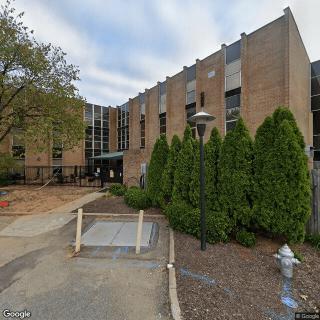
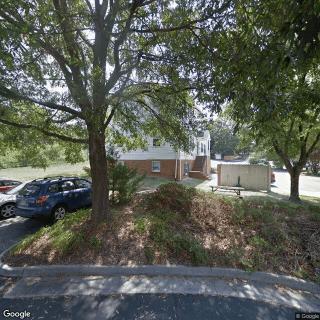
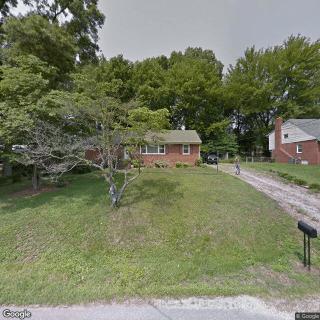
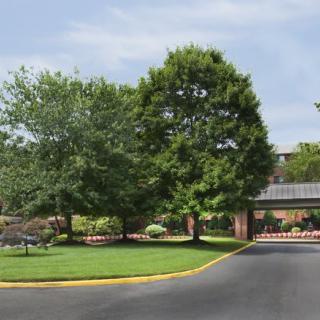
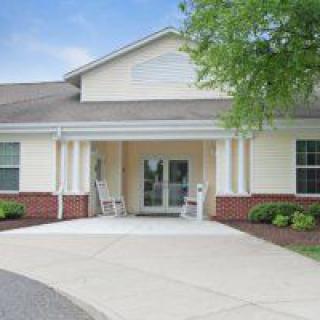
 Clean, well-maintained environment with easy navigation.
 Understanding the Sandwich Generation: Stress and Responsibilities for Multigenerational Caregivers
 8 Essential Assistive Devices for Older Adults
 Navigating the Financial Road to Nursing Home Care: In-Depth Guidance and Resources