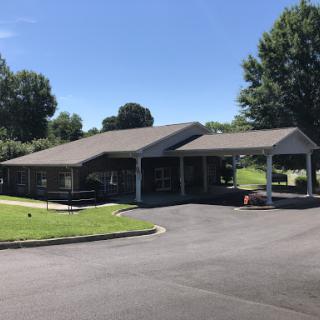
Overall Review of Stratford Healthcare Center
common
25 reviews mention this
Staff are frequently described as caring
Residents and families repeatedly describe staff as kind and dedicated to comfort.
Many reviews describe staff members as friendly, professional, and focused on helping residents feel better and stay comfortable. Several families mention positive day-to-day experiences with nurses, CNAs, and therapy staff, and a few specifically credit staff with making transitions to rehab feel smoother. A smaller set of reviews takes the opposite view, describing missed needs or neglect, but even those reviews usually include specific staff members who they felt were trying.
caveat
5 reviews mention this
Call and communication concerns recur
Some families report trouble getting answers and slower response when care is needed.
Several reviews describe communication problems, including difficulty getting phones answered, delayed responses after using call bells, and a need to keep checking to confirm basic care is delivered. One reviewer also describes concerns about responding to crises and emergencies, as well as medication-related follow-through. A few reviews balance this with more positive updates after leadership changes, including improved phone returns and better responsiveness, but the negative experiences still show up more than once.
common
7 reviews mention this
Rehab therapy gets strong mentions
Rehab therapy is a common highlight in residents’ and families’ feedback.
Reviews frequently mention rehabilitation progress and therapy as helpful, including physical and occupational therapy. Families describe therapy teams as supportive and effective, and at least a few reviews connect the care with improved health, comfort, or outlook. Even among critiques, residents’ or families’ comparisons often circle back to the basics of whether support and assistance are being delivered, which is closely tied to the therapy and rehab experience.
caveat
6 reviews mention this
Cleanliness is mixed but discussed
Cleanliness receives both praise and serious complaints in reviews.
Some reviewers say the facility looks well maintained, has a fresh smell, or is clean and decent. Other reviews describe dirty rooms and bathrooms, broken or unsafe-feeling details, and persistent cleanliness problems. Because cleanliness comes up from multiple directions, it appears to be an inconsistent experience across different visits or time periods.
common
3 reviews mention this
Food and dietary support come up
Families mention food quality and dietary services as part of the experience.
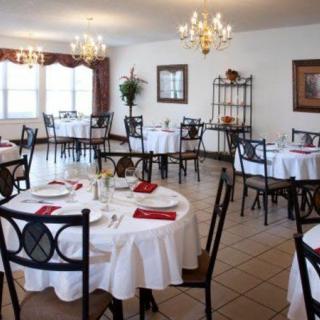
A few reviews directly comment on food, including positive feedback on taste and one mention that the dietary department stands out. Elsewhere, the dining experience is not a major focus, but the community does offer restaurant-style dining and specialized dietary support for restrictions mentioned in reviews. Overall, food shows up in feedback less often than staff and rehab, but it still factors into how families judge day-to-day care.
differentiator
2 reviews mention this
Nearby medical options are very close
Residents can access nearby physician and hospital options within about a mile.
A couple of reviews tie the facility experience to ongoing medical needs and specialized programs, so proximity to care matters. Nearby options listed include physician offices and a hospital within roughly 0.2 miles, which can reduce travel time for appointments and follow-up. This doesn’t replace the caregiving concerns raised in reviews, but it supports the practical need for frequent medical touchpoints.
How we summarize
Counts show how many written reviews mention each theme; a review can touch several themes, and only frequently mentioned themes are displayed.

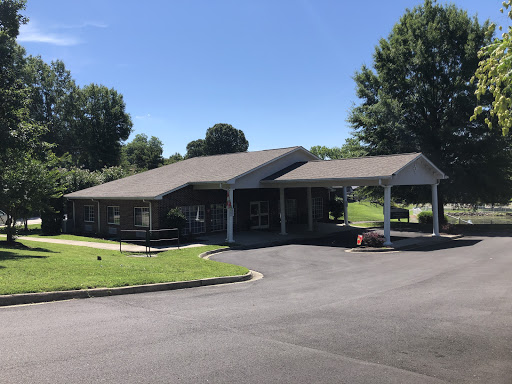
 60 resident community capacity
 Skilled Nursing Facility
 Air-conditioning
 Beauty salon
 Cable or satellite TV
 Computer center
 Dining room
 Fitness room
 Fully furnished
 Gaming room
 Garden
 Housekeeping services
 Kitchenette
 Move-in coordination
 Outdoor space
 Private bathrooms
 Restaurant-style dining
 Small library
 Telephone
 Wellness center
 Wi-Fi/high-speed internet available
 Community operated transportation
 12-16 hour nursing
 24-hour call system
 Activities of daily living assistance
 Assistance with bathing
 Assistance with dressing
 Assistance with transfers
 Diabetes diet
 Medication management
 Mental wellness program
 Special dietary restrictions
 Concierge services
 Planned day trips
 Broad care options (assisted, independent, memory care) with 24/7 supervision and on-site amenities; pricing is competitive vs. local/state averages.


 Home Health Care Demystified: A Comprehensive Guide for Families and Caregivers
 Seniors and Modern Transportation: Exploring Uber, Lyft, and Other Ride-Hailing Options
 Comprehensive Guide to Qualifying for Home Health Care Services