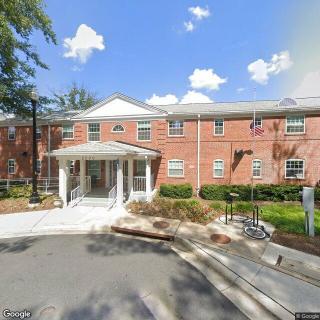
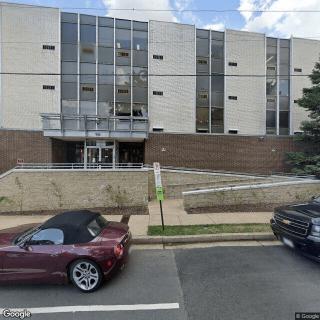
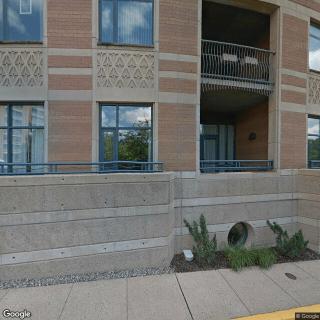
Regency Care Of Arlington is a nursing home community in Arlington, VA.
Information last verified:
1785 South Hayes Street, Arlington, VA 22202
For more information about senior living options: (866) 208-4318
3.3 from 97 reviews
5 stars
46
4 stars
10
3 stars
4
2 stars
2
1 stars
35
Overall Review of Regency Care Of Arlington
differentiator7 reviews mention this
Rehab therapy drives progress
Residents and families often point to physical and occupational therapy as a major reason for improvement.
Multiple reviewers describe getting stronger or regaining abilities after admission, including walking with help or a walker and being able to do more daily tasks. Several mention specific therapy roles such as rehab managers, PT/OT, and individualized work like exercises and therapy sessions. A few families also credit therapy for helping their loved ones improve enough to move and participate again.
common3 reviews mention this
Memory care feels engaging
Families describe memory care staff as attentive and focused on keeping residents engaged.
Reviews that discuss the memory care setting emphasize compassion, patience, and involvement in daily activities. One family notes concerns about isolation and describes their loved one as participating in arts and crafts and field trips. Another reviewer highlights that staff work with dementia-related behaviors using kindness and patience rather than disengagement.
caveat7 reviews mention this
Food quality is a weak point
Several residents and families say the meals fall short and can require outside food.
Some reviewers call the food consistently awful or subpar, saying it is hard to meet daily nutrition needs without bringing food in. Other comments describe cold or poor-tasting meals. A smaller number of reviews are more neutral or positive about food being “OK,” but negative mentions still come up repeatedly.
caveat5 reviews mention this
Call-bell response draws complaints
Some reviewers report delayed help when call bells are answered too slowly.
A recurring concern is understaffing and long waits for assistance, including call alarms going off for hours. Reviewers also mention slow responses to patient calls and describe situations where help seemed unavailable when it was needed. While some reviewers praise responsiveness, the complaints about timeliness show up often enough to be a clear tradeoff to consider.
common9 reviews mention this
Care team support varies by unit
Many reviewers thank nurses, CNAs, and rehab staff for kindness, patience, and follow-through.
Across multiple reviews, families describe staff members who are professional and compassionate, including unit managers and people working directly with residents on day-to-day care. Several reviewers specifically call out help with therapy participation, wound or respiratory-related care, and making residents feel comfortable. At the same time, there are also harsher reviews that criticize neglect or unresponsiveness, suggesting experiences may vary across caregivers or shifts.
How we summarize
Counts show how many written reviews mention each theme; a review can touch several themes, and only frequently mentioned themes are displayed.
Features
Housing
240 resident community capacity
Types of Care
Skilled Nursing Facility
Amenities
Air-conditioning
Beauty salon
Cable or satellite TV
Computer center
Dining room
Fitness room
Fully furnished
Gaming room
Garden
Housekeeping services
Kitchenette
Move-in coordination
Outdoor space
Private bathrooms
Restaurant-style dining
Small library
Telephone
Wellness center
Wi-Fi/high-speed internet available
Transportation
Ronald Reagan Washington National (1 miles away)
Washington Dulles International (22 miles away)
Community operated transportation
Transportation arrangement
Transportation arrangement (non-medical)
Transportation to doctors appointments
Care Services
12-16 hour nursing
24-hour call system
24-hour supervision
Activities of daily living assistance
Assistance with bathing
Assistance with dressing
Assistance with transfers
Diabetes diet
Meal preparation and service
Medication management
Mental wellness program
Special dietary restrictions
Dining
Diabetes diet
Special dietary restrictions
Activities
Community-sponsored activities
Concierge services
Fitness programs
Planned day trips
Resident-run activities
Scheduled daily activities
Nearby Places of Interest
Transportation
Crystal City Metro Station (0.3 miles)
American Airlines Admirals Club (0.8 miles)
Ronald Reagan Washington National Airport Metro Station (0.8 miles)
Pentagon Metro Station (0.8 miles)
Ronald Reagan Washington National Airport (DCA) (0.8 miles)
Terminal 2 (0.9 miles)
Delta Sky Club (0.9 miles)
Pharmacies
CVS Pharmacy (0.5 miles)
CVS Pharmacy (1.6 miles)
CVS Pharmacy (2.3 miles)
CVS Pharmacy (2.5 miles)
Walgreens (2.6 miles)
CVS Pharmacy (2.7 miles)
CVS Pharmacy (2.7 miles)
Restaurants
McDonald's (0.6 miles)
Shake Shack (2.2 miles)
McDonald's (2.6 miles)
McDonald's (2.7 miles)
McDonald's (2.8 miles)
The Salt Line (2.9 miles)
Dacha Beer Garden (2.9 miles)
Parks
Long Bridge Park (0.7 miles)
Gravelly Point Park (1 miles)
East Potomac Park (2 miles)
West Potomac Park (2.2 miles)
Huntley Meadows Park (2.3 miles)
Southwest Duck Pond (2.5 miles)
Georgetown Waterfront Park (3.1 miles)
Cafes
Starbucks (1.4 miles)
Junction Bakery & Bistro (2.6 miles)
Tatte Bakery & Cafe (2.8 miles)
Slipstream (3.1 miles)
Blue Bottle Coffee (3.2 miles)
Philz Coffee (3.2 miles)
Dolcezza (3.4 miles)
Physicians
American College of Obstetricians & Gynecologists (2.4 miles)
Geriatric care managers create personalized care plans for older adults, addressing their medical, social, financial, and psychological needs while coordinating services and advocating for their well-being. They help families navigate caregiving challenges but may be hindered by high costs and a shortage of qualified professionals.
The article highlights the importance of empathy and open communication when comforting someone who is grieving, noting that grief is unique to each individual and emphasizing the need for sincere expressions of condolence, active listening, and ongoing support. It also addresses cultural differences in mourning practices and encourages tailored approaches to provide effective comfort.
Home health care aides provide vital medical and non-medical support to individuals at home, assisting with daily living activities and promoting emotional well-being, while the demand for these services increases due to an aging population. Families benefit from in-home care's flexibility and cost-effectiveness but face challenges like scheduling consistency and caregiver turnover.
Get PricingAsk A QuestionSchedule A TourContact Senior Advisor
By clicking submit, you agree to our Partner's Terms of Use. You
also consent to receive calls and texts, which may be autodialed, from our Partner. Your consent is not a condition to
using our Partner's service. Please visit our Partner's Privacy Policy for information about their privacy practices.

 240 resident community capacity
 Skilled Nursing Facility
 Air-conditioning
 Beauty salon
 Cable or satellite TV
 Computer center
 Dining room
 Fitness room
 Fully furnished
 Gaming room
 Garden
 Housekeeping services
 Kitchenette
 Move-in coordination
 Outdoor space
 Private bathrooms
 Restaurant-style dining
 Small library
 Telephone
 Wellness center
 Wi-Fi/high-speed internet available
 Ronald Reagan Washington National (1 miles away)
 Community operated transportation
 12-16 hour nursing
 24-hour call system
 Activities of daily living assistance
 Assistance with bathing
 Assistance with dressing
 Assistance with transfers
 Diabetes diet
 Medication management
 Mental wellness program
 Special dietary restrictions
 Concierge services
 Planned day trips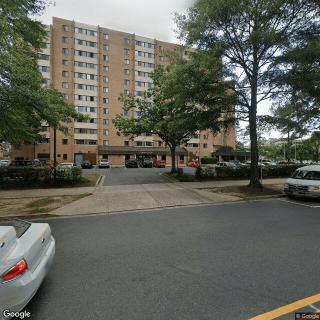
 Extensive nearby amenities and services (cafes, restaurants, parks, healthcare, transit, worship, and entertainment) in Arlington.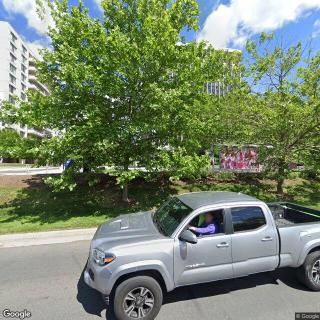
 Is a Geriatric Care Manager the Right Choice for Your Family?
 Compassionate Conversations: How to Comfort Someone Who Is Grieving
 Home Health Care Aides: Understanding Their Role and Supporting Your Family