
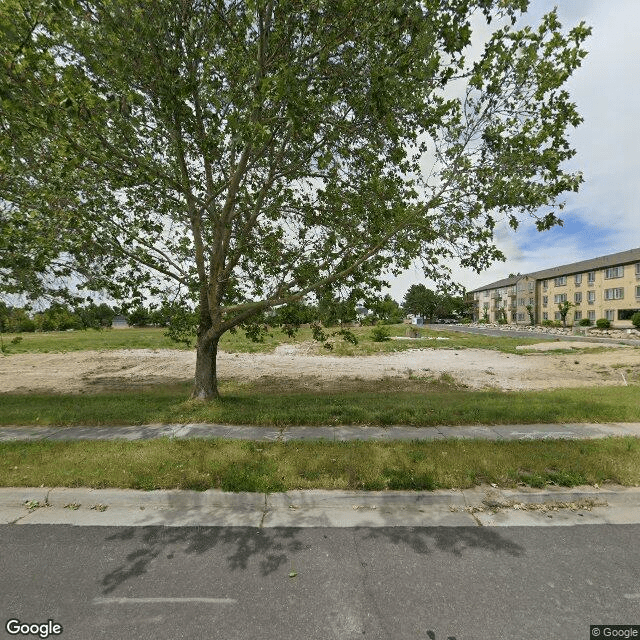
575 East 11000 S, Sandy, UT 84070
To contact a resident: (801) 571-7600
For more information about senior living options: (866) 208-4318
Crosslands Rehabilitation & Healthcare Center Costs & Pricing
At Crosslands Rehabilitation & Healthcare Center, the monthly costs for care reflect a commitment to quality service and amenities. For a semi-private room, residents can expect to pay $4,178, which is slightly above the average cost of $3,970 in Salt Lake County and significantly higher than the state average of $3,596. Those opting for a private room at Crosslands will incur a monthly fee of $4,575, again positioning it above both the county's average of $4,082 and Utah's state average of $3,782. These figures illustrate that while Crosslands may be priced higher than some local and state alternatives, this investment is often associated with enhanced care standards and specialized support services designed to meet the needs of its residents.
| Floor plans | Crosslands Rehabilitation & Healthcare Center | Salt Lake County | Utah |
|---|---|---|---|
| Semi-Private | $4,178 | $3,970 | $3,596 |
| Private | $4,575 | $4,082 | $3,782 |
Skilled Nursing Facilities with a similar price nearby
-
from -$628 / mo
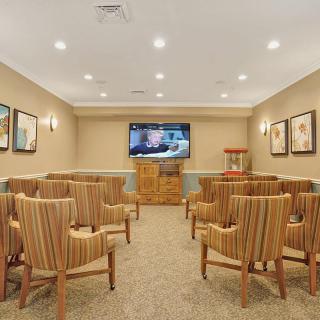
The Charleston at Cedar Hills
$3,550 to $5,500 / month11.1 miles away -
from -$478 / mo
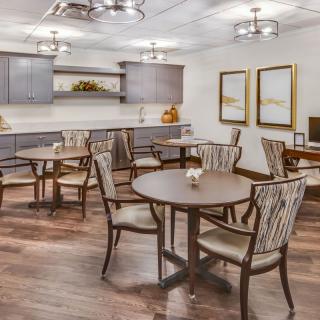
Legacy House of Bountiful
$3,700 to $5,750 / month23.3 miles away -
from -$728 / mo
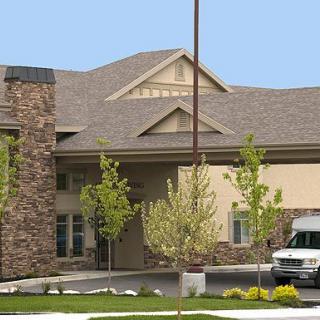
Carrington Court
$3,450 to $4,650 / month3.9 miles away -
from -$778 / mo

Legacy Village of Provo
$3,400 to $5,000 / month21.5 miles away -
from -$378 / mo
Assisted Living of Draper
$3,800 / month3.2 miles away
Overall Review of Crosslands Rehabilitation & Healthcare Center
Pros
 The reviewer is deeply concerned about her father's safety and well-being.
- The reviewer advocates vigorously for proper medical care for her father.
- The reviewer acts quickly and decisively to protect her father's welfare.
- The reviewer prioritizes the father's wishes and dignity in medical decisions.
- The reviewer seeks accountability and improvements in care through direct communication with facility leadership.
Cons
 The facility was described as the worst place to send a loved one.
- The father’s oxygen was forgotten on two occasions.
- A walker was left beside his bed, causing disorientation and a fall.
- The father knocked himself out after the fall.
- The facility pressed the mother to ensure a DNR was in place.
- The staff ignored the brother’s input when the father insisted on going to the ER.
- The CEO’s response was only “I’m sorry.”
Review
Crosslands Rehabilitation & Healthcare Center in Sandy is best considered only by families prepared to be deeply involved and ready to push for immediate, persistent advocacy. A troubling safety incident reveals core vulnerabilities in basic care delivery, safety monitoring, and honoring a resident’s stated wishes. In practical terms, this facility will demand vigilant external oversight to prevent harm and to ensure care remains aligned with a resident’s care goals. Without that level of family or advocate involvement, the risk of repeated missteps is too high to overlook.
Explicitly, alternatives should be on the table for anyone who requires reliable oxygen management, timely meals, and clear, patient-centered medical decision-making. Families without the bandwidth to monitor day-to-day care or without access to a professional advocate are likely to confront ongoing safety gaps. Residents who need steady gait support, predictable therapy progression, and leadership that communicates with compassion and transparency should consider other options. In short, this community is not a fit for those seeking a safety net that aligns with patient autonomy and consistent clinical judgment.
In theory, rehab-focused settings bring structure, therapy-driven routines, and integrated oversight that can support mobility and recovery. In this account, however, those potential strengths do not materialize because fundamental safety practices are compromised. The combination of an oxygen management lapse, a walker left near a bed leading to disorientation and a fall, and a troubling pattern of communication that leaves families in the dark all but nullifies any rehabilitative upside. The lack of proactive risk mitigation means the usual benefits of recovery-focused care are overshadowed by avoidable hazards. The overall picture is one of danger that outweighs any marginal gains from therapy in place.
The most serious cons are concrete and recurring: oxygen was forgotten twice, at critical levels; a mobility aid was left within reach, precipitating a night-time incident that led to a fall; residents’ needs, such as nutrition and pain relief, were not promptly met; decisions about critical medical directives appeared to be driven by facility self-interest rather than patient wishes; and leadership responses were dishearteningly cursory. The consequence is a pattern where safety and dignity hinge on external intervention rather than dependable internal safeguards. When a CEO’s apology is the primary remedy offered, the red flags are not merely cautionary, they are calls to re-evaluate the entire care approach.
From a practical standpoint, families should demand concrete safeguards before considering continued placement. Insist on an immediate, documented oxygen-management protocol with real-time monitoring and a clear escalation path. Require a patient-centered care plan that centers the resident’s preferences, with a physician-oversight component and a named case manager responsible for weekly updates. Push for visible leadership accountability, staff training in safety protocols, and transparent incident reporting. If satisfactory assurances cannot be secured, begin exploring transfers to facilities with stronger safety records, verified nursing ratios, and a culture of proactive problem-solving rather than reactive apologies.
In the end, this community is not suitable for most seniors needing reliable rehab and strict safety standards. The documented gaps in oxygen management, mobility safety, and resident-directed care create a risk profile that overwhelms any potential rehab benefits. Families should course-correct toward facilities with demonstrable safety histories, clear governance, and a track record of honoring patient autonomy through strong leadership and attentive, consistent care. The prudent path is to pursue alternatives that offer verifiable safety, proactive communication, and a culture that treats safety and dignity as non-negotiable priorities.
 Skilled Nursing Facility
 Private
 Salt Lake City International (17 miles away)

 Comprehensive Guide to Medicare Coverage for Hospice Care
 Caring for Those Who Care: Recognizing, Understanding, and Overcoming Caregiver Burnout
 Caregiver Exhaustion: Recognizing the Signs and Restoring Your Well-Being