
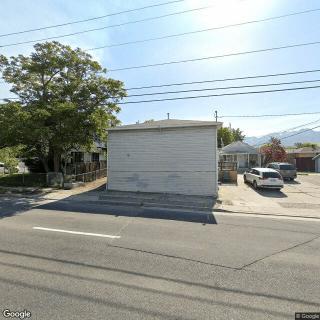
3094 South State Street, Salt Lake City, UT 84115
For more information about senior living options: (866) 208-4318
Overall Review of Little Cottonwood Rehabilitation And Nursing
Pros
 Staff are great to work with.
- Management is described as having a true desire to care and achieve positive outcomes for residents.
- These wonderful people cared for my mother until she passed; they were kind, patient, encouraging, and strove to provide her the highest quality of life she could have despite her mental illness.
- After her passing they quickly helped with information and encouragement and have been patient and kind with the family.
- The facility is described as clean with great food and supportive surroundings that help patients be well cared for.
Cons
 The facility did not allow visits during COVID.
- Residents are sedated during visits.
- They refused to provide much-needed physical therapy.
- They vaccinated a healthy resident against his will.
- They refused visitation to unvaccinated individuals.
- A supervisor hung up on the reviewer.
- Monthly payments are extremely hard to make, and the facility cannot accept Visa or debit card payments.
- There is no online information or photos to preview the facility.
- The facility has roach and rodent infestations, with droppings found in kitchens and resident areas.
- Management is poorly run and described as ignorant and misguided.
Review
Little Cottonwood Rehabilitation and Nursing in Salt Lake City is best suited for residents who need skilled nursing and rehabilitation in a small, intimate setting where daily care feels personalized and consistently attentive. The facility tends to work best for families that value hands-on, compassionate staff who genuinely engage with residents and are willing to partner closely with relatives on care plans. In this environment, residents often benefit from direct, near-constant interactions with nurses and aides, and smaller numbers can translate into more tailored attention, better day-to-day oversight, and a sense of neighborhood familiarity.
Those considering alternatives should look for facilities with a clearer track record on safety, operations, and transparency. The most compelling reason to explore other options is the combination of pest-related concerns and management communication gaps that recur in multiple reviews. Prospective families with high expectations for consistently pristine conditions, straightforward payment processes, and unambiguous, proactive administration may find these gaps untenable. Also, families seeking a facility with a rigid, well-documented approach to PT services, clear visitation policies, and decisive medical decision-making will want to compare options elsewhere.
On the positive side, staff at Little Cottonwood are repeatedly described as capable and caring, with management that shows a genuine desire to improve residents’ lives. Nursing and rehabilitation skills receive strong praise from families who see tangible benefit in the care their loved ones receive. In the most favorable accounts, the staff’s dedication shines through day after day, and the facility’s small size helps keep residents’ routines consistent and personalized. When families recall times of comfort, gentleness, and perseverance from the care team, those memories carry weight against the more troubling points raised elsewhere.
But the downsides are hard to ignore. Infestation issues, roaches and rat-related concerns, appear in multiple reviews and directly threaten daily life and perceived safety. Complaints about management’s responsiveness and professionalism compound these worries: reports of communication breakdowns, including an employee allegedly hanging up during disputes, create distrust at the point of contact families rely on most. Payment friction and difficulty obtaining clear information online add another layer of frustration, particularly for families trying to coordinate bills from afar. These operational shortcomings tend to undercut the strong clinical care narrative.
When weighing pros and cons, the key question is whether the compassionate, skilled nursing and rehab can outweigh ongoing environmental and administrative risks. For residents who arrive with clear rehab goals and who have robust family involvement to monitor progress, the advantages can be meaningful, the care quality can be high where it matters most, and the supportive staff can help preserve dignity and quality of life during recovery. Yet the persistent pest issues, inconsistent management communication, and access barriers to services like therapy and payments often tilt the balance toward caution.
Practical guidance for families pursuing this option is straightforward. Schedule multiple visits at different times to observe staff interactions and resident demeanor across shifts. Request a detailed, written care plan, including therapy schedules, daily routines, and steps taken to address any behavioral or medical concerns. Ask for recent pest-control records and a clear explanation of how the facility handles family communication, billing, and urgent questions. If possible, speak with the administrator or director about specific expectations for PT availability and reassessment processes. For those who prize warmth and skilled nursing in a tight-knit setting, this community can deliver; for those whose top priorities are flawless operations, transparent governance, and pristine environmental controls, it’s prudent to compare closely with alternatives before deciding.
 37 resident community capacity
 Skilled Nursing Facility
 Beauty salon
 Cable or satellite TV
 Dining room
 Fully furnished
 Garden
 Housekeeping services
 Kitchenette
 Move-in coordination
 Outdoor space
 Restaurant-style dining
 Small library
 Telephone
 Wi-Fi/high-speed internet available
 Salt Lake City International (7 miles away)
 24-hour call system
 Activities of daily living assistance
 Assistance with bathing
 Assistance with dressing
 Assistance with transfers
 Diabetes diet
 Medication management
 Mental wellness program
 Special dietary restrictions





 Managing Nursing Home Expenses After Medicare Coverage Ends
 Is a Geriatric Care Manager the Right Choice for Your Family?
 Compassionate Conversations: How to Comfort Someone Who Is Grieving