4925 Elizabeth Street, Texarkana, TX 75503
For more information about senior living options: (866) 208-4318
Overall Review of Edgewood Manor
Pros
 The staff is friendly with the patients.
- The facility is wonderful with the new staff, and bigger and better things are in store.
- It seemed like the best fit for their parent.
- The staff were friendly and compassionate and always ready to answer questions.
- The staff did everything they could to make him comfortable and to ease a difficult situation.
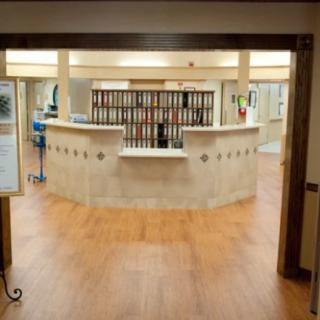
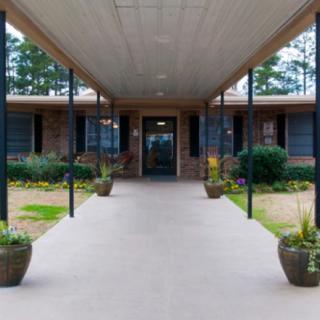
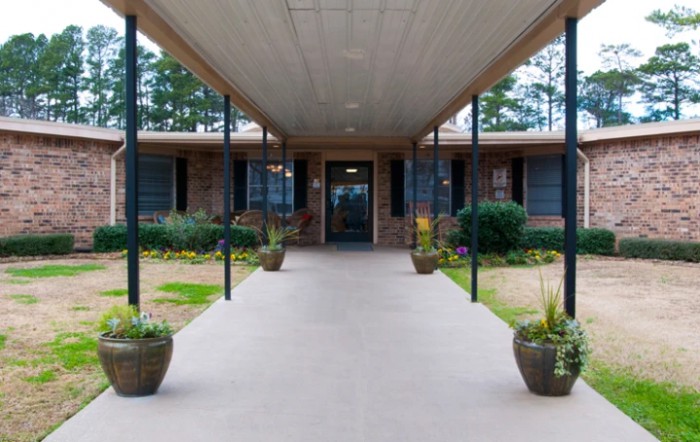
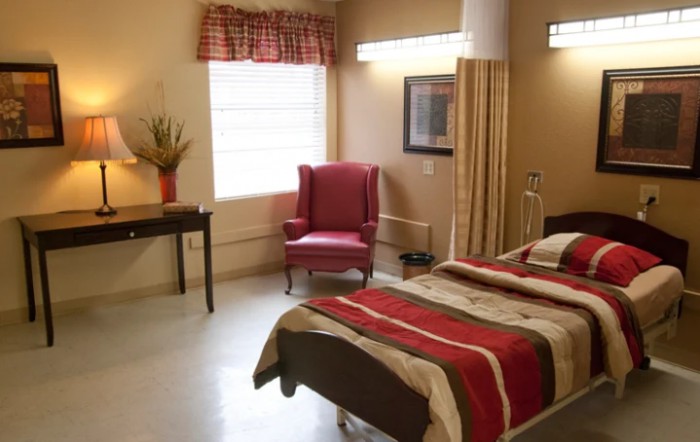
- The facility was clean and well maintained.
Cons
 They were held against their will and threatened with abandonment charges if they tried to leave.
- The staff did not assist with basic needs, such as helping a patient into a wheelchair or into the car.
- Essential care was neglected: missed insulin administration, lost teeth, pneumonia, and dangerously high blood sugar.
- They would not recommend the facility for a loved one and would avoid staying there.
- Communication was poor: calls were not returned for weeks and updates were rare.
- The staff were often unconcerned and unapproachable; incontinence care and bathing were neglected; meals were substandard.
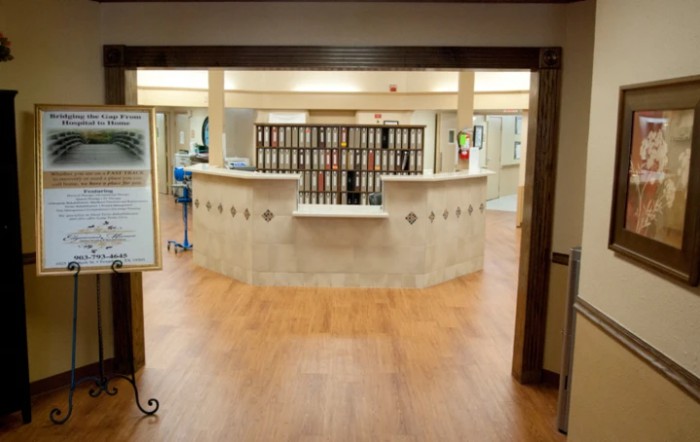
- Front-desk staff did not greet residents or families, and administration lacked communication and concern.
- Scheduling and responsiveness were inconsistent, with late doctor appointments and delays in readiness for discharge.
Review
Edgewood Manor in Texarkana, TX is best suited for families seeking a secure, contained setting where safety features take priority and where daily medical oversight may be uneven. The facility’s appeal rests on a clearly defined locked unit and a calm, older-building atmosphere that some families perceive as clean and manageable. This is not a center built around aggressive rehab or consistently proactive care. The core reality is that direct day-to-day support and medical responsiveness appear inconsistent, so families must temper expectations around how regularly staff will attend to routine needs or respond to urgent concerns.
Those who may want alternatives are clear: anyone prioritizing reliable medical management, steady family communication, and consistently thorough daily care should look elsewhere. Several reviews recount missed medications, lapses in insulin administration, and even serious infections or hospital-level concerns that went unaddressed for too long. In addition, persistent communication gaps, no callbacks, little proactive family updates, and staff who seem unapproachable at critical moments, make this a risky choice for loved ones who require predictable oversight. For residents needing frequent therapy progress, timely transfers, or a robust activity program, Edgewood Manor is likely to disappoint.
Pros do exist, but they are narrow and context-specific. A number of reviewers point to a friendly, approachable attitude from some staff and a generally pleasant environment in parts of the facility, suggesting that when staffing aligns, care can be humane. The concept of a secured, locked unit remains a meaningful safety feature for families worried about wandering or elopement, providing a sense of containment that is difficult to match in non-secure settings. In some instances, families noticed improvements, better food, more attentive staffing on certain shifts, and a perceived willingness to cooperate with Hospice services, which signals that positive change is possible when leadership and frontline teams are aligned.
Yet the downsides are substantial and frequently decisive. Core concerns include neglect of basic daily care, such as assistance with mobility, incontinence care, or routine bathing; instances of residents being left in soiled garments or uncomfortable conditions; and reports of delays in getting residents ready for pick-ups or medical appointments. The front desk and administrative staff are repeatedly described as detached or unhelpful, creating a chasm between families and the care team at precisely the moments when information is most needed. Activity programming is described as sparse, leading to isolation and reduced engagement for residents who benefit from social interaction and structured routines. Taken together, these gaps seriously undermine trust and question the facility’s capacity to sustain safe, person-centered care over time.
The bottom-line: the decision hinges on whether safety features and a contained environment suffice given the likelihood of variable care quality. The strong, practical question becomes whether the facility can guarantee reliable medication administration, consistent daily support, timely communication, and a dependable care plan, elements families should require in writing before placement. Prospective residents should demand a detailed medication protocol, a clear daily assistance schedule, and a transparent framework for regular family updates, plus evidence of consistent staffing across shifts. Observing interactions firsthand, speaking with current residents and their families, and reviewing incident-reporting practices will illuminate whether Edgewood Manor can meet essential expectations or if the search for a more consistently reliable option should continue.
In the end, Edgewood Manor will serve best those who prioritize safety and a contained environment, even at the expense of seamless daily care and open communication. For loved ones needing dependable medical oversight, steady staff engagement, and proactive family involvement, alternatives should be pursued with deliberate comparison to facilities known for care continuity and meaningful resident engagement. The right choice rests on balancing the security appeal with the real-world performance demonstrated by resident care, communications, and responsiveness in daily operations.
 104 resident community capacity
 Skilled Nursing Facility
 Air-conditioning
 Beauty salon
 Cable or satellite TV
 Computer center
 Dining room
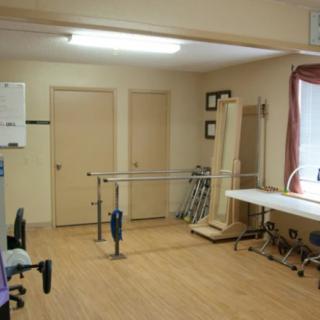
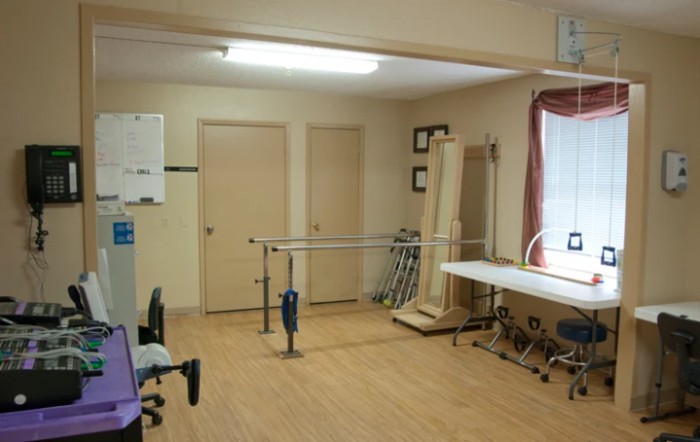
 Fitness room
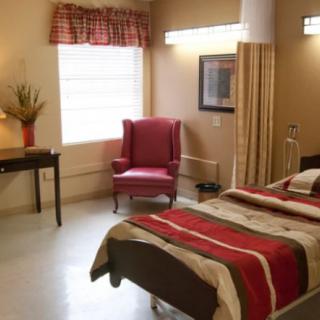
 Fully furnished
 Gaming room
 Garden
 Housekeeping services
 Kitchenette
 Move-in coordination
 Outdoor space
 Private bathrooms
 Restaurant-style dining
 Small library
 Telephone
 Wellness center
 Wi-Fi/high-speed internet available
 Texarkana Regional-Webb (4 miles away)
 Community operated transportation
 12-16 hour nursing
 24-hour call system
 Activities of daily living assistance
 Assistance with bathing
 Assistance with dressing
 Assistance with transfers
 Diabetes diet
 Medication management
 Mental wellness program
 Special dietary restrictions
 Concierge services
 Planned day trips



 Comprehensive Look at Senior Blood Pressure Charts: Normal and Elevated Levels by Age
 Top Canine Companions for Older Adults
 Comprehensive Guide to Blood Pressure Charts for Older Adults: Understanding Normal and High Readings by Age