Wellington Rehabilitation And Healthcare in Temple, TX

Save

Wellington Rehabilitation And Healthcare in Temple, TX

Information last verified:

1802 South 31St, Temple, TX 76504

For more information about senior living options: (844) 490-3973

4.3 from 97 reviews
5 stars
73
4 stars
9
3 stars
2
2 stars
0
1 stars
13

Overall Review of Wellington Rehabilitation And Healthcare

Pros

  • pro The front desk staff were exceptionally nice and helpful.
  • pro Overall, the experience was nice.
  • pro It is a great place to visit.
  • pro The Thanksgiving lunch was delicious.
  • pro The staff were very nice, welcoming, and friendly.
  • pro The staff are knowledgeable, friendly, and accommodating.
  • pro Pam demonstrated integrity, tenacity, professionalism, and genuine concern for patients.
  • pro The staff were warm, friendly, and made visitors feel that the patients were in good hands.
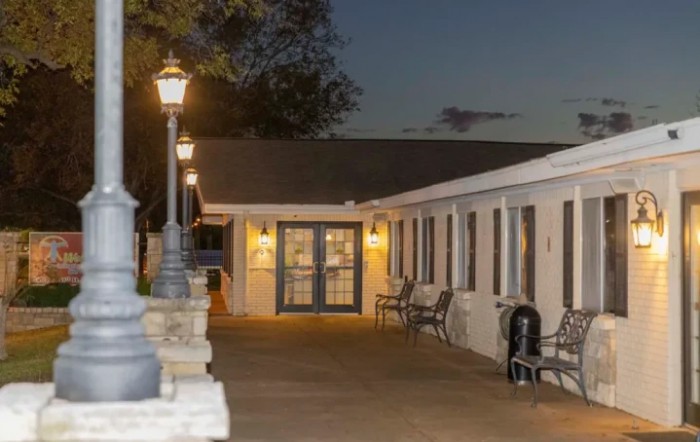
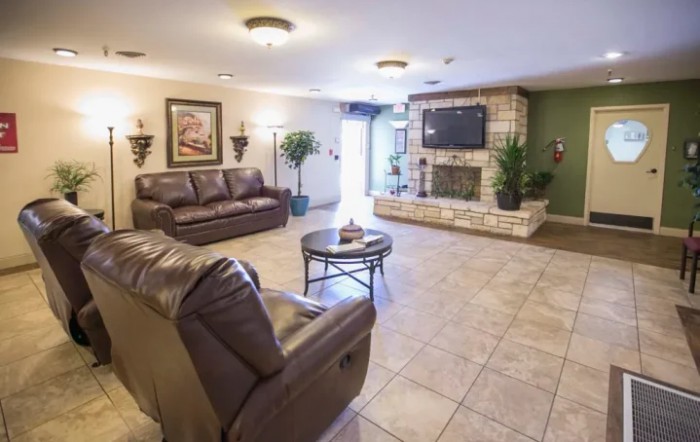
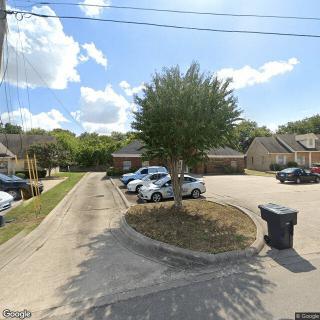
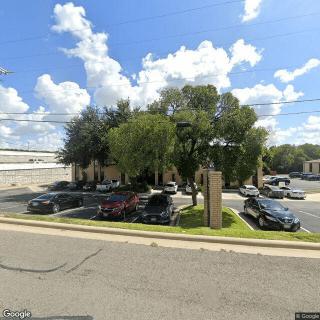
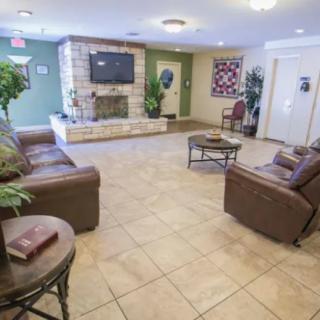
  • pro The facility is bright and clean with smiles at every turn.

Cons

  • pro The reviewer warned not to send a family member there, citing poor care and mismanagement.
  • pro The patients and many staff appeared unhappy, and few employees greeted residents with a smile.
  • pro The facility is poorly maintained: hallways smell of urine, rooms are dirty, and walls are scratched.
  • pro Dietary restrictions for diabetics were ignored, with cookies, cakes, and other unsuitable foods given.
  • pro Medications were mishandled; a resident was receiving seizure medication that wasn’t prescribed.
  • pro Call buttons are rarely answered, and the staff is often short-staffed.
  • pro A resident was found exposed and inadequately clothed, indicating neglect.
  • pro There are allegations of financial mismanagement and manipulation by administrative staff (e.g., office manager).

Review

Wellington Rehabilitation And Healthcare in Temple, TX is best suited for families that prize a warm, resident-centered atmosphere where approachable staff, a sense of community, and robust rehabilitation services are central. It works well for loved ones who want ongoing social engagement, visible daily activity, and nurses and aides who are consistently described as friendly and caring. For families prioritizing consistently flawless medication administration, perfectly pristine rooms, and a perfectly contemporary building, alternatives may be worth a closer look. This community can deliver on humanity and hands-on rehab, but it does so with a trade-off that families should weigh against their nonnegotiables.

The strongest, most repeatedly cited strengths center on people and mood. Front desk hospitality is frequently highlighted, with staff described as welcoming, patient, and genuinely helpful. The environment is often portrayed as bright, homey, and secure, with residents who seem engaged in daily activities and social connections. Therapists and nurses receive sustained praise for knowledge, attentiveness, and willingness to check in with families. Multiple reviewers point to improvements in management and a visible emphasis on cleanliness and safety, and several families single out specific staff members, an admissions coordinator, a head nurse, and a receptionist, as positive anchors. In short, the human element, friendliness, compassion, and consistent availability, creates a lived-in sense of care that many families find reassuring, especially for short-term rehab and long-term stays where emotional comfort matters as much as clinical outcomes.

But the most damning patterns in the feedback are the operational and care-quality gaps. Several accounts describe failure to respond promptly to calls, delays or inconsistencies in medication administration, and lapses in medical oversight that escalate into ER visits or hospital readmissions. Observations include unaddressed changes in a patient’s state, rooms that smell of urine or show signs of wear, and a few reports of care that felt hurried or impersonal. Dietary missteps, especially for residents with diabetes, recur in one or two reviews, underscoring a potential disconnect between medical orders and day-to-day nutrition. A few families recount staff shortages, with photos of older facilities that feel dated, and some residents left unattended for long stretches. Taken together, these patterns signal meaningful risk for families relying on reliable, clockwork-like care.

Those pros and cons don’t cancel each other out; they interact in meaningful ways for decision-making. The positive daily interactions, strong social programming, and the visible commitment of several standout clinicians can offset many concerns for families prioritizing a nurturing rehab milieu and a friendly, stable atmosphere. However, significant gaps in medication safety, timely response, and consistent clinical oversight can undermine trust when a loved one needs precise management or has fragile health. The contrast is stark: if the emphasis is on rehab engagement, recovery momentum, and a comforting, family-oriented environment, Wellington often delivers; if the priority is ironclad operational discipline and impeccable, pharmacy-grade consistency, careful verification and perhaps alternatives should be pursued.

Context matters for scenarios like diabetes management, post-acute rehab, or bariatric needs. For families deeply invested in a highly responsive call system and strictly monitored med administration, the reported inconsistencies could be a deal-breaker. Yet for those who want a welcoming home-like setting where residents participate in activities and feel seen by staff, the sums of praise for caregivers, therapists, and the administration team can be compelling. The facility’s strewn but redeeming strengths, strong nursing and therapy teams in a clean, secure environment, provide a workable path for many, provided expectations are clearly set and ongoing concerns are actively monitored with staff and leadership.

To navigate a potential placement effectively, families should prioritize frontline confirmation and evidence. Tours should include unannounced call-bell trials, a direct conversation with the director of nursing about medication protocols, and a room-by-room inspection for cleanliness and odor. Request to meet the head therapist and the admissions coordinator to understand the rehab plan, therapy frequency, and how communication with families is maintained. Ask for recent quality metrics, turnover rates, and plans for addressing any cited maintenance or staffing gaps. If possible, speak with current residents about daily routines, meal quality, and how concerns are handled. Finally, verify the facility’s plan for ongoing upgrades to the building and infrastructure, and confirm contingency procedures for urgent medical needs.

In the end, Wellington Rehabilitation And Healthcare represents a practical choice for families seeking a compassionate, engaging rehab and living environment with a strong emphasis on personal warmth and professional care. It can feel like a true home where staff know residents by name and where therapy teams drive meaningful recovery. Yet the facility’s success hinges on consistent medication safety, timely responsiveness, and the absence of pervasive odor or maintenance issues. For some, these hurdles are survivable trade-offs for the heart and human touch on the floor; for others, they necessitate a broader search. The informed approach is to visit with a clear checklist, question relentlessly, and balance the immediate comfort of a lively, caring community against the nonnegotiables of medical reliability and facility standards. This is where families will either find their best-fit partner or identify viable alternatives that better align with strict requirements for care delivery.

Features

Housing

  • 124 resident community capacity 124 resident community capacity

Types of Care

  • Skilled Nursing Facility Skilled Nursing FacilitySkilled Nursing Facilities are crucial for seniors as they provide round-the-clock medical care, rehabilitation services, and assistance with daily activities. These facilities ensure that seniors receive the specialized care they need to maintain their health and well-being as they age.

Amenities

  • Air-conditioning Air-conditioningAir conditioning is important for seniors as they are more vulnerable to heat-related illnesses and may have underlying health conditions that make it difficult for them to regulate their body temperature. It helps to keep them comfortable, safe, and healthy in hot weather.
  • Beauty salon Beauty salonBeauty salons are important for seniors because they provide a space for them to feel pampered, socialize, and maintain their personal grooming and hygiene. Regular visits to a beauty salon can help boost seniors' self-esteem and overall well-being.
  • Cable or satellite TV Cable or satellite TVCable or satellite TV is important for seniors because it provides entertainment, news, and companionship, helping to combat loneliness and boredom. It also offers a wide range of programming options tailored to different interests and preferences.
  • Computer center Computer centerA computer center is essential for seniors as it provides access to technology, communication tools, and resources that can enhance their daily lives. It allows them to stay connected with loved ones, engage in online activities, and learn new skills, ultimately promoting socialization and mental stimulation.
  • Dining room Dining roomDining rooms are important for seniors as they provide a space for socialization, connection, and nutritious meals. They offer opportunities for residents to bond over shared meals, foster a sense of community, and promote healthy eating habits. Dining rooms also ensure that seniors have access to well-balanced meals tailored to their dietary needs and preferences.
  • Fitness room Fitness roomHaving a fitness room in a senior living community is essential for seniors to stay active, maintain their physical health, and improve their overall well-being. Regular exercise can help prevent falls, reduce the risk of chronic diseases, and promote mental sharpness. It also provides social opportunities for residents to connect with others and enjoy a sense of community.
  • Fully furnished Fully furnishedFully furnished senior living communities are important for seniors because they provide convenience, comfort, and a hassle-free moving experience. Seniors can easily settle into their new living space without the stress of having to buy and move furniture. This allows them to focus on enjoying their new home and community.
  • Gaming room Gaming roomGaming rooms are important for seniors as they provide a fun and engaging environment for socializing, cognitive stimulation, and physical activity. Games can improve memory, problem-solving skills, and overall mental well-being while fostering friendships and reducing feelings of isolation.
  • Garden GardenGardens are important for seniors as they provide a peaceful and therapeutic environment for relaxation, physical activity, and socialization. Being in nature has been shown to reduce stress, improve mood, and promote overall well-being. Gardens also offer opportunities for seniors to engage in gardening activities, which can improve mobility, flexibility, and cognitive function. Additionally, gardens create a sense of community and connection with others who share a passion for plants and outdoor spaces.
  • Housekeeping services Housekeeping servicesHousekeeping services are important for seniors because they help maintain a clean and safe living environment, promote independence, and reduce the risk of accidents or illnesses. Additionally, having assistance with household chores can alleviate physical strain and allow seniors to focus on other aspects of their well-being.
  • Kitchenette KitchenetteKitchenettes are important for seniors living in senior living communities because they provide the convenience and independence of being able to prepare simple meals and snacks in the comfort of their own living space. This can help promote a sense of autonomy and well-being for seniors, allowing them to maintain some level of control over their dietary choices and daily routines.
  • Move-in coordination Move-in coordinationMove-in coordination is important for seniors because it helps ease the transition into their new living environment. It ensures that all logistics, such as packing, organizing movers, and setting up utilities are taken care of, allowing seniors to focus on settling in and adjusting to their new home. Having a smooth move-in process can alleviate stress and anxiety, making the transition smoother and more enjoyable for seniors.
  • Outdoor space Outdoor spaceOutdoor spaces are important for seniors as they provide opportunities for physical activity, social interaction, exposure to natural light and fresh air, and a sense of connection to nature. Having access to outdoor spaces can improve overall well-being and quality of life for older adults living in senior communities.
  • Private bathrooms Private bathroomsPrivate bathrooms are important for seniors in senior living communities because they provide independence, dignity, and comfort. Having a private bathroom allows seniors to maintain their personal hygiene routines without the need for assistance, promoting a sense of autonomy and privacy. Additionally, private bathrooms help prevent the spread of infections and provide a safe and clean environment for seniors to navigate safely.
  • Restaurant-style dining Restaurant-style diningRestaurant-style dining is important for seniors because it allows them to enjoy delicious, nutritious meals in a social and upscale setting. This enhances their dining experience, promotes healthy eating habits, and fosters socialization with fellow residents, ultimately contributing to their overall well-being and quality of life.
  • Small library Small librarySmall libraries are important for seniors as they provide access to a variety of reading materials, including books, newspapers, and magazines. This can help stimulate their minds, keep them engaged, and provide a sense of community through book clubs and other social activities. Additionally, reading has been shown to improve cognitive function and overall mental well-being in older adults.
  • Telephone TelephoneTelephones are important for seniors as they provide a lifeline for communication with loved ones, emergency services, and healthcare providers. They offer a sense of security and independence, enabling seniors to stay connected and access assistance when needed.
  • Wellness center Wellness centerWellness centers are important for seniors because they offer a variety of programs and services that promote physical, mental, and emotional well-being. These centers provide opportunities for exercise, socialization, education, and relaxation, helping seniors maintain their overall health and quality of life.
  • Wi-Fi/high-speed internet available Wi-Fi/high-speed internet availableWi-Fi/high-speed internet is important for seniors to stay connected with loved ones, access online resources, and participate in virtual activities to combat feelings of loneliness and isolation. It also allows them to easily manage healthcare needs, access entertainment, and engage in lifelong learning opportunities.

Transportation

  • Community operated transportation Community operated transportationCommunity operated transportation is crucial for seniors as it provides them with the means to access essential services, social activities, and medical appointments. It allows seniors to maintain their independence and quality of life by ensuring they can participate in activities outside of their homes. Additionally, community-operated transportation services offer a safe and reliable way for seniors to travel without having to rely on family or friends for assistance.
  • Transportation arrangement Transportation arrangementTransportation arrangements are crucial for seniors as they may face challenges with driving, mobility, or access to public transportation. Having reliable transportation services ensures that seniors can easily attend appointments, social activities, and maintain their independence and quality of life.
  • Transportation arrangement (non-medical) Transportation arrangement (non-medical)Transportation arrangements are essential for seniors as they provide access to essential services, activities, and social interactions outside the home. This service helps maintain independence, mobility, and overall well-being for seniors who may have limited transportation options.
  • Transportation to doctors appointments Transportation to doctors appointmentsTransportation to doctors appointments is crucial for seniors as it ensures they have access to necessary medical care and support, promoting their health and well-being. It allows them to receive timely treatment, monitor existing conditions, and address any new health concerns efficiently. Additionally, transportation services can help seniors maintain their independence and quality of life by enabling them to stay connected with their healthcare providers.

Care Services

  • 12-16 hour nursing 12-16 hour nursing12-16 hour nursing care is crucial for seniors in order to ensure around-the-clock monitoring, timely medication administration, and prompt response to any health concerns or emergencies. This level of care helps to promote the overall well-being and safety of seniors living in senior living communities.
  • 24-hour call system 24-hour call system24-hour call systems are important for seniors because they provide peace of mind and immediate assistance in case of emergencies. This technology ensures that help is always available, promoting safety and security for elderly individuals living alone or in assisted living facilities.
  • 24-hour supervision 24-hour supervision24-hour supervision is important for seniors to ensure their safety, well-being, and access to immediate assistance in case of emergencies or health issues. This constant support provides peace of mind for both seniors and their loved ones, allowing them to age in place with dignity and security.
  • Activities of daily living assistance Activities of daily living assistanceActivities of daily living assistance are important for seniors because they provide essential support with tasks such as eating, bathing, dressing, and mobility. This assistance helps seniors maintain their independence, dignity, and overall quality of life as they age.
  • Assistance with bathing Assistance with bathingAssistance with bathing is crucial for seniors as it helps maintain personal hygiene, prevents infections, and ensures their overall well-being and comfort. It also provides a sense of dignity and independence for seniors who may struggle with this task on their own.
  • Assistance with dressing Assistance with dressingAssistance with dressing is important for seniors because it helps maintain their independence, promotes personal hygiene, prevents accidents and injuries, and improves overall quality of life. This service ensures that seniors can continue to dress comfortably and confidently, despite any physical limitations they may have.
  • Assistance with transfers Assistance with transfersAssistance with transfers is crucial for seniors as it helps prevent falls and injuries, maintains their independence, and ensures they can safely navigate their living environment. It also provides peace of mind for both seniors and their loved ones.
  • Diabetes diet Diabetes dietA diabetes diet is crucial for seniors as it helps manage blood sugar levels, reduce risks of complications, and improve overall health and well-being. By following a balanced and nutritious diet tailored to their specific needs, seniors can better control their diabetes and enhance their quality of life.
  • Meal preparation and service Meal preparation and serviceMeal preparation and service are crucial for seniors as they may have limited mobility or energy to cook nutritious meals. Having access to healthy and convenient food options can ensure they are getting the proper nutrition needed to maintain their overall health and well-being.
  • Medication management Medication managementMedication management is crucial for seniors to ensure they are taking the right medications at the correct dosages and times. This helps prevent adverse drug interactions, reduces the risk of medication errors, and promotes overall health and well-being. Proactive management also allows for adjustments as needed based on changing health conditions or new prescriptions.
  • Mental wellness program Mental wellness programMental wellness programs are essential for seniors as they promote cognitive stimulation, emotional support, and social engagement. These programs help prevent isolation, depression, and cognitive decline, ultimately enhancing the overall quality of life for older adults.
  • Special dietary restrictions Special dietary restrictionsSpecial dietary restrictions are important for seniors because age-related changes in metabolism and health conditions can make it difficult for their bodies to process certain foods. By following a diet tailored to their specific needs, seniors can maintain their overall health and well-being, manage chronic conditions, and reduce the risk of complications such as malnutrition or food interactions with medications.

Dining

  • Diabetes diet Diabetes dietA diabetes diet is crucial for seniors as it helps manage blood sugar levels, reduce risks of complications, and improve overall health and well-being. By following a balanced and nutritious diet tailored to their specific needs, seniors can better control their diabetes and enhance their quality of life.
  • Special dietary restrictions Special dietary restrictionsSpecial dietary restrictions are important for seniors because age-related changes in metabolism and health conditions can make it difficult for their bodies to process certain foods. By following a diet tailored to their specific needs, seniors can maintain their overall health and well-being, manage chronic conditions, and reduce the risk of complications such as malnutrition or food interactions with medications.

Activities

  • Community-sponsored activities Community-sponsored activitiesCommunity-sponsored activities are important for seniors as they provide opportunities for social interaction, mental stimulation, and physical activity. These activities can help improve overall well-being, combat loneliness and isolation, and promote a sense of belonging and purpose among older adults.
  • Concierge services Concierge servicesConcierge services are essential for seniors as they provide assistance with daily tasks and errands, enhance their quality of life by offering convenience and personalized care, and promote a sense of safety and security.
  • Fitness programs Fitness programsFitness programs are crucial for seniors as they help improve strength, flexibility, balance, and overall well-being. Staying active can reduce the risk of chronic diseases, improve mental health, and enhance quality of life in older adults.
  • Planned day trips Planned day tripsPlanned day trips are important for seniors because they offer opportunities for socialization, mental stimulation, and physical activity. They provide a change of scenery and help seniors stay engaged and connected to their community, promoting overall well-being and quality of life.
  • Resident-run activities Resident-run activitiesResident-run activities are important for seniors as they encourage social interaction, creativity, and a sense of autonomy. These activities empower seniors to stay engaged and active in their community while fostering meaningful connections with their peers.
  • Scheduled daily activities Scheduled daily activitiesScheduled daily activities are important for seniors because they provide structure, socialization, mental stimulation, and physical activity. Engaging in regular activities can improve overall well-being and quality of life for seniors living in a community setting.

Description

The Wellington Rehabilitation and Healthcare in Temple, TX is an assisted living community that offers a wide range of amenities and care services to ensure a comfortable and fulfilling living experience for its residents.

The community provides various amenities to enhance the quality of life of its residents. These include a beauty salon for personal grooming, access to cable or satellite TV for entertainment, community-operated transportation for ease of movement, a computer center for staying connected, and a well-appointed dining room offering restaurant-style dining. There is also a fitness room to promote physical well-being, fully furnished accommodations for convenience, a gaming room for recreation, and outdoor spaces such as gardens for relaxation. Residents can enjoy the small library for reading and access telephone services. There is also Wi-Fi/high-speed internet available throughout the community.

Care services are available round-the-clock to meet the needs of residents. The community provides a 24-hour call system and supervision to ensure safety. Assistance with activities of daily living including bathing, dressing, and transfers is readily provided by staff members. The staff assists with medication management and special dietary restrictions including diabetes diets are accommodated. Meal preparation and service are provided along with transportation arrangements as needed.

A range of engaging activities is offered within the community such as fitness programs to maintain physical health, planned day trips for exploration outside the community, resident-run activities where residents can take part in organizing events or programs together, as well as scheduled daily activities designed to keep residents engaged.

Additionally, the Wellington Rehabilitation and Healthcare enjoys easy access to various amenities in the surrounding area including three cafes, three parks, 13 pharmacies, 26 physicians' offices, 41 restaurants offering dining options nearby. There are also three places of worship nearby along with theaters and hospitals within close proximity.

Overall, this assisted living community provides comprehensive care services along with numerous amenities to promote comfort and independence while ensuring residents have convenient access to essential resources in the surrounding area.

Nearby Places of Interest

Restaurants

  • Freddy's Frozen Custard & Steakburgers (0.1 miles)
  • MOD Pizza (0.2 miles)
  • Burger King (0.3 miles)
  • Rosa's Café & Tortilla Factory (0.3 miles)
  • Freebirds World Burrito (0.4 miles)
  • Megg's Cafe (0.6 miles)
  • Wendy's (0.6 miles)

Pharmacies

  • Scott & White Pharmacy (0.1 miles)
  • Baylor Scott & White Pharmacy #228 (0.2 miles)
  • CVS Pharmacy (0.6 miles)
  • Baylor Scott & White Pharmacy #226 (1 miles)
  • King's Daughters Pharmacy (1 miles)
  • Scott & White Pharmacy (1.1 miles)
  • Walgreens (1.3 miles)

Physicians

  • Scott & White ENT (0.3 miles)
  • Scott & White Neurology Department (0.3 miles)
  • Baylor Scott & White Vasicek Cancer Treatment Center - Temple (0.4 miles)
  • Pain Specialists Of Austin (0.4 miles)
  • Baylor Scott & White Hospice (0.8 miles)
  • Balbo Hearing Clinic (0.8 miles)
  • Balbo Hearing Clinic (0.8 miles)

Hospitals

  • Baylor Scott & White Medical Center (0.4 miles)
  • Scott & White North Tower (0.4 miles)
  • Scott And White Oncology Radiation (0.4 miles)
  • Scott And White Labor And Delivery (0.5 miles)
  • Santa Fe Memorial Hospital (0.8 miles)
  • Scott & White Memorial Hosp (0.9 miles)
  • Children (1 miles)

Cafes

  • Panera Bread (0.5 miles)
  • Shipley Do-Nuts (1.5 miles)
  • Starbucks (3.6 miles)

Parks

  • Jaycee Park (0.7 miles)
  • Oak Creek Park (1.2 miles)
  • Colquitt Park (1.9 miles)

Places of Worship

  • Feed My Sheep (1.2 miles)
  • Hindu Temple of Central Texas (2.2 miles)
  • World Harvest Church (2.9 miles)

Theaters

  • Cinemark (2.1 miles)

Frequently Asked Questions

Where is Wellington Rehabilitation And Healthcare?
What photos are available for Wellington Rehabilitation And Healthcare in Temple, Texas?

Nearby Communities

  • Senior Care Of Weston Inn

    Senior Care Of Weston Inn

    Temple, TX

    2.8 from 70 reviews
     

    pro Wide range of amenities and support services.


  • Weston Inn Health Center

    Weston Inn Health Center

    Temple, TX

    2.7 from 73 reviews
     

    pro Clean, well-kept facilities with high-quality meals and private-room options.

  • Baylor Scott & White Continuing Care Hospital

    Baylor Scott & White Continuing Care Hospital

    Temple, TX


    pro 24/7 supervision with comprehensive care in a homelike setting.

  • Tender Mercies

    Tender Mercies

    Temple, TX

    4.8 from 17 reviews
     

    pro Personalized caregiver matching with attentive owner involvement.

  • Visiting Angels - Temple,  TX

    Visiting Angels - Temple, TX

    Temple, TX

    4.7 from 126 reviews
     

    pro Professional, dependable caregivers delivering compassionate, tailored home care with strong communication.

  • Home Instead - Temple,  TX

    Home Instead - Temple, TX

    Temple, TX

    4.3 from 29 reviews
     

    pro Comfortable, nurturing environment with convenient access to healthcare and nearby amenities.

  • Stoney Brook of Hewitt

    Stoney Brook of Hewitt

    Hewitt, TX

    4.8 from 69 reviews
    $3,595 to $5,295 / month

    pro Clean, well-maintained facility with friendly staff and personalized care, plus high-quality meals.

  • Providence Village

    Providence Village

    Waco, TX

    4.6 from 124 reviews
    $2,666 to $4,138 / month

    pro Well-kept, clean community with friendly staff and engaging activities.

  • The Delaney at Lake Waco

    The Delaney at Lake Waco

    Waco, TX

    4.6 from 173 reviews
    $2,883 to $5,350 / month

    pro Caring staff with personalized attention, comfortable living spaces, and strong dining/amenities.

Skilled Nursing Facility in Nearby Cities

Related Resources

  • how much does 24/7 in home care cost per monthUnderstanding the Full Cost of 24/7 In-Home Care: A Detailed Overview

    The guide outlines the rising costs of 24/7 in-home care, ranging from $10,000 to over $20,000 monthly, driven by factors such as location and caregiver qualifications. It discusses the limited coverage by Medicare and private insurance, potential Medicaid support, and the emotional and living condition considerations influencing families' decisions on care arrangements.

  • home health nurseExploring the World of Home Health Nurses: Qualifications, Roles, and Hiring Tips

    Home health nursing is an expanding field where licensed professionals provide specialized medical care in patients' homes, addressing the needs of an aging population through personalized services like assessments and medication management. Effective collaboration with healthcare teams, cultural sensitivity, and quality assurance measures are essential for fostering trust and ensuring positive patient outcomes.

  • does medicare cover home health careNavigating Medicare Coverage for In-Home Care Services

    Medicare covers in-home health care services, which are medical and provided by licensed professionals under a physician's supervision, whereas non-medical personal assistance is generally not covered unless part of a broader skilled care plan. Eligibility for benefits depends on being homebound and needing intermittent skilled services from a Medicare-certified agency, with specific coverage limitations and additional resources available for navigating options.