

PO Box 89, Teague, TX 75860
To contact a resident: (254) 739-2541
For more information about senior living options: (866) 208-4318
Overall Review of Teague Nursing Home
Pros
 The night staff gave a real, happy, enthusiastic welcome.
 - The administration allowed the resident to move his own bed and even repainted the walls, making him more comfortable.
- The staff spoke to residents with respect and professionalism.
- The facility is affordable, and residents are comfortable and well cared for.
- Mom has felt at home and well taken care of there.
- Excellent staff are friendly, the environment is quiet and peaceful, with positive attitudes from all the staff.
- Visitors are impressed by the staff's genuine interest in meeting needs.
Cons
 They never cleaned his room like they said they did.
- The urinal bag was on the floor and there was pee all over.
- The nurse stood there and laughed.
- The meals have been terrible, including being served on styrofoam which is a dignity issue and violates residents’ rights.
- They need to be shut down.
- The staff do not care, and the administrator does not care either.
- There was neglect and malnutrition and dignity issues.
Review
Teague Nursing Home in Teague, TX is best suited for families with a tight budget who can commit to active oversight and tolerate uneven quality in care and meals. It can serve as a practical, lower-cost option for an older adult who values a familiar, small-community feeling and who benefits from regular family involvement. The facility may work for residents who don’t require flawless day-to-day consistency and who can tolerate variability in staffing and service as long as there is visible, ongoing engagement from caregivers. In short, affordability plus closer, hands-on family advocacy is the formula that renders this community workable for certain situations, provided expectations are realistic and safety remains a constant priority.
Those considering Teague should explicitly explore alternatives if safety, predictable nutrition, and meticulous housekeeping are non-negotiable. The most troubling accounts center on neglectful conditions: rooms not cleaned, urinal bags on the floor, meals served in styrofoam, and perceived gaps in dignity and nutrition. If a loved one is at risk for falls or needs proactive, around-the-clock monitoring, or if administration has shown slow or dismissive responses to concerns, other facilities with stronger oversight should be the default path. For most families seeking more reliable rehab support, a broader range of services, or a facility with clearer accountability, there are better-demonstrated options nearby.
On balance, the few bright spots at Teague stem from genuine caregiver warmth. Several reviewers recount moments when staff addressed residents by name, welcomed new admissions with sincerity, or made small, person-centered efforts, like helping reposition a bed or refreshing a room. Those instances matter, especially in a setting where process issues can undermine trust. Yet even these positives fail to offset the heavier, recurring negatives: substandard meals, inadequate dietary management, hygiene lapses, and at times a perceived lack of accountability from leadership. In practical terms, the weak hygiene and nutrition signals outweigh the occasional kindness from individual aides.
Experience with management and the daily operation reveals a pronounced split between frontline attentiveness and administrative responsiveness. The most credible praise centers on personable night staff and residents feeling valued, while the persistent criticisms describe a complacent culture in which concerns are minimized or routed away rather than resolved. This creates a volatile day-to-day reality: one shift may feel supportive, the next may leave families feeling ignored. For decisions about care, that inconsistency translates into an elevated risk of overlooked needs and delayed interventions, which is unacceptable for someone who depends on steady, predictable care.
Operational realities and red flags warrant careful attention. Affordability is a legitimate draw, but at least one reviewer highlighted concerning billing practices, suggesting a need for rigorous transparency. The facility’s size and community feel can be convenient, yet the pattern of hygiene and nutrition shortcomings raises questions about long-term viability for a resident who requires steady, qualified nursing care. Prospective residents should insist on seeing daily routines in action, request a current menu, and obtain a copy of the latest care plan. If the impression is reactive problem-solving rather than proactive, that is a clear signal to compare with facilities known for consistent safety records and nutrition oversight.
Bottom line: Teague Nursing Home can work for families who plan to be highly involved and who accept a broader range of daily experiences in exchange for a lower price. However, for anyone prioritizing consistent safety, reliable meals, and clean, dignified living conditions, other options should be prioritized. Before deciding, conduct a thorough on-site evaluation focused on cleanliness, meal quality, and staff responsiveness; request to speak with the director of nursing and the dietary manager; review current staffing ratios and incident reports; and confirm discharge planning processes. If those assurances cannot be obtained, the prudent course is to explore nearby facilities with stronger demonstrated consistency in care and resident dignity.
 Skilled Nursing Facility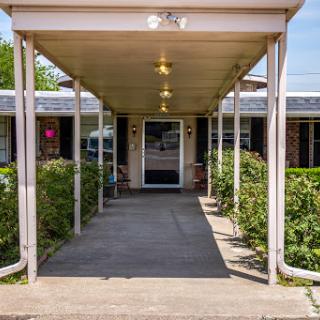
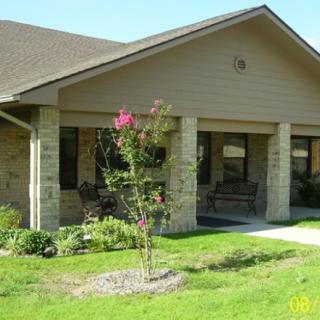




 Comprehensive Guide to Blood Pressure Charts for Older Adults: Understanding Normal and High Readings by Age
 Financing Long-Term Nursing Home Care Through Social Security: A Thorough Exploration
 Essential Knowledge on Pneumonia in Older Adults