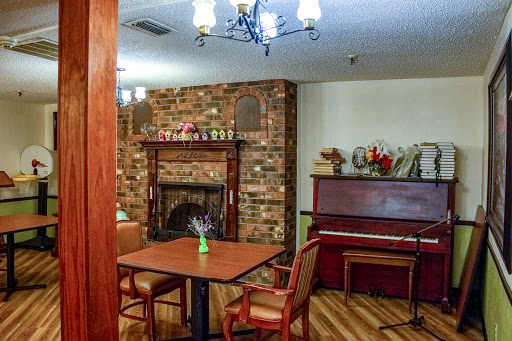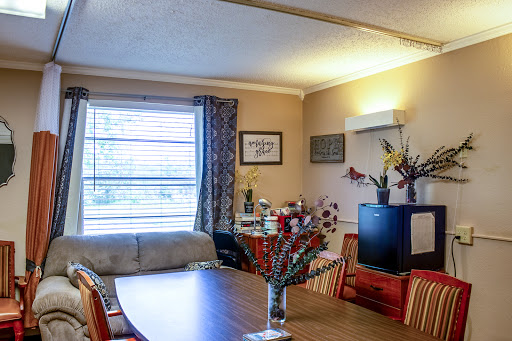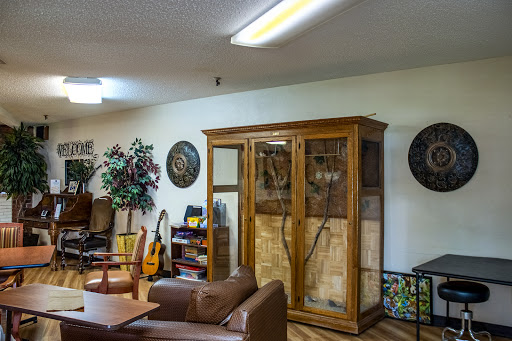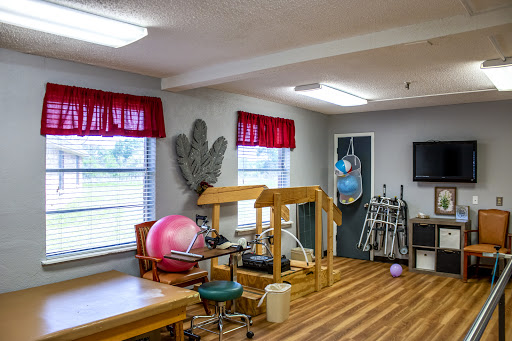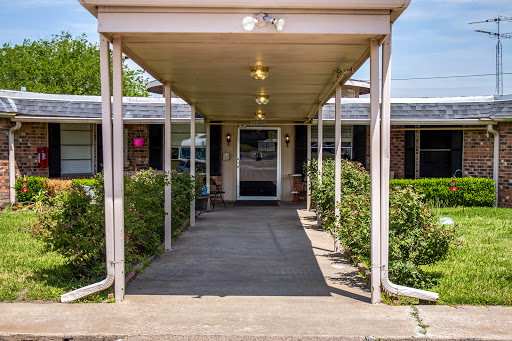









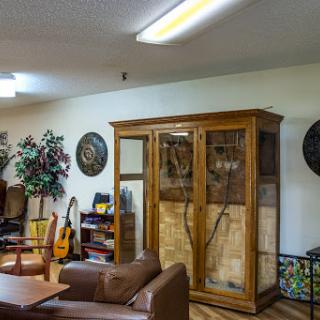
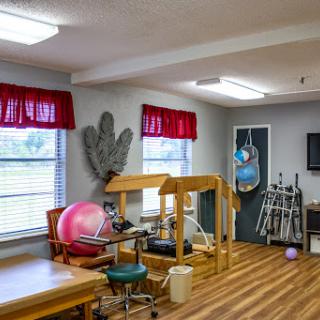
884 Highway 84 W, Teague, TX 75860
For more information about senior living options: (866) 208-4318
Overall Review of Teague Nursing And Rehabilitation
Pros
 The nurses were very attentive and made the transition bearable.
 - There were a few great staff members who provided excellent care.
- The mother felt at home and very well taken care of during her stay.
- The staff were friendly and created a calm, peaceful environment.
- The team was amazing and super accommodating to her needs.
Cons
 The facility never cleaned his grandfather's room as promised.
- The head nurse neglects residents.
- The urinal bag was on the floor and urine was all over.
- The nurse laughed at the situation.
- The meals were terrible, served on styrofoam and violating residents' dignity.
- The place should be shut down due to neglect and poor care.
- The head administrator threatened to call adult protective services, showing the administrationā€™s disregard.
Review
Teague Nursing and Rehabilitation in Teague, TX is best suited for families seeking a low-cost, no-fruff option where a resident can receive basic skilled nursing and rehabilitation in a calm, quiet setting, provided there is relentless family advocacy and close oversight. It can work for a senior who can tolerate variability in daily care and who benefits from a straightforward environment rather than a glossy facility experience. The strongest case for this community rests on the presence of some dedicated staff on certain shifts and a generally peaceful atmosphere when staffing aligns with resident needs. This is not a place to rely on passivity; the realities of care require vigilant involvement to ensure basic safety and dignity are being preserved.
Those with higher expectations for safety, proactive communication, consistent meals, and responsive administration may want to consider alternatives. Families that cannot or will not dedicate time to frequent visits, frequent prompts to staff, and a rigorous review of meal quality, room cleanliness, and discharge procedures should look at other options. Larger, better-staffed facilities with stronger administrative accountability or home-based care models may deliver more reliable oversight and predictable service. In short, if steady governance and consistently high standards are non-negotiable, Teague should be a stopgap or last resort rather than the long-term choice.
The notable positives here are real but uneven. Several caregivers have been described as friendly, patient, and attentive on certain shifts, contributing a sense of warmth and stability when present. For residents who respond well to quiet, low-stimulus environments, the internal culture can feel respectful and calm, offering moments of genuine compassion from individual staff members. When these strengths surface, they demonstrate that capable, kind care is possible within this setting. Yet these moments are not universal, and the overall picture is frequently clouded by reports of inconsistent staffing, gaps in supervision, and a care culture that does not consistently translate into daily safety and dignity.
The core drawbacks carry greater risk and are harder to offset. Recurrent concerns include rooms not being cleaned as promised, cleanliness and safety lapses such as urinals or waste not promptly managed, and meals that fall short of basic nutritional needs or resident rights expectations. Administrative responsiveness is portrayed as a central fault line, with anecdotes of dismissive attitudes, resistance to accountability, and even threats during discharge discussions. The financial dimension is equally troubling in parts of the history, with claims of excessive billing and a sense of being trapped in a system that does not clearly advocate for the resident. Taken together, these factors create a caution-signaling environment for anyone considering long-term placement.
When the pros do align, quiet surroundings, some skilled staff, pockets of compassionate care, they can soften the harsher realities, but only to a degree. The offset is meaningful if, and only if, the facility operates with rigorous daily oversight, transparent communication, a robust diet and nutrition program, and an explicit commitment to safety protocols that are consistently enforced. Absent that framework, the negatives dominate and can erode trust, safety, and overall well-being. Families should insist on concrete assurances: written care plans with measurable goals, a fixed, publishable meal program, documented cleaning and safety schedules, and access to state or third-party inspection results before any commitment is made.
Bottom line: Teague Nursing and Rehabilitation can serve as a viable option for families who are prepared to be intensely involved and who prioritize affordability over pristine reliability. For anyone needing consistent quality control, reliable meals, and assertive leadership, it is prudent to search for stronger contenders or to pursue in-home care where possible. If choosing this community, enter with a plan: visit multiple times, request a complete tour of amenities and care processes, review staffing patterns and qualifications, demand transparent meal and nutrition documentation, and secure a firm, names-and-contacts accountability ladder with administrators. In cases where these safeguards cannot be guaranteed, exploration of alternatives is the prudent course.
 98 resident community capacity
 Skilled Nursing Facility
 Air-conditioning
 Beauty salon
 Cable or satellite TV
 Computer center
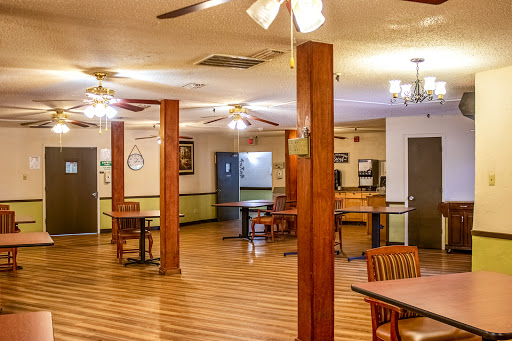
 Dining room
 Fitness room
 Fully furnished
 Gaming room
 Garden
 Housekeeping services
 Kitchenette
 Move-in coordination
 Outdoor space
 Private bathrooms
 Restaurant-style dining
 Small library
 Telephone
 Wellness center
 Wi-Fi/high-speed internet available
 Community operated transportation
 12-16 hour nursing
 24-hour call system
 Activities of daily living assistance
 Assistance with bathing
 Assistance with dressing
 Assistance with transfers
 Diabetes diet
 Medication management
 Mental wellness program
 Special dietary restrictions
 Concierge services
 Planned day trips




 Understanding the Nuances of Palliative Care and Hospice: A Comprehensive Exploration
 Is In-Home Healthcare Tax Deductible? Your Comprehensive Guide
 Nurturing Well-Being Through Gardening: A Detailed Guide for Senior Enthusiasts