For more information about senior living options: (866) 208-4318
3.2 from 158 reviews
5 stars
73
4 stars
14
3 stars
2
2 stars
9
1 stars
60
Overall Review of The Crescent
caveat28 reviews mention this
Call response and communication vary
Residents and families report inconsistent response times and communication.
Several reviews describe long waits for help after using call buttons or buzzers, including reports that staff did not answer or only responded after repeated requests. Communication with families is a recurring concern, with some reviewers saying they learned important updates after the fact or struggled to reach the right person. A few reviews mention improvements under newer leadership, but multiple accounts still point to delays and spotty availability, especially at night.
caveat24 reviews mention this
Care hygiene and turning concerns
Some residents are described as not being changed, turned, or cleaned promptly.
A recurring criticism is delayed incontinence care and insufficient turning, including descriptions of people left in soiled beds or diapers and reminders not acted on quickly. There are also mentions of skin issues like bed sores and pressure sores tied to neglect concerns. Other reviews are more positive about cleanliness and care, but the negative hygiene accounts appear frequently enough to be a major consideration for families.
common36 reviews mention this
Clean, well-kept facility stands out
Many reviewers say the building is clean and well maintained.
A strong number of reviews praise the facility for being clean, well kept, and organized, with some describing the rooms and common areas as beautiful or immaculate. Several reviewers also mention good housekeeping and an overall well-cared-for look. That said, a smaller set of reviews contradict this with sanitation or pest complaints, so cleanliness appears uneven depending on the experience.
differentiator20 reviews mention this
Therapy is a consistent bright spot
Residents frequently praise the therapy team for helping recovery.
Multiple reviews credit the rehab and therapy departments with meaningful progress, describing therapists as patient, kind, and organized. Some accounts emphasize mobility gains and improvements over weeks of therapy. Even among mixed reviews, therapy shows up as one of the more reliable services, supported by the community’s focus on daily scheduled activities and wellness programming.
caveat14 reviews mention this
Dining quality feels inconsistent
Dining quality is described in contrasting ways by different families.
Some reviewers say the food is good or great, while others describe meals as cold, poor quality, or served without much choice. A few reviews mention diet-related needs and special dietary restrictions, aligning with the community’s dining approach for those requirements. Overall, dining feedback is mixed rather than uniformly positive.
common10 reviews mention this
On-site health support and transport
The community offers medical support services and transportation coordination.
Reviews and resident experiences often reference nurses, medication handling, and ongoing clinical support as part of the daily routine. The community also provides transportation arrangement services and wellness programming, which can matter for getting to appointments and staying on track with care. Nearby medical options are relatively close, including physician and clinic locations around a few tenths of a mile.
How we summarize
Counts show how many written reviews mention each theme; a review can touch several themes, and only frequently mentioned themes are displayed.
Features
Housing
112 resident community capacity
Types of Care
Skilled Nursing Facility
Amenities
Air-conditioning
Beauty salon
Cable or satellite TV
Computer center
Dining room
Fitness room
Fully furnished
Gaming room
Garden
Housekeeping services
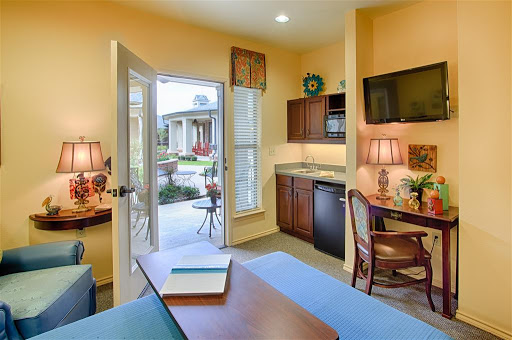
Kitchenette
Move-in coordination
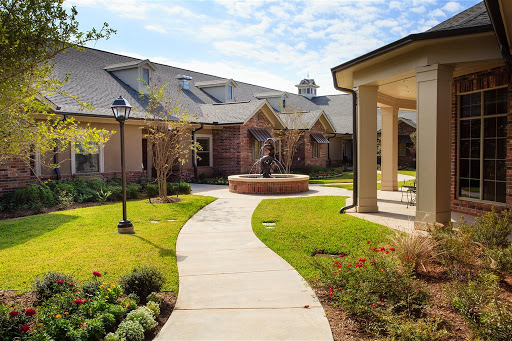
Outdoor space
Private bathrooms
Restaurant-style dining
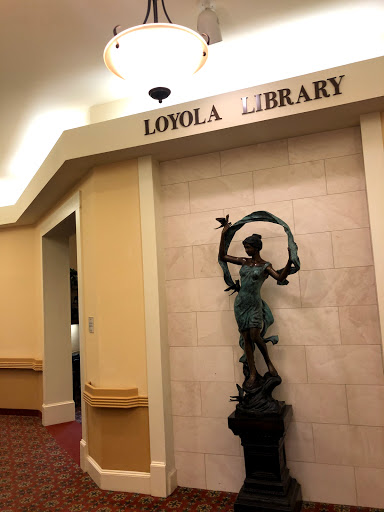
Small library
Telephone
Wellness center
Wi-Fi/high-speed internet available
Transportation
William P X (22 miles away)
Community operated transportation
Transportation arrangement
Transportation arrangement (non-medical)
Transportation to doctors appointments
Care Services
12-16 hour nursing
24-hour call system
24-hour supervision
Activities of daily living assistance
Assistance with bathing
Assistance with dressing
Assistance with transfers
Diabetes diet
High acuity care
Meal preparation and service
Medication management
Mental wellness program
Special dietary restrictions
Dining
Diabetes diet
Special dietary restrictions
Activities
Community-sponsored activities
Concierge services
Fitness programs
Planned day trips
Resident-run activities
Scheduled daily activities
Nearby Places of Interest
Located in Sugar Land, Texas, this neighborhood offers a variety of amenities within close proximity. With popular dining options such as McDonald's, Whataburger, and Torchy’s Tacos just steps away, residents can easily enjoy a quick meal out. For medical needs, Kelsey-Seybold Clinic and Hillcroft Medical Clinic are conveniently located nearby. Additionally, pharmacies like H-E-B and CVS are easily accessible for prescription needs. Places of worship such as St. Laurence Catholic Church and Houston Principal Jamatkhana provide opportunities for spiritual fulfillment. Parks like Sugar Lakes Park and Lost Creek Park offer serene outdoor spaces for leisurely walks and relaxation. For entertainment, AMC First Colony 24 theater is just a short drive away. Overall, this area of Sugar Land provides convenient access to essential services and recreational activities suitable for senior living.
Restaurants
McDonald's (0.3 miles)
Whataburger (0.5 miles)
Big Ben Tavern (0.5 miles)
Torchy’S Tacos (1.5 miles)
Japaneiro's Sushi Bistro & Latin Grill (1.7 miles)
BJ's Restaurant & Brewhouse (1.7 miles)
Carrabba's Italian Grill (1.8 miles)
Physicians
Kelsey-Seybold Clinic | Fort Bend Medical and Diagnostic Center (0.3 miles)
Hillcroft Medical Clinic Association (0.9 miles)
Interventional Cardiology Associates (1.6 miles)
Sugar Land OB/GYN Associates (2 miles)
My Eyelab (2.2 miles)
Rishi Khanna Dmd Pc (2.3 miles)
Memorial Hermann Medical Plaza I (4.6 miles)
Pharmacies
H-E-B Pharmacy (0.6 miles)
CVS Pharmacy (0.9 miles)
CVS Pharmacy (2.1 miles)
Walgreens (2.1 miles)
Walgreens (2.5 miles)
CVS Pharmacy (2.5 miles)
CVS Pharmacy (2.8 miles)
Cafes
BlendIn Coffee Club (0.7 miles)
Starbucks (4.2 miles)
Starbucks (4.4 miles)
Starbucks (5.7 miles)
Starbucks (7.2 miles)
Places of Worship
Houston Principal Jamatkhana (1.2 miles)
Sugar Land First United Methodist Church (1.6 miles)
Parkway United Methodist Church (2.7 miles)
St Laurence Catholic Church (2.9 miles)
Church of Jesus Christ of Latter Day Saints (3 miles)
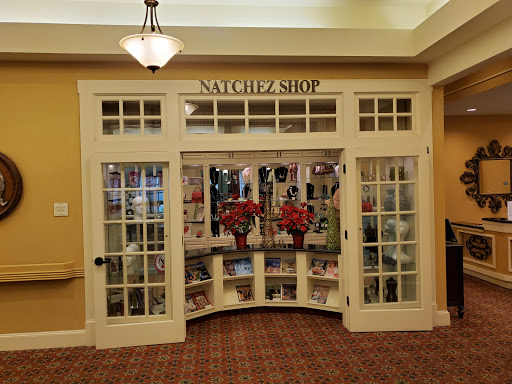
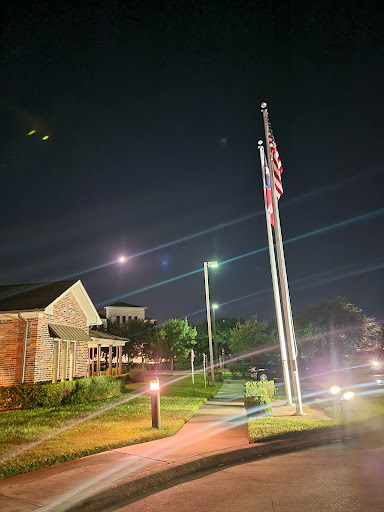
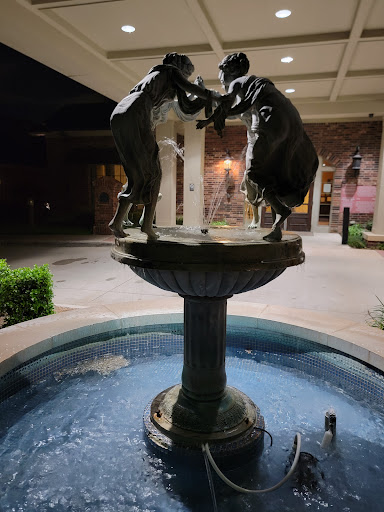
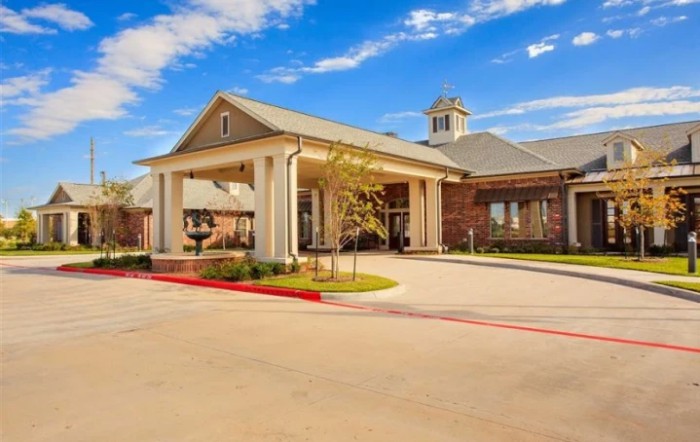
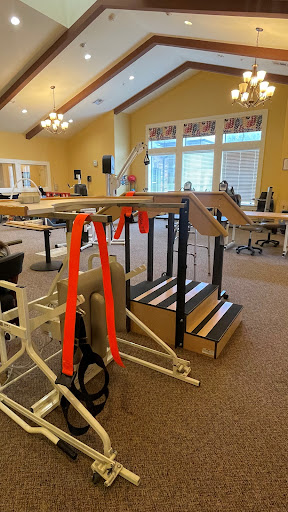
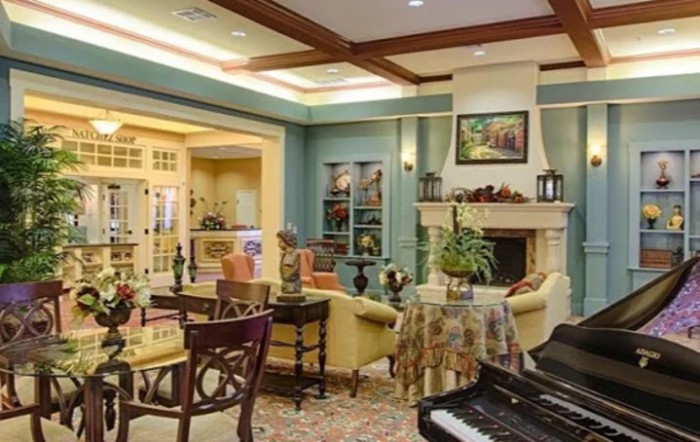
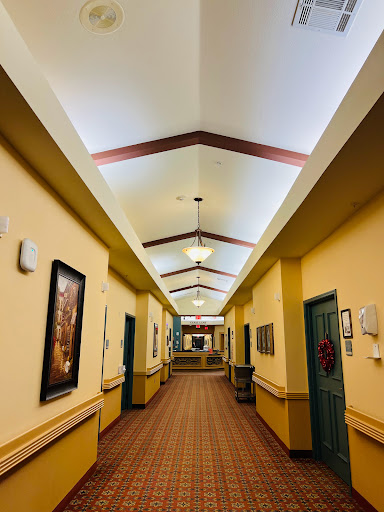
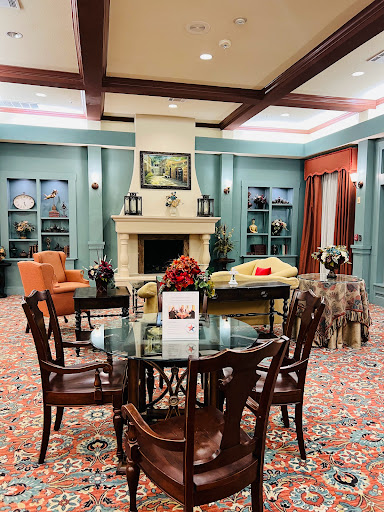
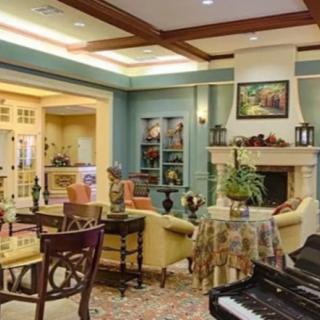
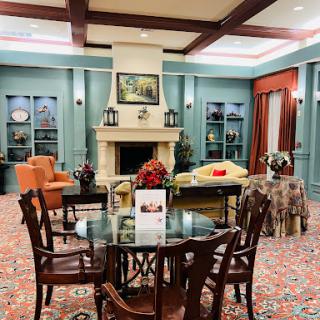
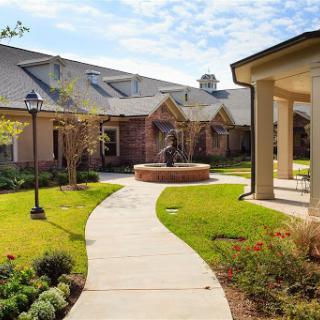
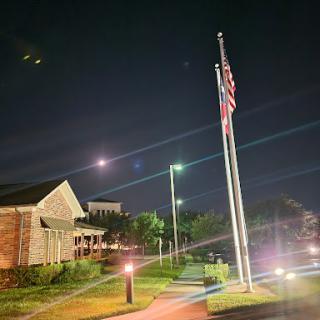
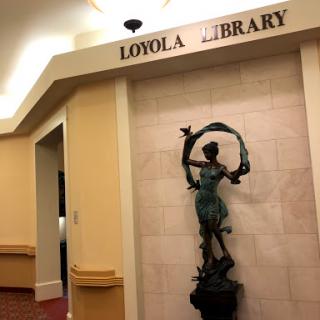
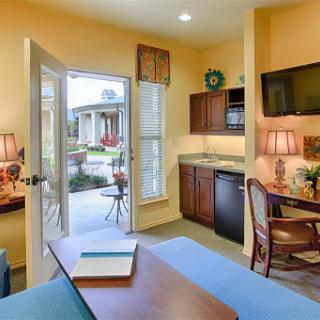
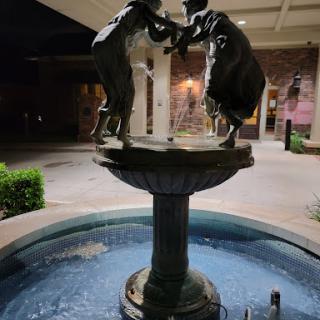
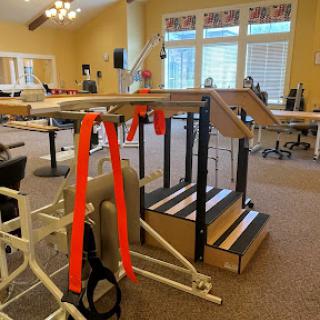
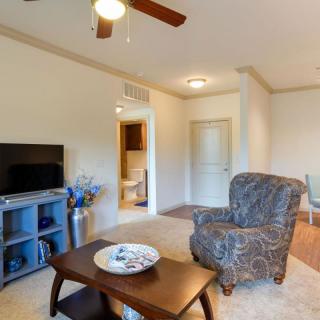
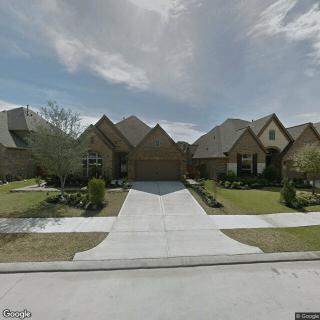
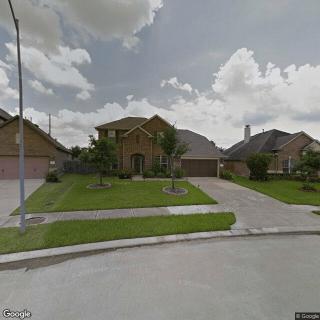
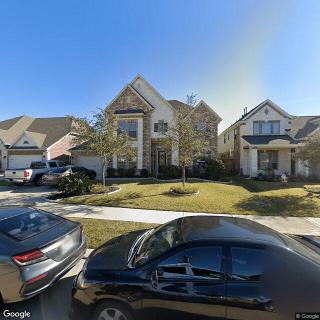
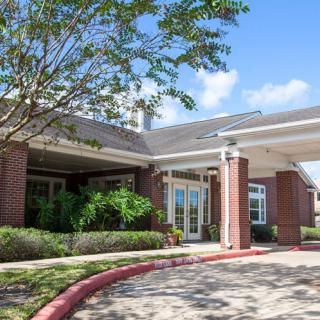
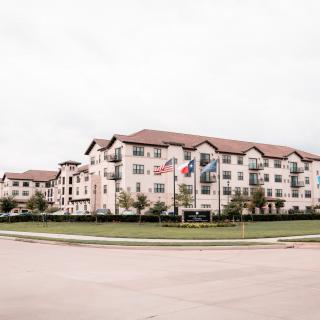
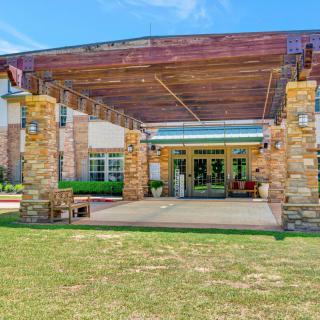
The Crescent on seniors.fyi includes 13 photos including images showing interior, architecture, decor, landscaping, pathway, living room, fireplace, rehabilitation, and more.
Nearby Communities
Sugar Land Health Care Center
Sugar Land, TX
3.8 from 130 reviews
$4,500 to $5,500 / month
Friendly, compassionate staff and open communication with families.
Landon Ridge Sugar Land Assisted Living & Memory Care
Sugar Land, TX
4.3 from 97 reviews
$3,695 to $5,495 / month
Clean, attractive facility with engaging activities and attentive staff.
Landon Ridge Sugar Land
Sugar Land, TX
4.3 from 35 reviews
$2,631 to $3,138 / month
Friendly, social atmosphere with engaging activities and chef-prepared meals in a convenient Sugar Land location.
Faith Assisted Living #4
Richmond, TX
4 from 21 reviews
$3,500 to $4,000 / month
Memory care-focused with on-site activities and devotional services; competitive pricing.
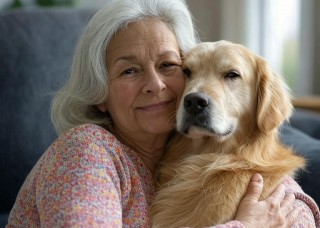
Dogs can greatly improve the lives of older adults by offering emotional support and encouraging physical activity, with factors such as size, temperament, and grooming needs being crucial in selecting a suitable breed. Senior dogs often make ideal companions for this demographic, promoting social connections and requiring care routines that align with seniors' capabilities.
The guide on blood pressure charts for older adults stresses the importance of understanding normal and high blood pressure readings influenced by age, genetics, and lifestyle, while emphasizing regular monitoring and lifestyle modifications to prevent serious health issues. It provides insights into blood pressure categories, dietary recommendations, medication considerations, and the role of caregivers in supporting healthy habits.
The article explores the complexities of using Social Security to finance long-term nursing home care in the U.S., detailing eligibility requirements and misconceptions, while emphasizing that these benefits often do not cover full costs and highlighting the need for strategic financial planning and professional guidance.
Get PricingAsk A QuestionSchedule A TourContact Senior Advisor
By clicking submit, you agree to our Partner's Terms of Use. You
also consent to receive calls and texts, which may be autodialed, from our Partner. Your consent is not a condition to
using our Partner's service. Please visit our Partner's Privacy Policy for information about their privacy practices.



 112 resident community capacity
 Skilled Nursing Facility
 Air-conditioning
 Beauty salon
 Cable or satellite TV
 Computer center
 Dining room
 Fitness room
 Fully furnished
 Gaming room
 Garden
 Housekeeping services
 Kitchenette
 Move-in coordination
 Outdoor space
 Private bathrooms
 Restaurant-style dining
 Small library
 Telephone
 Wellness center
 Wi-Fi/high-speed internet available
 William P X (22 miles away)
 Community operated transportation
 12-16 hour nursing
 24-hour call system
 Activities of daily living assistance
 Assistance with bathing
 Assistance with dressing
 Assistance with transfers
 Diabetes diet
 High acuity care
 Medication management
 Mental wellness program
 Special dietary restrictions
 Concierge services
 Planned day trips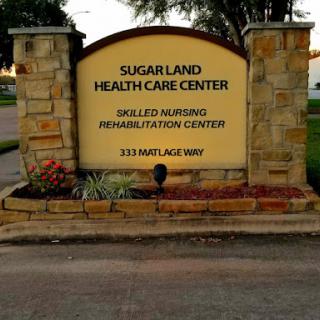
 Friendly, compassionate staff and open communication with families.
 Top Canine Companions for Older Adults
 Comprehensive Guide to Blood Pressure Charts for Older Adults: Understanding Normal and High Readings by Age
 Financing Long-Term Nursing Home Care Through Social Security: A Thorough Exploration