San Marcos Rehabilitation And Healthcare Center in San Marcos, TX

Save

  • Interior

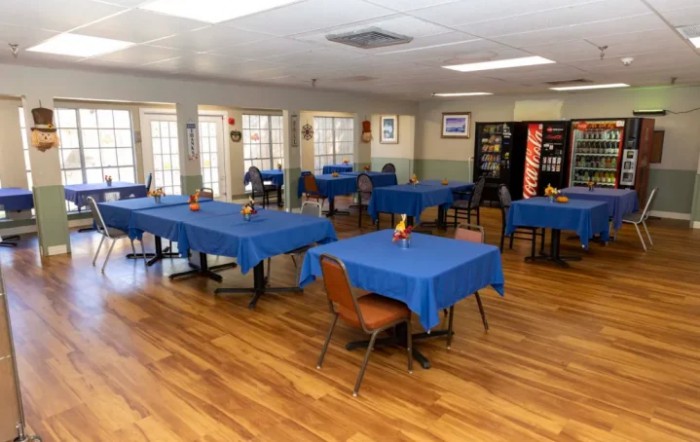
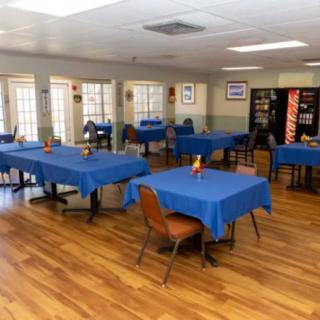
    A dining area with blue tablecloths on several tables and a wooden floor.
  • Outdoors

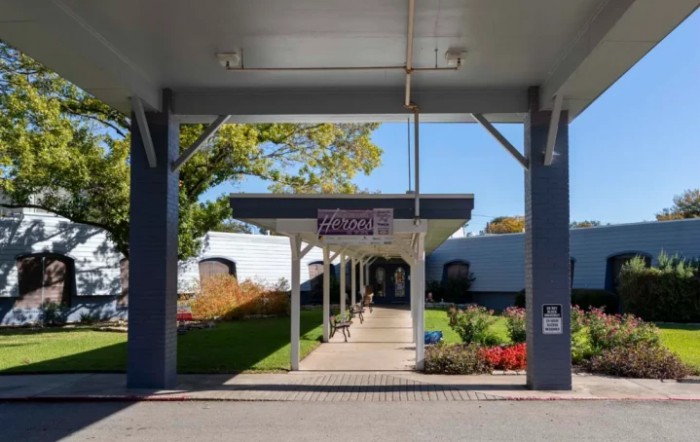
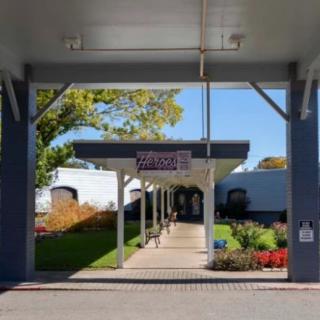
    An outdoor view of a building entrance with a covered walkway surrounded by trees and flowers.
  • Decor

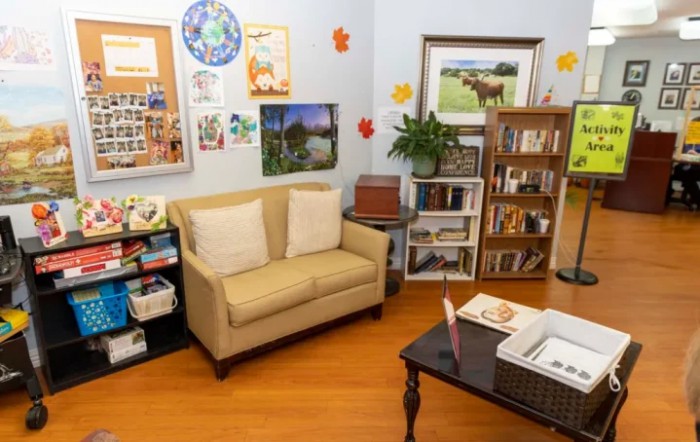
    A cozy living room with a comfortable sofa, bookshelf filled with books, and various decorations and artworks on the walls.
  • Bedroom

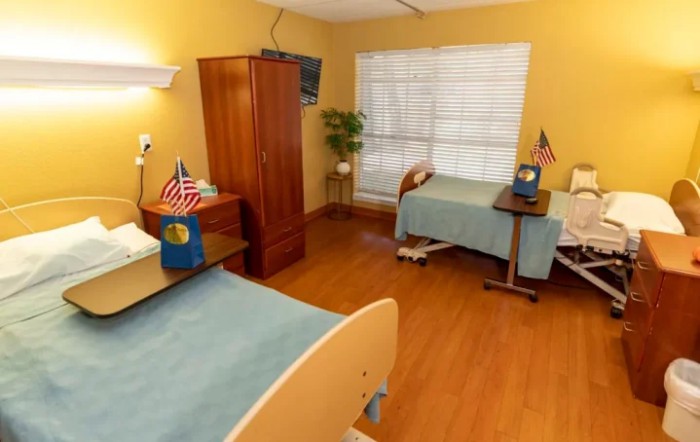
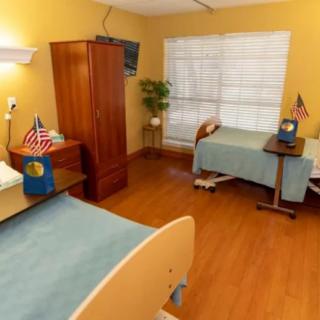
    A hospital room with two beds, wooden floor, and flags on bedside tables.
  • Trees

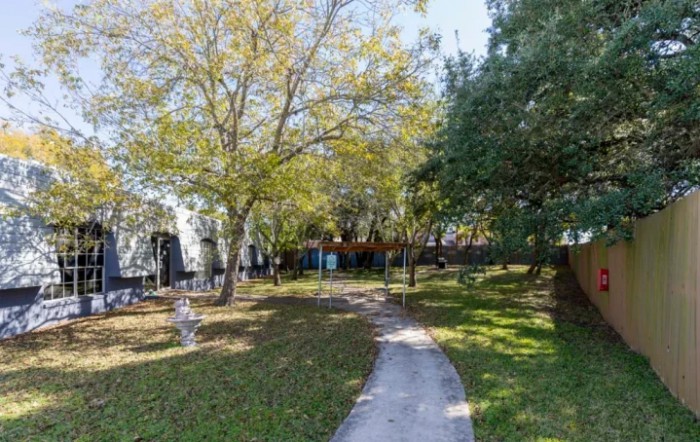
    A scenic park pathway shaded by trees and surrounded by green grass.
  • Landscaping

    A small outdoor putting green with artificial turf and a sand trap, located in a fenced backyard.

San Marcos Rehabilitation And Healthcare Center in San Marcos, TX

1600 North I H 35, San Marcos, TX 78666

For more information about senior living options: (844) 490-3973

4 from 92 reviews
5 stars
66
4 stars
3
3 stars
3
2 stars
1
1 stars
19

Skilled Nursing Facility

Overall Review of San Marcos Rehabilitation And Healthcare Center

Pros

  • pro The staff are welcoming and helpful.
  • pro The therapy department is top notch.
  • pro The facility is clean and well kept.
  • pro The atmosphere is relaxing and family-oriented.
  • pro David Camarena and the admissions team are exceptionally dedicated and patient-focused.
  • pro The residents are friendly and feel well cared for.
  • pro The care is personalized, attentive, and compassionate.

Cons

  • pro The reviewer notes terrible management.
  • pro They describe the staff as careless with their grandfather, leading to injuries and his death.
  • pro The hallway inside smelled like urine.
  • pro The lunch served to a friend was atrocious.
  • pro The parking lot was muddy and in poor condition, making visits difficult.
  • pro They warned others not to bring their loved ones there, calling it the worst place in nursing.

Review

San Marcos Rehabilitation and Healthcare Center is best suited for families that prize a warm, therapy-forward environment where frontline staff are consistently engaged, personable, and visibly dedicated to recovery. This community shines for residents who respond well to a welcoming, family?like atmosphere, where therapy teams are described as top?notch, and admissions staff actively smooth transitions. It is particularly well?suited for those who want a facility with a strong emphasis on daily interaction, meaningful activities, and a sense that staff truly cares about each resident. At the same time, it will not be the ideal fit for families seeking flawless administrative operations, perfectly consistent communication, or hands?off oversight.

The strongest positives center on the staff's compassion, the quality of therapy, and the overall ambiance. Across numerous accounts, residents and families highlight attentive nurses and therapists who know patients well, create a calm, friendly mood, and deliver personalized care. Cleanliness and a welcoming atmosphere routinely surface as standout features, with visitors noting the facility smells pleasant, is well kept, and feels safe. The admissions process, often led by an accessible and proactive team, receives frequent praise for expediting transitions and answering questions, helping families feel reassured during a stressful time. For many, these front?line strengths translate into real daily comfort, engagement, and progress in recovery.

Yet the narrative is not uniformly positive, and the most consequential drawbacks revolve around management, communication, and some operational gaps. A recurring refrain points to inconsistent administrative leadership, with several reviews flagging poor coordination, insufficient follow?through, and difficulty reaching the right decision?maker. Front desk interactions and certain nonclinical staff are described as less responsive or less respectful by some visitors, undermining otherwise strong clinical care. Additional concerns include physical plant and maintenance issues, limited parking, and sporadic criticisms of meals or food service. While many families report outstanding experiences, a nontrivial subset describes episodes of neglect or frustration that cannot be ignored in a decision-making process.

The key pros offset the main cons to varying degrees, depending on individual expectations and experiences. When therapy is the priority, the combination of skilled therapists, engaged nursing staff, and a consistently supportive atmosphere can largely compensate for less?than?perfect administrative communication. Families that encounter smooth admissions, regular updates, and visible teamwork often feel confident that their loved one is in capable, compassionate hands. However, for residents who require unwavering operational excellence, reliable transportation coordination, and predictable responsiveness from governance and front?office leadership, the drawbacks may loom larger, making comparisons with other communities essential.

For families weighing a move, the practical path is to verify several critical factors before deciding. Insist on a face?to?face meeting with the director of nursing and the administrator, and ask for a current, detailed care plan that includes therapy frequency, daily routines, and clear escalation steps. Confirm the presence of a social worker and request a concrete plan for coordinating appointments and transportation. Tour during a typical day to observe staff engagement, meal service, and activity options; ask current families about response times for call bells, hygiene routines, and meal pacing. Inquire about maintenance, parking conditions, and accessibility, especially if mobility needs are a concern. These checks can reveal whether the operating realities align with the otherwise compelling care narrative.

Overall, San Marcos Rehabilitation and Healthcare Center represents a robust choice for families who value a compassionate, therapy?driven environment and a genuinely welcoming staff. The facility often delivers the personal warmth, progress in therapy, and peaceful atmosphere that reassure families during recovery and long?term care journeys. However, the decision hinges on tolerance for administrative variability and operational hiccups. If a steadfast, consistently managed experience is nonnegotiable, alternatives with a track record of steady governance and fewer reported lapses in logistics may be warranted. For those who prioritize heartfelt care and hands?on therapy, San Marcos offers a compelling, even compellingly better?than?average option.

Features

Housing

  • 129 resident community capacity 129 resident community capacity

Types of Care

  • Skilled Nursing Facility Skilled Nursing FacilitySkilled Nursing Facilities are crucial for seniors as they provide round-the-clock medical care, rehabilitation services, and assistance with daily activities. These facilities ensure that seniors receive the specialized care they need to maintain their health and well-being as they age.

Amenities

  • Air-conditioning Air-conditioningAir conditioning is important for seniors as they are more vulnerable to heat-related illnesses and may have underlying health conditions that make it difficult for them to regulate their body temperature. It helps to keep them comfortable, safe, and healthy in hot weather.
  • Beauty salon Beauty salonBeauty salons are important for seniors because they provide a space for them to feel pampered, socialize, and maintain their personal grooming and hygiene. Regular visits to a beauty salon can help boost seniors' self-esteem and overall well-being.
  • Cable or satellite TV Cable or satellite TVCable or satellite TV is important for seniors because it provides entertainment, news, and companionship, helping to combat loneliness and boredom. It also offers a wide range of programming options tailored to different interests and preferences.
  • Computer center Computer centerA computer center is essential for seniors as it provides access to technology, communication tools, and resources that can enhance their daily lives. It allows them to stay connected with loved ones, engage in online activities, and learn new skills, ultimately promoting socialization and mental stimulation.
  • Dining room Dining roomDining rooms are important for seniors as they provide a space for socialization, connection, and nutritious meals. They offer opportunities for residents to bond over shared meals, foster a sense of community, and promote healthy eating habits. Dining rooms also ensure that seniors have access to well-balanced meals tailored to their dietary needs and preferences.
  • Fitness room Fitness roomHaving a fitness room in a senior living community is essential for seniors to stay active, maintain their physical health, and improve their overall well-being. Regular exercise can help prevent falls, reduce the risk of chronic diseases, and promote mental sharpness. It also provides social opportunities for residents to connect with others and enjoy a sense of community.
  • Fully furnished Fully furnishedFully furnished senior living communities are important for seniors because they provide convenience, comfort, and a hassle-free moving experience. Seniors can easily settle into their new living space without the stress of having to buy and move furniture. This allows them to focus on enjoying their new home and community.
  • Gaming room Gaming roomGaming rooms are important for seniors as they provide a fun and engaging environment for socializing, cognitive stimulation, and physical activity. Games can improve memory, problem-solving skills, and overall mental well-being while fostering friendships and reducing feelings of isolation.
  • Garden GardenGardens are important for seniors as they provide a peaceful and therapeutic environment for relaxation, physical activity, and socialization. Being in nature has been shown to reduce stress, improve mood, and promote overall well-being. Gardens also offer opportunities for seniors to engage in gardening activities, which can improve mobility, flexibility, and cognitive function. Additionally, gardens create a sense of community and connection with others who share a passion for plants and outdoor spaces.
  • Housekeeping services Housekeeping servicesHousekeeping services are important for seniors because they help maintain a clean and safe living environment, promote independence, and reduce the risk of accidents or illnesses. Additionally, having assistance with household chores can alleviate physical strain and allow seniors to focus on other aspects of their well-being.
  • Kitchenette KitchenetteKitchenettes are important for seniors living in senior living communities because they provide the convenience and independence of being able to prepare simple meals and snacks in the comfort of their own living space. This can help promote a sense of autonomy and well-being for seniors, allowing them to maintain some level of control over their dietary choices and daily routines.
  • Move-in coordination Move-in coordinationMove-in coordination is important for seniors because it helps ease the transition into their new living environment. It ensures that all logistics, such as packing, organizing movers, and setting up utilities are taken care of, allowing seniors to focus on settling in and adjusting to their new home. Having a smooth move-in process can alleviate stress and anxiety, making the transition smoother and more enjoyable for seniors.
  • Outdoor space Outdoor spaceOutdoor spaces are important for seniors as they provide opportunities for physical activity, social interaction, exposure to natural light and fresh air, and a sense of connection to nature. Having access to outdoor spaces can improve overall well-being and quality of life for older adults living in senior communities.
  • Private bathrooms Private bathroomsPrivate bathrooms are important for seniors in senior living communities because they provide independence, dignity, and comfort. Having a private bathroom allows seniors to maintain their personal hygiene routines without the need for assistance, promoting a sense of autonomy and privacy. Additionally, private bathrooms help prevent the spread of infections and provide a safe and clean environment for seniors to navigate safely.
  • Restaurant-style dining Restaurant-style diningRestaurant-style dining is important for seniors because it allows them to enjoy delicious, nutritious meals in a social and upscale setting. This enhances their dining experience, promotes healthy eating habits, and fosters socialization with fellow residents, ultimately contributing to their overall well-being and quality of life.
  • Small library Small librarySmall libraries are important for seniors as they provide access to a variety of reading materials, including books, newspapers, and magazines. This can help stimulate their minds, keep them engaged, and provide a sense of community through book clubs and other social activities. Additionally, reading has been shown to improve cognitive function and overall mental well-being in older adults.
  • Telephone TelephoneTelephones are important for seniors as they provide a lifeline for communication with loved ones, emergency services, and healthcare providers. They offer a sense of security and independence, enabling seniors to stay connected and access assistance when needed.
  • Wellness center Wellness centerWellness centers are important for seniors because they offer a variety of programs and services that promote physical, mental, and emotional well-being. These centers provide opportunities for exercise, socialization, education, and relaxation, helping seniors maintain their overall health and quality of life.
  • Wi-Fi/high-speed internet available Wi-Fi/high-speed internet availableWi-Fi/high-speed internet is important for seniors to stay connected with loved ones, access online resources, and participate in virtual activities to combat feelings of loneliness and isolation. It also allows them to easily manage healthcare needs, access entertainment, and engage in lifelong learning opportunities.

Transportation

  • Community operated transportation Community operated transportationCommunity operated transportation is crucial for seniors as it provides them with the means to access essential services, social activities, and medical appointments. It allows seniors to maintain their independence and quality of life by ensuring they can participate in activities outside of their homes. Additionally, community-operated transportation services offer a safe and reliable way for seniors to travel without having to rely on family or friends for assistance.
  • Transportation arrangement Transportation arrangementTransportation arrangements are crucial for seniors as they may face challenges with driving, mobility, or access to public transportation. Having reliable transportation services ensures that seniors can easily attend appointments, social activities, and maintain their independence and quality of life.
  • Transportation arrangement (non-medical) Transportation arrangement (non-medical)Transportation arrangements are essential for seniors as they provide access to essential services, activities, and social interactions outside the home. This service helps maintain independence, mobility, and overall well-being for seniors who may have limited transportation options.
  • Transportation to doctors appointments Transportation to doctors appointmentsTransportation to doctors appointments is crucial for seniors as it ensures they have access to necessary medical care and support, promoting their health and well-being. It allows them to receive timely treatment, monitor existing conditions, and address any new health concerns efficiently. Additionally, transportation services can help seniors maintain their independence and quality of life by enabling them to stay connected with their healthcare providers.

Care Services

  • 12-16 hour nursing 12-16 hour nursing12-16 hour nursing care is crucial for seniors in order to ensure around-the-clock monitoring, timely medication administration, and prompt response to any health concerns or emergencies. This level of care helps to promote the overall well-being and safety of seniors living in senior living communities.
  • 24-hour call system 24-hour call system24-hour call systems are important for seniors because they provide peace of mind and immediate assistance in case of emergencies. This technology ensures that help is always available, promoting safety and security for elderly individuals living alone or in assisted living facilities.
  • 24-hour supervision 24-hour supervision24-hour supervision is important for seniors to ensure their safety, well-being, and access to immediate assistance in case of emergencies or health issues. This constant support provides peace of mind for both seniors and their loved ones, allowing them to age in place with dignity and security.
  • Activities of daily living assistance Activities of daily living assistanceActivities of daily living assistance are important for seniors because they provide essential support with tasks such as eating, bathing, dressing, and mobility. This assistance helps seniors maintain their independence, dignity, and overall quality of life as they age.
  • Assistance with bathing Assistance with bathingAssistance with bathing is crucial for seniors as it helps maintain personal hygiene, prevents infections, and ensures their overall well-being and comfort. It also provides a sense of dignity and independence for seniors who may struggle with this task on their own.
  • Assistance with dressing Assistance with dressingAssistance with dressing is important for seniors because it helps maintain their independence, promotes personal hygiene, prevents accidents and injuries, and improves overall quality of life. This service ensures that seniors can continue to dress comfortably and confidently, despite any physical limitations they may have.
  • Assistance with transfers Assistance with transfersAssistance with transfers is crucial for seniors as it helps prevent falls and injuries, maintains their independence, and ensures they can safely navigate their living environment. It also provides peace of mind for both seniors and their loved ones.
  • Diabetes diet Diabetes dietA diabetes diet is crucial for seniors as it helps manage blood sugar levels, reduce risks of complications, and improve overall health and well-being. By following a balanced and nutritious diet tailored to their specific needs, seniors can better control their diabetes and enhance their quality of life.
  • Meal preparation and service Meal preparation and serviceMeal preparation and service are crucial for seniors as they may have limited mobility or energy to cook nutritious meals. Having access to healthy and convenient food options can ensure they are getting the proper nutrition needed to maintain their overall health and well-being.
  • Medication management Medication managementMedication management is crucial for seniors to ensure they are taking the right medications at the correct dosages and times. This helps prevent adverse drug interactions, reduces the risk of medication errors, and promotes overall health and well-being. Proactive management also allows for adjustments as needed based on changing health conditions or new prescriptions.
  • Mental wellness program Mental wellness programMental wellness programs are essential for seniors as they promote cognitive stimulation, emotional support, and social engagement. These programs help prevent isolation, depression, and cognitive decline, ultimately enhancing the overall quality of life for older adults.
  • Special dietary restrictions Special dietary restrictionsSpecial dietary restrictions are important for seniors because age-related changes in metabolism and health conditions can make it difficult for their bodies to process certain foods. By following a diet tailored to their specific needs, seniors can maintain their overall health and well-being, manage chronic conditions, and reduce the risk of complications such as malnutrition or food interactions with medications.

Dining

  • Diabetes diet Diabetes dietA diabetes diet is crucial for seniors as it helps manage blood sugar levels, reduce risks of complications, and improve overall health and well-being. By following a balanced and nutritious diet tailored to their specific needs, seniors can better control their diabetes and enhance their quality of life.
  • Special dietary restrictions Special dietary restrictionsSpecial dietary restrictions are important for seniors because age-related changes in metabolism and health conditions can make it difficult for their bodies to process certain foods. By following a diet tailored to their specific needs, seniors can maintain their overall health and well-being, manage chronic conditions, and reduce the risk of complications such as malnutrition or food interactions with medications.

Activities

  • Community-sponsored activities Community-sponsored activitiesCommunity-sponsored activities are important for seniors as they provide opportunities for social interaction, mental stimulation, and physical activity. These activities can help improve overall well-being, combat loneliness and isolation, and promote a sense of belonging and purpose among older adults.
  • Concierge services Concierge servicesConcierge services are essential for seniors as they provide assistance with daily tasks and errands, enhance their quality of life by offering convenience and personalized care, and promote a sense of safety and security.
  • Fitness programs Fitness programsFitness programs are crucial for seniors as they help improve strength, flexibility, balance, and overall well-being. Staying active can reduce the risk of chronic diseases, improve mental health, and enhance quality of life in older adults.
  • Planned day trips Planned day tripsPlanned day trips are important for seniors because they offer opportunities for socialization, mental stimulation, and physical activity. They provide a change of scenery and help seniors stay engaged and connected to their community, promoting overall well-being and quality of life.
  • Resident-run activities Resident-run activitiesResident-run activities are important for seniors as they encourage social interaction, creativity, and a sense of autonomy. These activities empower seniors to stay engaged and active in their community while fostering meaningful connections with their peers.
  • Scheduled daily activities Scheduled daily activitiesScheduled daily activities are important for seniors because they provide structure, socialization, mental stimulation, and physical activity. Engaging in regular activities can improve overall well-being and quality of life for seniors living in a community setting.

Description

San Marcos Rehabilitation And Healthcare Center in San Marcos, TX is a premier assisted living community that offers a wide range of amenities and care services to ensure the comfort and well-being of its residents. The community provides a home-like atmosphere with fully furnished accommodations and private bathrooms for each resident.

For residents' convenience, there is a beauty salon on-site where they can pamper themselves and maintain their personal grooming needs. The community also offers cable or satellite TV in each room, allowing residents to enjoy their favorite shows and movies.

Transportation is made easy with community-operated transportation services available for residents' use. Whether it's for shopping or medical appointments, residents can rely on the center's transportation arrangement service. Additionally, there are nearby cafes, parks, pharmacies, physicians, restaurants, and hospitals to cater to the various needs of residents.

The community features a variety of amenities to keep residents engaged and entertained. A computer center is available for those who want to stay connected with loved ones or explore the digital world. There is also a gaming room where residents can play games and interact with fellow residents.

To promote physical well-being, the community has a fitness room and offers wellness programs. Residents can stay active through fitness programs or planned day trips organized by the staff. Scheduled daily activities provide opportunities for socialization and engagement within the community.

The dining experience at San Marcos Rehabilitation And Healthcare Center focuses on providing nutritious meals tailored to individual dietary restrictions such as diabetes diets or special dietary requirements. The dining room offers restaurant-style dining so that residents can enjoy their meals in a comfortable setting.

Care services are available 24/7 at this assisted living community. Staff members are always accessible through the 24-hour call system to address any concerns or emergencies promptly. Assistance with activities of daily living such as bathing, dressing, and transfers is provided as needed. Medication management ensures that residents receive their prescribed medications on time.

In addition to physical care, the community also emphasizes mental wellness by offering a mental wellness program. This comprehensive approach to care ensures that residents' overall well-being is prioritized.

San Marcos Rehabilitation And Healthcare Center is a vibrant and welcoming assisted living community that offers top-notch amenities, care services, and convenient access to nearby establishments. Residents can enjoy their golden years in comfort and security while having their needs met in this thriving community.

Nearby Places of Interest

Restaurants

  • In-N-Out Burger (0.3 miles)
  • Sonic Drive-In (0.3 miles)
  • Chick-Fil-A (0.3 miles)
  • Shipley Do-Nuts (0.5 miles)
  • Lolita's Cafe (0.6 miles)
  • Kobe Japanese Steak House (0.7 miles)
  • P. Terry's Burger Stand (0.7 miles)

Cafes

  • Texas Bean & Brew House (0.5 miles)
  • Summer Moon Coffee (0.9 miles)
  • Starbucks (2.6 miles)
  • Wake The Dead Coffee House (2.8 miles)
  • Starbucks (6.4 miles)
  • Starbucks (7 miles)

Pharmacies

  • Thorpe Lane Pharmacy (0.7 miles)
  • Walgreens (1.1 miles)
  • Walgreens (3.3 miles)
  • CVS Pharmacy (3.7 miles)
  • Kyle Care Pharmacy (6.5 miles)
  • CVS Pharmacy (6.9 miles)
  • Kyle Total Healthcare (7.9 miles)

Physicians

  • Total Men's Primary Care (0.7 miles)
  • Southwest Family Medicine, P.A. (0.9 miles)
  • Student Health Center (1.7 miles)
  • Hays County Family Clinic (2.9 miles)
  • A R A-San Marcos (3.2 miles)
  • ARA Diagnostic Imaging - San Marcos (3.2 miles)
  • TexanCare Family Medicine (3.3 miles)

Parks

  • Sewell Park (1.5 miles)
  • Bicentennial Park (1.6 miles)
  • Children's Park (1.8 miles)
  • Waterleaf Park Beech Drive (6.7 miles)
  • Gregg-Clarke Park (6.9 miles)

Transportation

  • Hertz Rent A Car (2.4 miles)
  • Taylor Tx (3.1 miles)

Hospitals

  • Central Texas Medical Center Institute for Advanced Wound Healing (3.7 miles)

Places of Worship

  • First Baptist Church Of San Marcos (5.4 miles)
  • St Anthony's Catholic Church (7.4 miles)

Frequently Asked Questions

Where is San Marcos Rehabilitation And Healthcare Center?
What photos are available for San Marcos Rehabilitation And Healthcare Center in San Marcos, Texas?

Nearby Communities

  • Smith House San Marcos Community Living Program

    Smith House San Marcos Community Living Program

    San Marcos, TX


    pro Small, intimate board-and-care with personalized care and comprehensive support services.


  • Right at Home San Marcos

    Right at Home San Marcos

    San Marcos, TX

    5 from 24 reviews
     

    pro Convenient location with easy access to dining, parks, pharmacies, physicians, transportation, and a hospital.

  • Sage Spring

    Sage Spring

    San Marcos, TX

    4 from 4 reviews
    $3,800 to $5,500 / month

    pro Engaged staff delivering personalized care in a smaller, home-like setting with good dining.

  • Sage Springs

    Sage Springs

    San Marcus, TX

    5 from 4 reviews
     

    pro Compassionate, patient staff with engaging activities in a modern, well-maintained setting.

  • Sage Spring Senior Living

    Sage Spring Senior Living

    San Marcos, TX


    pro Strong memory-care focus with extensive on-site amenities and transportation.

  • Texas Hill Country School

    Texas Hill Country School

    Maxwell, TX


    pro Serene Hill Country setting with convenient nearby amenities.

  • Mariposa Apartment Homes

    Mariposa Apartment Homes

    San Marcos, TX

    4 from 48 reviews
     

    pro Active community with a wide range of activities and friendly staff.

  • Kissing Tree

    Kissing Tree

    San, TX

    4.7 from 20 reviews
     

    pro Beautiful, activity-rich 55+ community with independent living and optional home care.

  • The Philomena

    The Philomena

    Kyle, TX

    4.7 from 71 reviews
    $3,750 to $4,450 / month

    pro Clean, bright community with friendly staff and good value; active programs and on-site services.

Related Resources

  • uber for seniorsSeniors and Modern Transportation: Exploring Uber, Lyft, and Other Ride-Hailing Options

    Seniors benefit from ride-hailing services like Uber and Lyft, which provide convenient and accessible transportation options that promote independence and social engagement, while addressing mobility challenges. These platforms have adapted to meet senior needs with user-friendly features and safety measures, although costs can be a concern; community programs may help subsidize rides for older adults.

  • who qualifies for home health care servicesComprehensive Guide to Qualifying for Home Health Care Services

    The guide outlines the eligibility criteria for home health care services, emphasizing clinical requirements, insurance options, and application processes. It distinguishes between Medicare's strict and Medicaid's flexible qualifications while addressing challenges families may face in securing necessary care at home.

  • what is elder abusePowerful Realities of Elder Abuse and the Most Effective Ways to Report It
    Elder abuse affects many older adults worldwide and includes physical, emotional, neglectful, and financial harm, with about one in six individuals over 60 experiencing abuse annually. Prevention and intervention strategies focus on awareness, support for caregivers, and mandatory reporting, while recovery necessitates comprehensive support for both physical and emotional needs.