
Sage Spring in San Marcos, TX

Save

  • Interior

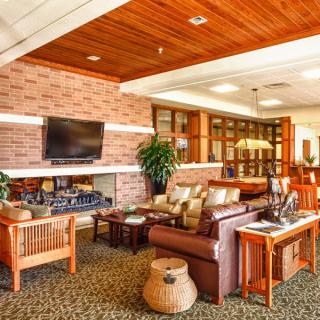
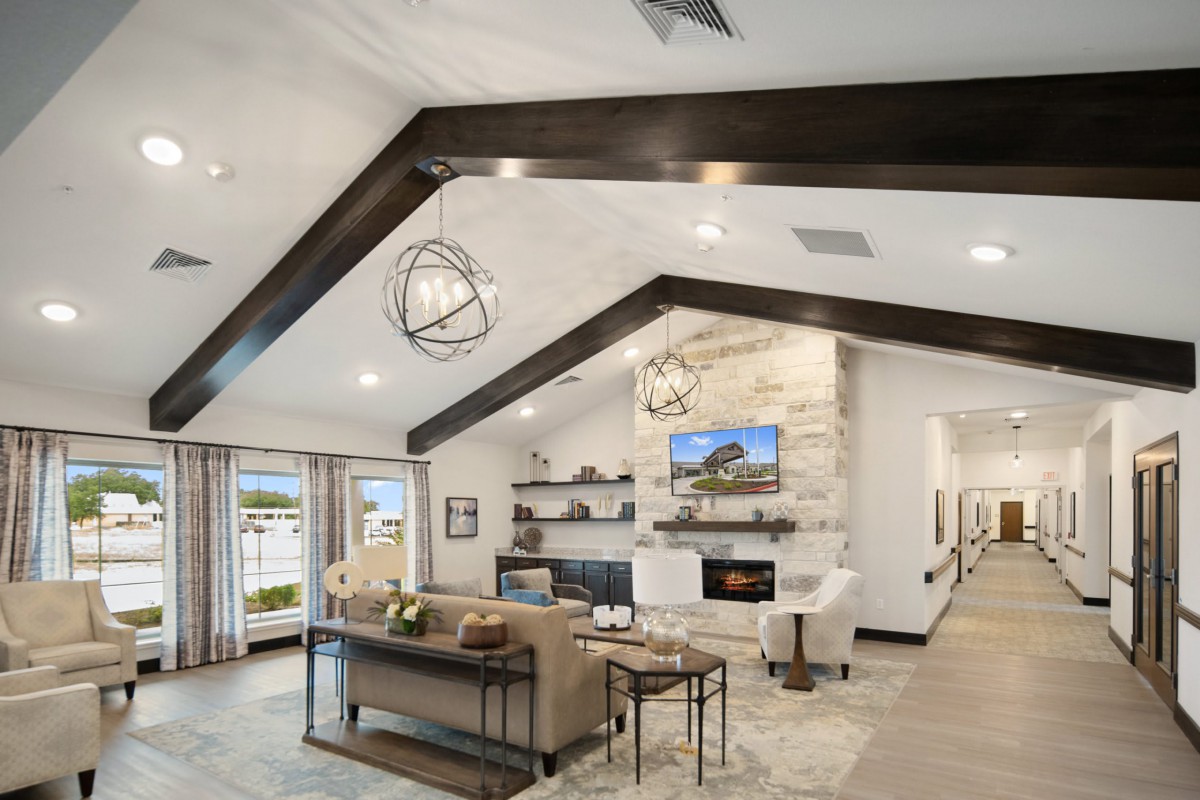
    A modern living room with vaulted ceilings, exposed beams, and a cozy fireplace.
  • Outdoors

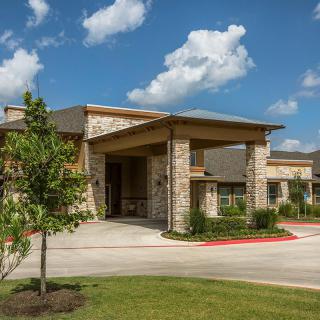
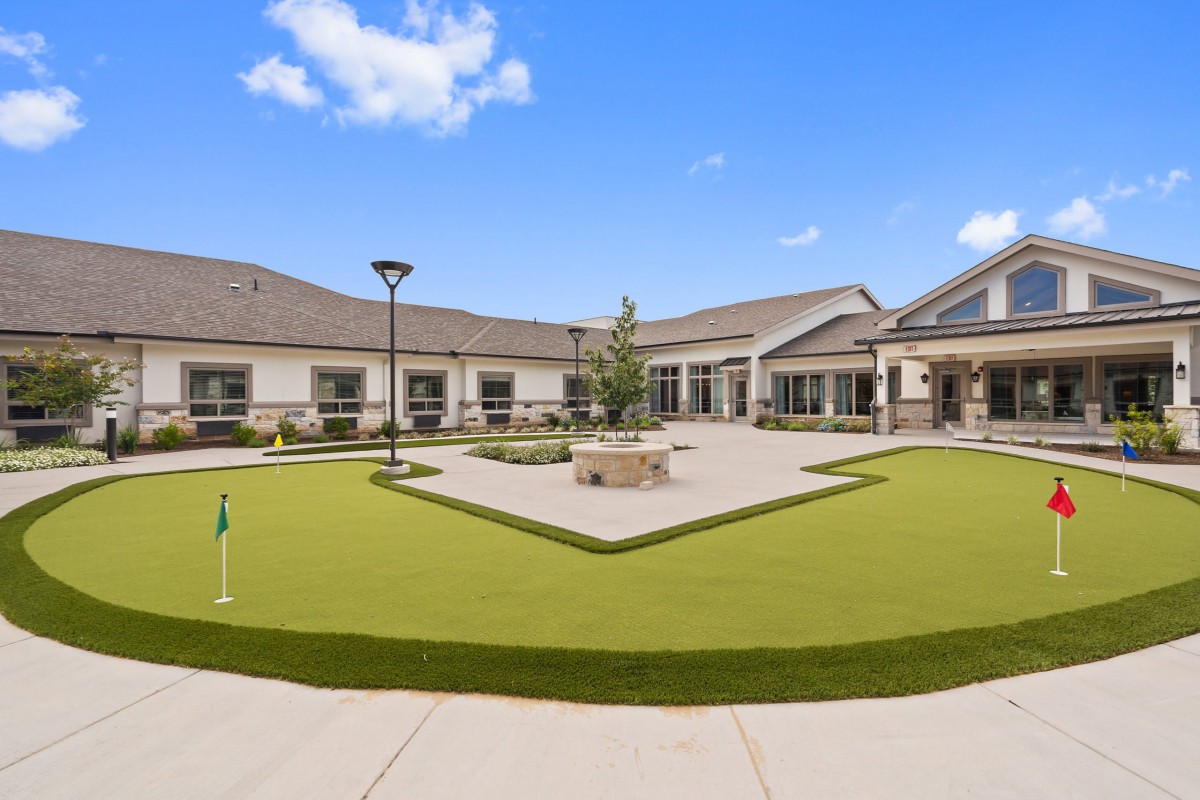
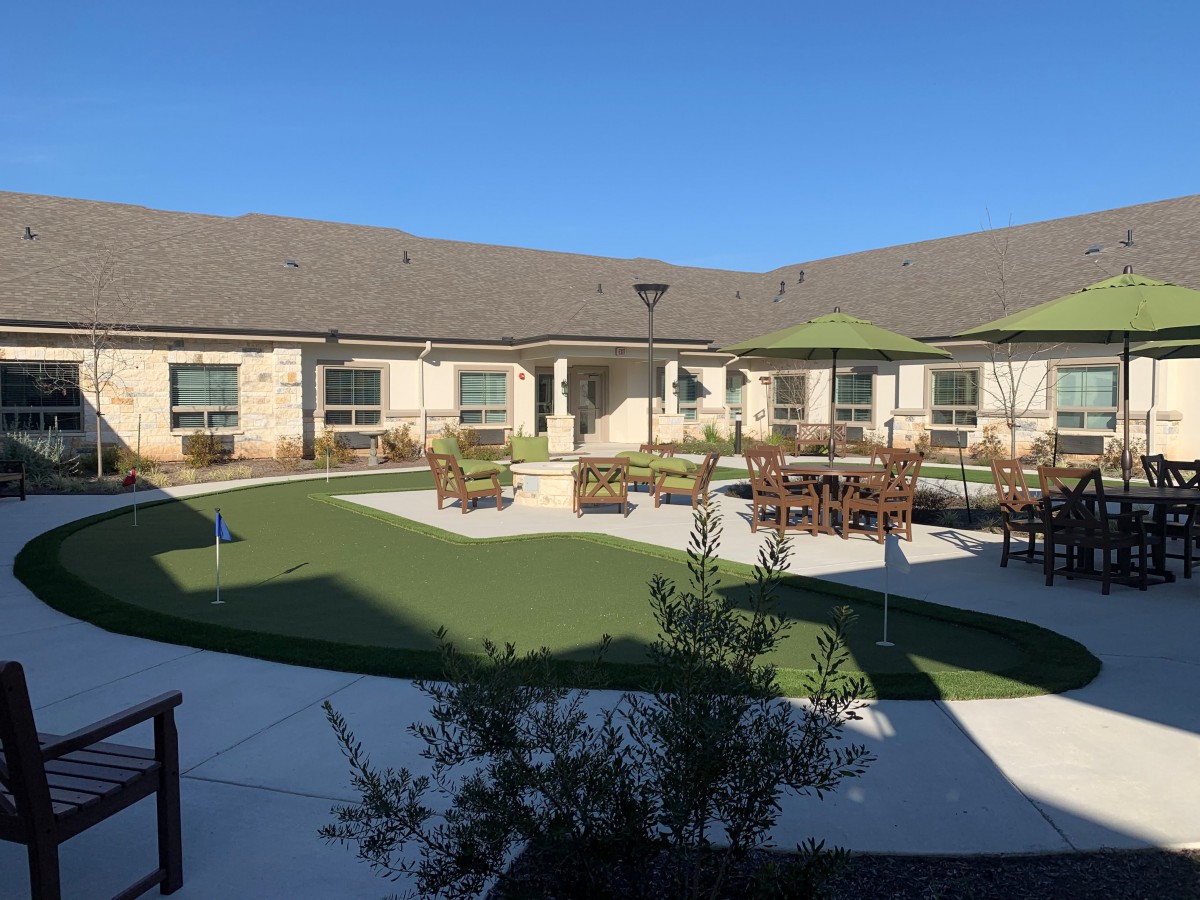
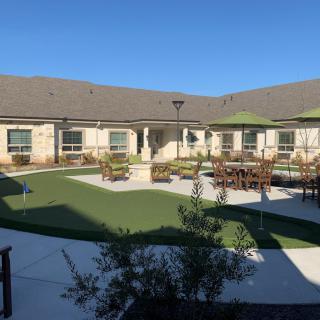
    A modern building with a landscaped courtyard featuring a lawn and pathways under a clear blue sky.
  • Decor

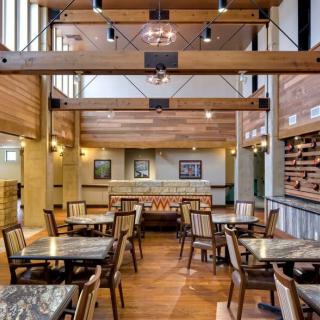
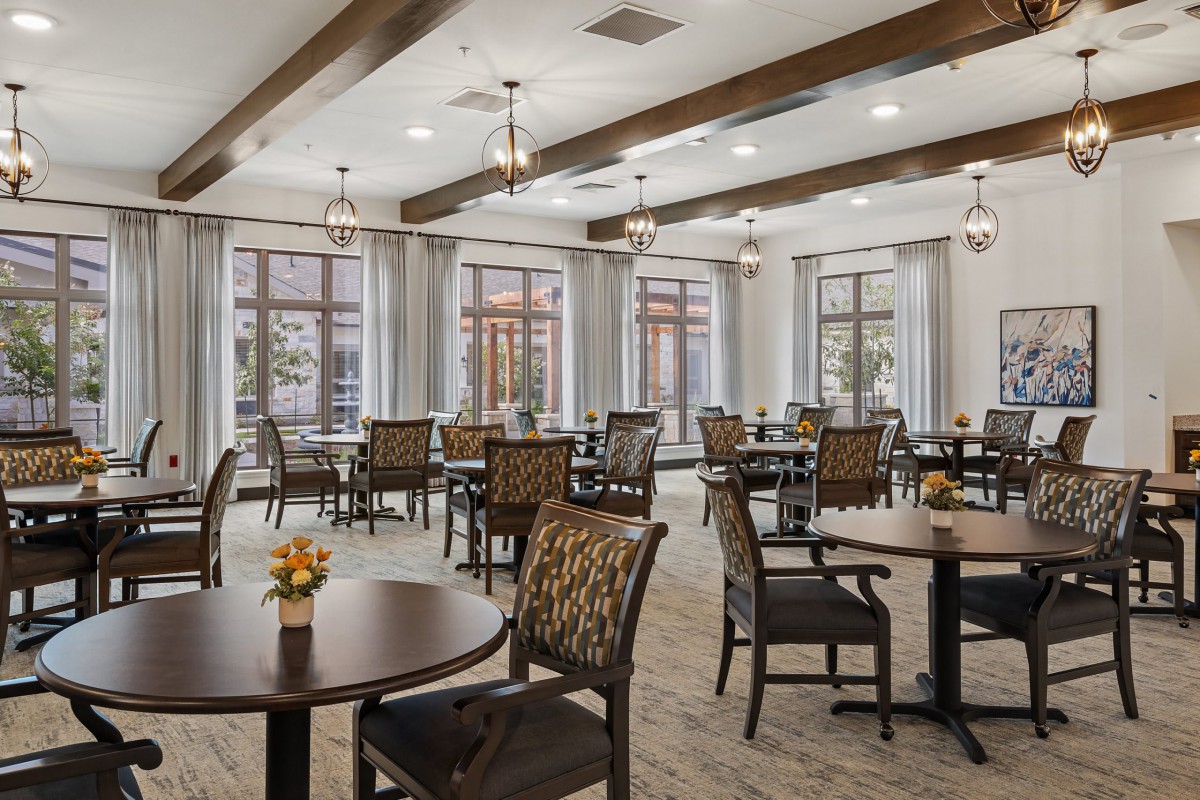
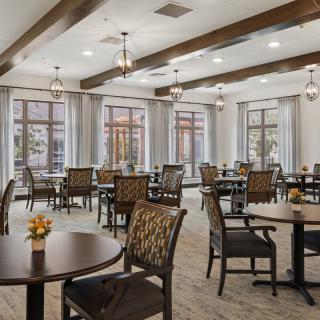
    A spacious and elegantly designed dining area with multiple tables and chairs, featuring large windows and decorative lighting.
  • Living Room

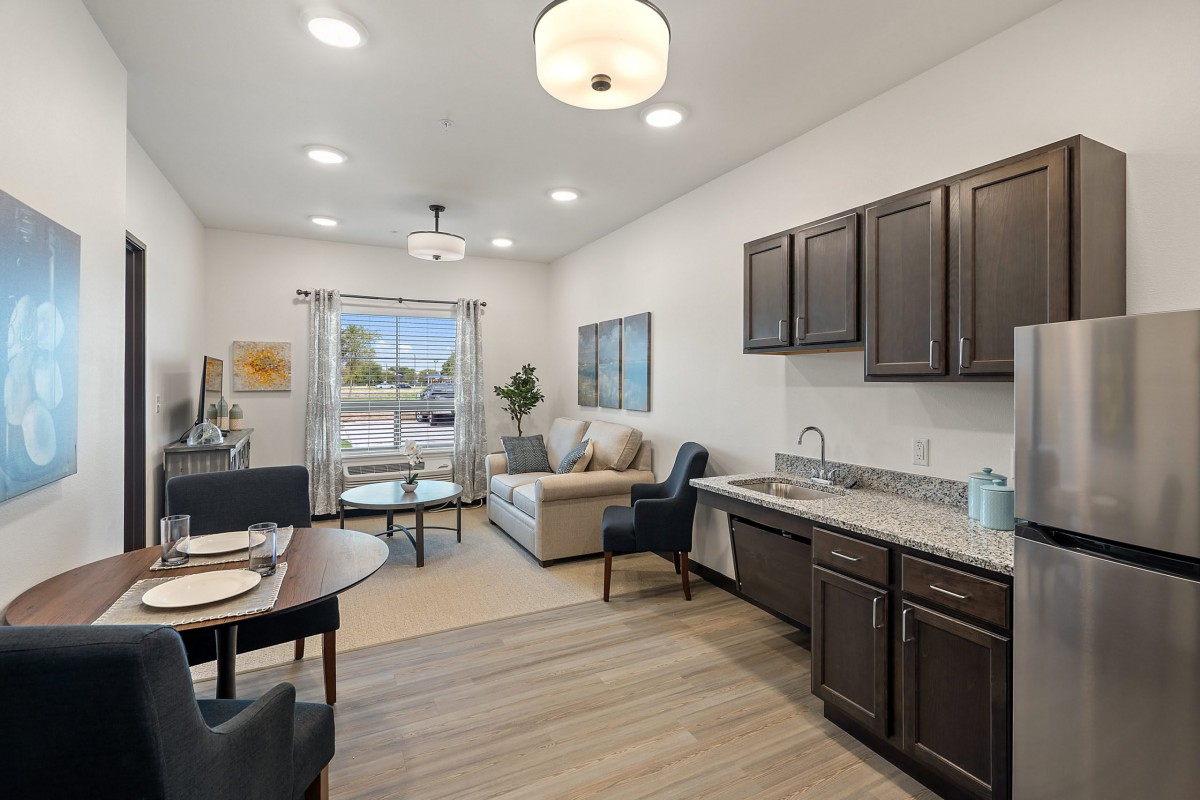
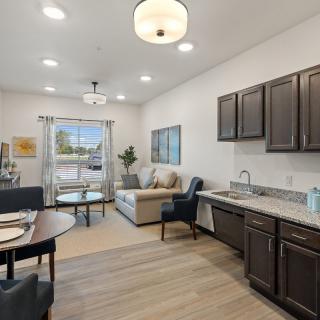
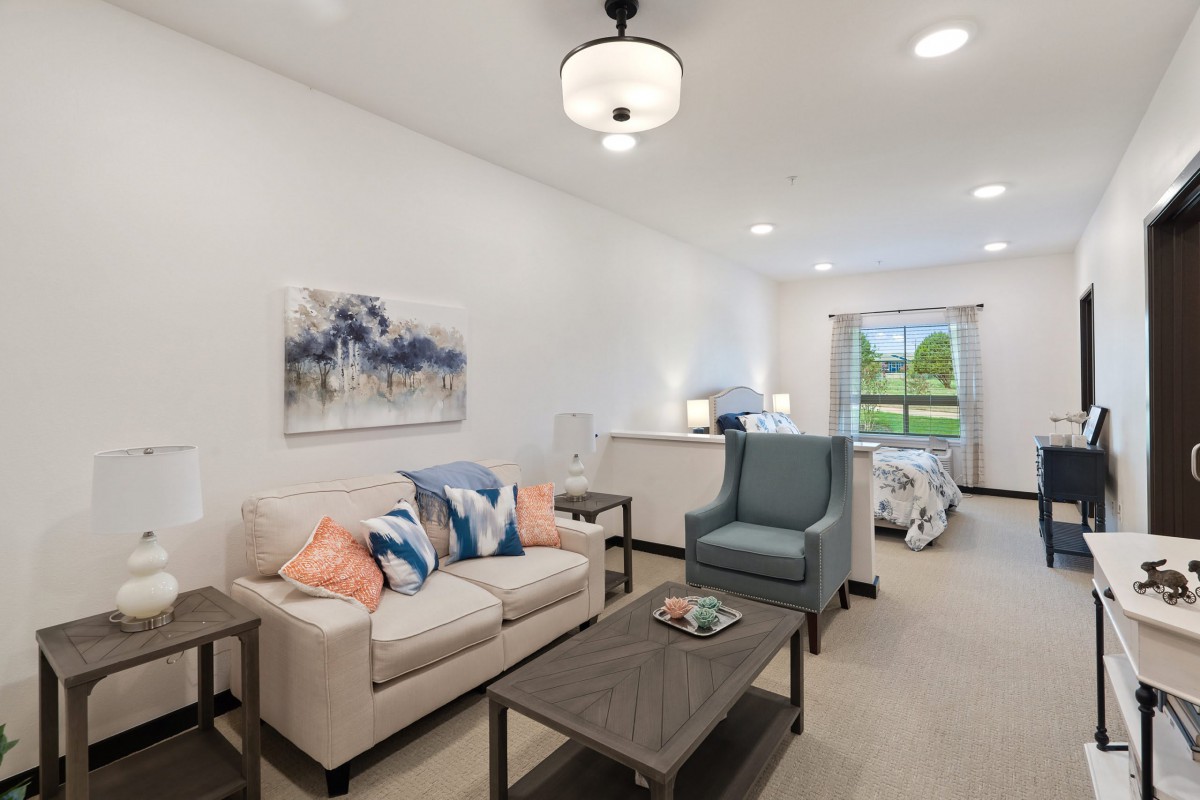
    A modern open-concept living room and kitchen area with stylish decor and furnishings.
  • Building

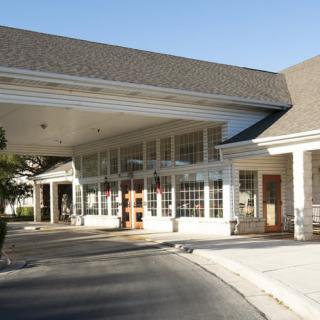
    A sunny courtyard with outdoor seating and a well-maintained lawn surrounded by a building.
  • Bedroom

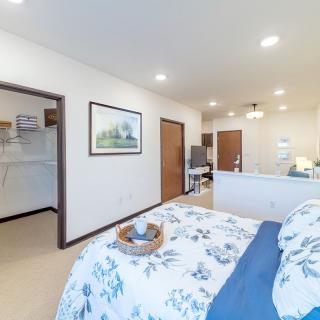
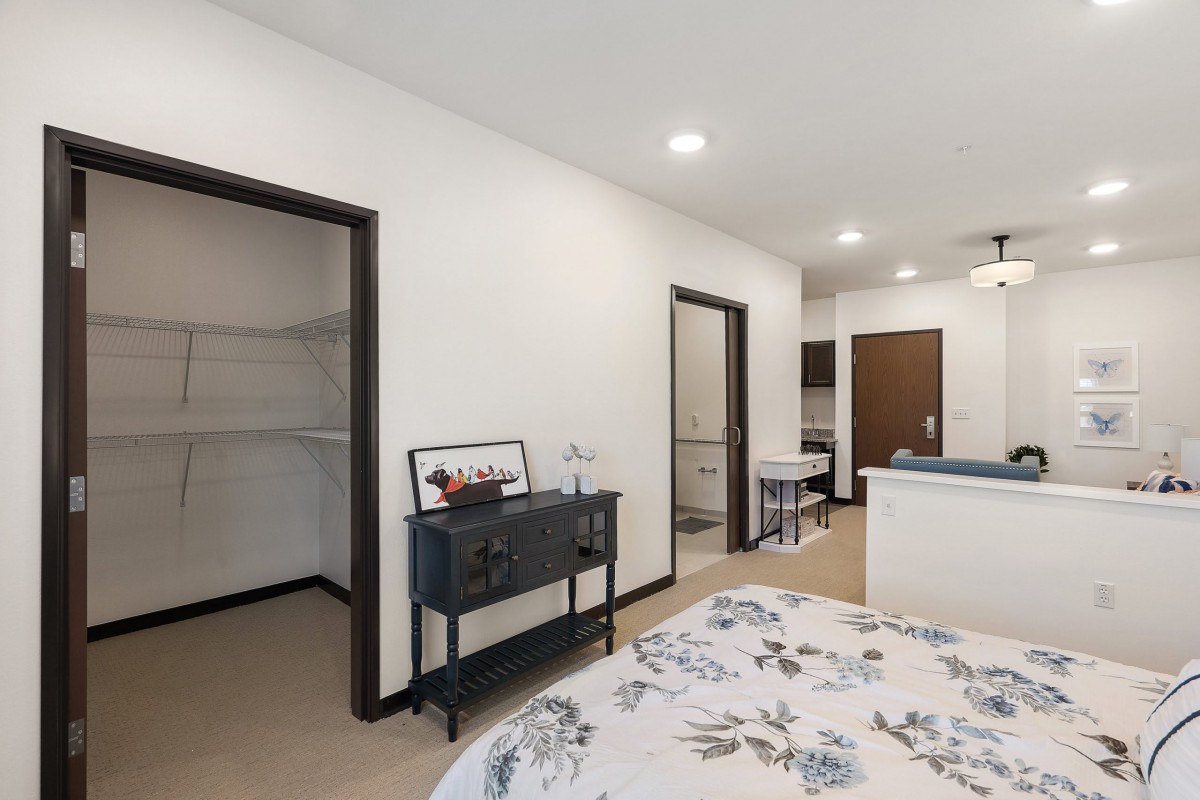
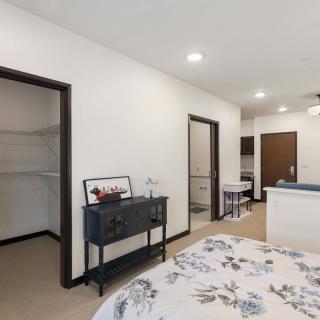
    A modern bedroom with a walk-in closet and floral bedding, featuring minimalistic decor.
  • Landscaping

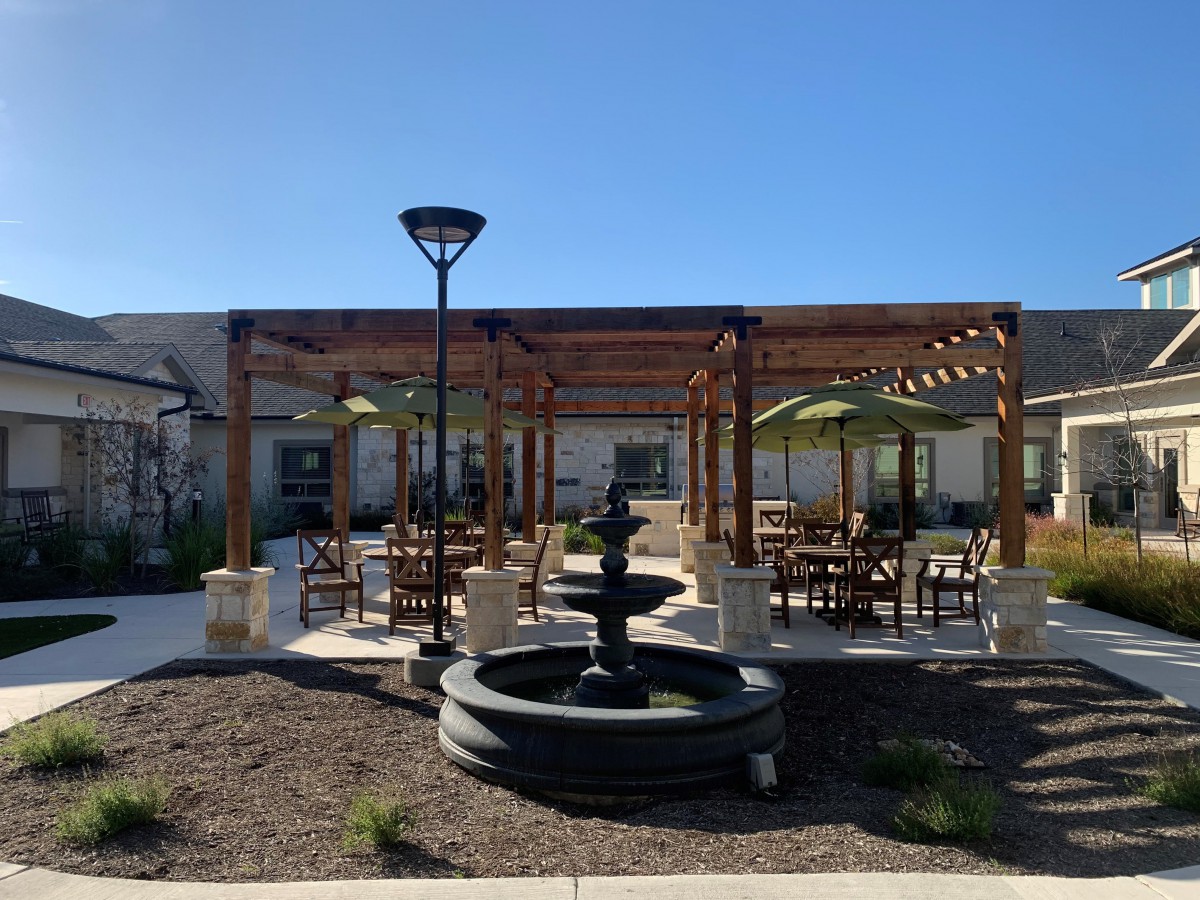
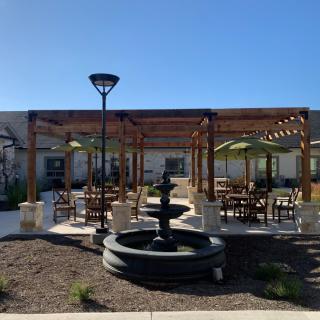
    A sunny outdoor seating area with a pergola and a central fountain.
  • Kitchen

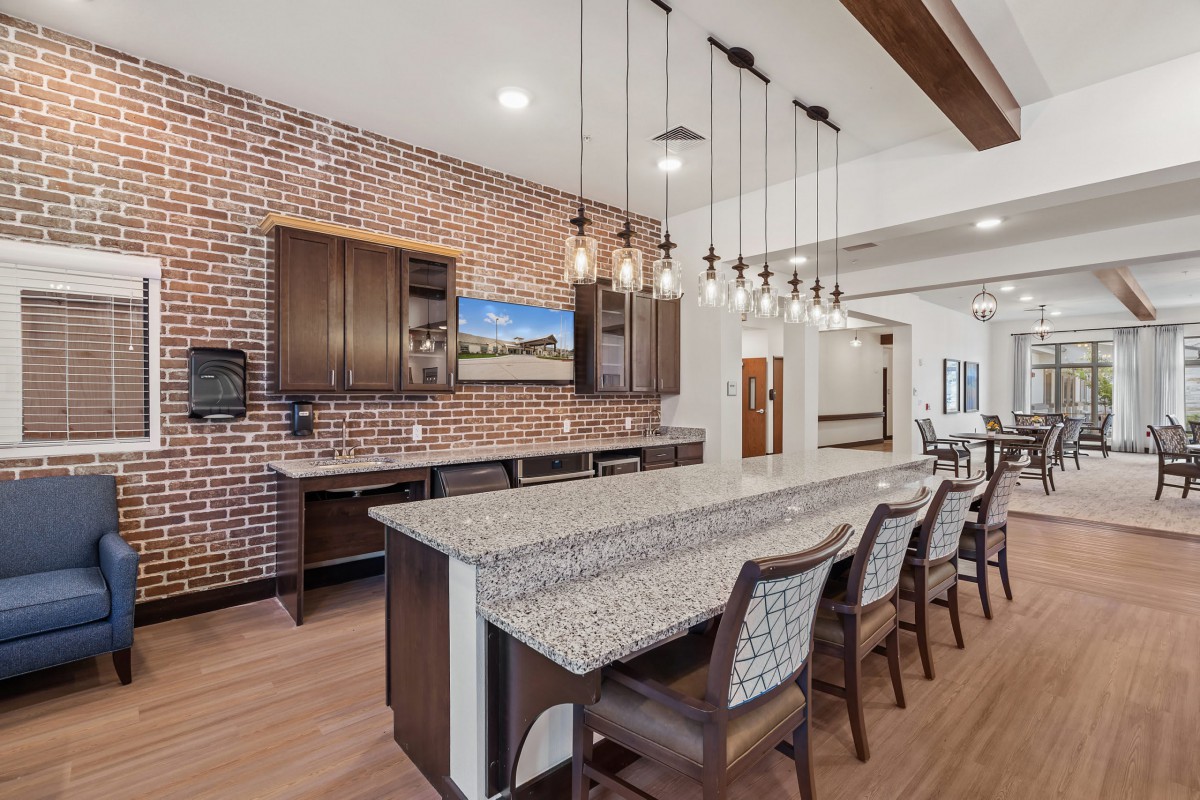
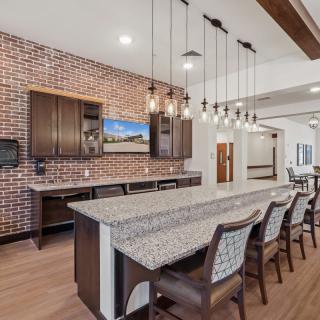
    A modern kitchen with a brick accent wall, featuring an island counter and stylish pendant lighting.
  • Artwork

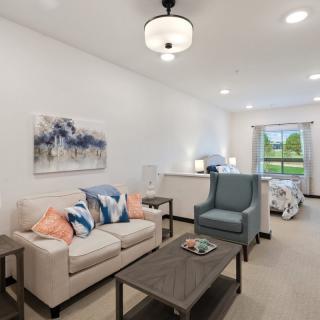
    A modern living room with cozy furniture and elegant decor.
  • Bathroom

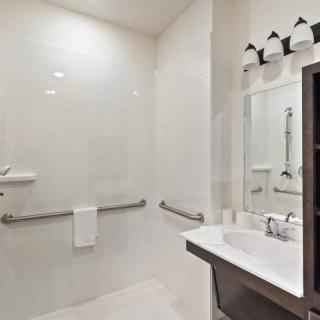
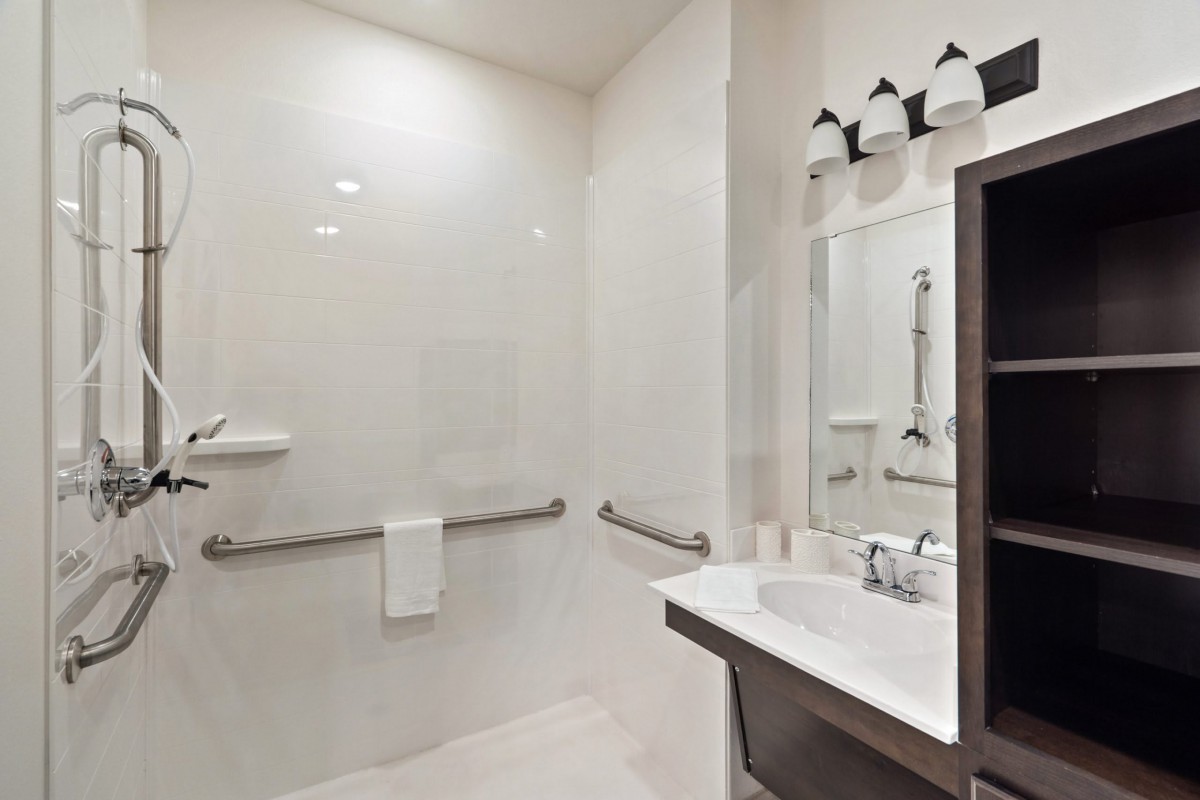
    A modern, minimalist bathroom featuring a walk-in shower and a sleek sink with a mirror.
  • Chandelier

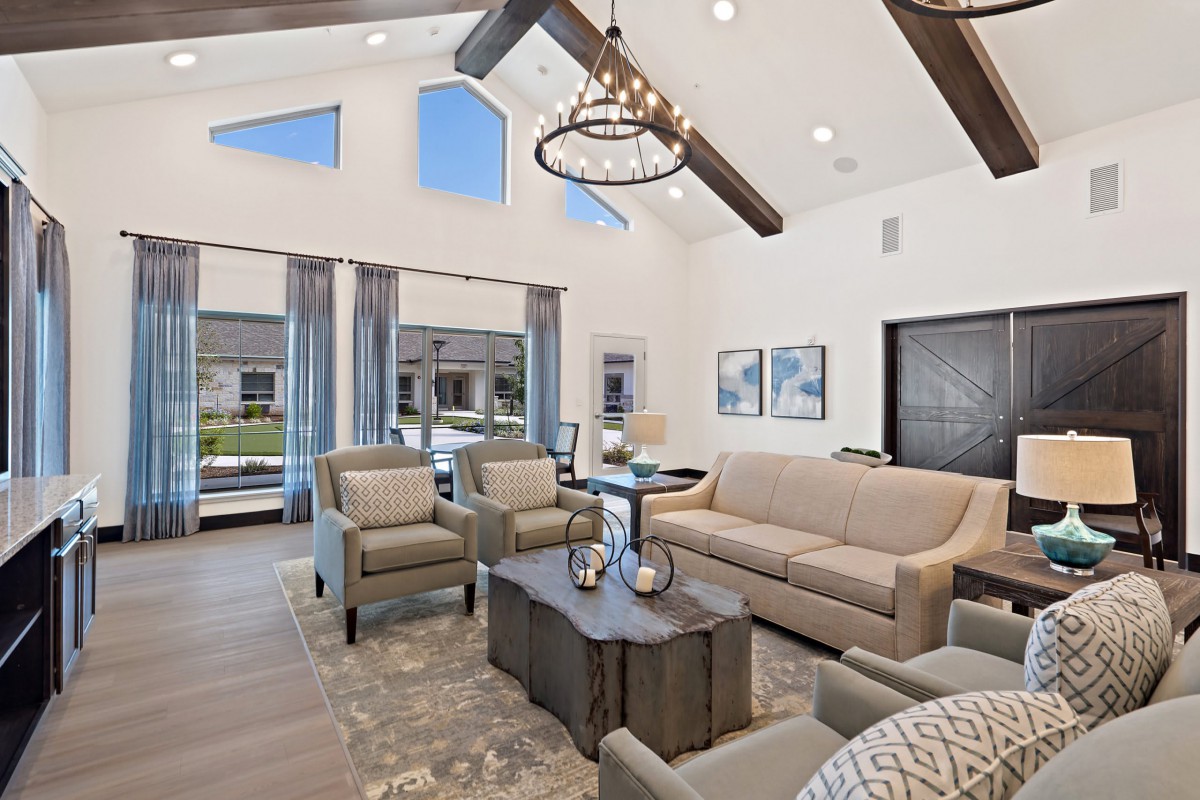
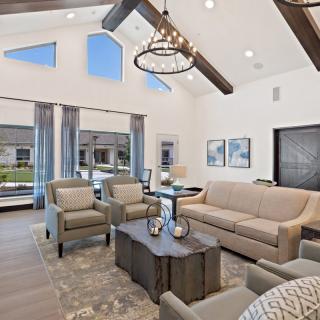
    A modern living room with high ceilings, featuring a comfortable sofa set and elegant decor.

Sage Spring in San Marcos, TX

800 Leah Ave, San Marcos, TX 78666

For more information about senior living options: (844) 490-3973

4 from 4 reviews
5 stars
1
4 stars
2
3 stars
1
2 stars
0
1 stars
0

Assisted Living Memory Care

Sage Spring Costs & Pricing

At Sage Spring, the monthly costs for various room types present a competitive option when compared to both Hays County and the state of Texas. For instance, a studio at Sage Spring is priced at $3,800, which is notably lower than the county average of $4,265 and slightly above the state average of $3,758. The one-bedroom suites are offered at $4,600, also providing an attractive alternative to Hays County's rate of $4,702 while remaining comparable to Texas's average. Furthermore, in the two-bedroom category, Sage Spring's price of $5,200 comes in below Hays County's average of $5,677 but higher than the state average. Notably, semi-private accommodations are available for $5,500 at Sage Spring; despite being higher than both Hays County's rate and Texas's statewide cost. Overall, Sage Spring offers a range of options that reflect thoughtful pricing strategies aimed at providing value in a competitive market.

Floor plansSage SpringHays CountyTexas
Studio$3,800$4,265$3,758
1 Bedroom$4,600$4,702$3,761
2 Bedrooms$5,200$5,677$4,215
Semi-Private$5,500$4,651$3,680

Overall Review of Sage Spring

Pros

  • pro The staff are very engaged.
  • pro The staff reach out to residents' families, check on them, and include them in activities.
  • pro The staff know residents and their families when visitors arrive.
  • pro The staff know exactly where residents are and can tell visitors when they are at meals.
  • pro The staff know residents well, engage with them, and have good relationships with them.
  • pro The care provided is good.
  • pro The meals are good and plentiful.
  • pro The community is wonderful and well regarded.
  • pro The setting is smaller-scale and keeps residents engaged.
  • pro The facility is beautiful and the building is wonderful.

Cons

  • pro After the ownership change, there was significant staff turnover, causing initial difficulties with follow-up and knowing who to ask questions.
  • pro The communication could be better, as the phone often isn't answered.
  • pro There are times when phone calls or messages aren't returned.
  • pro Sage Spring, being a new facility, has all-new staff who are not necessarily trained on dementia care.
  • pro Communication has been a problem and could definitely be improved.
  • pro It is hard to reach the front desk and even harder to reach someone in the memory care unit.

Review

Sage Spring in San Marcos, TX is best suited for families seeking a smaller, intimate community where staff are genuinely engaged with residents and family involvement is welcomed. It works well for seniors who value personal connection, visible activity participation, and a warm, home-like atmosphere over a large campus. The setting appeals to those who want a friendly, neighborhood feel with staff who seem to know each resident by name, their routines, and where they are at any given moment. It is especially suitable for families who prize hands-on attention and a sense that care is a collaborative effort with relatives.

Those considering alternatives should note who may want to look elsewhere. If seamless, highly predictable communication is a non-negotiable requirement, Sage Spring can feel uneven at times - the front desk is not always easy to reach and messages or calls may be delayed. For families prioritizing dementia care with established, highly specialized training across all shifts, a larger operator with a proven dementia program may be a better fit. While the memory care unit is described as part of the community, the current staffing transitions and lack of dementia-specific training in a new facility can be a meaningful consideration for residents with more complex memory needs.

The strongest positives revolve around engaged, caring staff and a tight-knit community vibe. The team actively reaches out to families, includes loved ones in activities, and demonstrates solid knowledge of residents' locations and needs during visits. The smaller scale fosters ongoing relationships, with residents who appear consistently engaged in programming and social opportunities. The facility's overall ambiance is appealing - bright, modern, and well maintained - contributing to a sense of security and well-being. Food quality is consistently praised, with ample portions and generally positive dining experiences, which can significantly impact daily satisfaction for residents.

Yet the main drawbacks center on communication and dementia-care readiness. Early on, ownership changes brought staff turnover and some follow-up gaps, though those issues have begun to improve as the team stabilizes. The memory care unit, in particular, can be harder to reach, and there is acknowledgment that new staff may not yet be fully trained in dementia-specific practices. These gaps can translate into slower question resolution and less predictable updates for families who want tight oversight. Taken together, Sage Spring offers a compelling core experience but requires vigilance from families who depend on reliable, proactive communication and dementia-centered programming.

The key to weighing Sage Spring is to assess how well the pros align with the needs of the individual resident. The offsetting strengths - high engagement, personal attention, and a strong sense of community - can compensate for some communication frictions, provided families adopt proactive, written communication routines and request clear points of contact. If the expectation is that every concern is answered immediately or that dementia care is consistently exceptional from day one, this community may test those assumptions before the team reaches steady-state. Families should verify current dementia training levels, request a dedicated memory care liaison, and observe how updates are delivered during a visit.

In practical decision terms, Sage Spring rewards inquiry and planning. It is a solid choice for families who want a nurturing, smaller environment with staff who genuinely know residents and stay connected with families. Prospective movers should ask to meet the front desk liaison and the memory care lead, review the latest activity calendar, sample the menu, and outline how care plans and updates are communicated. Consider timing a tour during peak activity to gauge how the team handles multiple residents and questions simultaneously. If those checks align with expectations, Sage Spring offers a reassuring, well-rounded option; if not, exploring larger communities with established dementia programs may be prudent.

Features

Types of Care

  • Assisted Living Assisted LivingAssisted living facilities provide crucial support and care for seniors who may need help with daily tasks such as medication management, bathing, and meal preparation. These communities offer a safe and comfortable environment where seniors can maintain their independence while receiving the assistance they need to thrive in their golden years.
  • Memory Care Memory CareMemory care is crucial for seniors as it provides specialized support and services for individuals with dementia or Alzheimer's disease. These programs offer a safe and secure environment where residents receive personalized care, cognitive stimulation, and help with daily activities. Memory care helps seniors maintain their independence, quality of life, and dignity while also providing peace of mind for their families.

Amenities

  • Activities off-site Activities off-siteEngaging in off-site activities is crucial for seniors to maintain social connections, stay active, and stimulate their minds. It promotes overall well-being and helps combat feelings of isolation and loneliness.
  • Activities on-site Activities on-siteActivities on-site are important for seniors because they provide opportunities for socialization, mental stimulation, physical activity, and overall well-being. Engaging in activities can help seniors stay active, maintain their independence, and improve their quality of life.
  • Air-conditioning Air-conditioningAir conditioning is important for seniors as they are more vulnerable to heat-related illnesses and may have underlying health conditions that make it difficult for them to regulate their body temperature. It helps to keep them comfortable, safe, and healthy in hot weather.
  • Beautician on-site Beautician on-siteHaving a beautician on-site at a senior living community is important for seniors as it allows them to easily access grooming and personal care services, boosting their self-esteem and overall well-being. It also provides convenience and helps seniors maintain their sense of independence and personal style.
  • Devotional services off-site Devotional services off-siteDevotional services off-site are important for seniors as they provide spiritual nourishment, social engagement, and a sense of community outside of the senior living facility. This can enhance overall well-being and help combat feelings of isolation and loneliness often experienced by older adults.
  • Ground floor units Ground floor unitsGround floor units are important for seniors because they provide easy accessibility, reduced risk of falls and injuries, and convenience for those with mobility issues. Seniors can avoid climbing stairs or using elevators, making daily tasks and activities more manageable and enjoyable.
  • Handicap accessible Handicap accessible"Handicap accessible" amenities are crucial for seniors to ensure they can easily navigate and access facilities, services, and activities without barriers or limitations due to physical impairments. This promotes independence, safety, and inclusivity for seniors in senior living communities.
  • Indoor common areas Indoor common areasIndoor common areas are crucial for seniors as they provide a space for socialization, recreation, and community engagement, promoting overall well-being and reducing feelings of isolation and loneliness.
  • Kitchenette KitchenetteKitchenettes are important for seniors living in senior living communities because they provide the convenience and independence of being able to prepare simple meals and snacks in the comfort of their own living space. This can help promote a sense of autonomy and well-being for seniors, allowing them to maintain some level of control over their dietary choices and daily routines.
  • Outdoor common areas Outdoor common areasOutdoor common areas are important for seniors as they provide a space for socialization, physical activity, and relaxation. Being outside in nature can improve mood and overall well-being, while also encouraging movement and engagement with others. These spaces can help combat feelings of isolation and promote a sense of community among residents.
  • Respite or short term stays offered Respite or short term stays offeredRespite or short term stays provide seniors with a temporary solution when their regular caregiver is unavailable, offering them the opportunity to receive additional care and support during times of need, while also giving caregivers a chance to rest and recharge.
  • Wheelchair accessible showers Wheelchair accessible showersWheelchair accessible showers are crucial for seniors as they provide a safe and independent bathing option for those with mobility challenges. These showers help prevent falls and allow seniors to maintain their dignity and autonomy while ensuring they can bathe comfortably.
  • Wi-Fi/high-speed internet available Wi-Fi/high-speed internet availableWi-Fi/high-speed internet is important for seniors to stay connected with loved ones, access online resources, and participate in virtual activities to combat feelings of loneliness and isolation. It also allows them to easily manage healthcare needs, access entertainment, and engage in lifelong learning opportunities.

Care Services

  • Ambulatory care Ambulatory care"Ambulatory care services provide essential medical support and treatment to seniors without requiring hospitalization, allowing them to maintain their independence and quality of life while managing chronic conditions or receiving routine medical care."
  • Diabetic care Diabetic careDiabetic care is crucial for seniors as they are more susceptible to developing diabetes due to aging and other health conditions. Proper management of diabetes can help prevent complications such as heart disease, vision loss, and nerve damage, improving the overall quality of life for seniors in senior living communities.
  • Incontinence care Incontinence careIncontinence care is essential for seniors to maintain their dignity, hygiene, and overall quality of life. By addressing incontinence issues promptly and effectively, seniors can enjoy a sense of independence and comfort in their daily activities.
  • Medication management Medication managementMedication management is crucial for seniors to ensure they are taking the right medications at the correct dosages and times. This helps prevent adverse drug interactions, reduces the risk of medication errors, and promotes overall health and well-being. Proactive management also allows for adjustments as needed based on changing health conditions or new prescriptions.

Dining

  • Guest meals Guest mealsGuest meals are important for seniors living in senior living communities because they provide an opportunity for socialization and companionship. Sharing a meal with friends, family, or new acquaintances can help combat feelings of loneliness and isolation, promote a sense of community, and enhance overall well-being. Additionally, guest meals allow seniors to enjoy delicious food in a comfortable setting without the hassle of cooking or cleaning up, making dining a pleasurable and stress-free experience.
  • International cuisine International cuisineInternational cuisine is important for seniors because it offers a variety of flavors, ingredients, and cultural experiences that can help keep their meals interesting and enjoyable. Trying new dishes can also stimulate the senses and provide different nutrients that contribute to overall health and well-being. Additionally, exploring international cuisine can bring back fond memories of travels or childhood experiences, making mealtime more nostalgic and fulfilling for seniors.
  • Low / no sodium Low / no sodiumLow/no sodium options are important for seniors because excessive sodium intake can lead to high blood pressure, heart disease, and other health issues commonly experienced by older adults. By choosing low/no sodium foods, seniors can better manage their health and reduce their risk of developing these conditions.
  • Meals provided Meals provided"Meals provided" are crucial for seniors in assisted living communities as it ensures they have access to nutritious, balanced meals without the stress of meal planning and preparation. This can help promote overall health and well-being for seniors who may have limited mobility or cognitive abilities.
  • No Sugar No SugarNo sugar diets are important for seniors because they can help prevent or manage chronic conditions such as diabetes, heart disease, and obesity. Sugar can also contribute to cognitive decline and inflammation in the body, so reducing sugar intake can lead to overall improved health and well-being in older adults.
  • Professional chef Professional chefProfessional chefs are important for seniors living in senior living communities because they provide nutritious and delicious meals that cater to their dietary needs and preferences. A professional chef can ensure that seniors are receiving balanced, flavorful meals that support their overall health and well-being.
  • Restaurant style dining Restaurant style diningRestaurant style dining is important for seniors as it offers them a social and enjoyable dining experience, promotes healthy eating habits, and provides personalized menu options to cater to their dietary needs and preferences. This type of dining setting can enhance their overall quality of life and create a sense of community within the senior living facility.
  • Room service Room serviceRoom service is important for seniors in a senior living community because it provides convenience and allows them to have their meals delivered directly to their room. This can be especially beneficial for seniors who may have mobility issues or difficulty accessing the dining area. Room service ensures that seniors are able to receive nutritious meals without having to navigate through the facility, allowing them to maintain their independence and overall well-being.
  • Special dining programs Special dining programsSpecial dining programs are important for seniors because they provide nutritious meals tailored to their dietary needs and preferences. These programs also offer socialization opportunities, promote overall health and well-being, and can help prevent malnutrition.

Activities

  • Art classes Art classesArt classes are important for seniors because they provide a creative outlet, improve cognitive function, reduce stress and anxiety, promote socialization, and enhance overall well-being and quality of life.
  • Cooking classes Cooking classesCooking classes are important for seniors as they provide opportunities for social interaction, enhance cognitive skills, promote healthy eating habits, and boost confidence in the kitchen.
  • Day trips and outings Day trips and outingsDay trips and outings are important for seniors as they provide opportunities for socialization, mental stimulation, physical activity, and a break from daily routines. These experiences can enhance overall well-being and quality of life for older adults living in senior communities.
  • Devotional activities offsite Devotional activities offsiteDevotional activities offsite are important for seniors because they provide social engagement, spiritual growth, and a sense of community outside of their living environment. This can improve overall well-being, mental health, and combat feelings of isolation or loneliness.
  • Educational speakers / life long learning Educational speakers / life long learningEducational speakers and lifelong learning opportunities are crucial for seniors as they provide mental stimulation, promote social engagement, and contribute to overall well-being. Continuous learning helps seniors stay mentally sharp, build new skills, and maintain a sense of purpose and fulfillment in their lives. It also allows them to stay connected to the world around them and fosters a sense of community within senior living facilities.
  • Forever fit Forever fit"Forever fit" programs are crucial for seniors as they promote physical activity, social engagement, and overall well-being. These programs help seniors maintain their independence, improve their strength and flexibility, and reduce the risk of chronic diseases. By participating in these activities, seniors can enjoy a higher quality of life and live independently for longer.
  • Happy hour Happy hourHappy hour is important for seniors as it provides a social activity that promotes camaraderie and reduces feelings of loneliness or isolation. It also offers an opportunity for older adults to relax, unwind, and enjoy some drinks or snacks in a fun and welcoming atmosphere.
  • Live dance or theater performances Live dance or theater performancesLive dance or theater performances are important for seniors because they provide opportunities for socialization, mental stimulation, and emotional engagement. These performances can help combat feelings of isolation and loneliness, while also offering a sense of connection to the arts and culture. Additionally, watching live performances can bring joy and create lasting memories for seniors in their later years.
  • Live musical performances Live musical performancesLive musical performances can provide seniors with a sense of joy, nostalgia, and connection. Music has the power to evoke emotions and memories, improve mood and cognitive function, and foster social interaction among seniors. It can also serve as a form of therapy and stress relief for older adults, making it an important activity to include in senior living communities.
  • Live well programs Live well programs"Live well programs are essential for seniors as they provide opportunities for physical activity, social engagement, and mental stimulation, ultimately promoting overall health and well-being in later years."
  • Wine tasting Wine tastingWine tasting can be a fun and social activity for seniors, allowing them to engage their senses, learn about different varieties of wine, and potentially meet new friends. It also offers health benefits such as improved cognitive function and reduced risk of heart disease when consumed in moderation.
  • Yoga / chair yoga Yoga / chair yogaYoga and chair yoga are important for seniors as they promote flexibility, balance, strength, and overall wellbeing. These practices can help improve mobility, reduce stress, and enhance mental clarity, ultimately leading to a higher quality of life in their senior years.

Description

Sage Spring in San Marcos, TX is a memory care assisted living community that offers a range of amenities and care services to ensure the comfort and well-being of its residents. The community provides a safe and secure environment for individuals with memory loss, offering activities on-site to engage and stimulate their minds.

The community features air-conditioning throughout the premises, ensuring a comfortable living environment for all residents. A beautician is available on-site to cater to their grooming needs, while devotional services are offered off-site for spiritual fulfillment. The ground floor units are easily accessible, making it convenient for residents with mobility challenges.

Indoor common areas provide spaces for socializing and relaxation, while outdoor common areas allow residents to enjoy fresh air and nature. Each unit is equipped with a kitchenette, providing residents the option to prepare their own meals if desired. Respite or short-term stays are also offered for those who need temporary care.

To ensure optimal health management, Sage Spring provides diabetic care and incontinence care as needed by its residents. Medication management services are also available to assist with medication schedules and administration.

The dining experience at Sage Spring is exceptional, with professional chefs preparing delicious international cuisine for the residents. Special dietary needs such as low/no sodium and no sugar options are catered to as well. Residents can enjoy restaurant-style dining or choose room service if they prefer privacy. Special dining programs are also offered to enhance the culinary experience.

A variety of activities are available at Sage Spring to keep residents engaged and entertained. Cooking classes provide an opportunity for culinary exploration, while day trips and outings offer new experiences outside of the community walls. Devotional activities offsite provide spiritual enrichment, while educational speakers promote lifelong learning.

Residents can maintain their physical fitness through various programs like Forever Fit and yoga/chair yoga classes. Happy hour fosters social interaction among peers, while live dance or theater performances offer entertainment within the community. Live musical performances and wine tasting events add a touch of sophistication to the residents' experience.

Sage Spring is conveniently located near several cafes, parks, pharmacies, physicians, restaurants, transportation options, places of worship, and hospitals. This ensures easy access to everyday necessities and medical services for the residents' convenience and peace of mind.

Overall, Sage Spring in San Marcos, TX provides a comprehensive care experience with a focus on memory care. With its wide range of amenities and activities, residents can enjoy a fulfilling and comfortable lifestyle while receiving the assistance they need.

Nearby Places of Interest

Located in San Marcos, Texas, this area is a vibrant and convenient neighborhood with a variety of amenities within close proximity. You will find a wide range of dining options such as Zelicks, Torchy’s Tacos, and Italian Garden, as well as cafes like Wake The Dead Coffee House and Starbucks. For your medical needs, there are several physicians' offices nearby including Southwest Family Medicine and Total Men's Primary Care. Additionally, pharmacies like Walgreens and CVS are easily accessible for any medication needs. Transportation is also convenient with options such as Hertz Rent A Car available. In terms of recreation, there are parks like Children's Park and Bicentennial Park for outdoor activities. In terms of healthcare services, the Central Texas Medical Center Institute for Advanced Wound Healing is located nearby. Overall, this neighborhood offers a blend of convenience, amenities, and healthcare services making it a great option for senior living in San Marcos.

Restaurants

  • Zelicks (0 miles)
  • Torchy’S Tacos (0.2 miles)
  • Sean Patricks (0.3 miles)
  • Italian Garden (0.3 miles)
  • Chimy's Cerveceria (0.3 miles)
  • Industry (0.4 miles)
  • Railyard Bar & Grill (0.4 miles)

Parks

  • Children's Park (0.5 miles)
  • Bicentennial Park (0.6 miles)
  • Sewell Park (0.8 miles)
  • Gregg-Clarke Park (8.3 miles)
  • Waterleaf Park Beech Drive (8.6 miles)

Physicians

  • Student Health Center (0.6 miles)
  • Southwest Family Medicine, P.A. (1.4 miles)
  • Hays County Family Clinic (1.5 miles)
  • San Marcos Root Canal Specialists (1.5 miles)
  • Total Men's Primary Care (1.5 miles)
  • Dr William Rogers (1.7 miles)
  • Gregory Colon, MD (1.7 miles)

Cafes

  • Wake The Dead Coffee House (0.9 miles)
  • Starbucks (1.1 miles)
  • Summer Moon Coffee (1.3 miles)
  • Texas Bean & Brew House (1.8 miles)
  • Starbucks (4.5 miles)
  • Starbucks (8.6 miles)

Pharmacies

  • Walgreens (1.1 miles)
  • Walgreens (1.5 miles)
  • CVS Pharmacy (1.6 miles)
  • Thorpe Lane Pharmacy (1.6 miles)
  • Kyle Care Pharmacy (8.2 miles)
  • CVS Pharmacy (8.5 miles)
  • Kyle Total Healthcare (9.5 miles)

Transportation

  • Hertz Rent A Car (1.1 miles)
  • Taylor Tx (4.9 miles)

Hospitals

  • Central Texas Medical Center Institute for Advanced Wound Healing (2.1 miles)

Places of Worship

  • First Baptist Church Of San Marcos (3.4 miles)
  • St Anthony's Catholic Church (8.8 miles)

Frequently Asked Questions

How much does it cost to live at Sage Spring in San Marcos, TX?
Where is Sage Spring?
Does Sage Spring provide care for residents with dementia or Alzheimer's disease?
What photos are available for Sage Spring in San Marcos, Texas?

Nearby Communities

  • Right at Home San Marcos

    Right at Home San Marcos

    San Marcos, TX

    5 from 24 reviews
     

    pro Convenient location with easy access to dining, parks, pharmacies, physicians, transportation, and a hospital.

  • Smith House San Marcos Community Living Program

    Smith House San Marcos Community Living Program

    San Marcos, TX


    pro Small, intimate board-and-care with personalized care and comprehensive support services.

  • Brookdale San Marcos North

    Brookdale San Marcos North

    San Marcos, TX

    4.4 from 94 reviews
    $3,845 to $5,395 / month

    pro Caring staff, engaging activities, and a clean, welcoming environment.

  • Sage Springs

    Sage Springs

    San Marcus, TX

    5 from 4 reviews
     

    pro Compassionate, patient staff with engaging activities in a modern, well-maintained setting.

  • Sage Spring Senior Living

    Sage Spring Senior Living

    San Marcos, TX


    pro Strong memory-care focus with extensive on-site amenities and transportation.

  • Stone Brook Senior Community

    Stone Brook Senior Community

    San Marcos, TX

    4 from 50 reviews
     

    pro Private living space with in-unit laundry and activities.

  • Mariposa Apartment Homes

    Mariposa Apartment Homes

    San Marcos, TX

    4 from 48 reviews
     

    pro Active community with a wide range of activities and friendly staff.

  • Kissing Tree

    Kissing Tree

    San, TX

    4.7 from 20 reviews
     

    pro Beautiful, activity-rich 55+ community with independent living and optional home care.

  • The Philomena

    The Philomena

    Kyle, TX

    4.7 from 71 reviews
    $3,750 to $4,450 / month

    pro Clean, bright community with friendly staff and good value; active programs and on-site services.

Related Resources

  • dementia behaviorsUnderstanding Dementia Behaviors: Practical Insights and Strategies for Caregivers

    Dementia affects memory and cognitive function in older adults, presenting challenges for caregivers due to behavioral changes such as confusion and mood swings. Compassionate, person-centered care that considers individual history and preferences, along with effective communication and environmental modifications, is essential for supporting both patients and their caregivers.

  • dementia and angerWhen Dementia Sparks Anger and Aggression: Understanding the Connection and Ways to Cope

    Dementia leads to cognitive impairment and can cause emotional and behavioral changes, including aggression that arises from frustration, confusion, or fear. Effective coping strategies for caregivers include understanding dementia's nature, recognizing triggers, using empathetic communication, and employing non-pharmacological interventions like music and art therapy.

  • dementia behaviorsDementia Behaviors: In-Depth Understanding and Effective Coping Strategies
    Dementia causes cognitive decline and challenging behaviors that caregivers must manage, necessitating an understanding of the neurological basis of these issues. Effective strategies and self-care for caregivers can enhance support for those with dementia and improve their daily lives.