
3362 Hunter Road, San, TX 78666
For more information about senior living options: (866) 208-4318
Overall Review of Kissing Tree
Pros
 It is a wonderful place to live.
- It is a beautiful place with wonderful people.
- There are tons of activities going on.
- It is a lovely 55+ community to live in.
- The painting team did an excellent job painting the kitchen cabinets.
- The security guards at the front desk are amazing and always smile.
- It is one of the top-rated communities in the US.
- The staff were helpful and friendly.
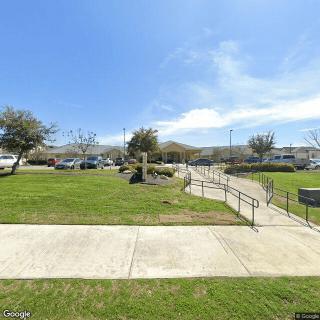
- There is greenery everywhere.
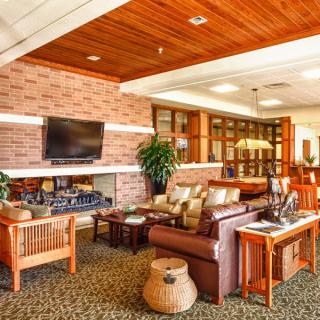
- It has a humongous workout facility that is beautiful and overlooks the Hill Country.
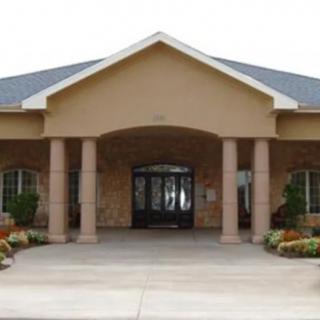
- The houses are architecturally very pretty.
Cons
 The HOA manager repeatedly claimed the problem was not the street, blaming neighbors overwatering, which frustrated residents.
- The president offered excuses and refused to take responsibility.
- After almost a year, there was no definitive answer and the issue would not be fixed.
- Brookfield and the HOA are perceived as lacking concern for repairs they are responsible for.
- Prospective buyers are warned of potential financial burdens after turnover, including a projected $5,000 special assessment.
- The street in front of a home has settled.
Review
Kissing Tree is best suited for 55-plus residents who want an energizing, socially rich, independent-living environment in a picturesque Hill Country setting. The community excels when preferences lean toward a busy calendar of activities, ample opportunities to socialize, and a safe, well-maintained campus with thoughtful amenities. It appeals to those who want to stay active, arts and crafts, book clubs, bocce, golf, yoga, and a robust fitness facility, and who value a built-in peer network that makes aging in place feel connected rather than isolating.
However, prospective buyers should explicitly consider alternatives if the plan centers on a guaranteed, fully supported care model or if predictable, low-risk financing is paramount. The owners’ association structure introduces a level of financial complexity and governance that may not suit everyone. The prospect of a turnover from Brookfield to resident control carries real implications, including the potential for sizable assessments and evolving fee structures. If reliability and transparency in fees, fiduciary oversight, and a straightforward purchasing process are non-negotiable, other 55-plus options with clearer cost control deserve serious comparison.
The strongest positives here are hard to miss: a broad menu of daily activities, two swimming pools (indoor and outdoor), and a very large, well-equipped exercise facility that affords a high-quality wellness experience without leaving the community. The setting is lush and visually appealing, with architecture and landscaping designed to feel cohesive and welcoming. The safety net of security at the front desk adds a tangible sense of protection, while residents report a warm, engaging social environment. For many, these factors translate into a meaningful quality of life that makes leaving a city routine feel optional rather than necessary.
On the downside, the HOA dynamics represent the main friction point. The most concrete concerns revolve around governance and financial risk, treating turnover to residents as a potential trigger for a large special assessment, questions about how funds are managed, and the possibility that future residents will shoulder costs that aren’t fully disclosed upfront. Compounding this are reports about management responsiveness and the experience of some buyers who encounter miscommunication about responsibilities (such as maintenance issues attributed to neighbors or unclear accountability). Buyers should enter the process with a clear, written package of HOA documents, reserve studies, and a defensible understanding of who bears which costs once turnover occurs.
Yet the pros can outweigh these cons for the right buyer, primarily those who value an active, engaged lifestyle and who are comfortable with a degree of financial complexity as part of ownership in a large, planned community. The benefit of social vitality, ongoing programming, and readily accessible wellness resources offers a strong counterbalance to the HOA risk for residents who plan carefully, practically, and to budget. The independence remains intact: residents can bring in home-care services as needed and continue to inhabit their own homes, with the option to participate in community life on their own terms rather than losing autonomy to a care facility.
In the end, a clear verdict emerges: Kissing Tree delivers outstanding leisure, scenery, and social opportunities for strong, self-directed 55-plus adults who are prepared to navigate HOA considerations with diligence. Those who prioritize a vibrant, amenity-rich environment and are comfortable evaluating complex financial disclosures will find the overall value compelling. Conversely, anyone seeking predictable, low-risk costs with minimal governance involvement or those needing extensive daily care should consider alternatives that offer more predictable funding and tighter fiduciary controls from day one. A thorough due-diligence process, talking with current residents, auditing written HOA documents, and projecting total cost of ownership, will determine whether Kissing Tree is the right long-term home or if another option better matches the risk tolerance and care expectations.
 6 resident community capacity
 Active Adult Communities (55+)
 Housekeeping services
 Telephone
 Wi-Fi/high-speed internet available
 Assistance with dressing
 Meal preparation and service
 Medication management
 Diabetes diet
 Special dietary restrictions



 In-Depth Look at the VA Aid and Attendance Program
 Nurturing Our Loved Ones: A Daughter's Journey in Caring for Her Mother
 Nurturing Our Elders: Linda's Journey of Supporting Her Mother