Ralls Nursing Home

Save
Ralls Nursing Home Ralls Nursing Home

Ralls Nursing Home

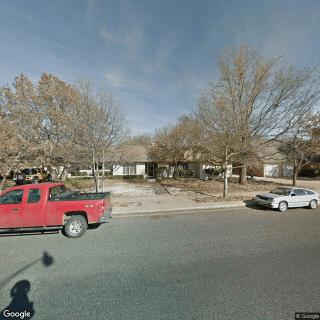
1111 Avenue P, Ralls, TX 79357

For more information about senior living options: (844) 490-3973

2.3 from 6 reviews
5 stars
2
4 stars
0
3 stars
0
2 stars
0
1 stars
4

Skilled Nursing Facility

What level of care are you interested in?

Assisted Living

Memory Care

Independent Living

Skilled Nursing Facility

Continuing Care Retirement Community (CCRC)CCRC

Other


Request a tour at Ralls Nursing Home

    Overall Review of Ralls Nursing Home

    Pros

    • pro The facility is described as a good place.
    • pro The workplace is described as a nice place to work.
    • pro The staff are described as doing their best.
    • pro The staff's efforts are acknowledged, even under challenging circumstances.

    Cons

    • pro The reviewer feels all of their meds were taken away and believes they are in hell.
    • pro The reviewer says some residents' families are hard-headed and rude to the staff.
    • pro The reviewer believes many people don't understand what the employees have to endure.
    • pro The reviewer found the staff rude when they called to inquire about visitation.
    • pro The reviewer states they would never send their family there because of the staff's rudeness.
    • pro The reviewer claims a worker named Marla has their mom's debit card linked to the worker's personal email and accuses the staff of trying to get money from people.
    • pro The reviewer reports abuse to Adult Protective Services.

    Review

    A set of troubling personal accounts about the facility reveals a mix of intense distress, guarded praise, and serious concerns that go beyond routine complaints. One person describes a jarring experience of being deprived of medications, exclaiming, "Took all my meds away!! I fell I'm in HELL." The remark communicates not only fear and discomfort but a sense that essential medical support was abruptly removed, leaving the individual feeling exposed and unsafe. The phrasing conveys real desperation, suggesting that the consequences of the medication change felt immediate and severe to the person involved.

    Amid the complaints about care, another voice offers a contrasting, though still complex, view. The place is described as "a good place," with the caveat that the difficulty lies with the residents' families rather than the staff itself. The reviewer notes that "there's just residents families that are hard headed & rude to the staff," and adds that many people fail to understand what the employees must endure on a daily basis. The sentiment here is that the facility itself may be solid, but the dynamics with visitors and family members can create a stressful environment for those providing care. The reviewer emphasizes that staff are doing their best, and implies that some friction stems from a mismatch between expectations and the realities of caregiving in a facility setting.

    There is also a straightforward, almost simple endorsement from a different observer: "It's a nice place to work." This line highlights a workforce that, from this perspective, has a positive internal culture or experience. It stands in contrast to the other reviews that center on patient-facing concerns, underscoring how perspectives can diverge within the same place. A workplace described positively by one person can still be the site of troubling patient experiences, suggesting a disconnect between staff morale and the quality of care or communication experienced by residents and their families.

    The quality of communication with the facility's staff is another focal point. In a separate account, the person responsible for reaching out about visitation reports that both the answering staff member and the Director of Nursing were rude during the inquiry. The reviewer emphasizes that if a staff member is rude to someone seeking information - especially a family member trying to learn how visitation works - the facility would not earn their confidence or recommendation. This critique points to broader issues around accessibility, tone, and clarity in the facility's public-facing interactions, which can color a family member's willingness to consider placement for a loved one.

    Beyond interpersonal dynamics, there are specific concerns about financial handling. The reviewer mentions a worker, Marla, claiming that my mom's debit card is "connected to her personal email," followed by the stark assertion that "they are only out to get money from people." This allegation raises alarms about potential financial exploitation or lax controls around residents' funds and payment methods. The wording implies a breach of trust and confidentiality, and it suggests that the reviewer believes there are financial motives at play rather than purely caregiving priorities. Even as a single account of a claim, it contributes to a perception that financial safety and oversight require careful scrutiny.

    Finally, there is a grave note about abuse being reported to Adult Protective Services. The statement, "Reported abuse from this place to Adult protective services," signals that at least one serious red flag has prompted external investigation or intervention. This detail shifts the conversation from dissatisfaction with service quality to visible concerns about resident safety and welfare. It underscores that for some families, the facility has become a site of formal concern, beyond ordinary complaints, prompting involvement from protective authorities.

    Taken together, these accounts sketch a portrait of a facility that elicits a spectrum of experiences. Some view the environment as potentially solid, with staff who are doing their best and a workplace that can feel solid or even positive from an inside perspective. Others describe distressing medical or medication-related experiences, hostile or dismissive communication with staff, troubling financial concerns, and formal abuse reporting. The contrast between these voices highlights the complexity of eldercare in a single setting: the same place can be a source of support and security for some, while for others it represents fear, mistrust, and a call for urgent attention to safety, communication, and accountability. If these concerns reflect real patterns, they point to the need for stronger safeguards around medication management, clearer and more respectful communication, robust financial controls, and prompt, transparent responses to abuse and safety complaints.

    Features

    Housing

    • 46 resident community capacity 46 resident community capacity

    Types of Care

    • Skilled Nursing Facility Skilled Nursing FacilitySkilled Nursing Facilities are crucial for seniors as they provide round-the-clock medical care, rehabilitation services, and assistance with daily activities. These facilities ensure that seniors receive the specialized care they need to maintain their health and well-being as they age.

    Amenities

    • Beauty salon Beauty salonBeauty salons are important for seniors because they provide a space for them to feel pampered, socialize, and maintain their personal grooming and hygiene. Regular visits to a beauty salon can help boost seniors' self-esteem and overall well-being.
    • Cable or satellite TV Cable or satellite TVCable or satellite TV is important for seniors because it provides entertainment, news, and companionship, helping to combat loneliness and boredom. It also offers a wide range of programming options tailored to different interests and preferences.
    • Dining room Dining roomDining rooms are important for seniors as they provide a space for socialization, connection, and nutritious meals. They offer opportunities for residents to bond over shared meals, foster a sense of community, and promote healthy eating habits. Dining rooms also ensure that seniors have access to well-balanced meals tailored to their dietary needs and preferences.
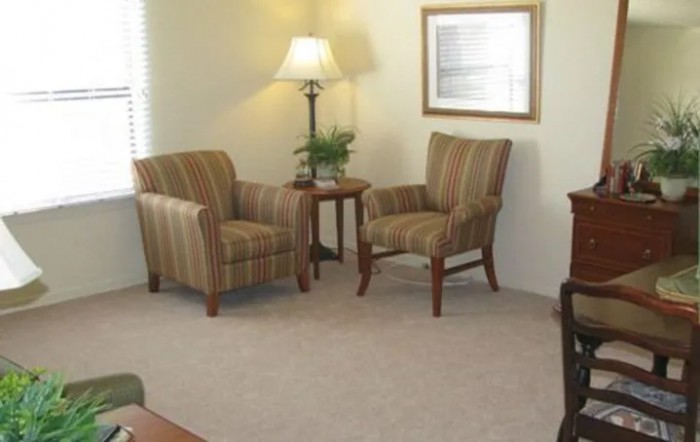
    • Fully furnished Fully furnishedFully furnished senior living communities are important for seniors because they provide convenience, comfort, and a hassle-free moving experience. Seniors can easily settle into their new living space without the stress of having to buy and move furniture. This allows them to focus on enjoying their new home and community.
    • Garden GardenGardens are important for seniors as they provide a peaceful and therapeutic environment for relaxation, physical activity, and socialization. Being in nature has been shown to reduce stress, improve mood, and promote overall well-being. Gardens also offer opportunities for seniors to engage in gardening activities, which can improve mobility, flexibility, and cognitive function. Additionally, gardens create a sense of community and connection with others who share a passion for plants and outdoor spaces.
    • Housekeeping services Housekeeping servicesHousekeeping services are important for seniors because they help maintain a clean and safe living environment, promote independence, and reduce the risk of accidents or illnesses. Additionally, having assistance with household chores can alleviate physical strain and allow seniors to focus on other aspects of their well-being.
    • Kitchenette KitchenetteKitchenettes are important for seniors living in senior living communities because they provide the convenience and independence of being able to prepare simple meals and snacks in the comfort of their own living space. This can help promote a sense of autonomy and well-being for seniors, allowing them to maintain some level of control over their dietary choices and daily routines.
    • Move-in coordination Move-in coordinationMove-in coordination is important for seniors because it helps ease the transition into their new living environment. It ensures that all logistics, such as packing, organizing movers, and setting up utilities are taken care of, allowing seniors to focus on settling in and adjusting to their new home. Having a smooth move-in process can alleviate stress and anxiety, making the transition smoother and more enjoyable for seniors.
    • Outdoor space Outdoor spaceOutdoor spaces are important for seniors as they provide opportunities for physical activity, social interaction, exposure to natural light and fresh air, and a sense of connection to nature. Having access to outdoor spaces can improve overall well-being and quality of life for older adults living in senior communities.
    • Restaurant-style dining Restaurant-style diningRestaurant-style dining is important for seniors because it allows them to enjoy delicious, nutritious meals in a social and upscale setting. This enhances their dining experience, promotes healthy eating habits, and fosters socialization with fellow residents, ultimately contributing to their overall well-being and quality of life.
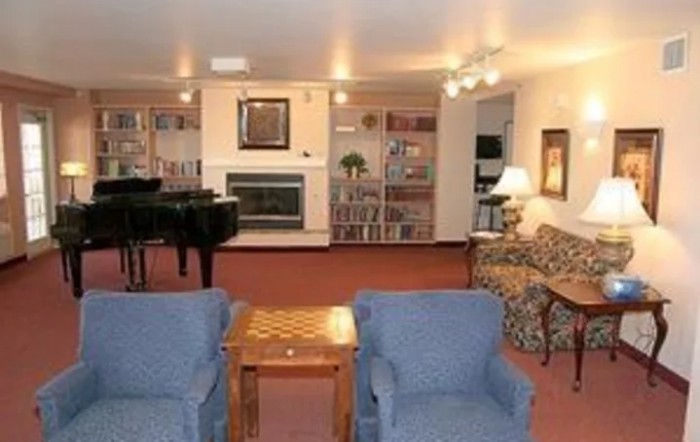
    • Small library Small librarySmall libraries are important for seniors as they provide access to a variety of reading materials, including books, newspapers, and magazines. This can help stimulate their minds, keep them engaged, and provide a sense of community through book clubs and other social activities. Additionally, reading has been shown to improve cognitive function and overall mental well-being in older adults.
    • Telephone TelephoneTelephones are important for seniors as they provide a lifeline for communication with loved ones, emergency services, and healthcare providers. They offer a sense of security and independence, enabling seniors to stay connected and access assistance when needed.
    • Wi-Fi/high-speed internet available Wi-Fi/high-speed internet availableWi-Fi/high-speed internet is important for seniors to stay connected with loved ones, access online resources, and participate in virtual activities to combat feelings of loneliness and isolation. It also allows them to easily manage healthcare needs, access entertainment, and engage in lifelong learning opportunities.

    Care Services

    • 24-hour call system 24-hour call system24-hour call systems are important for seniors because they provide peace of mind and immediate assistance in case of emergencies. This technology ensures that help is always available, promoting safety and security for elderly individuals living alone or in assisted living facilities.
    • 24-hour supervision 24-hour supervision24-hour supervision is important for seniors to ensure their safety, well-being, and access to immediate assistance in case of emergencies or health issues. This constant support provides peace of mind for both seniors and their loved ones, allowing them to age in place with dignity and security.
    • Activities of daily living assistance Activities of daily living assistanceActivities of daily living assistance are important for seniors because they provide essential support with tasks such as eating, bathing, dressing, and mobility. This assistance helps seniors maintain their independence, dignity, and overall quality of life as they age.
    • Assistance with bathing Assistance with bathingAssistance with bathing is crucial for seniors as it helps maintain personal hygiene, prevents infections, and ensures their overall well-being and comfort. It also provides a sense of dignity and independence for seniors who may struggle with this task on their own.
    • Assistance with dressing Assistance with dressingAssistance with dressing is important for seniors because it helps maintain their independence, promotes personal hygiene, prevents accidents and injuries, and improves overall quality of life. This service ensures that seniors can continue to dress comfortably and confidently, despite any physical limitations they may have.
    • Assistance with transfers Assistance with transfersAssistance with transfers is crucial for seniors as it helps prevent falls and injuries, maintains their independence, and ensures they can safely navigate their living environment. It also provides peace of mind for both seniors and their loved ones.
    • Diabetes diet Diabetes dietA diabetes diet is crucial for seniors as it helps manage blood sugar levels, reduce risks of complications, and improve overall health and well-being. By following a balanced and nutritious diet tailored to their specific needs, seniors can better control their diabetes and enhance their quality of life.
    • Meal preparation and service Meal preparation and serviceMeal preparation and service are crucial for seniors as they may have limited mobility or energy to cook nutritious meals. Having access to healthy and convenient food options can ensure they are getting the proper nutrition needed to maintain their overall health and well-being.
    • Medication management Medication managementMedication management is crucial for seniors to ensure they are taking the right medications at the correct dosages and times. This helps prevent adverse drug interactions, reduces the risk of medication errors, and promotes overall health and well-being. Proactive management also allows for adjustments as needed based on changing health conditions or new prescriptions.
    • Mental wellness program Mental wellness programMental wellness programs are essential for seniors as they promote cognitive stimulation, emotional support, and social engagement. These programs help prevent isolation, depression, and cognitive decline, ultimately enhancing the overall quality of life for older adults.
    • Special dietary restrictions Special dietary restrictionsSpecial dietary restrictions are important for seniors because age-related changes in metabolism and health conditions can make it difficult for their bodies to process certain foods. By following a diet tailored to their specific needs, seniors can maintain their overall health and well-being, manage chronic conditions, and reduce the risk of complications such as malnutrition or food interactions with medications.

    Dining

    • Diabetes diet Diabetes dietA diabetes diet is crucial for seniors as it helps manage blood sugar levels, reduce risks of complications, and improve overall health and well-being. By following a balanced and nutritious diet tailored to their specific needs, seniors can better control their diabetes and enhance their quality of life.
    • Special dietary restrictions Special dietary restrictionsSpecial dietary restrictions are important for seniors because age-related changes in metabolism and health conditions can make it difficult for their bodies to process certain foods. By following a diet tailored to their specific needs, seniors can maintain their overall health and well-being, manage chronic conditions, and reduce the risk of complications such as malnutrition or food interactions with medications.

    Activities

    • Community-sponsored activities Community-sponsored activitiesCommunity-sponsored activities are important for seniors as they provide opportunities for social interaction, mental stimulation, and physical activity. These activities can help improve overall well-being, combat loneliness and isolation, and promote a sense of belonging and purpose among older adults.
    • Resident-run activities Resident-run activitiesResident-run activities are important for seniors as they encourage social interaction, creativity, and a sense of autonomy. These activities empower seniors to stay engaged and active in their community while fostering meaningful connections with their peers.
    • Scheduled daily activities Scheduled daily activitiesScheduled daily activities are important for seniors because they provide structure, socialization, mental stimulation, and physical activity. Engaging in regular activities can improve overall well-being and quality of life for seniors living in a community setting.

    Description

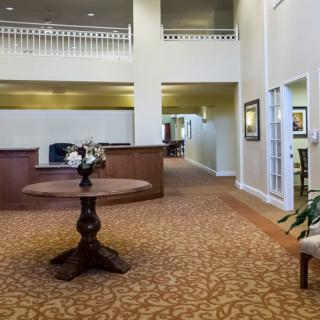
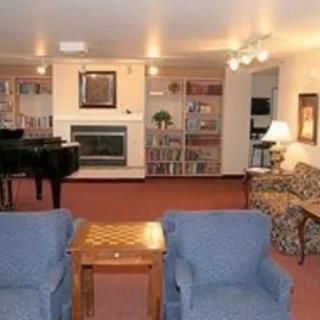
    Ralls Nursing Home in Ralls, TX is an assisted living community that offers a range of amenities and care services to ensure the comfort and well-being of its residents. The community provides fully furnished accommodations with cable or satellite TV, Wi-Fi/high-speed internet, and telephone services. Residents can enjoy delicious meals in the dining room or restaurant-style dining options, and special dietary restrictions are accommodated. Housekeeping services, move-in coordination, and outdoor spaces are available for residents to relax and enjoy nature.

    The care services provided at Ralls Nursing Home include 24-hour supervision for peace of mind, assistance with activities of daily living such as bathing and dressing, as well as transfers. The staff also manages medication administration to ensure the health of each resident. A mental wellness program is in place to support the emotional well-being of residents.

    Residents can participate in resident-run activities or scheduled daily activities to engage socially and mentally with their peers. Additionally, there is a small library for those who enjoy reading. The community also offers a variety of nearby amenities such as cafes, restaurants, transportation options, and places of worship to cater to the diverse needs of its residents.

    At Ralls Nursing Home in Ralls, TX, residents can experience a comfortable and caring environment while receiving the necessary support for their daily living needs.

    Nearby Places of Interest

    Places of Worship

    • Church of Christ (0.4 miles)
    • Iglesia Bautista Getsemani (0.6 miles)
    • New Vision First Baptist Church (0.6 miles)
    • First Baptist Church of Ralls (0.7 miles)
    • Ralls First United Methodist Church (0.7 miles)
    • First Baptist Church of Ralls (0.8 miles)
    • Shiloh Baptist Church (1.2 miles)

    Restaurants

    • Ralls Donut Shop (0.6 miles)
    • Estela's Restaurant (0.6 miles)
    • Garcias Smoke Pit (0.6 miles)
    • George's Restaurant (1 miles)
    • Teresa's Cocina (7.4 miles)
    • The Donut Shop (7.5 miles)
    • Charleys (7.6 miles)

    Transportation

    • U-Haul Neighborhood Dealer (0.8 miles)
    • U-Haul Neighborhood Dealer (0.9 miles)
    • U-Haul Neighborhood Dealer (8.1 miles)
    • Slaton Municipal Airport (F49) (21.3 miles)
    • Floydada Municipal Airport (22.1 miles)

    Cafes

    • Jackrabbit Grill (0.8 miles)
    • Tina's Donut Shop (20.6 miles)

    Hospitals

    • Crosbyton Health Services Corporation (7.6 miles)
    • Crosbyton Clinic Hospital (7.6 miles)
    • Mangold W J Memorial Hospital (21.2 miles)

    Physicians

    • West Texas Family Medicine (20.4 miles)
    • Slaton Primary Medical Clinic (22.8 miles)
    • Texas Tech University (24.8 miles)

    Parks

    • Floydada Park (20.5 miles)

    Pharmacies

    • Payne Family Pharmacy & Gifts (21 miles)
    • CVS Pharmacy (24 miles)

    Frequently Asked Questions

    Where is Ralls Nursing Home?

    Nearby Communities

    Related Resources

    • geriatric care managerIs a Geriatric Care Manager the Right Choice for Your Family?

      Geriatric care managers create personalized care plans for older adults, addressing their medical, social, financial, and psychological needs while coordinating services and advocating for their well-being. They help families navigate caregiving challenges but may be hindered by high costs and a shortage of qualified professionals.

    • what to say to someone who is grievingCompassionate Conversations: How to Comfort Someone Who Is Grieving

      The article highlights the importance of empathy and open communication when comforting someone who is grieving, noting that grief is unique to each individual and emphasizing the need for sincere expressions of condolence, active listening, and ongoing support. It also addresses cultural differences in mourning practices and encourages tailored approaches to provide effective comfort.

    • home care aideHome Health Care Aides: Understanding Their Role and Supporting Your Family
      Home health care aides provide vital medical and non-medical support to individuals at home, assisting with daily living activities and promoting emotional well-being, while the demand for these services increases due to an aging population. Families benefit from in-home care's flexibility and cost-effectiveness but face challenges like scheduling consistency and caregiver turnover.


    Get Pricing Ask A Question Schedule A Tour Contact Senior Advisor