Overall Review of Port Lavaca Nursing And Rehabilitation Center
common29 reviews mention this
Staff care and responsiveness varies
Residents and families consistently describe staff as caring, supportive, and helpful, though a few report gaps in night care and communication.
Across the reviews, many families describe staff as professional, friendly, and attentive, with several praising specific nurses, CNAs, activities staff, and leaders for treating residents with kindness. Some residents also describe feeling welcomed, cared for, and kept informed. A smaller set of reviews reports problems like delays getting help at night, difficulty reaching the front desk by phone, or basic care that didn’t feel timely.
caveat4 reviews mention this
Cleanliness concerns come up
Some reviews raise serious concerns about cleanliness and hygiene in resident areas.
A few reviewers describe the facility as filthy, with sanitation problems in rooms and shower areas, and they mention incidents that led to concerns about hygiene. Those negative experiences are echoed in a separate review that calls out cleaning and disinfecting practices. Other reviewers balance that by saying rooms were clean and nurses were attentive, so cleanliness seems mixed across experiences.
caveat4 reviews mention this
Care delivery and communication issues
Several reviews point to missed basics like assistance timing and difficulty getting through by phone.
Some reviewers describe problems with timely assistance, including issues with getting a patient from dialysis picked up, and concerns about delayed help with water, ice, or diaper changes. Another review mentions an item going missing for over a week, while the family said they were still trying to locate it. Separately, one family member says they couldn’t reach the facility by phone after repeated attempts, which adds to the frustration described in these comments.
common7 reviews mention this
Dining gets praise and complaints
Thanksgiving dining and meal service receive both praise and criticism in the reviews.
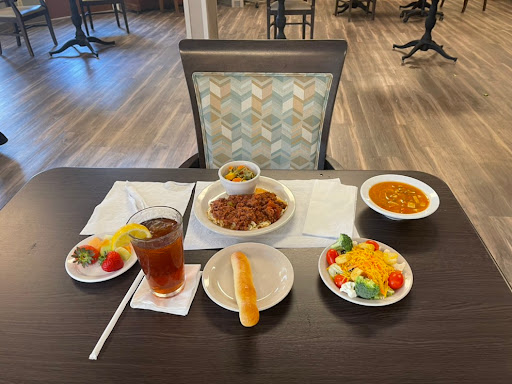
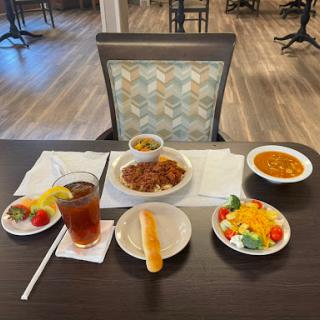
Several reviews highlight special meals, including Thanksgiving dinner, and some describe the food as fantastic and the event as well put together. Dietary staff are also specifically praised for doing an amazing job with meals and serving with care. At the same time, other reviews mention negative dining experiences, including complaints about cold soup and one reviewer calling the food awful.
common8 reviews mention this
Rehab and therapy support
Rehab experiences are mixed, but multiple reviews describe therapy helping residents move and recover.
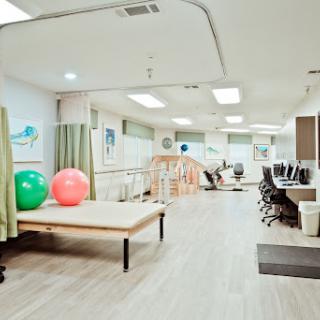
Several reviews describe positive rehab and therapy experiences, including a resident progressing in movement after admission and a knee recovery described as great. Others praise the therapy department and even single out physical therapy as a bright spot. On the negative side, one reviewer says their loved one never received the therapy they expected after a fall, adding to the inconsistency described in rehab-related comments.
caveat2 reviews mention this
Price feels out of reach
At least a couple of reviews call out the cost as a barrier or point of frustration.
One review says the price is outrageous and that the average person can’t afford it without Medicaid. Another mentions a monthly cost while criticizing basic care needs that were described as not being handled as expected.
How we summarize
Counts show how many written reviews mention each theme; a review can touch several themes, and only frequently mentioned themes are displayed.
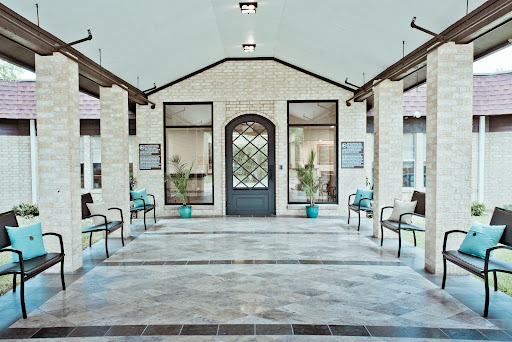
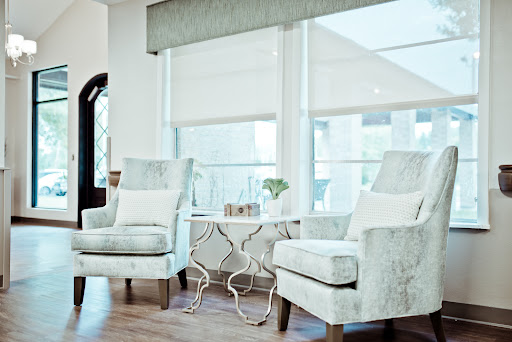
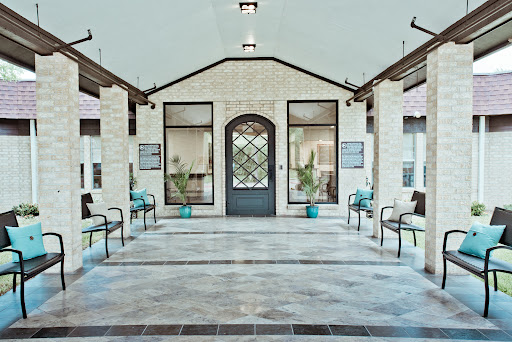
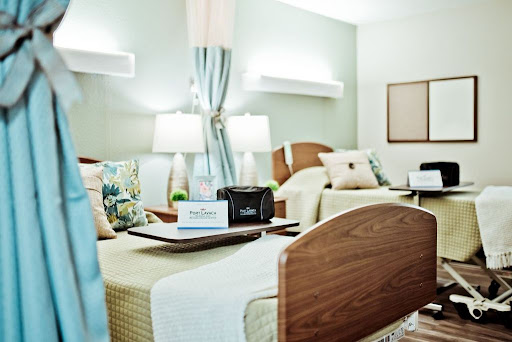
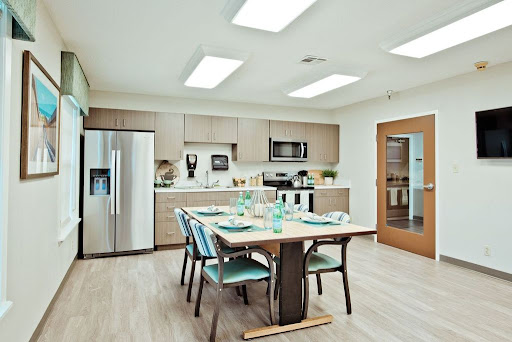
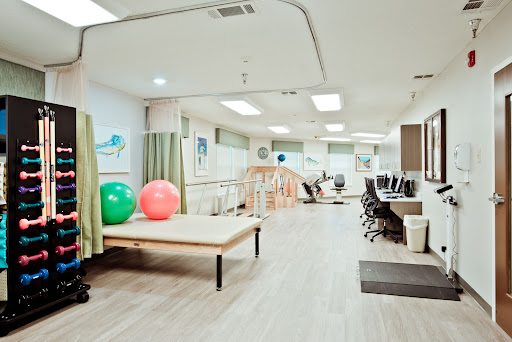
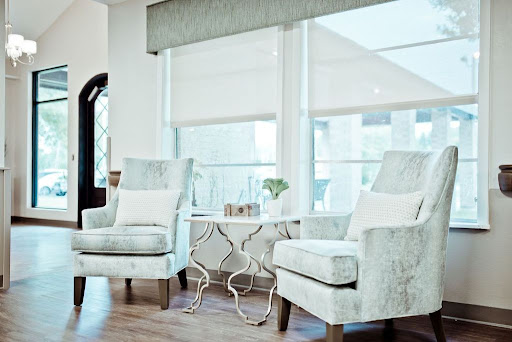
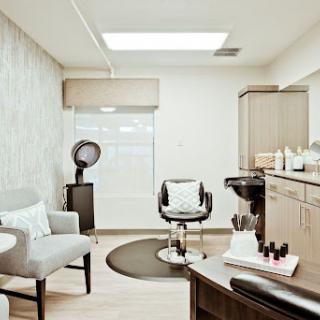
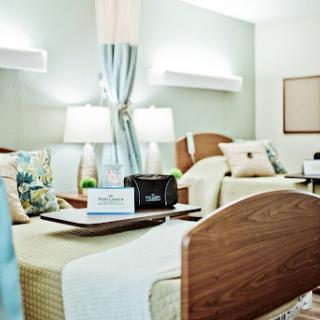
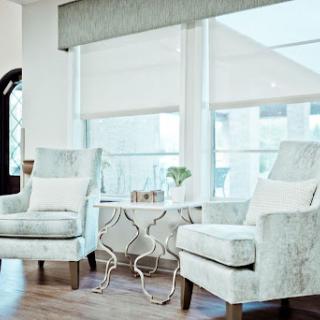
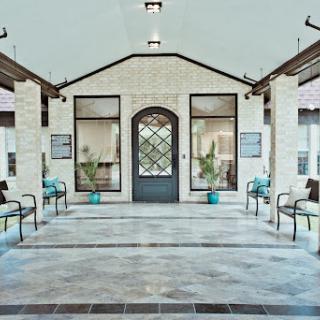
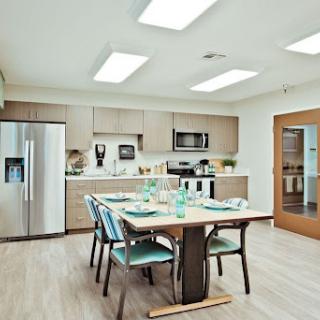
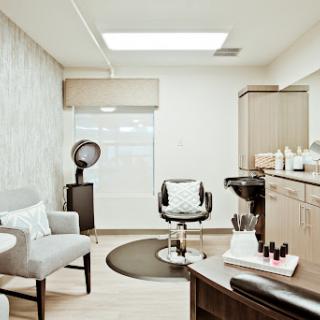
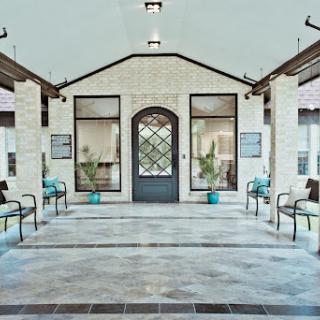
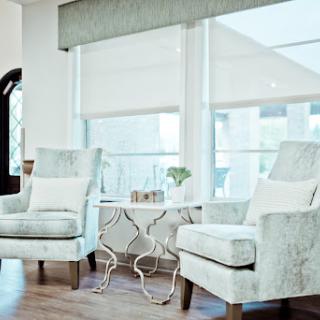
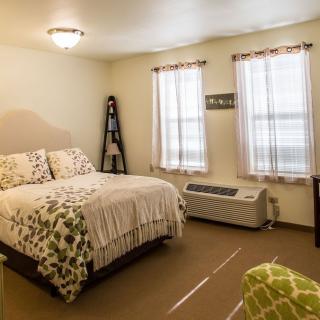
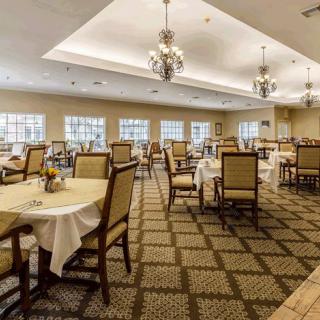
Port Lavaca Nursing And Rehabilitation Center on seniors.fyi includes 10 photos including images showing interior, dining, natural light, decor, salon, living room, bedroom, lobby, and more.
Nearby Communities
Trinity Shores Of Port Lavaca
Port Lavaca, TX
4.7 from 42 reviews
Friendly staff and a clean, inviting environment with engaging activities and on-site amenities.
Trinity Shores of Port Lavaca
Port Lavaca, TX
4.6 from 60 reviews
$3,350 to $4,950 / month
Friendly, attentive staff with engaging activities and chef-prepared, restaurant-style dining.
Southbrooke Manor Nursing And Rehabilitation Cente
Edna, TX
4.3 from 29 reviews
Extensive on-site amenities and comprehensive care
Dugger House Inc
Edna, TX
5 from 1 review
Peaceful, homely setting with easy access to parks, dining, transit, worship, and hospital.
The Dugger House
Edna, TX
5 from 1 review
24-hour supervision with medication management and diabetes-friendly meals
Vitality Court
Victoria, TX
4.3 from 39 reviews
Beautiful, hotel-like setting with attentive staff and comprehensive memory-care programs.
Sodalis Victoria Assisted Living
Victoria, TX
4.4 from 94 reviews
$2,950 to $4,900 / month
Friendly, attentive staff in a warm, community-focused environment with engaging activities and diverse dining options.
Morada Victoria
Victoria, TX
4.6 from 54 reviews
$3,120 to $6,145 / month
Caring, communicative staff in a clean, active community.
The guide on blood pressure charts for older adults stresses the importance of understanding normal and high blood pressure readings influenced by age, genetics, and lifestyle, while emphasizing regular monitoring and lifestyle modifications to prevent serious health issues. It provides insights into blood pressure categories, dietary recommendations, medication considerations, and the role of caregivers in supporting healthy habits.
The article explores the complexities of using Social Security to finance long-term nursing home care in the U.S., detailing eligibility requirements and misconceptions, while emphasizing that these benefits often do not cover full costs and highlighting the need for strategic financial planning and professional guidance.
Pneumonia significantly affects older adults due to weakened immune systems and atypical symptoms that complicate diagnosis, necessitating early detection and tailored treatment. Risk factors include chronic diseases and cognitive impairments, with preventive measures like vaccinations and healthy lifestyles being crucial for reducing risk.
Port Lavaca Nursing And Rehabilitation Center photos
×
Interior
Decor
Living Room
Architecture
Dining
Lighting
Entrance
Natural Light
Exercise Equipment
Interior
Decor
Bedroom
Dining
Living Room
Architecture and Seating
Kitchen, Bright Lighting, and Open Space
Lighting
Entrance and Reception
Lobby and Waiting Area
Exercise Equipment, Rehabilitation, Physical Therapy, and Therapy Room
Salon
Natural Light
Minimalist
Home Design and Cozy Atmosphere
Get PricingAsk A QuestionSchedule A TourContact Senior Advisor
By clicking submit, you agree to our Partner's Terms of Use. You
also consent to receive calls and texts, which may be autodialed, from our Partner. Your consent is not a condition to
using our Partner's service. Please visit our Partner's Privacy Policy for information about their privacy practices.



 150 resident community capacity
 Skilled Nursing Facility
 Air-conditioning
 Beauty salon
 Cable or satellite TV
 Computer center
 Dining room
 Fitness room
 Fully furnished
 Gaming room
 Garden
 Housekeeping services
 Kitchenette
 Move-in coordination
 Outdoor space
 Private bathrooms
 Restaurant-style dining
 Small library
 Telephone
 Wellness center
 Wi-Fi/high-speed internet available
 Community operated transportation
 12-16 hour nursing
 24-hour call system
 Activities of daily living assistance
 Assistance with bathing
 Assistance with dressing
 Assistance with transfers
 Diabetes diet
 Medication management
 Mental wellness program
 Special dietary restrictions
 Concierge services
 Planned day trips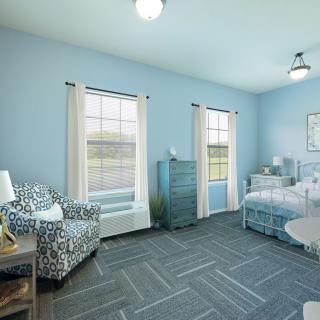
 Friendly staff and a clean, inviting environment with engaging activities and on-site amenities.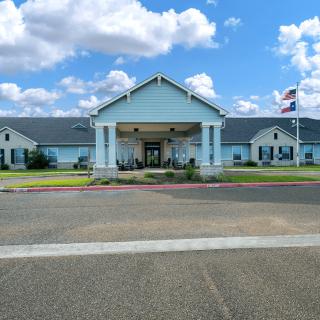


 Comprehensive Guide to Blood Pressure Charts for Older Adults: Understanding Normal and High Readings by Age
 Financing Long-Term Nursing Home Care Through Social Security: A Thorough Exploration
 Essential Knowledge on Pneumonia in Older Adults