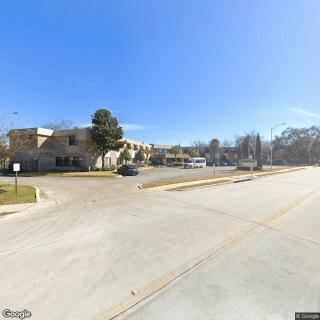
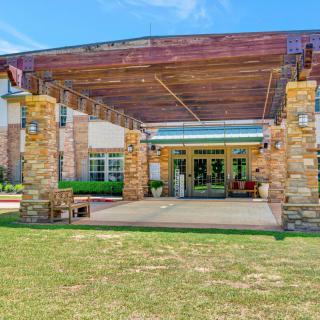
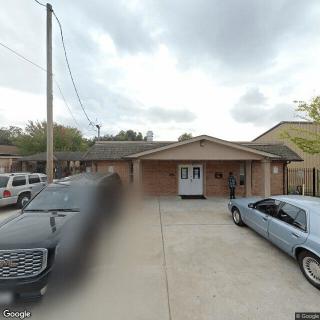
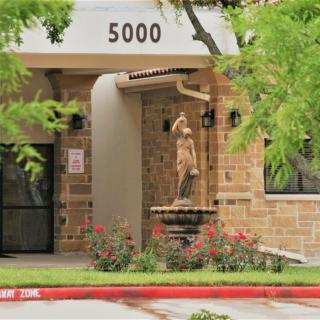
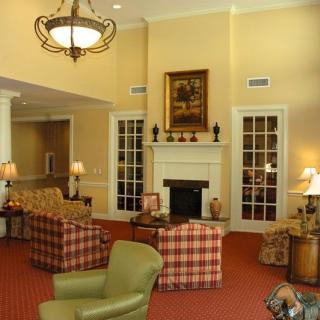
The Medical Resort At Bay Area is a nursing home community in Pasadena, TX.
Information last verified:
4900 East Sam Houston Parkway South, Pasadena, TX 77505
For more information about senior living options: (866) 208-4318
2.6 from 106 reviews
5 stars
37
4 stars
6
3 stars
2
2 stars
1
1 stars
60
The Medical Resort At Bay Area Costs & Pricing
The Medical Resort At Bay Area offers competitive pricing with its private room cost set at $3,710 per month. This rate is slightly lower than the average for Harris County, which stands at $3,784, and significantly more affordable compared to the broader Texas state average of $4,096. By choosing The Medical Resort At Bay Area, residents can benefit from high-quality care and services while enjoying a cost-effective solution in comparison to both county and state rates. This positions the resort as an appealing option for those seeking comprehensive medical support without overextending their financial resources.
Floor plans
The Medical Resort At Bay Area
Harris County
Texas
Private
$3,710
$3,784
$4,096
Skilled Nursing Facilities with a similar price nearby
Rehab and therapy consistently show up in resident experiences.
Residents describe physical and therapy teams as attentive and effective, with multiple mentions of improved mobility and support with concerns. A number of families also highlight therapy as the standout part of the stay, especially when comparing results against expectations from other settings. The community also offers a range of daily activity scheduling and wellness programming that aligns with structured rehab routines.
caveat
Care teams and communication vary
Care experience and responsiveness are inconsistent across reviews.
While many reviews praise nurses, CNAs, and overall professionalism, several others report delays responding to call lights, difficulty getting medications on time, and concerns about cleanliness or follow-through. Some families describe being kept waiting for help or reporting issues repeatedly without resolution. Because staffing and response time come up as both a strength and a problem, it’s worth considering this community as a place where active family oversight may be important.
common
Meals are often called out
Food quality is frequently mentioned by residents and families.
Several reviews describe meals as delicious or homestyle, and others mention dietary support and the ability to get what residents want from the dietary department. At the same time, a few negative reviews include concerns about food and basic needs not being met consistently. Overall, dining appears to be an everyday part of the experience that can influence how residents feel during rehab and nursing stays.
common
On-site medical support is central
Skilled nursing support is built into the services offered.
The community is set up as a skilled nursing facility, and residents reference ongoing nursing and therapy needs during their stay. Multiple reviews mention medication support and supervised daily care tasks, reflecting how closely residents depend on staff for daily medical routines. At the same time, the most critical reviews focus on medication and response issues, making follow-up on care plans a recurring theme.
common
Pricing is slightly below benchmarks
Private pricing comes in slightly under county and well under state levels.
For private pricing, residents pay about 2% below the county figure and around 10% below the state figure. Reviews don’t consistently discuss pricing directly, but several families frame the stay in terms of value relative to care outcomes. If pricing matters to your decision, pairing it with how well care and response time match expectations may be the most reliable approach.
How we summarize
We summarize when many written reviews mention each theme; a review can touch several themes, and only frequently mentioned themes are displayed.
Features
Housing
101 resident community capacity
Types of Care
Skilled Nursing Facility
Amenities
Air-conditioning
Beauty salon
Cable or satellite TV
Computer center
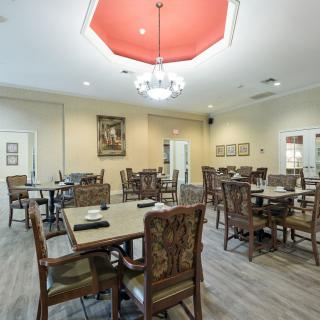
Dining room
Fitness room
Fully furnished
Gaming room
Garden
Housekeeping services
Kitchenette
Move-in coordination
Outdoor space
Private bathrooms
Restaurant-style dining
Small library
Telephone
Wellness center
Wi-Fi/high-speed internet available
Transportation
William P X (7 miles away)
Community operated transportation
Transportation arrangement
Transportation arrangement (non-medical)
Transportation to doctors appointments
Care Services
12-16 hour nursing
24-hour call system
24-hour supervision
Activities of daily living assistance
Assistance with bathing
Assistance with dressing
Assistance with transfers
Diabetes diet
Meal preparation and service
Medication management
Mental wellness program
Special dietary restrictions
Dining
Diabetes diet
Special dietary restrictions
Activities
Community-sponsored activities
Concierge services
Fitness programs
Planned day trips
Resident-run activities
Scheduled daily activities
Nearby Places of Interest
Physicians
Yerramadha Muralidhar MD PCP Associates of Pasadena (0.1 miles)
Pasadena Eye Associates (0.4 miles)
Dr Jimmy Doan's Office (0.5 miles)
Nag Clinics (1.4 miles)
Moheyuddin, Amina Ut Physicians Family Practice Bayshore (1.5 miles)
Harris County Public Health Southeast Clinic (3.3 miles)
Deer Park Family Clinic (4 miles)
Restaurants
Bullritos (0.1 miles)
McDonald's (0.5 miles)
Chick-Fil-A (0.8 miles)
Sonic Drive-In (0.8 miles)
Raising Cane's Chicken Fingers (0.8 miles)
Whataburger (0.9 miles)
Chipotle Mexican Grill (1.1 miles)
Hospitals
St. Luke's Health - Patients Medical Center - Pasadena, TX (0.3 miles)
UTMB Health Clear Lake Campus (6.8 miles)
Places of Worship
First Presbyterian Church (0.5 miles)
Memorial Baptist Church SBC of Pasadena (1.9 miles)
Southern Baptist Convention (4.4 miles)
First United Methodist Church of La Porte (4.6 miles)
The Medical Resort At Bay Area offers competitive pricing with its private room cost set at $3,710 per month. This rate is slightly lower than the average for Harris County, which stands at $3,784, and significantly more affordable compared to the broader Texas state average of $4,096. By choosing The Medical Resort At Bay Area, residents can benefit from high-quality care and services while enjoying a cost-effective solution in comparison to both county and state rates. This positions the resort as an appealing option for those seeking comprehensive medical support without overextending their financial resources.
The article examines living wills and advance directives, highlighting their significance in expressing healthcare preferences for those unable to communicate due to illness or incapacity. It discusses their historical development, legal components, limitations, practical drafting advice, and the importance of clear communication among families and healthcare professionals regarding end-of-life decisions.
Hospice care focuses on providing comfort and support for individuals nearing the end of life, with Medicare Part A covering services like nursing care and counseling for patients with a terminal illness and a life expectancy of six months or less. While most hospice services are low-cost for eligible patients, families should be aware that certain expenses, such as room and board, may not be covered.
Caregiver burnout is a common issue resulting from the intense physical, emotional, and mental demands of caregiving, leading to symptoms like fatigue and social withdrawal. To prevent burnout, caregivers should recognize early warning signs and implement self-care strategies, seek support, and prioritize their own well-being alongside that of those they care for.
Get PricingAsk A QuestionSchedule A TourContact Senior Advisor
By clicking submit, you agree to our Partner's Terms of Use. You
also consent to receive calls and texts, which may be autodialed, from our Partner. Your consent is not a condition to
using our Partner's service. Please visit our Partner's Privacy Policy for information about their privacy practices.

 101 resident community capacity
 Skilled Nursing Facility
 Air-conditioning
 Beauty salon
 Cable or satellite TV
 Computer center
 Dining room
 Fitness room
 Fully furnished
 Gaming room
 Garden
 Housekeeping services
 Kitchenette
 Move-in coordination
 Outdoor space
 Private bathrooms
 Restaurant-style dining
 Small library
 Telephone
 Wellness center
 Wi-Fi/high-speed internet available
 William P X (7 miles away)
 Community operated transportation
 12-16 hour nursing
 24-hour call system
 Activities of daily living assistance
 Assistance with bathing
 Assistance with dressing
 Assistance with transfers
 Diabetes diet
 Medication management
 Mental wellness program
 Special dietary restrictions
 Concierge services
 Planned day trips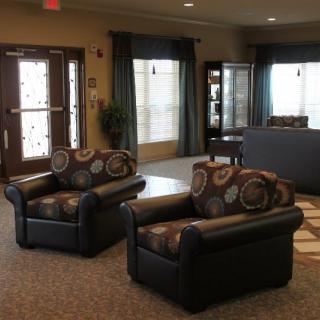
 Attentive staff, effective therapy, and a consistently clean environment with open family communication.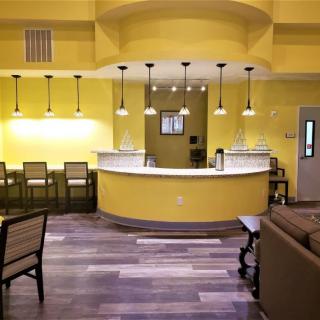


 A Detailed Exploration of Living Wills and Advance Directives
 Comprehensive Guide to Medicare Coverage for Hospice Care
 Caring for Those Who Care: Recognizing, Understanding, and Overcoming Caregiver Burnout