
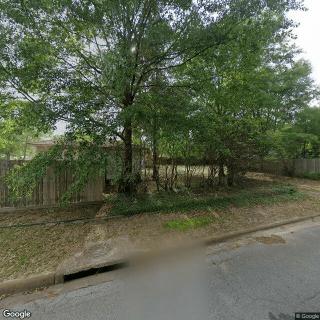
401 South East Stallings Drive, Nacogdoches, TX 75964
For more information about senior living options: (866) 208-4318
Overall Review of Rock Haven Nursing Home
Pros
 The staff did an amazing job of caring for her.
- The administration is praised for creating a strong plan to protect the weakest citizens.
- The mom was kept clean and well cared for.
- The staff showed respect for the resident and her family at every contact.
- The nurses were knowledgeable and professional.
- Staff members Teri and Kelly were acknowledged for helping with the admission process.
Cons
 The home is described as shady, with ownership split between two companies owned by the same family, a setup that allegedly lets them dodge liability for resident accidents due to shoddy staff care.
- The facility has declined from its past reputation, with nurses and aides described as unprofessional.
- The business is described as literally family-owned, with relatives in control, raising concerns about nepotism and inadequate accountability.
- CNAs are said to provide hardly any showers when there is staff, leaving residents wet and unattended for hours.
- Cameras exist, but favoritism by the DON or ADON is claimed to allow issues to go unnoticed.
Review
Rock Haven Nursing Home in Nacogdoches, TX is best suited for families facing a loved one’s end-of-life or high-needs palliative trajectory, where the priority is constant bedside attention, dignity, and practical comfort. The community can deliver steady, hands-on care that emphasizes cleanliness, timely repositioning to prevent bedsores, and respectful interactions from nursing and support staff during the most delicate days. In these circumstances, the staff’s reliability and professional demeanor can translate into meaningful moments of relief and clear symptom management when every hour counts.
Those who should explicitly consider alternatives are families who value transparent ownership, clear accountability, and consistent, daily caregiving that rises above episodic strengths. The ownership structure, one company owning the home and another managing it, both tied to the same family, raises legitimate concerns about liability and oversight. Add in reports of unprofessional nursing aides, inconsistent daily care, and residents left unattended for basic needs, and the long‑term safety calculus becomes unsettled. For families prioritizing governance clarity and uniform care standards, other options with stronger external oversight merit careful comparison.
The strongest positives, nurses and aides who can be knowledgeable, compassionate, and present during pivotal moments, do carry substantial weight. When a resident’s condition is fragile, these clinicians appear capable of delivering respectful, skilled care and maintaining dignity through difficult transitions. The ability to stay with a loved one in imminent decline and to witness proactive checks aimed at preventing complications demonstrates what the best staff can accomplish in critical care windows. Yet these benefits are tempered by imperfect daily performance; gains in terminal moments do not automatically translate into consistently reliable routine care for every resident.
Future-ready evaluation should include explicit, practical checks before admission. Request a direct briefing on ownership lines, risk management responsibilities, and how accountability is enforced when care gaps occur. Review the latest state survey results, staffing schedules, and incident-tracking processes. Observe interactions across shifts to assess whether basic needs, such as baths and hygiene, are met promptly and with dignity, not deferred. Seek references from families with ongoing caregiving experiences, not only those with terminal episodes, and pursue a temporary placement if possible to test daily routines and staff responsiveness in real time.
The environment itself presents a mixed signal. An older facility can offer familiarity and established routines, but it also may signal maintenance and safety challenges that intensify staffing pressures. Cost transparency, accessibility, and the breadth of therapeutic services matter as much as compassionate bedside care. Cameras and other safety measures are important, yet they cannot substitute for consistent, frontline caregiving and reliable supervision. In short, these factors collectively tilt the decision toward caution unless governance and daily care prove consistently solid.
Bottom line: Rock Haven can deliver exceptionally attentive end-of-life care where the focus is on comfort, dignity, and skilled symptom management. However, the combination of a family-led ownership model, documented staffing inconsistencies, and daily-care gaps creates a risk profile that demands rigorous scrutiny. For families whose priority is transparent accountability and dependable daily care, exploring alternatives with proven governance and stable staffing is prudent. For those with a high tolerance for risk in exchange for dedicated palliative support, Rock Haven remains a plausible option, but it should be weighed against stronger-structured communities that offer equally compassionate care with tighter oversight.
 60 resident community capacity
 Skilled Nursing Facility
 Air-conditioning
 Beauty salon
 Cable or satellite TV
 Computer center
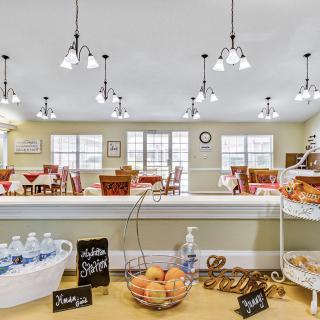
 Dining room
 Fitness room
 Fully furnished
 Gaming room
 Garden
 Housekeeping services
 Kitchenette
 Move-in coordination
 Outdoor space
 Private bathrooms
 Restaurant-style dining
 Small library
 Telephone
 Wellness center
 Wi-Fi/high-speed internet available
 Community operated transportation
 12-16 hour nursing
 24-hour call system
 Activities of daily living assistance
 Assistance with bathing
 Assistance with dressing
 Assistance with transfers
 Diabetes diet
 Medication management
 Mental wellness program
 Special dietary restrictions
 Concierge services
 Planned day trips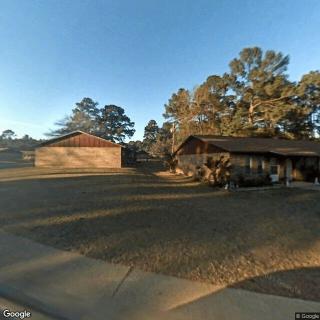


 Understanding the Nuances of Palliative Care and Hospice: A Comprehensive Exploration
 Fecal Incontinence in Older Adults: A Comprehensive Guide
 Nurturing Well-Being Through Gardening: A Detailed Guide for Senior Enthusiasts