
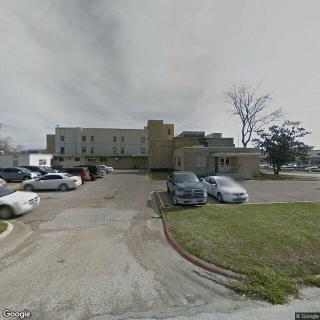
3001 Westward Drive, Nacogdoches, TX 75964
For more information about senior living options: (866) 208-4318
Overall Review of Westward Trails Nursing And Rehabilitation
Pros
 Westward Trails has been a good place for short term care and rehabilitation.
- The therapists are knowledgeable and goal oriented.
- The staff is accomplished in making the patient comfortable, safe, and secure.
- Staff are caring and especially helpful to those staying.
- Sindy and Amy are very good nurses.
- The staff take great care of residents.
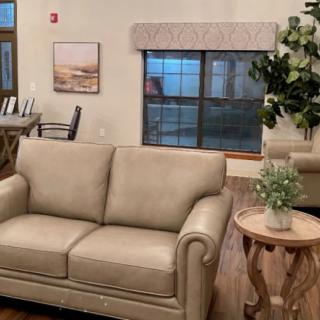
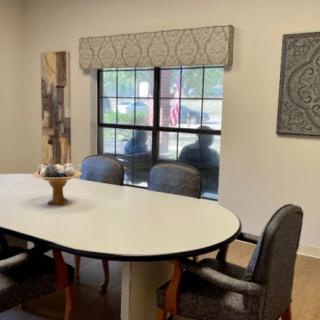
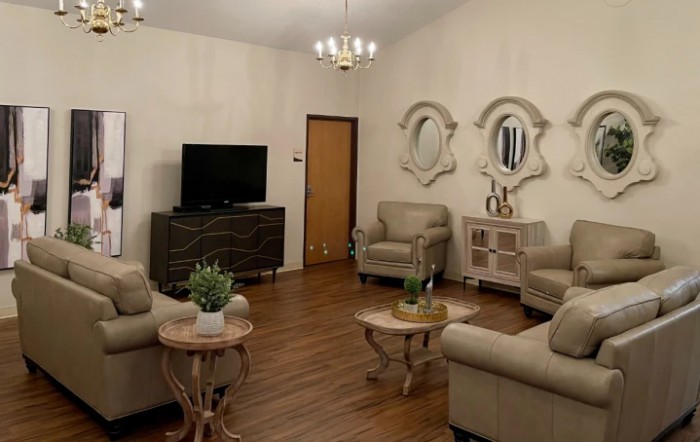
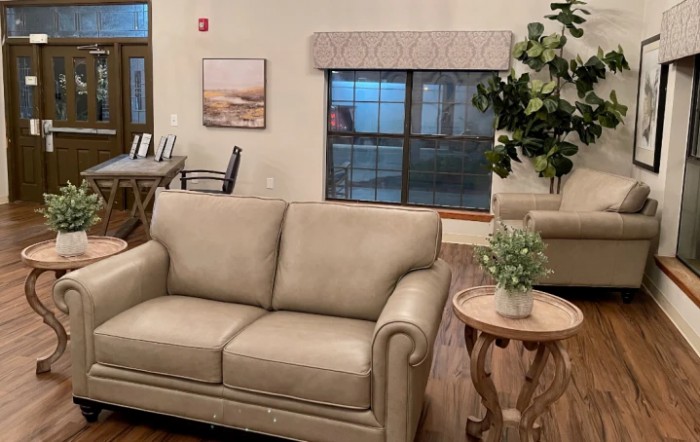
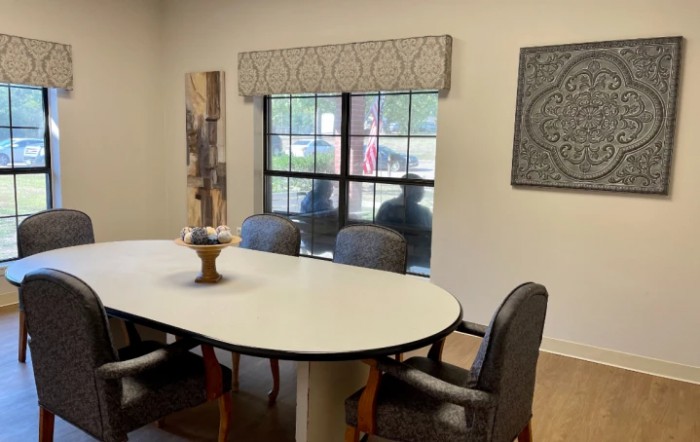
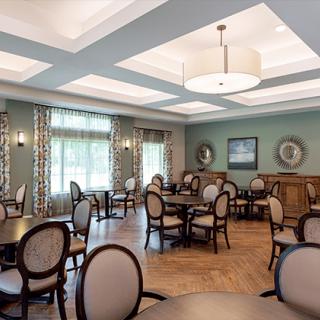
- The facility is a very beautiful and clean home.
- The level of care is outstanding.
Cons
 The staff is incompetent to a biblical degree.
- There were two instances of nurses not knowing how to operate basic medical equipment, and many evenings when the staff disappeared for hours.
- The facility is very poor, unclean, and the staff are worthless; it should be shut down.
- It is described as a biggest nightmare for families, with Rose identified as the biggest problem.
- The administrator Rose is rude, unprofessional, and does not care about residents’ concerns or well-being.
- The CNAs on the morning shift are rude, unprofessional, and do what they want.
- The housekeeping is horrible; the floors haven’t been cleaned in days and most halls stink.
- There is never enough staff.
- The facility fails to provide basic administrative services, such as an on-site notary, with promises-to-come-delays.
- The direct phone number for a resident’s room could not be located despite repeated requests.
Review
Westward Trails Nursing and Rehabilitation in Nacogdoches is best suited for seniors who need skilled short‑term rehabilitation after a hospital stay and for families who value a knowledgeable therapy team that concentrates on concrete, goal‑oriented outcomes. The facility earns consistently strong marks for the rehabilitation process: therapists who are capable and focused, staff who prioritize patient comfort and safety, and aides who are genuinely helpful during necessary stays. For families with a loved one whose primary need is restoring function and returning home, this is a credible, often effective option.
Those considering long‑term residency should proceed with more caution. Several reviews raise red flags about the consistency and reliability of day‑to‑day operations, and a handful describe experiences where staffing appeared overstretched or uneven across shifts. An administrator’s responsiveness and overall administrative attitude emerge as a crucial factor in how smoothly long‑term care unfolds. In short, the place can work well for steady, ongoing custodial needs only if staffing levels, communication, and management are consistently solid.
The strongest positives lie in the therapy program and the basic quality of daily care. When the rehab team is at full strength, residents benefit from clear goals, progress tracking, and hands‑on support that helps accelerate recovery. Cleanliness and a modern appearance of the building also show in favorable reports, reinforcing a sense of security and dignity during a difficult period. In some cases, residents’ families speak highly of the nursing staff’s respectful treatment and the way caregivers maintain a respectful, dignified bedside manner, which can make a meaningful difference in a stressful transition.
On the downside, inconsistencies in staffing and concerns about administrative responsiveness undermine the overall experience, especially for long stays. Reviews describe periods of short staffing, with shifting teams and occasional gaps in attention that can leave families worried about timeliness and reliability. Housekeeping quality is cited as variable, and not all families feel they can rely on administrative leadership to address complaints promptly or effectively. Notary services on site and straightforward access to certain administrative tasks are also noted as lagging, which can complicate important transitions or paperwork for families.
In balancing these factors, the rehab strengths do offset many of the core care needs, but only when the operation around the clock is consistently solid. For families prioritizing quick, goal‑driven rehabilitation and a warm, supportive bedside presence, Westward Trails delivers results that can justify the stay and the cost. For those whose decision hinges on long‑term stability, predictable staffing, and consistently spotless facilities, alternatives should be explored in parallel. The most prudent path is to schedule a tour focused on the rehab gym and therapy schedules, meet the therapy team, and observe staffing during peak activity times. Ask about shift coverage, response times to calls, and how care plans are updated and communicated to families.
Ultimately, Westward Trails presents a pragmatic choice for post‑acute recovery, with proven strengths in therapy and daily care, tempered by notable concerns about staffing consistency and administrative responsiveness. Families must weigh the likelihood of a strong short‑term rehab trajectory against the potential for uneven service delivery in a longer stay. If prioritizing recovery outcomes with a high‑quality therapy core, this community can be a sound partner; if reliability, housekeeping standards, and administrative follow‑through are non‑negotiable, it is wise to keep alternatives in the mix and request concrete, written assurances before committing.
 108 resident community capacity
 Skilled Nursing Facility
 Air-conditioning
 Beauty salon
 Cable or satellite TV
 Computer center
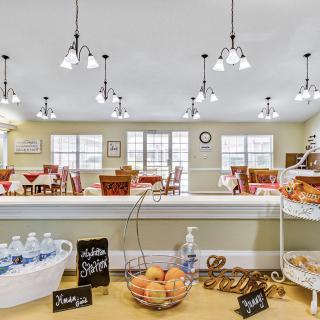
 Dining room
 Fitness room
 Fully furnished
 Gaming room
 Garden
 Housekeeping services
 Kitchenette
 Move-in coordination
 Outdoor space
 Private bathrooms
 Restaurant-style dining
 Small library
 Telephone
 Wellness center
 Wi-Fi/high-speed internet available
 Community operated transportation
 12-16 hour nursing
 24-hour call system
 Activities of daily living assistance
 Assistance with bathing
 Assistance with dressing
 Assistance with transfers
 Diabetes diet
 Medication management
 Mental wellness program
 Special dietary restrictions
 Concierge services
 Planned day trips





 Exploring Nonmedical Home Care: Understanding Services, Costs, and Financial Approaches
 Engaging Brain Games and Innovative Apps to Keep Senior Minds Active
 Effective Strategies for Keeping Seniors' Minds Active: A Deep Dive into Brain Games and Apps