Park Manor Of Quail Valley

Save

  • Interior

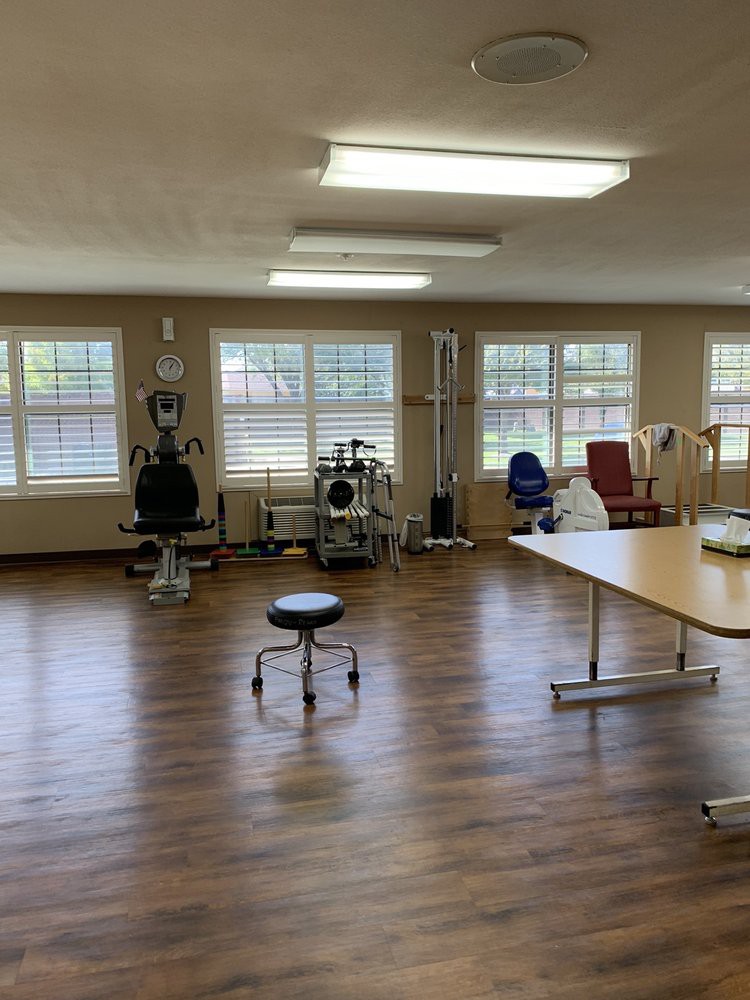
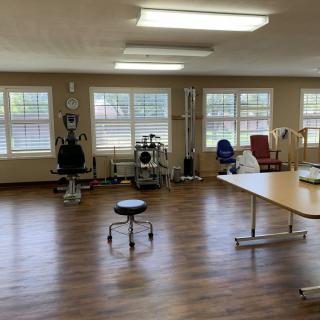
    A well-lit indoor gym with various exercise equipment lined up along the walls.
  • Outdoors

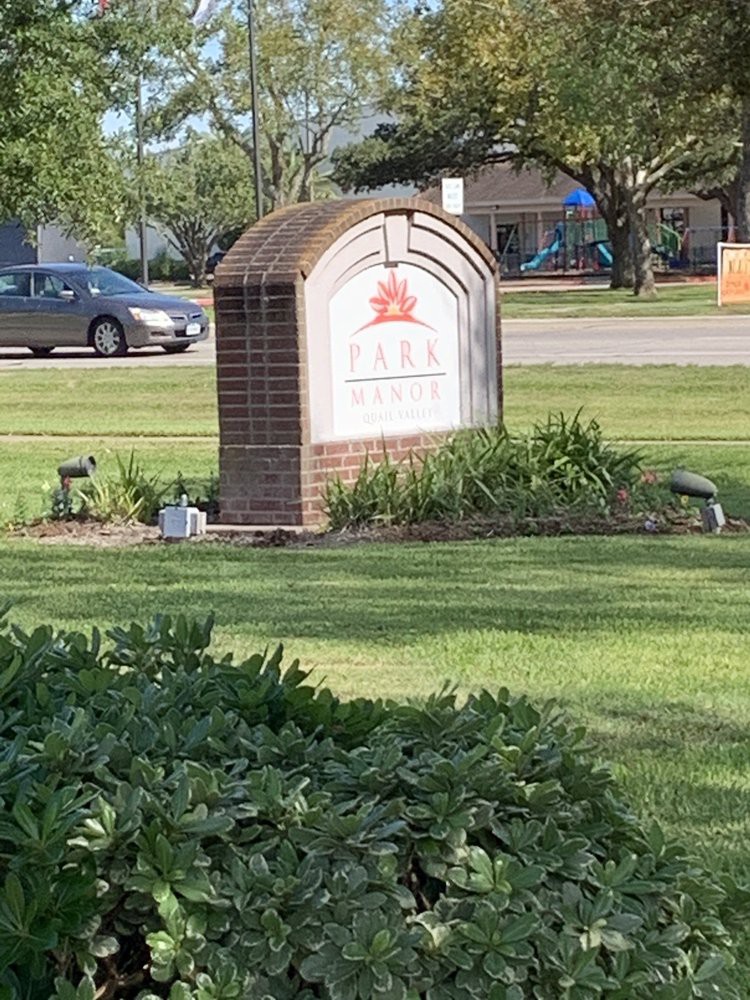
    A park sign surrounded by greenery and a nearby road with a car.
  • Architecture

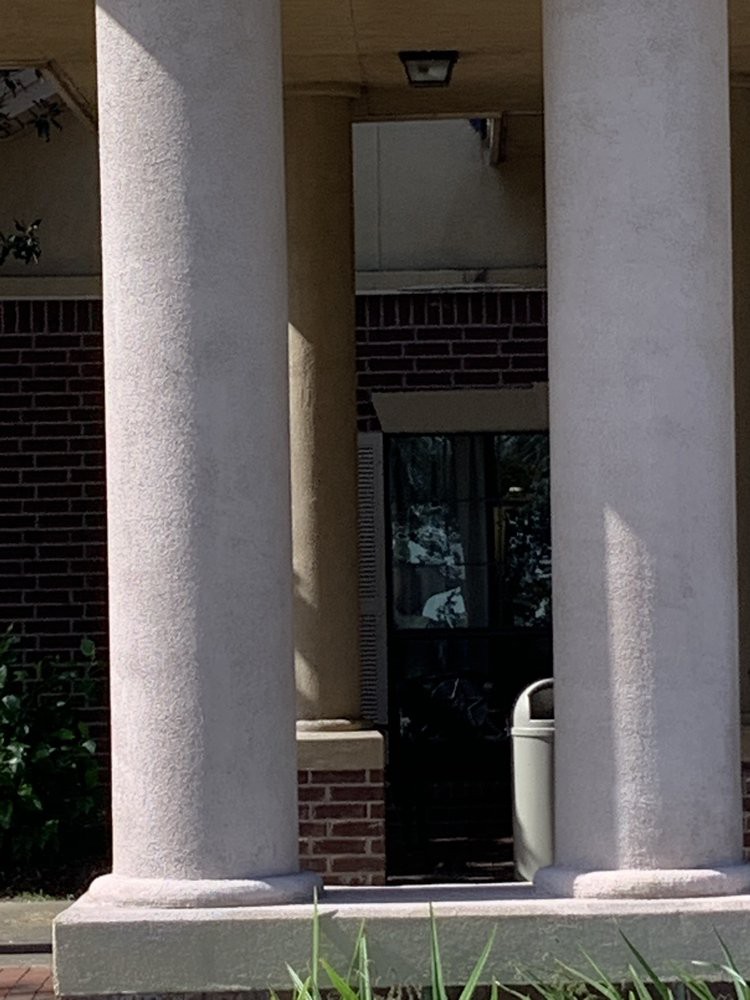
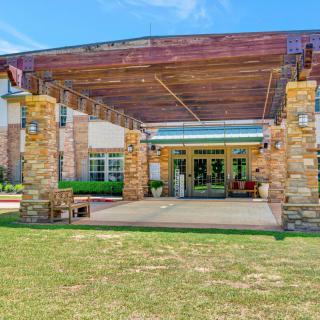
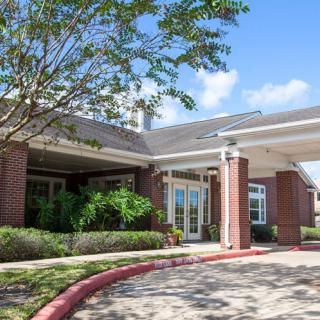
    The entrance of a building features prominent columns and a glass door, with a trash can nearby.
  • Bedroom

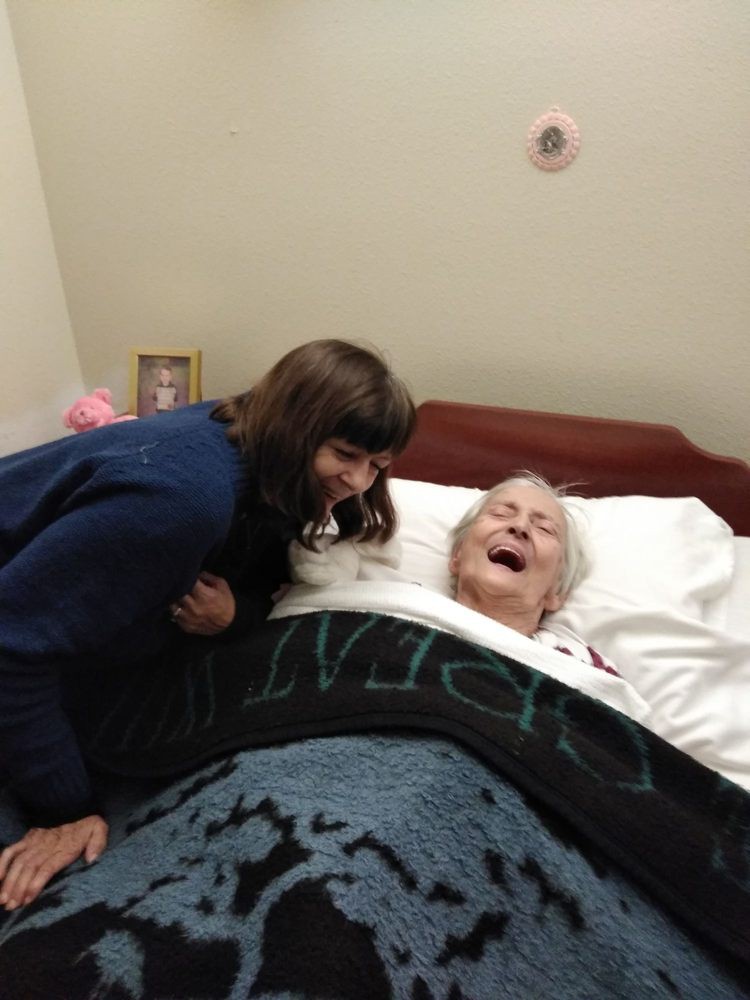
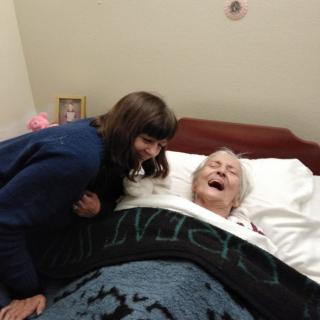
    A joyful moment between two people sharing laughter.
  • Windows

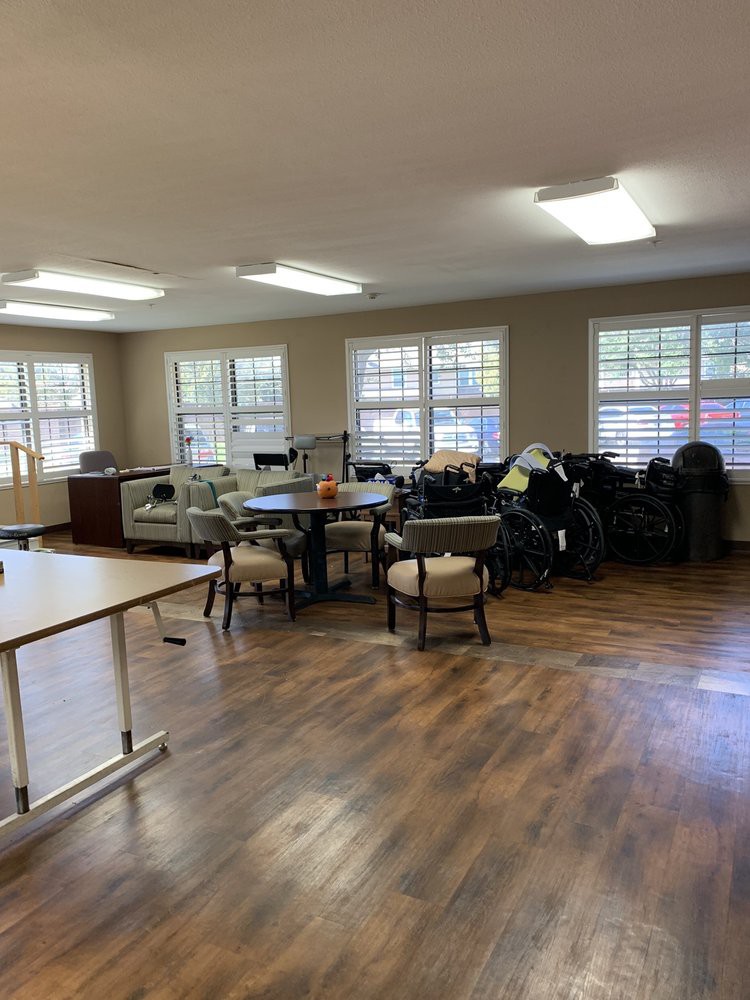
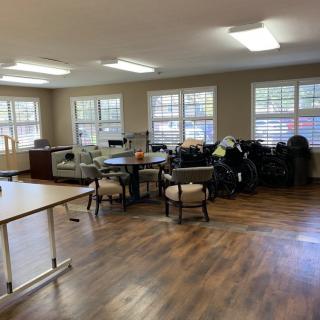
    A spacious room with several chairs and tables, lit by natural light from the windows.
  • Dining

    A small piece of meat on a large white plate.
  • Wheelchair

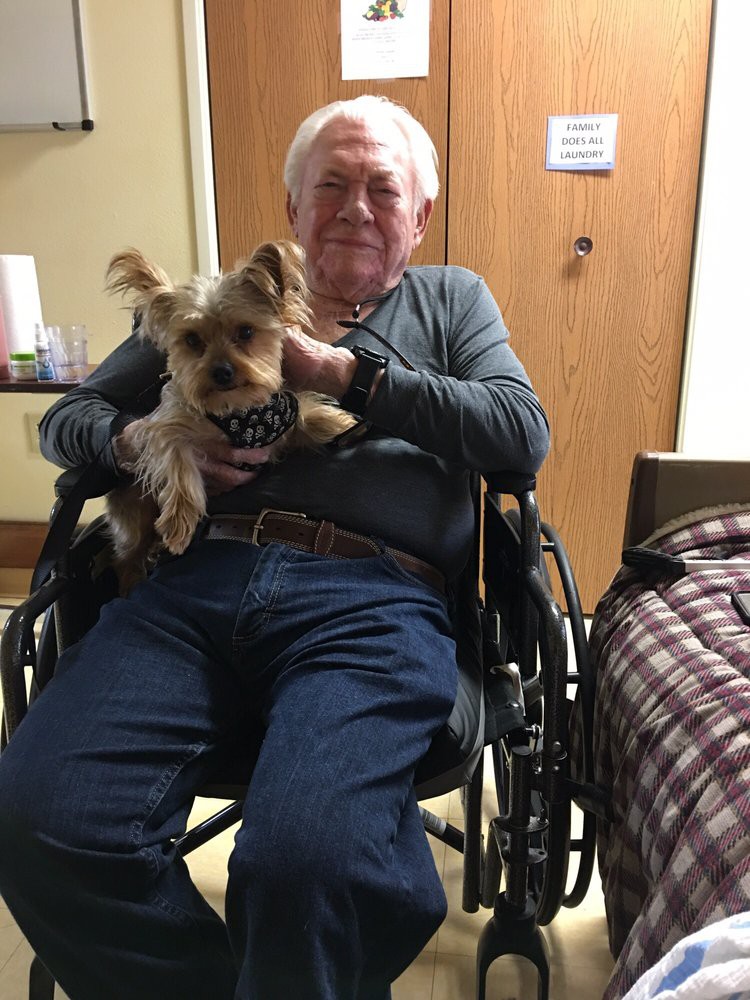
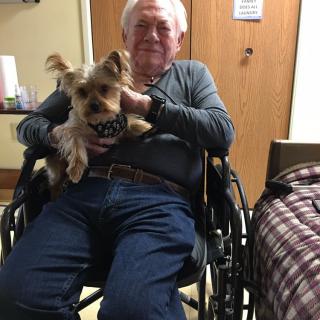
    An elderly man sitting in a wheelchair holding a small dog indoors.

Park Manor Of Quail Valley

2350 Fm 1092, Missouri City, TX 77459

For more information about senior living options: (844) 490-3973

3.6 from 100 reviews
5 stars
56
4 stars
7
3 stars
4
2 stars
2
1 stars
31

Skilled Nursing Facility

What level of care are you interested in?

Assisted Living

Memory Care

Independent Living

Skilled Nursing Facility

Continuing Care Retirement Community (CCRC)CCRC

Other


Request a tour at Park Manor Of Quail Valley

    Overall Review of Park Manor Of Quail Valley

    Pros

    • pro Park Manor is described as a great Skilled Nursing Facility with friendly and caring nurses and nursing assistants.
    • pro Therapists make every effort to meet rehabilitation goals in a timely manner.
    • pro Social Services coordination with post-discharge Home Health, Home Care, and equipment suppliers is smooth.
    • pro Facility doctors make frequent visits to monitor progress and consider medication changes based on vital signs.
    • pro Kitchen and Food Services accommodate vegetarian residents' needs.
    • pro The administration, nurses, and staff are incredibly compassionate and go the extra mile.
    • pro The facility is well-maintained, and residents feel safe and comfortable.
    • pro Ms. LaVera Davis, Director of Social Services, provides unwavering support and professionalism during and after stays.
    • pro The staff are compassionate and caring, taking good care of residents.
    • pro The facility fosters a strong sense of community and engagement.
    • pro Discharge planning with social services is handled efficiently.

    Cons

    • pro A resident reports that staff would not come to the room when help was needed, leaving them humiliated and in tears.
    • pro The facility is described as filthy and unsanitary, with heavily soiled carpet and bathrooms that smelled awful.
    • pro Residents were moved between rooms, and some declined in condition as a result.
    • pro A family states their loved one died due to lack of care, with no timely tests or notification about pneumonia/flu.
    • pro After 5?6 pm, care is reported to be drastically worse than during the day.
    • pro The social worker is described as incompetent and unprofessional, hindering discharge planning.
    • pro Bed bugs were found in beds, and urine-soaked clothing was left on the floor.
    • pro The food quality is poor, and families had to bring meals for their loved ones.
    • pro Discharge coordination with home health and equipment vendors is delayed and poorly managed.

    Review

    Park Manor of Quail Valley draws a wide range of experiences from families and residents, and the reviews present a complex portrait. On one hand, there are numerous accounts of compassionate care, dedicated therapists, and a warmth from certain staff members that helped people recover and feel secure. Families repeatedly praise the rehabilitation progress their loved ones made, the attentiveness of nurses and nursing assistants, and the cohesiveness of the care team in coordinating therapy, medical oversight, and discharge planning. Several reviewers highlight positive relationships with specific individuals - especially the social work team, with particular emphasis on the Director of Social Services, LaVera Davis - and describe a sense of community and effective teamwork that made transitions smoother. The praise isn't just about medical care; reviewers note that the kitchen accommodated dietary preferences, that activity staff planned meaningful engagement, and that some doctors made frequent visits and weighed in on medications when vital signs fluctuated. In moments of success, families describe being reassured by the care team, seeing tangible improvements in mobility and strength, and feeling confident that their loved ones were treated with respect and compassion.

    Yet the same facility is also the site of profoundly troubling experiences. A number of families report unsanitary conditions, with claims of heavily soiled carpets, persistent bathroom odors, and a general sense that cleanliness and maintenance were not addressed promptly. Some residents allegedly endured a higher level of care during daytime hours but faced noticeably diminished attention after 5 or 6 pm, leading to fear and frustration among loved ones who observed lapses in monitoring, changes in clothes or dignity, and a lack of timely assistance when call bells were needed. There are also assertions of serious incidents - ranging from residents being left in soiled garments or urine-soaked clothing to outbreaks of illness such as pneumonia and influenza that were not promptly tested for or communicated to families. In extreme cases, reviewers recount the death of a parent or grandparent and attribute it to what they perceive as a combination of neglect, slow response, and poor infection control, leaving families scarred and questioning whether home care after discharge could have been arranged more promptly or effectively.

    Discharge planning and transitions form another major thread in these reviews. Several reviewers recount smooth experiences with social services and discharge coordinators who helped arrange home health, equipment, and post-acute services. In one consistent positive thread, LaVera Davis is singled out for her professionalism and support during and after stays, with families describing her as responsive and dedicated to ensuring a safe transition. However, other families describe significant friction, with the social worker accused of being unhelpful or difficult to reach, delays in securing home health or other post-acute supports, and even direct statements that attempts to discharge were not being handled efficiently. The contrasting reports about discharge readiness - some families feeling their loved ones were ready and others feeling they were discharged far too soon - highlight the inconsistency that permeates these experiences.

    Environment and daily living conditions also emerge as a source of strong reactions. A subset of reviews calls out the facility as dirty and poorly maintained, with explicit recommendations to replace carpet and improve flooring. The recurring image is of a building that, in some units, felt cleaner and better maintained, while in others, cleanliness lagged behind expectations. Even when positive comments appear about the overall upkeep of the facility, the negative experiences often point to carpet wear, odor, and the sense that the physical environment did not reflect the quality of care hoped for by families. In one vivid testimonial, a family member describes a situation in which the facility was described as kept clean but contrasted with a separate report of heavy sanitation concerns, underscoring how subjective and location-specific experiences can be within the same campus.

    The care experience is also deeply personal and variable by shift and assignment. Several reviewers emphasize that the daytime care team - nurses, aides, and therapists - were supportive, engaged, and capable, with specific shout-outs to staff who consistently went above and beyond. But others recount a stark difference in the level of attention after hours, with accounts of call lights being removed or ignored and residents not receiving timely assistance. This discrepancy in care quality across times of day is not presented as a universal rule but as a pattern observed by multiple families, which understandably unsettles those trying to decide where their loved ones should receive care and how they will be treated beyond regular business hours.

    Visitation and food policies add another layer of complexity to the experience at Park Manor. One complaint centers on the ability to visit and bring meals to a loved one, contrasting the ease of delivering donations with the restrictions that seemingly prevent sharing food with a resident in need. This tension between visitation practices and donor policies feeds into broader concerns about how resident well-being is prioritized and facilitated by staff, especially when families are trying to provide additional reassurance or nourishment outside of standard meal service. It's a reminder that practical, policy-driven constraints can influence family experience as much as clinical care and can shape overall impressions of a facility that otherwise has many strong advocates.

    Taken together, these reviews reveal a facility capable of delivering high-quality rehabilitation, compassionate social work, and professional clinical oversight - yet also a place where significant, emotionally charged concerns persist. The positive testimonials celebrate progress, person-centered care, and strong relationships with staff who are described as patient, professional, and deeply committed to residents' well-being. The negative testimonies, by contrast, highlight experiences of fear, embarrassment, and distress, tied to cleanliness, responsiveness, infection control, and discharge processes that left families feeling unsupported and distressed. The gap between these perspectives is large, and it underscores the importance of careful, in-person assessment when choosing a skilled nursing facility.

    For families considering Park Manor of Quail Valley, the message is nuanced. If you prioritize a facility with a track record of effective rehab, attentive therapists, and a social work team that can guide you through the discharge process, you may encounter a team that is genuinely responsive and capable. However, you should also conduct thorough on-site evaluations, ask pointed questions about after-hours care, infection control, and room maintenance, and request detailed examples of how they handle calls for assistance, wound care, and rapid response to urgent needs. Meet with the Director of Social Services, speak with several nurses and aides across shifts, and, if possible, observe a meal service and housekeeping routine. The stories here are a reminder that the quality of care in a skilled nursing facility can vary not just from one resident to another, but from one day to the next, and from one unit to another, making careful due diligence essential for anyone making a decision about long-term care for a loved one.

    Features

    Housing

    • 125 resident community capacity 125 resident community capacity

    Types of Care

    • Skilled Nursing Facility Skilled Nursing FacilitySkilled Nursing Facilities are crucial for seniors as they provide round-the-clock medical care, rehabilitation services, and assistance with daily activities. These facilities ensure that seniors receive the specialized care they need to maintain their health and well-being as they age.

    Amenities

    • Air-conditioning Air-conditioningAir conditioning is important for seniors as they are more vulnerable to heat-related illnesses and may have underlying health conditions that make it difficult for them to regulate their body temperature. It helps to keep them comfortable, safe, and healthy in hot weather.
    • Beauty salon Beauty salonBeauty salons are important for seniors because they provide a space for them to feel pampered, socialize, and maintain their personal grooming and hygiene. Regular visits to a beauty salon can help boost seniors' self-esteem and overall well-being.
    • Cable or satellite TV Cable or satellite TVCable or satellite TV is important for seniors because it provides entertainment, news, and companionship, helping to combat loneliness and boredom. It also offers a wide range of programming options tailored to different interests and preferences.
    • Computer center Computer centerA computer center is essential for seniors as it provides access to technology, communication tools, and resources that can enhance their daily lives. It allows them to stay connected with loved ones, engage in online activities, and learn new skills, ultimately promoting socialization and mental stimulation.
    • Dining room Dining roomDining rooms are important for seniors as they provide a space for socialization, connection, and nutritious meals. They offer opportunities for residents to bond over shared meals, foster a sense of community, and promote healthy eating habits. Dining rooms also ensure that seniors have access to well-balanced meals tailored to their dietary needs and preferences.
    • Fitness room Fitness roomHaving a fitness room in a senior living community is essential for seniors to stay active, maintain their physical health, and improve their overall well-being. Regular exercise can help prevent falls, reduce the risk of chronic diseases, and promote mental sharpness. It also provides social opportunities for residents to connect with others and enjoy a sense of community.
    • Fully furnished Fully furnishedFully furnished senior living communities are important for seniors because they provide convenience, comfort, and a hassle-free moving experience. Seniors can easily settle into their new living space without the stress of having to buy and move furniture. This allows them to focus on enjoying their new home and community.
    • Gaming room Gaming roomGaming rooms are important for seniors as they provide a fun and engaging environment for socializing, cognitive stimulation, and physical activity. Games can improve memory, problem-solving skills, and overall mental well-being while fostering friendships and reducing feelings of isolation.
    • Garden GardenGardens are important for seniors as they provide a peaceful and therapeutic environment for relaxation, physical activity, and socialization. Being in nature has been shown to reduce stress, improve mood, and promote overall well-being. Gardens also offer opportunities for seniors to engage in gardening activities, which can improve mobility, flexibility, and cognitive function. Additionally, gardens create a sense of community and connection with others who share a passion for plants and outdoor spaces.
    • Housekeeping services Housekeeping servicesHousekeeping services are important for seniors because they help maintain a clean and safe living environment, promote independence, and reduce the risk of accidents or illnesses. Additionally, having assistance with household chores can alleviate physical strain and allow seniors to focus on other aspects of their well-being.
    • Kitchenette KitchenetteKitchenettes are important for seniors living in senior living communities because they provide the convenience and independence of being able to prepare simple meals and snacks in the comfort of their own living space. This can help promote a sense of autonomy and well-being for seniors, allowing them to maintain some level of control over their dietary choices and daily routines.
    • Move-in coordination Move-in coordinationMove-in coordination is important for seniors because it helps ease the transition into their new living environment. It ensures that all logistics, such as packing, organizing movers, and setting up utilities are taken care of, allowing seniors to focus on settling in and adjusting to their new home. Having a smooth move-in process can alleviate stress and anxiety, making the transition smoother and more enjoyable for seniors.
    • Outdoor space Outdoor spaceOutdoor spaces are important for seniors as they provide opportunities for physical activity, social interaction, exposure to natural light and fresh air, and a sense of connection to nature. Having access to outdoor spaces can improve overall well-being and quality of life for older adults living in senior communities.
    • Private bathrooms Private bathroomsPrivate bathrooms are important for seniors in senior living communities because they provide independence, dignity, and comfort. Having a private bathroom allows seniors to maintain their personal hygiene routines without the need for assistance, promoting a sense of autonomy and privacy. Additionally, private bathrooms help prevent the spread of infections and provide a safe and clean environment for seniors to navigate safely.
    • Restaurant-style dining Restaurant-style diningRestaurant-style dining is important for seniors because it allows them to enjoy delicious, nutritious meals in a social and upscale setting. This enhances their dining experience, promotes healthy eating habits, and fosters socialization with fellow residents, ultimately contributing to their overall well-being and quality of life.
    • Small library Small librarySmall libraries are important for seniors as they provide access to a variety of reading materials, including books, newspapers, and magazines. This can help stimulate their minds, keep them engaged, and provide a sense of community through book clubs and other social activities. Additionally, reading has been shown to improve cognitive function and overall mental well-being in older adults.
    • Telephone TelephoneTelephones are important for seniors as they provide a lifeline for communication with loved ones, emergency services, and healthcare providers. They offer a sense of security and independence, enabling seniors to stay connected and access assistance when needed.
    • Wellness center Wellness centerWellness centers are important for seniors because they offer a variety of programs and services that promote physical, mental, and emotional well-being. These centers provide opportunities for exercise, socialization, education, and relaxation, helping seniors maintain their overall health and quality of life.
    • Wi-Fi/high-speed internet available Wi-Fi/high-speed internet availableWi-Fi/high-speed internet is important for seniors to stay connected with loved ones, access online resources, and participate in virtual activities to combat feelings of loneliness and isolation. It also allows them to easily manage healthcare needs, access entertainment, and engage in lifelong learning opportunities.

    Transportation

    • William P X (18 miles away) William P X (18 miles away)
    • Community operated transportation Community operated transportationCommunity operated transportation is crucial for seniors as it provides them with the means to access essential services, social activities, and medical appointments. It allows seniors to maintain their independence and quality of life by ensuring they can participate in activities outside of their homes. Additionally, community-operated transportation services offer a safe and reliable way for seniors to travel without having to rely on family or friends for assistance.
    • Transportation arrangement Transportation arrangementTransportation arrangements are crucial for seniors as they may face challenges with driving, mobility, or access to public transportation. Having reliable transportation services ensures that seniors can easily attend appointments, social activities, and maintain their independence and quality of life.
    • Transportation arrangement (non-medical) Transportation arrangement (non-medical)Transportation arrangements are essential for seniors as they provide access to essential services, activities, and social interactions outside the home. This service helps maintain independence, mobility, and overall well-being for seniors who may have limited transportation options.
    • Transportation to doctors appointments Transportation to doctors appointmentsTransportation to doctors appointments is crucial for seniors as it ensures they have access to necessary medical care and support, promoting their health and well-being. It allows them to receive timely treatment, monitor existing conditions, and address any new health concerns efficiently. Additionally, transportation services can help seniors maintain their independence and quality of life by enabling them to stay connected with their healthcare providers.

    Care Services

    • 12-16 hour nursing 12-16 hour nursing12-16 hour nursing care is crucial for seniors in order to ensure around-the-clock monitoring, timely medication administration, and prompt response to any health concerns or emergencies. This level of care helps to promote the overall well-being and safety of seniors living in senior living communities.
    • 24-hour call system 24-hour call system24-hour call systems are important for seniors because they provide peace of mind and immediate assistance in case of emergencies. This technology ensures that help is always available, promoting safety and security for elderly individuals living alone or in assisted living facilities.
    • 24-hour supervision 24-hour supervision24-hour supervision is important for seniors to ensure their safety, well-being, and access to immediate assistance in case of emergencies or health issues. This constant support provides peace of mind for both seniors and their loved ones, allowing them to age in place with dignity and security.
    • Activities of daily living assistance Activities of daily living assistanceActivities of daily living assistance are important for seniors because they provide essential support with tasks such as eating, bathing, dressing, and mobility. This assistance helps seniors maintain their independence, dignity, and overall quality of life as they age.
    • Assistance with bathing Assistance with bathingAssistance with bathing is crucial for seniors as it helps maintain personal hygiene, prevents infections, and ensures their overall well-being and comfort. It also provides a sense of dignity and independence for seniors who may struggle with this task on their own.
    • Assistance with dressing Assistance with dressingAssistance with dressing is important for seniors because it helps maintain their independence, promotes personal hygiene, prevents accidents and injuries, and improves overall quality of life. This service ensures that seniors can continue to dress comfortably and confidently, despite any physical limitations they may have.
    • Assistance with transfers Assistance with transfersAssistance with transfers is crucial for seniors as it helps prevent falls and injuries, maintains their independence, and ensures they can safely navigate their living environment. It also provides peace of mind for both seniors and their loved ones.
    • Diabetes diet Diabetes dietA diabetes diet is crucial for seniors as it helps manage blood sugar levels, reduce risks of complications, and improve overall health and well-being. By following a balanced and nutritious diet tailored to their specific needs, seniors can better control their diabetes and enhance their quality of life.
    • Meal preparation and service Meal preparation and serviceMeal preparation and service are crucial for seniors as they may have limited mobility or energy to cook nutritious meals. Having access to healthy and convenient food options can ensure they are getting the proper nutrition needed to maintain their overall health and well-being.
    • Medication management Medication managementMedication management is crucial for seniors to ensure they are taking the right medications at the correct dosages and times. This helps prevent adverse drug interactions, reduces the risk of medication errors, and promotes overall health and well-being. Proactive management also allows for adjustments as needed based on changing health conditions or new prescriptions.
    • Mental wellness program Mental wellness programMental wellness programs are essential for seniors as they promote cognitive stimulation, emotional support, and social engagement. These programs help prevent isolation, depression, and cognitive decline, ultimately enhancing the overall quality of life for older adults.
    • Special dietary restrictions Special dietary restrictionsSpecial dietary restrictions are important for seniors because age-related changes in metabolism and health conditions can make it difficult for their bodies to process certain foods. By following a diet tailored to their specific needs, seniors can maintain their overall health and well-being, manage chronic conditions, and reduce the risk of complications such as malnutrition or food interactions with medications.

    Dining

    • Diabetes diet Diabetes dietA diabetes diet is crucial for seniors as it helps manage blood sugar levels, reduce risks of complications, and improve overall health and well-being. By following a balanced and nutritious diet tailored to their specific needs, seniors can better control their diabetes and enhance their quality of life.
    • Special dietary restrictions Special dietary restrictionsSpecial dietary restrictions are important for seniors because age-related changes in metabolism and health conditions can make it difficult for their bodies to process certain foods. By following a diet tailored to their specific needs, seniors can maintain their overall health and well-being, manage chronic conditions, and reduce the risk of complications such as malnutrition or food interactions with medications.

    Activities

    • Community-sponsored activities Community-sponsored activitiesCommunity-sponsored activities are important for seniors as they provide opportunities for social interaction, mental stimulation, and physical activity. These activities can help improve overall well-being, combat loneliness and isolation, and promote a sense of belonging and purpose among older adults.
    • Concierge services Concierge servicesConcierge services are essential for seniors as they provide assistance with daily tasks and errands, enhance their quality of life by offering convenience and personalized care, and promote a sense of safety and security.
    • Fitness programs Fitness programsFitness programs are crucial for seniors as they help improve strength, flexibility, balance, and overall well-being. Staying active can reduce the risk of chronic diseases, improve mental health, and enhance quality of life in older adults.
    • Planned day trips Planned day tripsPlanned day trips are important for seniors because they offer opportunities for socialization, mental stimulation, and physical activity. They provide a change of scenery and help seniors stay engaged and connected to their community, promoting overall well-being and quality of life.
    • Resident-run activities Resident-run activitiesResident-run activities are important for seniors as they encourage social interaction, creativity, and a sense of autonomy. These activities empower seniors to stay engaged and active in their community while fostering meaningful connections with their peers.
    • Scheduled daily activities Scheduled daily activitiesScheduled daily activities are important for seniors because they provide structure, socialization, mental stimulation, and physical activity. Engaging in regular activities can improve overall well-being and quality of life for seniors living in a community setting.

    Description

    Park Manor of Quail Valley is an assisted living community located in Missouri City, TX. The community offers a wide range of amenities to ensure the comfort and convenience of its residents. These amenities include a beauty salon, cable or satellite TV, transportation services operated by the community, a computer center, a dining room, a fitness room, fully furnished accommodations, a gaming room, a garden, housekeeping services, kitchenettes in each unit, assistance with moving in, outdoor spaces for relaxation and recreation, private bathrooms in each unit, restaurant-style dining options, a small library for reading enthusiasts, telephone service in each unit, assistance with arranging non-medical transportation needs such as grocery shopping or social outings, access to a wellness center for fitness and health-related activities, as well as Wi-Fi/high-speed internet connectivity.

    In terms of care services provided at Park Manor of Quail Valley, residents can expect 24-hour call system availability for any urgent assistance required. There is also 24-hour supervision by trained staff members to ensure the safety and well-being of residents. Assistance with activities of daily living such as bathing and dressing is available if needed. Staff members are also trained to assist with transfers between bed/chair/toilet etc. Residents with diabetes have access to specialized dietary options. Meal preparation and service are provided by the community's dedicated staff members. Medication management is available to ensure timely administration of medications according to individual needs. Mental wellness programs are offered to support emotional well-being. The community is equipped to accommodate special dietary restrictions as necessary.

    Park Manor of Quail Valley aims to provide various opportunities for engagement and entertainment through its range of activities offered onsite. These include concierge services for personalized assistance and suggestions on local attractions or events. Fitness programs help residents maintain an active lifestyle while planned day trips offer opportunities for exploration beyond the community. Resident-run activities foster socialization among peers within the community while scheduled daily activities add structure to daily routines.

    The community is conveniently located in close proximity to various amenities in the surrounding area. There are three cafes, four parks, nine pharmacies, five physicians' offices, twenty restaurants, five places of worship, two theaters, and one hospital nearby. This ensures residents have easy access to dining options, recreational areas for outdoor activities or relaxation, medical services and facilities if needed, as well as cultural or religious centers.

    Videos

    Nearby Places of Interest

    Pharmacies

    • CVS Pharmacy (0.9 miles)
    • Walgreens (1 miles)
    • Walgreens (1.5 miles)
    • CVS Pharmacy (2.3 miles)
    • CVS Pharmacy (3.2 miles)
    • Walgreens (4.1 miles)
    • CVS Pharmacy (4.4 miles)

    Restaurants

    • Star Cinema Grill (1 miles)
    • McDonald's (1.2 miles)
    • Whataburger (1.2 miles)
    • McDonald's (2.3 miles)
    • Carrabba's Italian Grill (3.2 miles)
    • Chick-Fil-A (3.3 miles)
    • Pappasito's Cantina (3.4 miles)

    Cafes

    • Starbucks (1 miles)
    • Starbucks (2.8 miles)
    • BlendIn Coffee Club (4.6 miles)
    • Starbucks (7.9 miles)
    • 85C Bakery Cafe (8.3 miles)

    Parks

    • Lost Creek Park (1.6 miles)
    • Oyster Creek Park (1.7 miles)
    • Patriot Park at Lakes of Austin Park (1.8 miles)
    • Sugar Lakes Park (3.7 miles)
    • New Territory Pecan Park (6.6 miles)
    • Brazos Bend Extended Day (7.7 miles)
    • Sardar Patel Stadium (9.7 miles)

    Places of Worship

    • Church of Jesus Christ of Latter Day Saints (2 miles)
    • Masjid As- Sabireen (2.4 miles)
    • St Laurence Catholic Church (2.9 miles)
    • Sugar Land First United Methodist Church (4.5 miles)
    • Houston Principal Jamatkhana (4.5 miles)
    • Shirdi Sai Jalaram Mandir (6.5 miles)
    • Parkway United Methodist Church (6.8 miles)

    Theaters

    • AMC First Colony 24 (3.7 miles)
    • 2430 Amc Bar Fountains (4 miles)

    Physicians

    • Sugar Land OB/GYN Associates (3.9 miles)
    • Rishi Khanna Dmd Pc (4 miles)
    • Interventional Cardiology Associates (4.1 miles)
    • Hillcroft Medical Clinic Association (4.2 miles)
    • Kelsey-Seybold Clinic | Fort Bend Medical and Diagnostic Center (4.9 miles)
    • My Eyelab (5 miles)
    • Mohammad Etminan, MD (7.7 miles)

    Hospitals

    • Sugar Land Surgical Hospital (4.3 miles)

    Frequently Asked Questions

    Where is Park Manor Of Quail Valley?
    What photos are available for Park Manor Of Quail Valley in Missouri City, Texas?

    Nearby Communities

    Related Resources

    • senior move managementSenior Move Management: Understanding the Role, Value, and Associated Costs

      Senior move management provides specialized support for older adults relocating by assisting with logistics, emotional challenges, and downsizing decisions to ensure a smooth transition to new living environments. These services address the unique needs of seniors and have become increasingly important as baby boomers retire and seek to downsize.

    • weight training for seniorsWeight Training for Seniors: Building Strength and Vitality

      Weight training is vital for seniors to maintain muscle mass, bone density, and overall health, combating age-related declines through customized resistance exercises that enhance balance and well-being. Safe routines should start with realistic goals and proper form, while emphasizing gradual progress and consultations with healthcare providers to ensure safety and effectiveness.

    • what does the sandwich generation meanUnderstanding the Sandwich Generation: Stress and Responsibilities for Multigenerational Caregivers

      The Sandwich Generation comprises adults managing the dual responsibilities of caring for aging parents and raising children, leading to significant emotional, logistical, and financial challenges. This situation is exacerbated by longer life expectancies and cultural expectations, necessitating effective coping strategies and support resources to alleviate caregiver stress and burnout.


    Get Pricing Ask A Question Schedule A Tour Contact Senior Advisor