













4403 74Th Street, Lubbock, TX 79424
For more information about senior living options: (866) 208-4318
Overall Review of Lakeridge Nursing And Rehabilitation
Pros
 The facility is well-run, with residents well kept, adequately supervised, and staff who are caring and nurturing; James Jones and his crew are doing a great job.
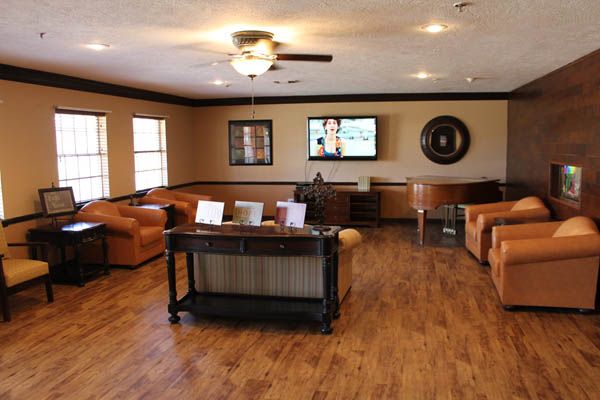
- At Lakeridge, the resident has been there for 14 months and is very well cared for, loved, and spoiled; the food is good, rooms are a nice size, the activities are enjoyable, and the facility is clean; the staff are wonderful.
- The staff member Diane is described as wonderful and caring, while keeping families updated.
- A longtime professional states that the facility provides quality, compassionate care, noting the mother moved from serious condition to stable and walking.
Cons
 The place has gone downhill.
- CNAs take forever to do anything.
- Night nurse Julie is rude and disrespectful to residents, especially when they refuse medicine.
- The nurses bully the patients, subjecting them to cold showers, name-calling, and neglect.
- This place is absolutely terrible and the staff do not care about the residents.
- The place always smells bad and belongings, including clothes and personal items, go missing.
- The administration lies to cover up mistakes and is incompetent.
- Laundry staff steal items and do not return them.
Review
Lakeridge Nursing and Rehabilitation is best suited for families that need a nursing-focused environment with visible supervision and an active frontline team. When staffing is coherent, residents appear well cared for, kept out of their rooms, and the building readies itself as a clean, orderly space. For seniors who respond to routine, predictable schedules, and a program of social activities, the facility can feel dependable. The caveat is that care quality is inconsistent, so families should expect to scrutinize every shift, confirm accountability, and be prepared to intervene quickly if needs aren’t being met.
Those considering alternatives should be aware of a troubling risk profile for safety and dignity. Several reviewers report neglect, unresponsiveness, and in some cases outright mistreatment: cold or delayed assistance, yelling at residents, and punitive reactions to refusals. There are persistent allegations of personal belongings going missing, unsanitary conditions, and meals or hydration that aren’t reliably provided. Some stories describe barriers to visiting, hostile staff interactions, and a general sense that complaints may be punished. For any family prioritizing unwavering respect and consistent, timely care, these accounts warrant serious caution.
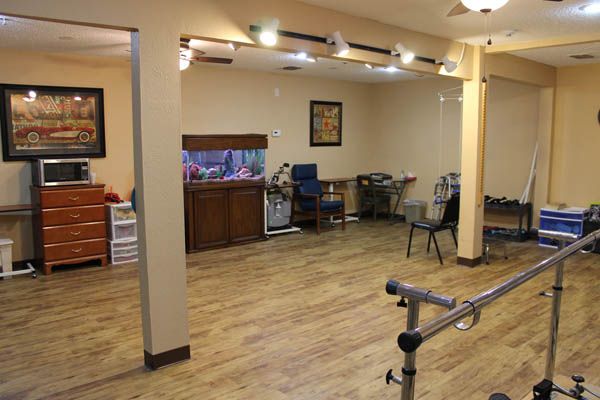
On balance, the facility does have credible positives that can offset some concerns when care is well executed. Multiple families describe compassionate staff, attentive supervision, and genuine warmth from caregivers on certain shifts. Residents may enjoy generous room sizes, clean surroundings, good food on better days, and active programming that keeps minds and bodies engaged. When the operation is running smoothly, these elements create a workable living situation and meaningful moments for loved ones. The key question is whether such favorable days are reliably reproducible rather than sporadic.
Yet the weight of the negative experiences cannot be dismissed. The most severe reports depict systemic gaps in safety and dignity: neglectful care, unsanitary handling, and alarming lapses in monitoring that put residents at risk. The pattern of missing belongings and inconsistent accountability in laundry and personal items also raises serious concerns about basic stewardship. In short, the positives show what Lakeridge can achieve, but the negatives demonstrate a risk surface that families must weigh with vigilance and a readiness to act.
From a decision-making perspective, a disciplined due diligence process is essential. Before placement, visit with a structured checklist, interview multiple shifts, and demand transparent access to incident logs and corrective action histories. Probe staffing levels by time of day, turnover rates, and how care plans adapt when needs shift. If choosing Lakeridge, secure explicit escalation paths, clear documentation of responsibilities, and a robust plan for promptly addressing complaints. For families unwilling to tolerate inconsistent care or potential mistreatment, it is prudent to compare alternatives with stronger reputations for accountability and steady, humane treatment.
In conclusion, Lakeridge Nursing and Rehabilitation presents a mixed, high-variance profile. The facility can deliver solid, compassionate care in the right circumstances, but the breadth and severity of the negative experiences documented by residents and families create a meaningful safety and trust gap. If safety, dignity, and consistent quality are non-negotiable, exploration of other options is strongly advised. If, however, rigorous oversight, proactive grievance resolution, and a willingness to intervene on behalf of a loved one are feasible, Lakeridge may still be considered, with mandatory safeguards, ongoing monitoring, and a concrete contingency plan for transition if care quality deteriorates.
 90 resident community capacity
 Skilled Nursing Facility
 Air-conditioning
 Beauty salon
 Cable or satellite TV
 Computer center
 Dining room
 Fitness room
 Fully furnished
 Gaming room
 Garden
 Housekeeping services
 Kitchenette
 Move-in coordination
 Outdoor space
 Private bathrooms
 Restaurant-style dining
 Small library
 Telephone
 Wellness center
 Wi-Fi/high-speed internet available
 Lubbock International (11 miles away)
 Community operated transportation
 12-16 hour nursing
 24-hour call system
 Activities of daily living assistance
 Assistance with bathing
 Assistance with dressing
 Assistance with transfers
 Diabetes diet
 Medication management
 Mental wellness program
 Special dietary restrictions
 Concierge services
 Planned day trips







 Nurturing Our Loved Ones: A Daughter's Journey in Caring for Her Mother
 Nurturing Our Elders: Linda's Journey of Supporting Her Mother
 A Comprehensive Exploration of Common Misunderstandings about Powers of Attorney