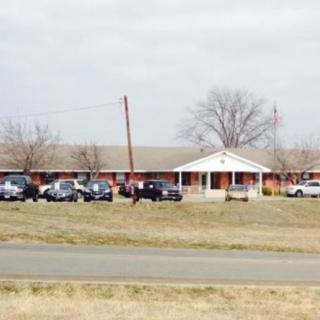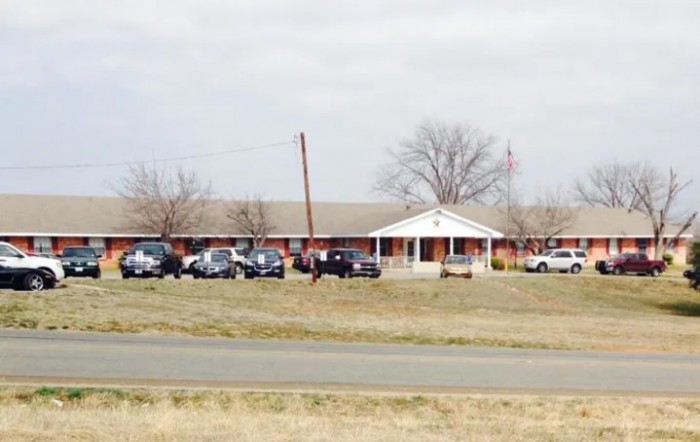
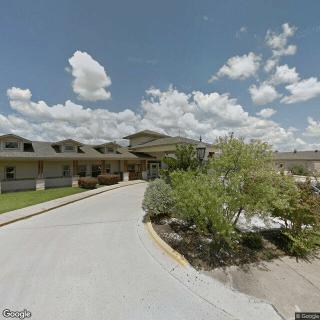
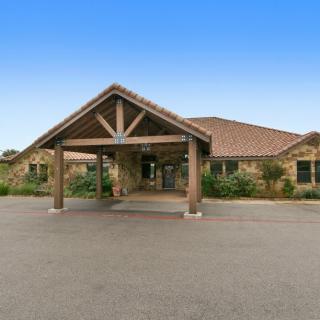
800 West Haynie Street, Llano, TX 78643
For more information about senior living options: (866) 208-4318
Overall Review of Llano Nursing And Rehabilitation Center
Pros
 The staff are kind and helpful and seem happy.
- The residents appear happy and well cared for.
- Staff treat residents like family and pour love into their care.
- The facility organized a private graduation ceremony so a resident could see her daughter graduate.
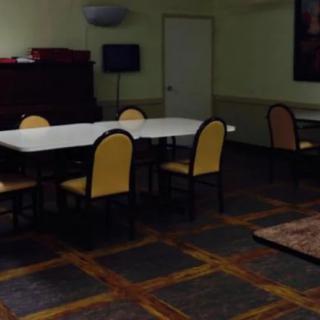
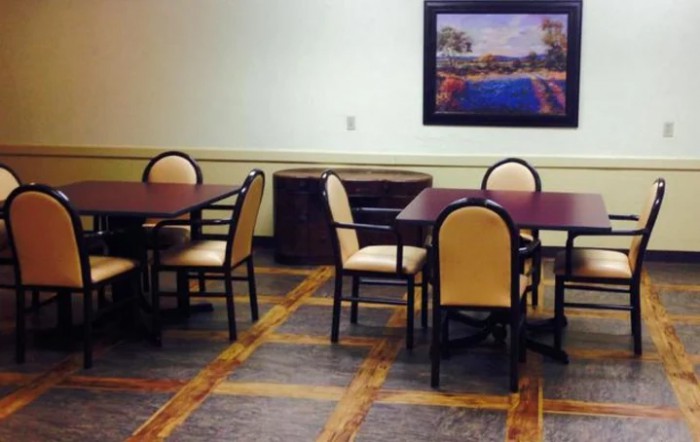
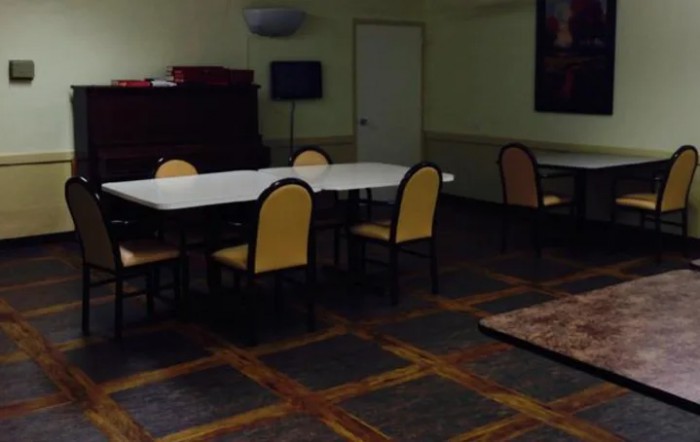
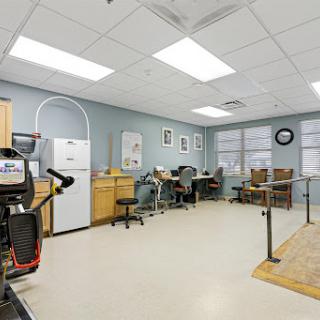
- The facility offers physical therapy, speech therapy, a recreational room, and activities like dominoes and bingo.
Cons
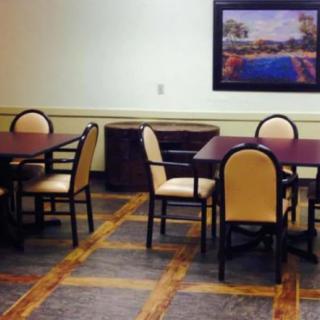
 The facility is run down, dingy, and has a strong, unpleasant smell, with little for patients to do.
- Several nurses are described as horrible, often neglecting requests for help and focusing more on routine tasks than rehabilitation.
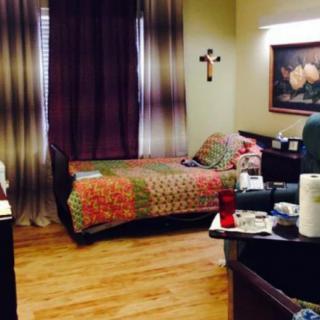
- Residents experience neglect, including days in bed, unexplained room changes, and missing or unsuitable equipment like wheelchairs.
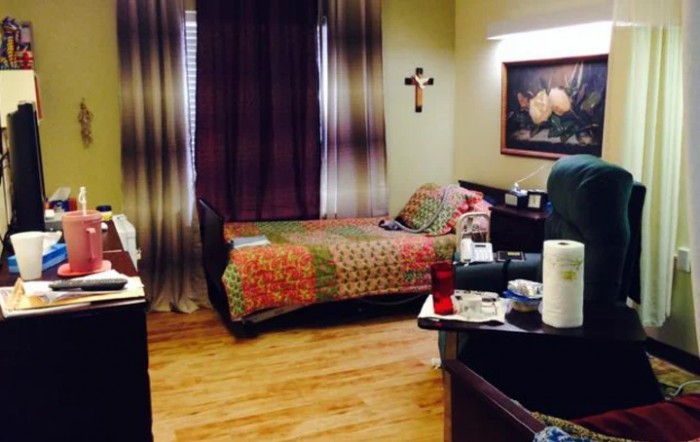
- The environment is filthy, with rooms that are unclean, bad odors, and flies, creating a humiliating experience for patients.
- There is a revolving door of caregivers, indicating high staff turnover and inconsistent care.
- There is a perceived lack of funding and minimal community outreach or activities for residents.
- The reviewer cautions others to avoid the facility unless absolutely desperate.
Review
Llano Nursing and Rehabilitation Center is best suited for families that prize a warm, homey culture and staff who genuinely treat residents like family, and who can tolerate the realities of a smaller, less resource-rich operation. It works best for seniors who value daily kindness, social contact, and approachable caregiving over cutting-edge rehab programs or showroom-clean facilities. If robust, metrics-driven rehabilitation, highly coordinated care, and consistently modern amenities are non-negotiable, this community will not be the ideal choice.
On the upside, several reviews highlight a distinctly caring tone from the team. The staff are described as kind, helpful, and personally invested in residents, with remarks about a strong, positive culture and residents who appear happy. Family members recount moments of personal attention, even small, meaningful gestures like private family events, that demonstrate the staff’s willingness to go the extra mile when possible. There is also evidence of basic therapy services and social spaces, including physical and speech therapy options along with a recreational room and group activities, which can support ongoing engagement and mood.
Yet the rhetoric from other families cannot be ignored. The most troubling feedback centers on staffing stability and the core focus of care. Several reviewers report long-term neglect, inconsistent caregiving, and a revolving door of staff since the pandemic era, with alarming specifics about missed assistance, medication handling, and even a lack of basic equipment. Concerns extend to the physical environment, stench in hallways, small and sparsely equipped rooms, and equipment that is unreliable or insufficient for daily needs. In one account, a beloved relative endured extended bed rest with little outreach, and in another, critical items like a chair or wheelchair disappeared or were misused. Taken together, these experiences point to a systemic fragility that undermines trust and safety.
These opposing threads matter when weighing pros against cons. The genuine warmth of staff and the social fabric can noticeably lift daily life for residents, and the presence of rehabilitation services suggests some level of structured care. However, the stronger, recurring criticisms, inconsistent staffing, neglectful responses, and maintenance gaps, tint the overall experience with a cautionary note. The positives can soften the blow in quieter moments and routine days, but they struggle to compensate for fundamental gaps in accountability, reliability, and a truly rehabilitative focus when urgent needs arise.
Families should consider alternatives if rehab effectiveness, consistent staffing, and facility conditions are non-negotiable priorities. For residents who need steady, proactive rehabilitation, timely assistance with activities of daily living, or a consistently clean, well-maintained environment, a larger center with a proven track record in staffing stability and outcome-focused care is likely a safer bet. Communities with robust oversight, transparent communication, and diligent maintenance protocols will reduce the risk of the sort of gaps described here.
Practical due diligence will matter most for families evaluating Llano. Plan multiple visits at different times, ask direct questions about staffing ratios and turnover, and request a detailed, written care plan that outlines rehabilitation goals, activity schedules, and responses to common emergencies. Inspect rooms and common areas carefully for odors, cleanliness, and safety; scrutinize equipment and any recent repairs or replacements; and talk to current residents and families about response times and communication. If the goal is a comfortable, engaged daily life with dependable rehab oversight, this community may fit for some, but for others the combination of warmth and risk requires a clear, deliberate choice: invest time in exploring alternatives that deliver stronger rehab focus, more consistent staffing, and a demonstrable commitment to sustaining a clean, well-equipped environment.
 116 resident community capacity
 Skilled Nursing Facility
 Air-conditioning
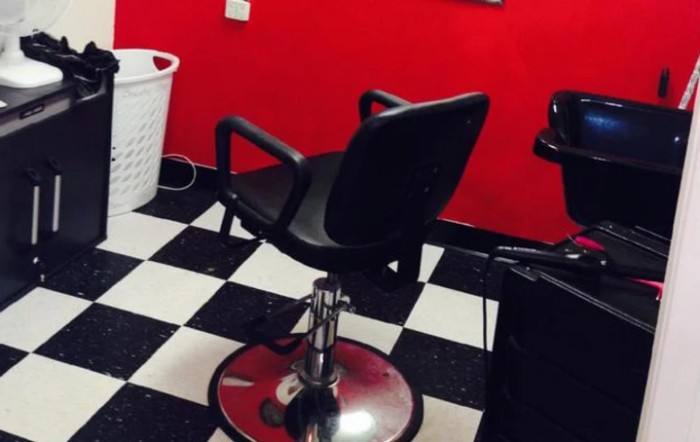
 Beauty salon
 Cable or satellite TV
 Computer center
 Dining room
 Fitness room
 Fully furnished
 Gaming room
 Garden
 Housekeeping services
 Kitchenette
 Move-in coordination
 Outdoor space
 Private bathrooms
 Restaurant-style dining
 Small library
 Telephone
 Wellness center
 Wi-Fi/high-speed internet available
 Community operated transportation
 12-16 hour nursing
 24-hour call system
 Activities of daily living assistance
 Assistance with bathing
 Assistance with dressing
 Assistance with transfers
 Diabetes diet
 Medication management
 Mental wellness program
 Special dietary restrictions
 Concierge services
 Planned day trips


 In-Depth Look at the VA Aid and Attendance Program
 Nurturing Our Loved Ones: A Daughter's Journey in Caring for Her Mother
 Nurturing Our Elders: Linda's Journey of Supporting Her Mother