For more information about senior living options: (866) 208-4318
4.4 from 100 reviews
5 stars
73
4 stars
9
3 stars
9
2 stars
2
1 stars
7
Overall Review of Kingsland Hills Care Center
common49 reviews mention this
Staff are consistently kind
Residents and families describe staff as kind, attentive, and professional.
Across many reviews, families say staff members are helpful, reassuring, and easy to work with. Several people highlight specific interactions where nurses or other staff helped them feel comfortable about care, including therapy and longer-term support. Even in reviews that criticize other issues, they often still reference particular staff members or moments of good service.
caveat10 reviews mention this
Cleanliness and odors come up
Some reviews mention unpleasant smells or cleanliness problems in the facility.
A recurring concern in multiple visits is the presence of strong odors, including reports of urine or waste smells in hallways. Other reviewers counter that the facility is kept clean and does not smell like urine or medication, and they describe fresh-smelling areas. There are also complaints about unclean conditions such as dirty floors, insects, and ants, showing mixed experiences.
caveat6 reviews mention this
Care timing and coverage vary
Availability of staff and response times are described as inconsistent.
Some families report delays getting help when entering or leaving the building, including a long wait for the front door to open. Others mention that weekend or holiday coverage can be inadequate to meet residents’ needs. A few reviews also describe a need for more staffing in those moments, while at least one negative review points to problems with nursing support and instructions for care.
caveat5 reviews mention this
Food quality varies by meal
Dining experiences are mixed, with both praise and missed meal items.
Several reviews mention specific meal experiences, including a positive Thanksgiving meal and a friend being happy with the food. At the same time, other families report issues like missing dessert, complaints about lunch, and concerns that proper dietary food was not provided. Together, these comments suggest dining quality may depend on the specific day, meal, or dietary needs.
common2 reviews mention this
Activities and visits feel engaging
Residents’ days include structured activities and welcoming visit experiences.
Reviews mention an activity department and describe residents participating in events, including shared singing and holiday storytelling. Some visitors also describe positive experiences during their time in the facility, including feeling welcomed while spending time with residents during therapy or visits.
How we summarize
Counts show how many written reviews mention each theme; a review can touch several themes, and only frequently mentioned themes are displayed.
Features
Housing
122 resident community capacity
Types of Care
Skilled Nursing Facility
Amenities
Air-conditioning
Beauty salon
Cable or satellite TV
Computer center
Dining room
Fitness room
Fully furnished
Gaming room
Garden
Housekeeping services
Kitchenette
Move-in coordination
Outdoor space
Private bathrooms
Restaurant-style dining
Small library
Telephone
Wellness center
Wi-Fi/high-speed internet available
Transportation
Community operated transportation
Transportation arrangement
Transportation arrangement (non-medical)
Transportation to doctors appointments
Care Services
12-16 hour nursing
24-hour call system
24-hour supervision
Activities of daily living assistance
Assistance with bathing
Assistance with dressing
Assistance with transfers
Diabetes diet
Meal preparation and service
Medication management
Mental wellness program
Special dietary restrictions
Dining
Diabetes diet
Special dietary restrictions
Activities
Community-sponsored activities
Concierge services
Fitness programs
Planned day trips
Resident-run activities
Scheduled daily activities
Nearby Places of Interest
Places of Worship
First Baptist Church (0.2 miles)
Kingsland Community Church (1.6 miles)
Courtnaye Richard (3.4 miles)
Southern Baptist Convention (5.6 miles)
Hoover Valley Baptist Church (5.6 miles)
Southern Baptist Convention (5.6 miles)
Christ Redeemer Fellowship (7.1 miles)
Restaurants
Alfredo's Mexican Restaurant #2 (0.3 miles)
Miguel's Mexican Restaurant (0.3 miles)
Jr's Authentic Tex-Mex (1.3 miles)
El Bracero (1.4 miles)
Sonic Drive-In (1.4 miles)
Reverend Jim's Dam Pub (5.9 miles)
The Cape (10.3 miles)
Physicians
Frederick, John Dr-Scott & White Clinic Kingsland (1.1 miles)
Dermatology At Horseshoe Bay (10.7 miles)
Balcones Pain Consultants (12.2 miles)
Central Texas Spine Institution (12.2 miles)
Christy Scoggins Clinic (12.3 miles)
20 20 Express (12.4 miles)
Family Wellness Center (12.4 miles)
Pharmacies
Kingsland Pharmacy (1.5 miles)
Good Neighbor Pharmacy (10.8 miles)
Walgreens (12.8 miles)
Health Mart Pharmacy (13.1 miles)
Cafes
Texas Chainsaw Massacre House (1.6 miles)
The Lake Cafe (1.9 miles)
Hoovers Valley Cafe (5.2 miles)
Mojo Coffee (12.5 miles)
Transportation
U-Haul Neighborhood Dealer (1.7 miles)
U-Haul Neighborhood Dealer (4.6 miles)
U-Haul (10.3 miles)
Hertz Local Edition (12.4 miles)
Alamo (12.7 miles)
Enterprise Rent-A-Car (12.7 miles)
Parks
Kingsland Community Park (2 miles)
Bullfrog Cove (3.9 miles)
Longhorn Cavern State Park (6.4 miles)
Lake Trail 1.2 Mi (6.5 miles)
Llano County Park (6.7 miles)
Inks Lake State Park (6.8 miles)
Horseshoe Bay Public Park (10.6 miles)
Theaters
ShowBiz Cinemas (12.3 miles)
Hospitals
Marble Falls Emergency Medical Station (12.9 miles)
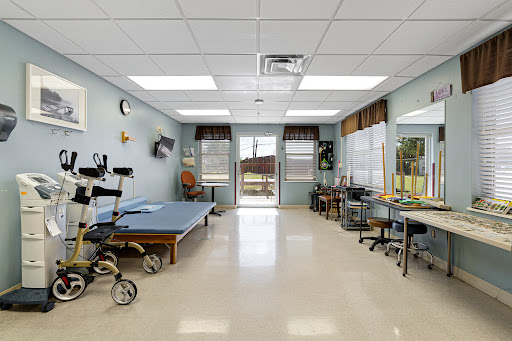
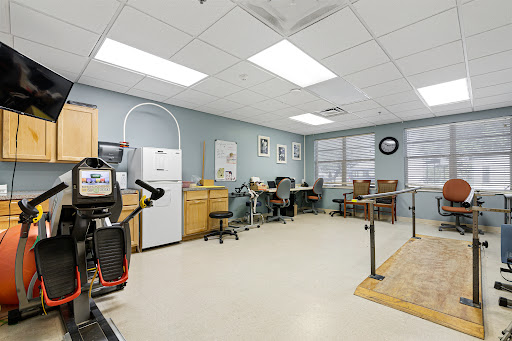
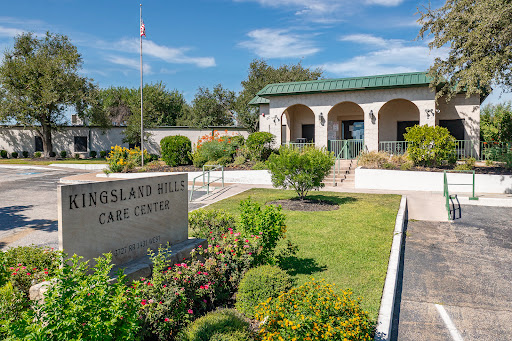
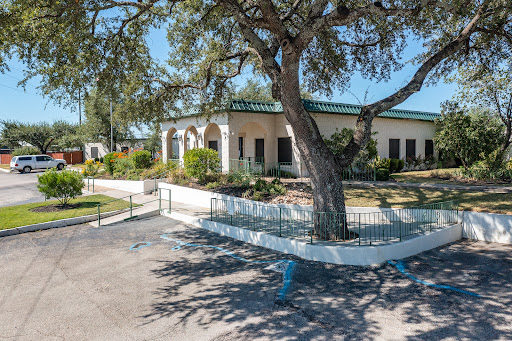
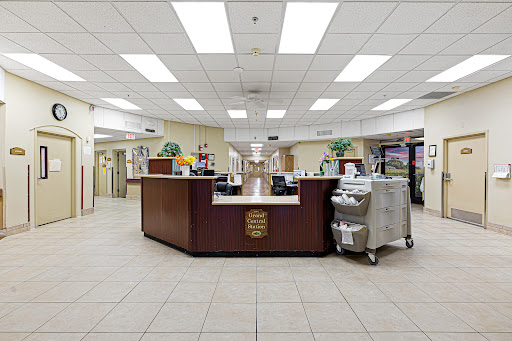
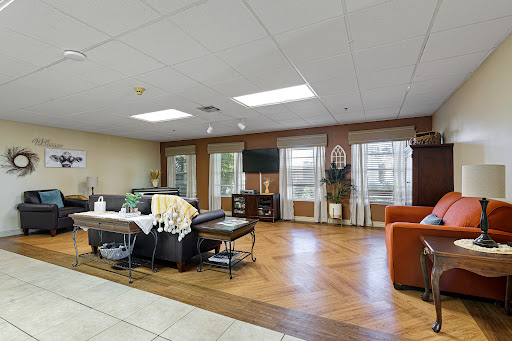
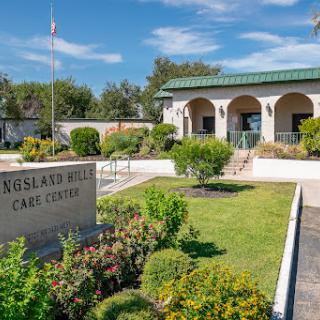
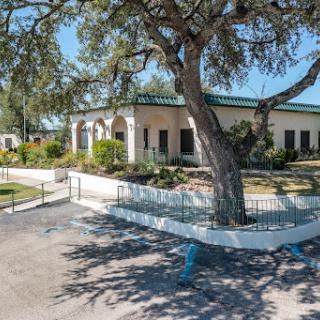
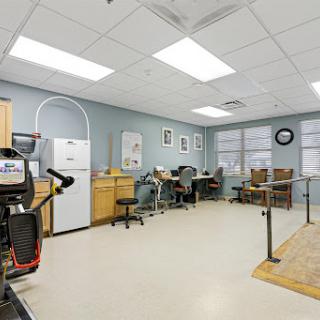
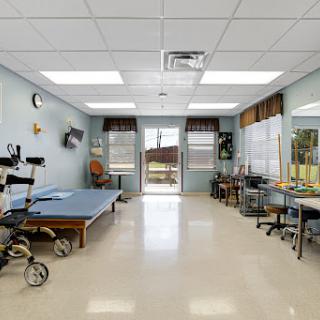
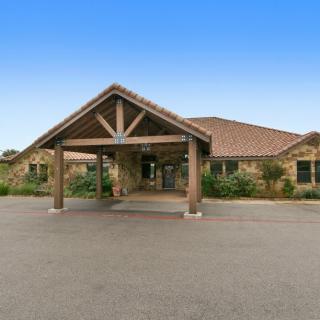
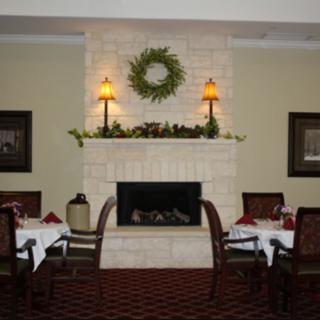
Kingsland Hills Care Center on seniors.fyi includes 6 photos including images showing landscaping, healthcare, interior, building, architecture, rehabilitation, therapy room, cozy atmosphere, and more.
Nearby Communities
Windchime at the Village
Kingsland, TX
4.6 from 77 reviews
Friendly, attentive staff in a clean, homey environment with engaging activities.
Right at Home Marble Falls
Marble Falls, TX
4.8 from 21 reviews
Peaceful assisted-living environment with convenient access to pharmacies, restaurants, parks, and cultural amenities.
Home Instead - Marble Falls, TX
Marble Falls, TX
5 from 30 reviews
Prime Marble Falls location with extensive nearby amenities including cafes, parks, healthcare, dining, transportation, worship, entertainment, and hospitals.
Life Made Easy Home Health LLC
Horseshoe Bay, TX
Serene setting with easy access to healthcare, dining options, transportation, and nearby places of worship.
Celestecare Of Horseshoe Bay
Marble Falls, TX
4.1 from 24 reviews
Homey, small-community feel with attentive staff, good meals, and engaging activities.
Tuscan Village at Horseshoe Bay
Horseshoe, TX
4.6 from 18 reviews
Personalized care with meal prep, medication management, and dietary-friendly dining.
Country Oaks at Hamilton Creek
Burnet, TX
4.2 from 25 reviews
$3,328 to $5,200 / month
Clean, well-maintained facility with caring staff, spacious apartments, and engaging activities.
Living wills and advance directives are crucial legal documents that outline an individual's healthcare preferences when they cannot make decisions themselves, enhancing patient autonomy and alleviating family stress during medical crises. The article emphasizes the need for these documents to be personalized, legally valid, and regularly updated, while also encouraging communication about end-of-life wishes among family members and healthcare providers.
The article examines living wills and advance directives, highlighting their significance in expressing healthcare preferences for those unable to communicate due to illness or incapacity. It discusses their historical development, legal components, limitations, practical drafting advice, and the importance of clear communication among families and healthcare professionals regarding end-of-life decisions.
Hospice care focuses on providing comfort and support for individuals nearing the end of life, with Medicare Part A covering services like nursing care and counseling for patients with a terminal illness and a life expectancy of six months or less. While most hospice services are low-cost for eligible patients, families should be aware that certain expenses, such as room and board, may not be covered.
Decor, Living Room, Natural Light, Open Space, and Cozy Atmosphere
Landscaping, Building, and Architecture
Trees, Outdoor, and Parking
Exercise Equipment
Exterior
Healthcare
Waiting Area and Reception
Rehabilitation and Therapy Room
Physical Therapy and Bright Lighting
Get PricingAsk A QuestionSchedule A TourContact Senior Advisor
By clicking submit, you agree to our Partner's Terms of Use. You
also consent to receive calls and texts, which may be autodialed, from our Partner. Your consent is not a condition to
using our Partner's service. Please visit our Partner's Privacy Policy for information about their privacy practices.

 122 resident community capacity
 Skilled Nursing Facility
 Air-conditioning
 Beauty salon
 Cable or satellite TV
 Computer center
 Dining room
 Fitness room
 Fully furnished
 Gaming room
 Garden
 Housekeeping services
 Kitchenette
 Move-in coordination
 Outdoor space
 Private bathrooms
 Restaurant-style dining
 Small library
 Telephone
 Wellness center
 Wi-Fi/high-speed internet available
 Community operated transportation
 12-16 hour nursing
 24-hour call system
 Activities of daily living assistance
 Assistance with bathing
 Assistance with dressing
 Assistance with transfers
 Diabetes diet
 Medication management
 Mental wellness program
 Special dietary restrictions
 Concierge services
 Planned day trips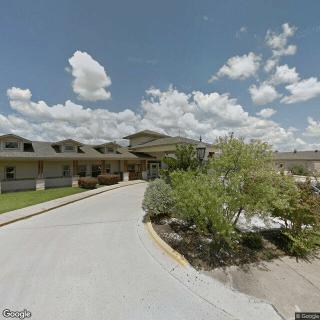
 Friendly, attentive staff in a clean, homey environment with engaging activities.

 Comprehensive Exploration of Living Wills and Other Advance Directives
 A Detailed Exploration of Living Wills and Advance Directives
 Comprehensive Guide to Medicare Coverage for Hospice Care