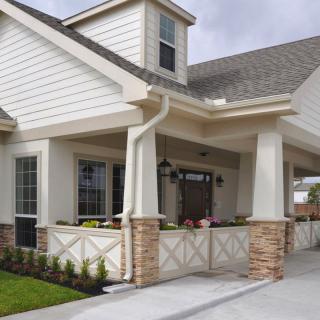
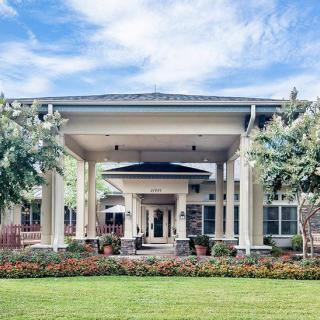
Oakmont Healthcare And Rehabilitation Center Of Katy

Save
Oakmont Healthcare And Rehabilitation Center Of Katy Oakmont Healthcare And Rehabilitation Center Of Katy Oakmont Healthcare And Rehabilitation Center Of Katy Oakmont Healthcare And Rehabilitation Center Of Katy

Oakmont Healthcare And Rehabilitation Center Of Katy

Information last verified:

1525 Tull Drive, Katy, TX 77449

For more information about senior living options: (844) 490-3973

3.4 from 76 reviews
5 stars
41
4 stars
4
3 stars
4
2 stars
2
1 stars
25

Overall Review of Oakmont Healthcare And Rehabilitation Center Of Katy

Pros

  • pro The staff are warm, attentive, and compassionate, providing utmost respect and excellent care.
  • pro The DON Miss Latoya is praised for making residents feel at peace, comfortable, and confident that everything will be OK.
  • pro Kavitha, the rehab director, is described as top-tier, and the rehab program is praised as excellent with very good meals.
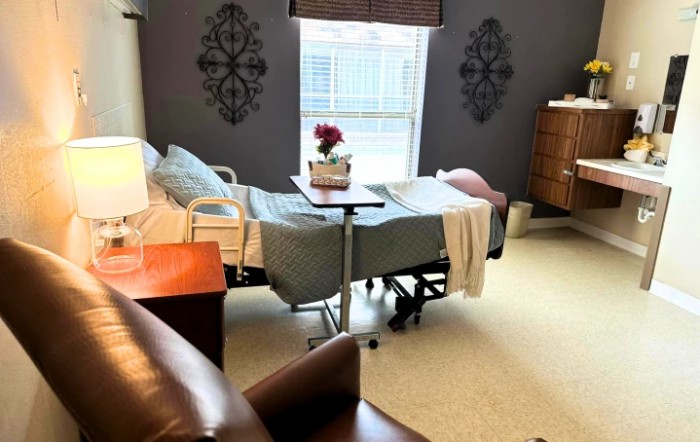
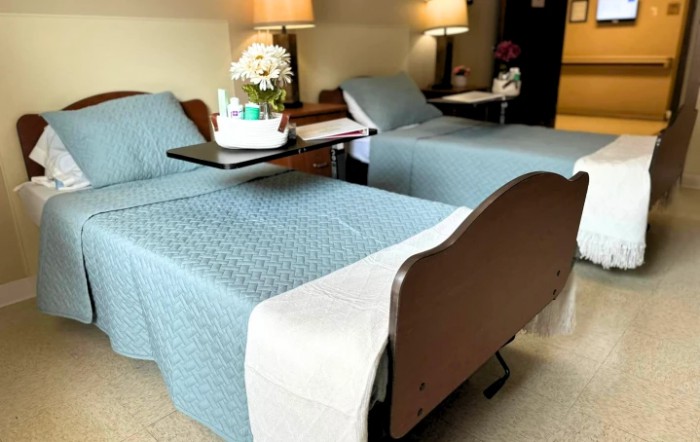
  • pro The facility is clean, well-maintained, and offers a wide range of activities and amenities, giving families peace of mind.
  • pro Debra Bennett is engaging, helpful, and puts families at ease when contacting the facility.
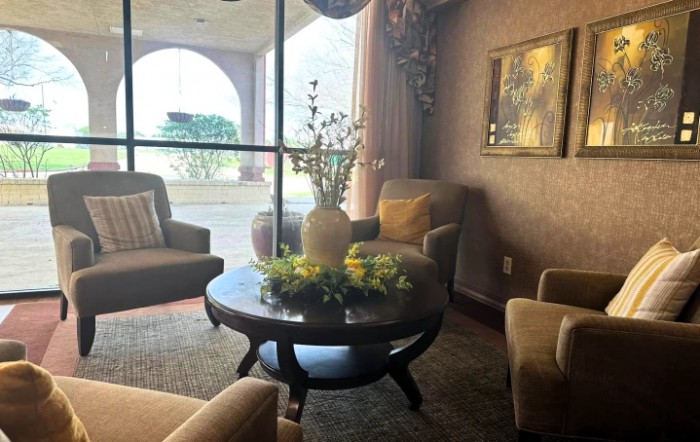
  • pro The center is inviting with welcoming staff and a home-like environment, and residents appear happy and pleasant.
  • pro Oakmont staff are wonderful, patient, and truly care for residents, with excellent communication.
  • pro Oakmont is described as one of the friendliest and most welcoming facilities, making visitors feel at home.
  • pro The team is amazing and always ready to help and care for those in need.

Cons

  • pro The facility is described as the worst nursing home, filthy and neglectful.
  • pro It is chronically understaffed and disorganized, lacking the skills to provide adequate rehab care.
  • pro Residents are not fed or given medications as prescribed and are left in their waste.
  • pro The building is old and in disrepair, with leaks, stained ceilings, dirty floors, and a pervasive stench.
  • pro Front desk staff are rude, and there are days when no one is staffing or answering calls.
  • pro Personal items and clothes frequently go missing, and laundry is poorly handled.
  • pro Money is stolen and bills are charged improperly; promises about Medicaid assistance are not kept.
  • pro Serious health issues like pneumonia and sepsis go unnoticed or are not promptly addressed.
  • pro There are safety concerns, including a patient escaping with no attendant and unauthorized individuals gaining access.
  • pro Visitation and communication with families are poor, with appointment-only visits and little transparency; some reviewers advise against bringing loved ones there.

Review

Oakmont Healthcare and Rehabilitation Center of Katy is best suited for families seeking a facility with a clear emphasis on rehabilitation where the therapy program can deliver tangible mobility and function gains, and where a stable, caring leadership presence can help guide the care plan. When the DON and rehab director are consistently engaged, traits repeatedly praised by families, their loved ones often experience meaningful progress in walking, talking, and regaining independence. The community can feel welcoming and home-like, with an active calendar, therapy dogs, and varied activities that keep residents engaged. For families who can partner closely with the facility, monitor daily care, and press for answers when questions arise, Oakmont can be a solid match, particularly for short-term rehab stays that aim to restore function and confidence.

Nevertheless, this campus is not ideal for residents who require consistent, high-touch supervision around the clock. Reviews reveal a pattern of staffing instability, frequent turnover in administrators, and periods of being understaffed, with frontline aides stretched thin. The risk of missed medications, delayed care, and lapses in basic hygiene has been documented in multiple accounts, including situations where a resident deteriorated before changes were made. For families that cannot maintain a watchful eye or need predictable, reliable 24/7 oversight, alternatives should be seriously considered. The imperative for prompt response to call lights and rapid escalation of concerns is a recurring theme that potential residents and families must weigh carefully.

The strongest positives at Oakmont tend to revolve around the rehab program and the personal warmth of certain staff members. Multiple reviews highlight Kavitha, the rehab director, as “top tier,” and point to dedicated, compassionate nurses, social workers, and DONs who have helped residents regain mobility and function. The building and common areas are described as clean and well-maintained when leadership is stable, with engaging activities, nutritious meals, and a responsive therapy team that takes residents to therapy sessions and supports progress. In favorable cases, families feel informed, heard, and reassured by the intervention of capable professionals who coordinate therapies, bring in specialists, and keep relatives in the loop about goals and milestones. Those conditions make Oakmont a real option for rehab-focused care.

However, the flip side of the ledger is stark. Consistent reports of odor, disrepair, and unaddressed cleanliness issues paint a troubled picture of long-term comfort and safety. Instances of dehydration, pneumonia, and bedsores after admission, where care and monitoring appeared to fall short, underscore how quickly the risk landscape can shift when staffing and supervision lapse. Billing and administrative friction also surface in several reviews, including concerns about Medicaid processing, unreturned calls, and disputed charges, which erode trust and complicate transitions. The most troubling narratives describe residents who were not fed, not assisted with basic needs, or left in their rooms without timely care, leading families to question whether the environment can sustain dignity and safety for high-need residents over time.

Leadership quality emerges as a decisive driver in the Oakmont experience. Some families sing the praises of administrators and DONs, names like Marilyn Booker, Latoya, and Chavonne recur as individuals who delivered empathy, clarity, and hands-on guidance. Others recount a very different reality: weak or inconsistent supervision, poor communication, and a sense that issues were not escalated or resolved promptly. This wide spread of experiences suggests a facility whose culture shifts with leadership and staffing, rather than a consistently reliable baseline of care. Prospective residents must evaluate current leadership, tour during peak hours, and specifically observe whether the front desk and care teams are responsive, well-coordinated, and able to sustain a high standard across shifts.

In practical terms, families evaluating Oakmont Katy should pursue a rigorous, multi-pronged visit checklist. Seek direct conversations with the DON and the administrator about staffing ratios, care protocols, and how meds are administered and verified. Request a review of recent state survey results and any corrective action plans. Observe the operation across different times of day, including nights and weekends, and scrutinize call-light responsiveness, meal delivery, and the handling of laundry and personal belongings. Ask to see current activity calendars, meal menus, and the rehab schedule, plus a frank discussion about Medicaid paperwork and billing timelines. Above all, insist on clear, written commitments about who will oversee care, how problems will be escalated, and what steps will be taken if a resident’s condition changes.

Bottom line: Oakmont Katy can deliver outstanding rehab outcomes and genuinely compassionate care when leadership is stable and staffing meets the resident’s needs. For families prioritizing rehabilitation, social engagement, and a warm, attentive environment, a thorough tour with specific questions about staffing and care processes can reveal a strong fit. For those needing unwavering, uniform safety and daily oversight, especially for long-term or highly dependent residents, the risks highlighted in many reviews warrant serious consideration of alternatives. The facility deserves a careful, data-driven evaluation, with emphasis placed on current leadership, staffing consistency, and the facility’s track record on safety, communication, and reliable operation.

Features

Housing

  • 130 resident community capacity 130 resident community capacity

Types of Care

  • Skilled Nursing Facility Skilled Nursing FacilitySkilled Nursing Facilities are crucial for seniors as they provide round-the-clock medical care, rehabilitation services, and assistance with daily activities. These facilities ensure that seniors receive the specialized care they need to maintain their health and well-being as they age.

Amenities

  • Air-conditioning Air-conditioningAir conditioning is important for seniors as they are more vulnerable to heat-related illnesses and may have underlying health conditions that make it difficult for them to regulate their body temperature. It helps to keep them comfortable, safe, and healthy in hot weather.
  • Beauty salon Beauty salonBeauty salons are important for seniors because they provide a space for them to feel pampered, socialize, and maintain their personal grooming and hygiene. Regular visits to a beauty salon can help boost seniors' self-esteem and overall well-being.
  • Cable or satellite TV Cable or satellite TVCable or satellite TV is important for seniors because it provides entertainment, news, and companionship, helping to combat loneliness and boredom. It also offers a wide range of programming options tailored to different interests and preferences.
  • Computer center Computer centerA computer center is essential for seniors as it provides access to technology, communication tools, and resources that can enhance their daily lives. It allows them to stay connected with loved ones, engage in online activities, and learn new skills, ultimately promoting socialization and mental stimulation.
  • Dining room Dining roomDining rooms are important for seniors as they provide a space for socialization, connection, and nutritious meals. They offer opportunities for residents to bond over shared meals, foster a sense of community, and promote healthy eating habits. Dining rooms also ensure that seniors have access to well-balanced meals tailored to their dietary needs and preferences.
  • Fitness room Fitness roomHaving a fitness room in a senior living community is essential for seniors to stay active, maintain their physical health, and improve their overall well-being. Regular exercise can help prevent falls, reduce the risk of chronic diseases, and promote mental sharpness. It also provides social opportunities for residents to connect with others and enjoy a sense of community.
  • Fully furnished Fully furnishedFully furnished senior living communities are important for seniors because they provide convenience, comfort, and a hassle-free moving experience. Seniors can easily settle into their new living space without the stress of having to buy and move furniture. This allows them to focus on enjoying their new home and community.
  • Gaming room Gaming roomGaming rooms are important for seniors as they provide a fun and engaging environment for socializing, cognitive stimulation, and physical activity. Games can improve memory, problem-solving skills, and overall mental well-being while fostering friendships and reducing feelings of isolation.
  • Garden GardenGardens are important for seniors as they provide a peaceful and therapeutic environment for relaxation, physical activity, and socialization. Being in nature has been shown to reduce stress, improve mood, and promote overall well-being. Gardens also offer opportunities for seniors to engage in gardening activities, which can improve mobility, flexibility, and cognitive function. Additionally, gardens create a sense of community and connection with others who share a passion for plants and outdoor spaces.
  • Housekeeping services Housekeeping servicesHousekeeping services are important for seniors because they help maintain a clean and safe living environment, promote independence, and reduce the risk of accidents or illnesses. Additionally, having assistance with household chores can alleviate physical strain and allow seniors to focus on other aspects of their well-being.
  • Kitchenette KitchenetteKitchenettes are important for seniors living in senior living communities because they provide the convenience and independence of being able to prepare simple meals and snacks in the comfort of their own living space. This can help promote a sense of autonomy and well-being for seniors, allowing them to maintain some level of control over their dietary choices and daily routines.
  • Move-in coordination Move-in coordinationMove-in coordination is important for seniors because it helps ease the transition into their new living environment. It ensures that all logistics, such as packing, organizing movers, and setting up utilities are taken care of, allowing seniors to focus on settling in and adjusting to their new home. Having a smooth move-in process can alleviate stress and anxiety, making the transition smoother and more enjoyable for seniors.
  • Outdoor space Outdoor spaceOutdoor spaces are important for seniors as they provide opportunities for physical activity, social interaction, exposure to natural light and fresh air, and a sense of connection to nature. Having access to outdoor spaces can improve overall well-being and quality of life for older adults living in senior communities.
  • Private bathrooms Private bathroomsPrivate bathrooms are important for seniors in senior living communities because they provide independence, dignity, and comfort. Having a private bathroom allows seniors to maintain their personal hygiene routines without the need for assistance, promoting a sense of autonomy and privacy. Additionally, private bathrooms help prevent the spread of infections and provide a safe and clean environment for seniors to navigate safely.
  • Restaurant-style dining Restaurant-style diningRestaurant-style dining is important for seniors because it allows them to enjoy delicious, nutritious meals in a social and upscale setting. This enhances their dining experience, promotes healthy eating habits, and fosters socialization with fellow residents, ultimately contributing to their overall well-being and quality of life.
  • Small library Small librarySmall libraries are important for seniors as they provide access to a variety of reading materials, including books, newspapers, and magazines. This can help stimulate their minds, keep them engaged, and provide a sense of community through book clubs and other social activities. Additionally, reading has been shown to improve cognitive function and overall mental well-being in older adults.
  • Telephone TelephoneTelephones are important for seniors as they provide a lifeline for communication with loved ones, emergency services, and healthcare providers. They offer a sense of security and independence, enabling seniors to stay connected and access assistance when needed.
  • Wellness center Wellness centerWellness centers are important for seniors because they offer a variety of programs and services that promote physical, mental, and emotional well-being. These centers provide opportunities for exercise, socialization, education, and relaxation, helping seniors maintain their overall health and quality of life.
  • Wi-Fi/high-speed internet available Wi-Fi/high-speed internet availableWi-Fi/high-speed internet is important for seniors to stay connected with loved ones, access online resources, and participate in virtual activities to combat feelings of loneliness and isolation. It also allows them to easily manage healthcare needs, access entertainment, and engage in lifelong learning opportunities.

Transportation

  • Community operated transportation Community operated transportationCommunity operated transportation is crucial for seniors as it provides them with the means to access essential services, social activities, and medical appointments. It allows seniors to maintain their independence and quality of life by ensuring they can participate in activities outside of their homes. Additionally, community-operated transportation services offer a safe and reliable way for seniors to travel without having to rely on family or friends for assistance.
  • Transportation arrangement Transportation arrangementTransportation arrangements are crucial for seniors as they may face challenges with driving, mobility, or access to public transportation. Having reliable transportation services ensures that seniors can easily attend appointments, social activities, and maintain their independence and quality of life.
  • Transportation arrangement (non-medical) Transportation arrangement (non-medical)Transportation arrangements are essential for seniors as they provide access to essential services, activities, and social interactions outside the home. This service helps maintain independence, mobility, and overall well-being for seniors who may have limited transportation options.
  • Transportation to doctors appointments Transportation to doctors appointmentsTransportation to doctors appointments is crucial for seniors as it ensures they have access to necessary medical care and support, promoting their health and well-being. It allows them to receive timely treatment, monitor existing conditions, and address any new health concerns efficiently. Additionally, transportation services can help seniors maintain their independence and quality of life by enabling them to stay connected with their healthcare providers.

Care Services

  • 12-16 hour nursing 12-16 hour nursing12-16 hour nursing care is crucial for seniors in order to ensure around-the-clock monitoring, timely medication administration, and prompt response to any health concerns or emergencies. This level of care helps to promote the overall well-being and safety of seniors living in senior living communities.
  • 24-hour call system 24-hour call system24-hour call systems are important for seniors because they provide peace of mind and immediate assistance in case of emergencies. This technology ensures that help is always available, promoting safety and security for elderly individuals living alone or in assisted living facilities.
  • 24-hour supervision 24-hour supervision24-hour supervision is important for seniors to ensure their safety, well-being, and access to immediate assistance in case of emergencies or health issues. This constant support provides peace of mind for both seniors and their loved ones, allowing them to age in place with dignity and security.
  • Activities of daily living assistance Activities of daily living assistanceActivities of daily living assistance are important for seniors because they provide essential support with tasks such as eating, bathing, dressing, and mobility. This assistance helps seniors maintain their independence, dignity, and overall quality of life as they age.
  • Assistance with bathing Assistance with bathingAssistance with bathing is crucial for seniors as it helps maintain personal hygiene, prevents infections, and ensures their overall well-being and comfort. It also provides a sense of dignity and independence for seniors who may struggle with this task on their own.
  • Assistance with dressing Assistance with dressingAssistance with dressing is important for seniors because it helps maintain their independence, promotes personal hygiene, prevents accidents and injuries, and improves overall quality of life. This service ensures that seniors can continue to dress comfortably and confidently, despite any physical limitations they may have.
  • Assistance with transfers Assistance with transfersAssistance with transfers is crucial for seniors as it helps prevent falls and injuries, maintains their independence, and ensures they can safely navigate their living environment. It also provides peace of mind for both seniors and their loved ones.
  • Diabetes diet Diabetes dietA diabetes diet is crucial for seniors as it helps manage blood sugar levels, reduce risks of complications, and improve overall health and well-being. By following a balanced and nutritious diet tailored to their specific needs, seniors can better control their diabetes and enhance their quality of life.
  • Meal preparation and service Meal preparation and serviceMeal preparation and service are crucial for seniors as they may have limited mobility or energy to cook nutritious meals. Having access to healthy and convenient food options can ensure they are getting the proper nutrition needed to maintain their overall health and well-being.
  • Medication management Medication managementMedication management is crucial for seniors to ensure they are taking the right medications at the correct dosages and times. This helps prevent adverse drug interactions, reduces the risk of medication errors, and promotes overall health and well-being. Proactive management also allows for adjustments as needed based on changing health conditions or new prescriptions.
  • Mental wellness program Mental wellness programMental wellness programs are essential for seniors as they promote cognitive stimulation, emotional support, and social engagement. These programs help prevent isolation, depression, and cognitive decline, ultimately enhancing the overall quality of life for older adults.
  • Special dietary restrictions Special dietary restrictionsSpecial dietary restrictions are important for seniors because age-related changes in metabolism and health conditions can make it difficult for their bodies to process certain foods. By following a diet tailored to their specific needs, seniors can maintain their overall health and well-being, manage chronic conditions, and reduce the risk of complications such as malnutrition or food interactions with medications.

Dining

  • Diabetes diet Diabetes dietA diabetes diet is crucial for seniors as it helps manage blood sugar levels, reduce risks of complications, and improve overall health and well-being. By following a balanced and nutritious diet tailored to their specific needs, seniors can better control their diabetes and enhance their quality of life.
  • Special dietary restrictions Special dietary restrictionsSpecial dietary restrictions are important for seniors because age-related changes in metabolism and health conditions can make it difficult for their bodies to process certain foods. By following a diet tailored to their specific needs, seniors can maintain their overall health and well-being, manage chronic conditions, and reduce the risk of complications such as malnutrition or food interactions with medications.

Activities

  • Community-sponsored activities Community-sponsored activitiesCommunity-sponsored activities are important for seniors as they provide opportunities for social interaction, mental stimulation, and physical activity. These activities can help improve overall well-being, combat loneliness and isolation, and promote a sense of belonging and purpose among older adults.
  • Concierge services Concierge servicesConcierge services are essential for seniors as they provide assistance with daily tasks and errands, enhance their quality of life by offering convenience and personalized care, and promote a sense of safety and security.
  • Fitness programs Fitness programsFitness programs are crucial for seniors as they help improve strength, flexibility, balance, and overall well-being. Staying active can reduce the risk of chronic diseases, improve mental health, and enhance quality of life in older adults.
  • Planned day trips Planned day tripsPlanned day trips are important for seniors because they offer opportunities for socialization, mental stimulation, and physical activity. They provide a change of scenery and help seniors stay engaged and connected to their community, promoting overall well-being and quality of life.
  • Resident-run activities Resident-run activitiesResident-run activities are important for seniors as they encourage social interaction, creativity, and a sense of autonomy. These activities empower seniors to stay engaged and active in their community while fostering meaningful connections with their peers.
  • Scheduled daily activities Scheduled daily activitiesScheduled daily activities are important for seniors because they provide structure, socialization, mental stimulation, and physical activity. Engaging in regular activities can improve overall well-being and quality of life for seniors living in a community setting.

Description

Oakmont Healthcare and Rehabilitation Center of Katy in Katy, TX is a premier assisted living community that offers a wide range of amenities and care services to enhance the quality of life for its residents.

The community features a beauty salon where residents can pamper themselves and stay looking their best. They can also enjoy watching their favorite shows on cable or satellite TV in the comfort of their own private rooms. For transportation needs, Oakmont provides community-operated transportation as well as assistance in arranging transportation to doctors appointments.

Residents have access to a computer center equipped with modern technology for staying connected with loved ones or engaging in online activities. The dining room offers restaurant-style dining where residents can savor delicious meals prepared by the skilled culinary team. Special dietary restrictions are taken into account, ensuring that everyone's nutritional needs are met.

To promote an active lifestyle, there is a fitness room where residents can engage in physical activities and maintain their overall wellness. There is also a gaming room available for recreational purposes, keeping residents entertained and engaged. For those who appreciate nature, the community boasts beautiful outdoor spaces and gardens where they can relax and enjoy the fresh air.

Oakmont provides housekeeping services to ensure that residents reside in clean and tidy surroundings at all times. Residents' move-in coordination is handled efficiently to minimize stress during the transition period. Private bathrooms offer convenience and privacy.

In terms of care services, Oakmont offers 24-hour call systems and supervision to ensure residents' safety around the clock. Trained caregivers provide assistance with activities of daily living such as bathing, dressing, and transfers. Medication management is also provided to support individuals with their medication needs. A mental wellness program is implemented to promote emotional well-being.

For social engagement, concierge services are available to assist with any requests or information needed by residents. Fitness programs are organized regularly to keep residents physically active. Planned day trips allow them to explore new places and create lasting memories. Resident-run activities and scheduled daily activities offer opportunities for socializing and pursuing hobbies.

Residents of Oakmont Healthcare and Rehabilitation Center of Katy have the added advantage of numerous amenities and services nearby. Cafes, parks, pharmacies, physicians, restaurants, transportation options, places of worship, theaters, and hospitals are all conveniently located in close proximity.

Overall, Oakmont Healthcare and Rehabilitation Center of Katy provides a nurturing environment where residents can receive exceptional care while enjoying a variety of amenities and engaging in meaningful activities.

Nearby Places of Interest

Restaurants

  • Olive Garden (0.3 miles)
  • Jimmy Changas (0.6 miles)
  • Bombshells (0.8 miles)
  • McDonald's (0.8 miles)
  • Joy Love Burgers (0.9 miles)
  • Captain Tom's Seafood & Oyster (0.9 miles)
  • Luby's (1 miles)

Physicians

  • Texas Dermatology (0.4 miles)
  • Mann Eye Institute (1 miles)
  • Southwest Asthma & Allergy Associates (1.1 miles)
  • Katy Family Physicians (2.3 miles)
  • Kelsey-Seybold Clinic (2.3 miles)
  • Cinco Ranch | Kelsey-Seybold Clinic (2.6 miles)
  • Texas ENT Specialists (2.7 miles)

Pharmacies

  • CVS Pharmacy (0.6 miles)
  • Walgreens (0.9 miles)
  • Walgreens (1.4 miles)
  • CVS Pharmacy (2.1 miles)
  • Walgreens (2.2 miles)
  • CVS Pharmacy (2.3 miles)
  • CVS Pharmacy (2.5 miles)

Cafes

  • The Alley (1.8 miles)
  • Starbucks (2.3 miles)
  • Starbucks (3.9 miles)
  • Starbucks (4.4 miles)
  • Panera Bread (4.6 miles)
  • Starbucks (5.5 miles)
  • Starbucks (5.6 miles)

Theaters

  • Cinemark (1.9 miles)
  • AMC Katy Mills 20 (4.2 miles)

Places of Worship

  • Second Baptist Church, West SecondKids (2.1 miles)
  • Redeemer Community Church (4.2 miles)
  • Current ...A Christian Church (4.4 miles)
  • Life Church (4.5 miles)

Transportation

  • Uhaul (2.1 miles)
  • West Houston Airport (4.5 miles)

Hospitals

  • Memorial Hermann Katy Hospital (2.6 miles)

Parks

  • Castello Lakes Park (3.6 miles)
  • Mary Jo Peckham Park (4.8 miles)

Frequently Asked Questions

Where is Oakmont Healthcare And Rehabilitation Center Of Katy?
What photos are available for Oakmont Healthcare And Rehabilitation Center Of Katy in Katy, Texas?

Nearby Communities

  • SunBridge Care & Rehabilitation for Katy

    SunBridge Care & Rehabilitation for Katy

    Katy, TX

    3.4 from 76 reviews
     

    pro Excellent access to healthcare and nearby amenities.
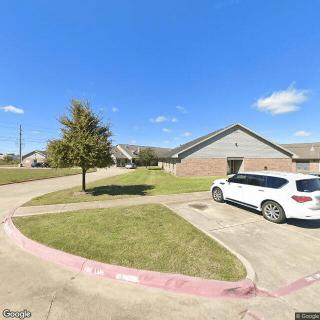
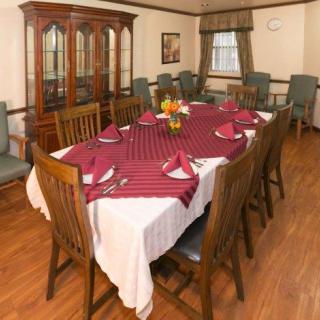
  • Kissito Post Acte Cane Island

    Kissito Post Acte Cane Island

    Katy, TX

    4.2 from 110 reviews
     

    pro Qualified staff and on-site therapy praised by several families.

  • Mason Creek Transitional Care

    Mason Creek Transitional Care

    Katy, TX

    4.1 from 106 reviews
     

    pro Vibrant, amenity-rich community with restaurant-style dining and comprehensive care services.

  • The Reserve at Katy

    The Reserve at Katy

    Katy, TX

    4.4 from 133 reviews
    $3,535 to $6,790 / month

    pro Warm, welcoming community with friendly staff, engaging activities, and clean, spacious living spaces.

  • Evergreen Cottages Provincial - Magnolia Cottage

    Evergreen Cottages Provincial - Magnolia Cottage

    Katy, TX


    pro Homelike cottages with 24/7 supervision, daily living assistance, and diabetes-friendly dining.

  • Evergreen Cottages Jasmine Cottage

    Evergreen Cottages Jasmine Cottage

    Katy, TX

    4.8 from 19 reviews
    $4,895 to $5,895 / month

    pro Caring staff in a clean, home-like environment with engaging activities.

  • Evergreen Cottages Magnolia

    Evergreen Cottages Magnolia

    Katy, TX

    4.7 from 20 reviews
    $4,695 to $5,695 / month

    pro Warm, welcoming community with attentive staff and engaging activities.

  • The Legacy at Falcon Point

    The Legacy at Falcon Point

    Katy, TX

    4.5 from 101 reviews
    $3,995 to $5,495 / month

    pro Caring staff; clean, engaging environment.

  • Sunrise Of Cinco Ranch

    Sunrise Of Cinco Ranch

    Katy, TX

    4.6 from 157 reviews
    $5,340 to $7,170 / month

    pro Friendly staff and a warm, engaging environment with diverse dining and activities.

Related Resources

  • fecal incontinenceFecal Incontinence in Older Adults: A Comprehensive Guide

    Fecal incontinence, prevalent among older adults, arises from factors like weakened pelvic muscles and nerve damage, significantly affecting well-being and social interactions. Diagnosis involves clinical evaluation and tests to inform tailored treatments, while caregivers and preventive measures can aid in managing the condition effectively.

  • anticipatory griefRecognizing the Journey: Understanding and Navigating Anticipatory Grief

    Anticipatory grief is an emotional response to the impending loss of a loved one, characterized by complex emotions such as sadness and anger, and involves navigating stages similar to those identified by Kübler-Ross. Coping strategies are vital for managing this process, emphasizing compassionate communication, self-care, and support groups while recognizing the cultural influences on grieving.

  • adult day careEncouraging Participation in Adult Day Care: A Guide to Supporting a Hesitant Parent

    Adult day care programs offer essential support and activities for older adults, yet many hesitate to participate due to concerns about independence and stigma. To alleviate these apprehensions, families should facilitate open discussions, explore financial resources, suggest trial visits, and collaborate with healthcare providers to highlight the benefits of such services for both the participants and their caregivers.