Oakmont Healthcare And Rehabilitation Center Of Humble
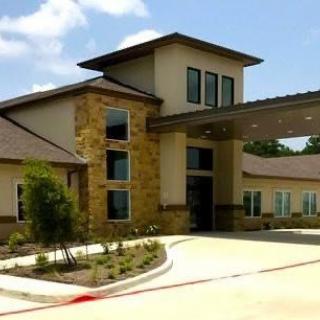
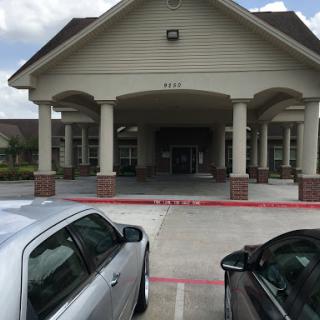
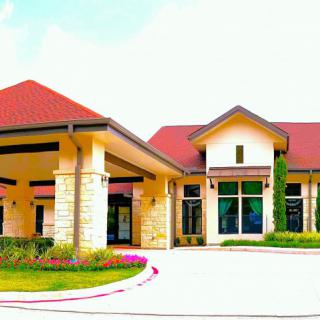
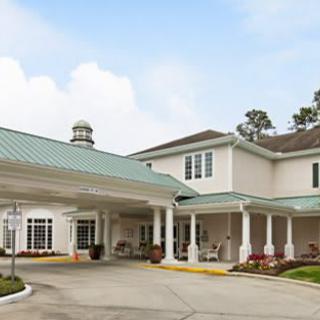
Oakmont Healthcare And Rehabilitation Center Of Humble is a nursing home community in Humble, TX.
Information last verified:
8450 Will Clayton Parkway, Humble, TX 77338
For more information about senior living options: (866) 208-4318
3.4 from 49 reviews
5 stars
26
4 stars
2
3 stars
3
2 stars
0
1 stars
18
Overall Review of Oakmont Healthcare And Rehabilitation Center Of Humble
common9 reviews mention this
Clean building and caring staff
Residents and families repeatedly mention a clean facility and attentive staff.
Several reviews describe a facility that feels clean, well kept, and comfortable. Families also say staff members treat residents with care, respect, and patience, and that it provides peace of mind for visitors. A few comments also note improvements under newer leadership, with better focus on resident wellbeing. Overall, cleanliness and day-to-day staff support show up as consistent positives across multiple experiences.
common7 reviews mention this
Food quality, with mixed nutrition
Dining is a standout for some, but other residents report cold or insufficient meals.
Some reviews praise the food as wonderful, tasty, and served with good service, and a few mention snacks in the evening and meals provided with patience. Others report that food comes cold, arrives incomplete, or falls short on nutrition and fullness. That contrast shows up in feedback from both day-to-day meal experiences and specific incidents where residents or family members had to intervene. Dining quality therefore seems inconsistent from reviewer to reviewer.
common4 reviews mention this
Activities help residents stay engaged
Residents are described as having activities and outings that keep them involved.
A number of reviews mention organized activities and programs that help keep residents engaged, along with community-style events. Families also describe holiday celebrations and local involvement that give residents something to look forward to. Some comments add that the facility takes patients on outings, and that residents have access to evening snacks as part of the routine. While experiences vary overall, activities and engagement are a recurring point in the reviews.
caveat6 reviews mention this
Staffing and call response concerns
Call response and staffing levels are recurring concerns in the reviews.
Several negative reviews describe delayed or unresponsive help when residents press call buttons, including situations where help took hours. Other comments focus on staffing shortages, describing residents left without timely assistance for care needs and meals. A separate thread of feedback mentions difficulty getting in touch by phone and reports that requests around appointments did not go as expected. Taken together, multiple reviewers raise concerns about whether staffing is sufficient and responsive when help is needed.
How we summarize
Counts show how many written reviews mention each theme; a review can touch several themes, and only frequently mentioned themes are displayed.
Features
Housing
134 resident community capacity
Types of Care
Skilled Nursing Facility
Amenities
Air-conditioning
Beauty salon
Cable or satellite TV
Computer center
Dining room
Fitness room
Fully furnished
Gaming room
Garden
Housekeeping services
Kitchenette
Move-in coordination
Outdoor space
Private bathrooms
Restaurant-style dining
Small library
Telephone
Wellness center
Wi-Fi/high-speed internet available
Transportation
George Bush Intercontinental (5 miles away)
William P X (23 miles away)
Community operated transportation
Transportation arrangement
Transportation arrangement (non-medical)
Transportation to doctors appointments
Care Services
12-16 hour nursing
24-hour call system
24-hour supervision
Activities of daily living assistance
Assistance with bathing
Assistance with dressing
Assistance with transfers
Diabetes diet
Meal preparation and service
Medication management
Mental wellness program
Special dietary restrictions
Dining
Diabetes diet
Special dietary restrictions
Activities
Community-sponsored activities
Concierge services
Fitness programs
Planned day trips
Resident-run activities
Scheduled daily activities
Nearby Places of Interest
Restaurants
Waffle House (0.5 miles)
McDonald's (0.6 miles)
Popeyes Louisiana Kitchen (0.6 miles)
Waffle House (1.4 miles)
Denny's (1.6 miles)
Chick-Fil-A (1.8 miles)
Pappasito's Cantina (2.1 miles)
Pharmacies
Omnicare (1.3 miles)
Walgreens (2.3 miles)
CVS Pharmacy (2.9 miles)
Walmart Pharmacy (3 miles)
Walgreens (3 miles)
Walgreens (3.1 miles)
CVS Pharmacy (4 miles)
Physicians
Ne Pediatrics (1.5 miles)
Vital Heart & Vein (1.7 miles)
Kinghaven Counseling Group (1.8 miles)
Integrity Family Healthcare (1.9 miles)
Texas Orthopedic & Physical Medicine (2.1 miles)
Texas Children's Specialty Care Eagle Springs (4.2 miles)
Oakmont Healthcare And Rehabilitation Center Of Humble is located at 8450 Will Clayton Parkway, Humble, TX 77338 in Harris County, Texas
Nearby Communities
Assisting Hands Humble
Humble, TX
5 from 4 reviews
Strong access to healthcare and dining nearby.
Focused Care At Humble
Humble, TX
3.7 from 72 reviews
Private, furnished rooms with private bathrooms and extensive amenities (dining, wellness, activities).
Crimson Heights Health & Wellness
Humble, TX
3 from 46 reviews
Comprehensive on-site amenities and 24/7 staff.
Park Manor Of Humble
Humble, TX
3.6 from 131 reviews
Compassionate staff and strong rehabilitation services with motivated therapists; renovations have improved atmosphere, and there is a broad range of amenities and activities.
Crimson Heights
Humble, TX
2.7 from 50 reviews
$1,750 to $3,500 / month
Clean, modern facility with friendly staff and on-site activities.
Deerbrook Skilled Nursing And Rehab Center
Humble, TX
3.7 from 102 reviews
Extensive on-site amenities and 24/7 care with daily living support.
The Bradford Memory Care
Humble, TX
4.9 from 39 reviews
$3,900 to $5,600 / month
Compassionate staff, engaging activities, and restaurant-style dining.
Reunion Court of Kingwood
Kingwood, TX
4.2 from 184 reviews
$1,875 to $2,695 / month
Friendly staff, good cleanliness, and engaging activities.
Watercrest at Kingwood Garden Village
Kingwood, TX
5 from 23 reviews
$1,825 to $3,700 / month
Vibrant community with extensive amenities and activities.
Palliative care enhances the quality of life for seriously ill patients by providing comprehensive support at home through a multidisciplinary team, addressing various needs and prioritizing comfort over curative treatments. While it offers personalized care and involves family in decision-making, challenges like caregiver stress and logistical issues persist, with growing demand prompting advancements in technology and healthcare policies to improve access.
Palliative home care focuses on improving the quality of life for individuals with serious illnesses by providing comfort, symptom management, and emotional support in their own homes. This approach includes personalized care plans, regular assessments, and resources for family caregivers, all while prioritizing person-centered treatment that aligns with patients' goals.
Skilled nursing facilities (SNFs) provide high-level medical care and rehabilitation for short-term recovery, typically covered by Medicare after hospitalization, while nursing homes focus on ongoing custodial care for chronic conditions, mainly funded by Medicaid or private payments. The staffing and regulatory structures differ significantly between the two, necessitating clarity for families in choosing appropriate long-term care options.
Get PricingAsk A QuestionSchedule A TourContact Senior Advisor
By clicking submit, you agree to our Partner's Terms of Use. You
also consent to receive calls and texts, which may be autodialed, from our Partner. Your consent is not a condition to
using our Partner's service. Please visit our Partner's Privacy Policy for information about their privacy practices.

 134 resident community capacity
 Skilled Nursing Facility
 Air-conditioning
 Beauty salon
 Cable or satellite TV
 Computer center
 Dining room
 Fitness room
 Fully furnished
 Gaming room
 Garden
 Housekeeping services
 Kitchenette
 Move-in coordination
 Outdoor space
 Private bathrooms
 Restaurant-style dining
 Small library
 Telephone
 Wellness center
 Wi-Fi/high-speed internet available
 George Bush Intercontinental (5 miles away)
 Community operated transportation
 12-16 hour nursing
 24-hour call system
 Activities of daily living assistance
 Assistance with bathing
 Assistance with dressing
 Assistance with transfers
 Diabetes diet
 Medication management
 Mental wellness program
 Special dietary restrictions
 Concierge services
 Planned day trips
 Strong access to healthcare and dining nearby.
 Exploring Palliative Care in the Home: A Comprehensive Overview
 Comprehensive Insights into Palliative Home Care: What It Is and What to Expect
 Skilled Nursing Facilities vs. Nursing Homes: Making Sense of the Differences