Houston Transitional Care

Save

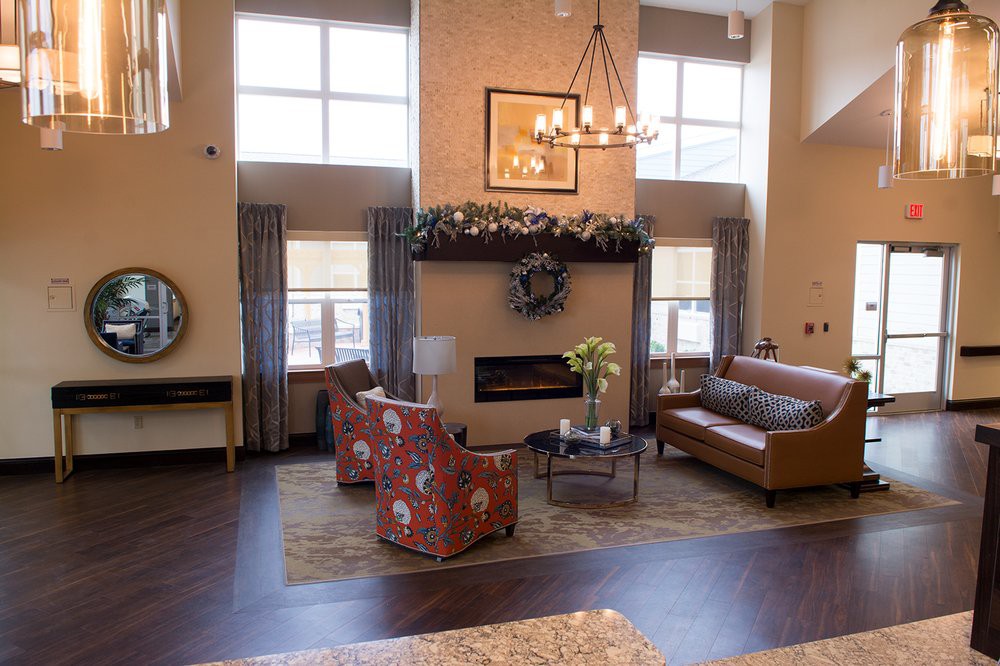
  • Interior

    A modern lobby area with a reception desk, comfortable seating, and stylish decor.
  • Decor

    A modern living room featuring a cozy seating arrangement with a sofa and armchair, centered around a fireplace and illuminated by a chandelier.
  • Living Room

    A cozy living room with elegant furniture and a fireplace.
  • Building

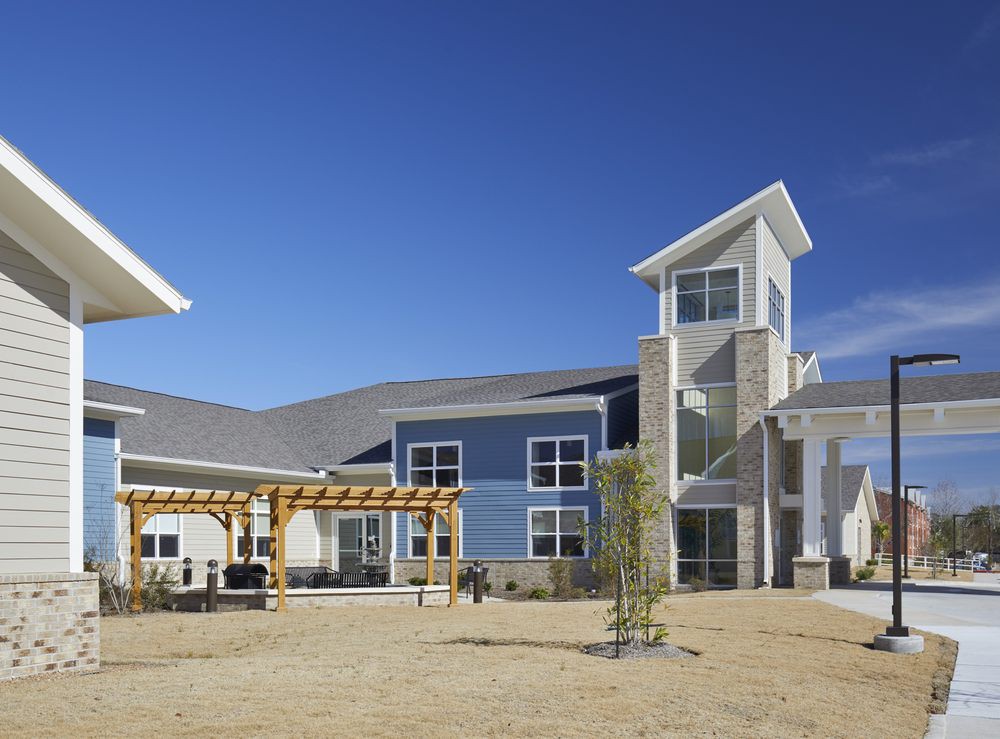
    A modern residential building with a blue sky backdrop.
  • Architecture

    A modern school building with a covered driveway under a cloudy sky.
  • Bedroom

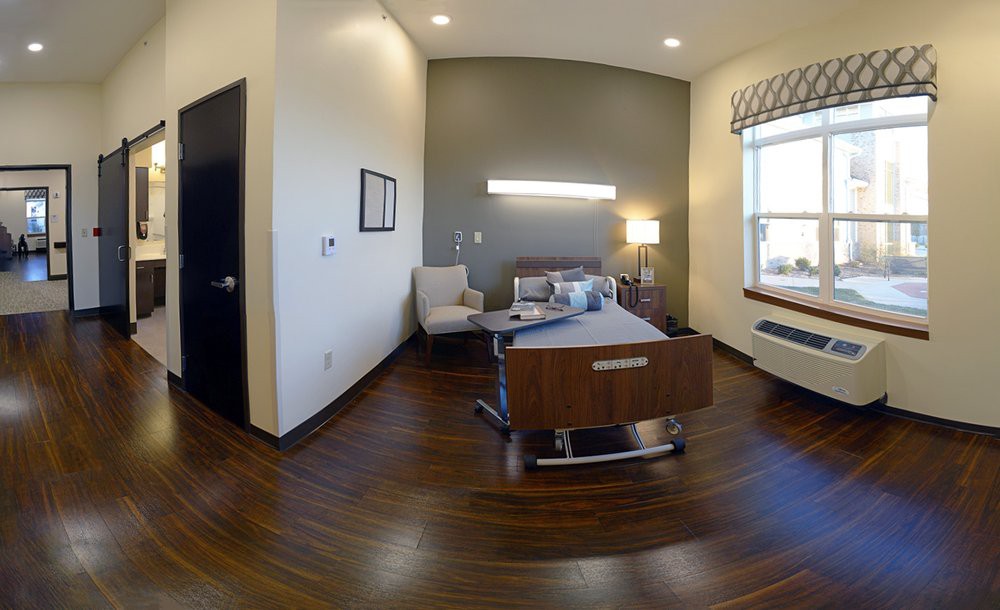
    A modern hospital room with a single bed, chair, and warm lighting.
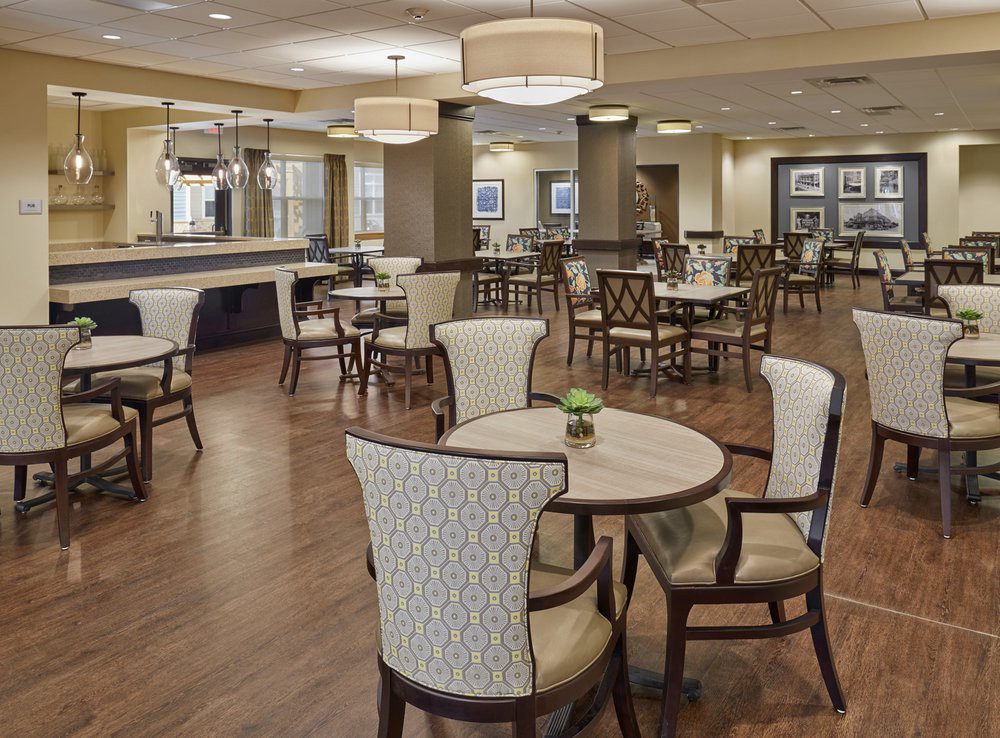
  • Dining

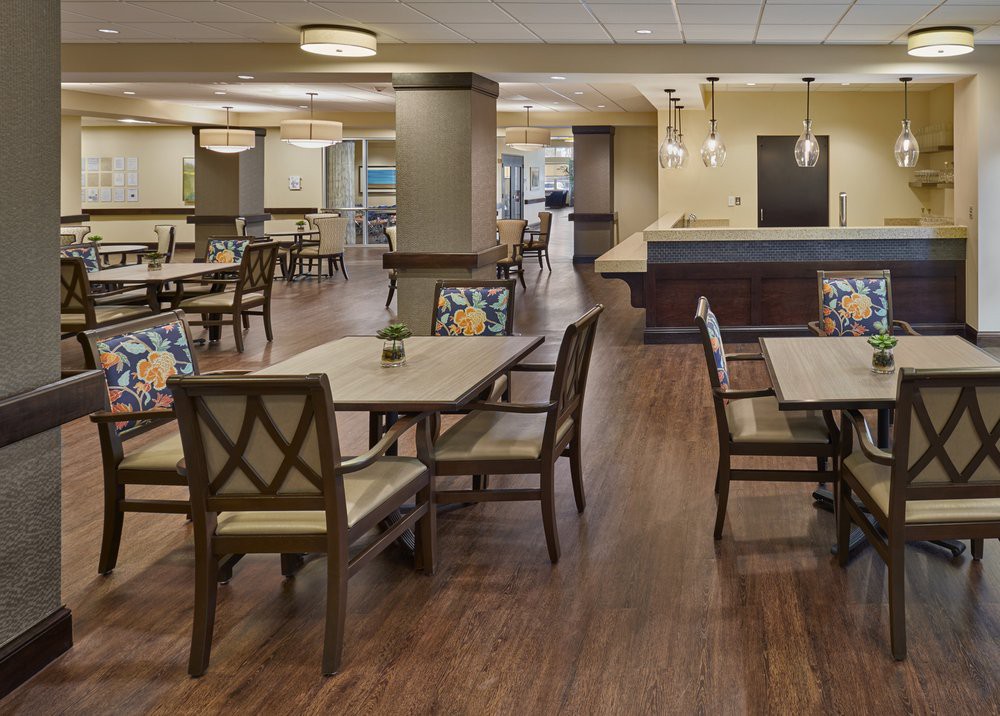
    A spacious dining area with elegant chairs and tables, featuring ambient lighting and a wooden floor.
  • Landscaping

    A sunny view of a building with palm trees and a putting green in the foreground.
  • Kitchen

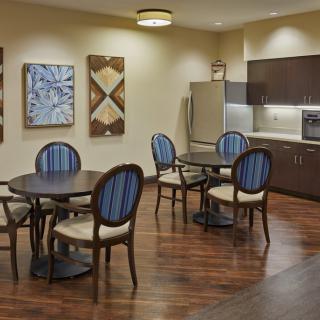
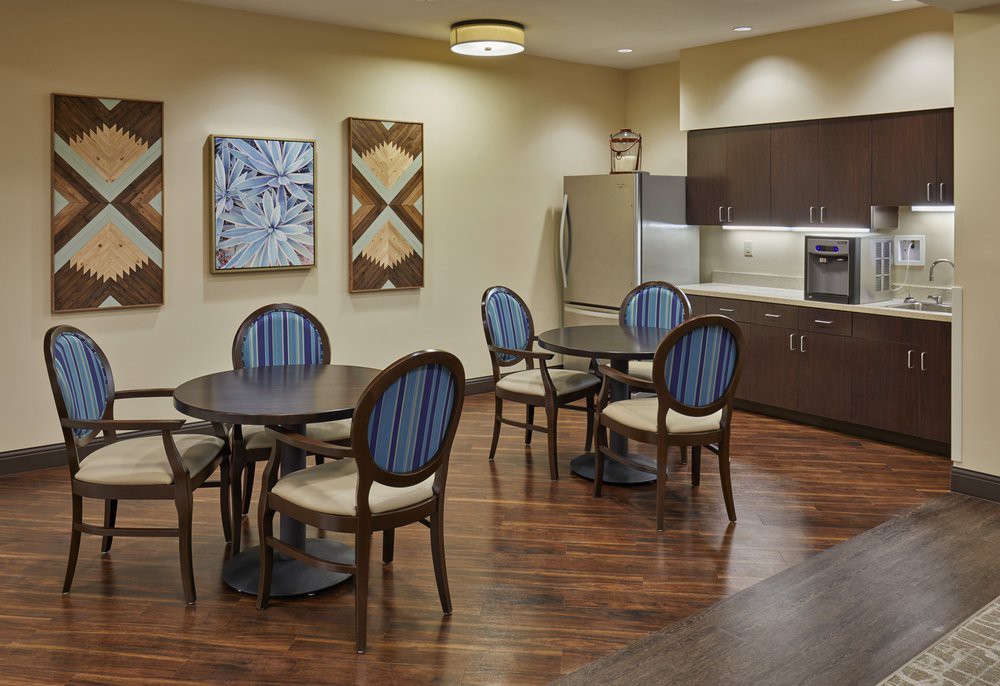
    A modern kitchen and dining area with stylish furniture and artwork on the walls.
  • Lighting

    A contemporary dining room with a large wooden table, stylish chairs, decorative artwork, and an elegant mirror.
  • Entrance

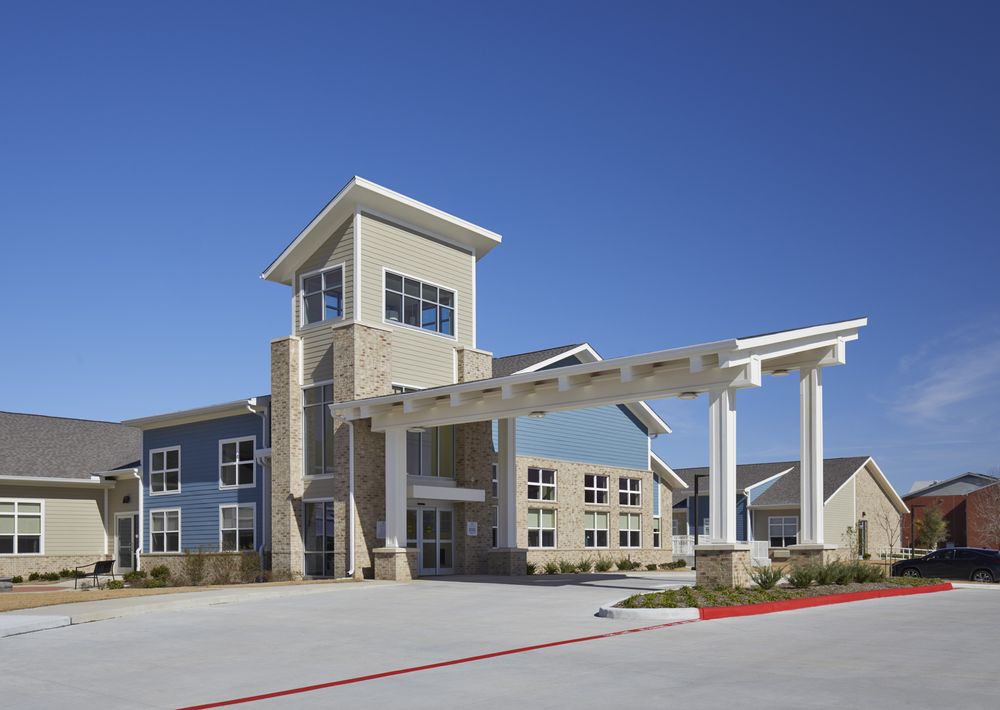
    A modern building with a prominent entrance and clear blue sky in the background.
  • Artwork

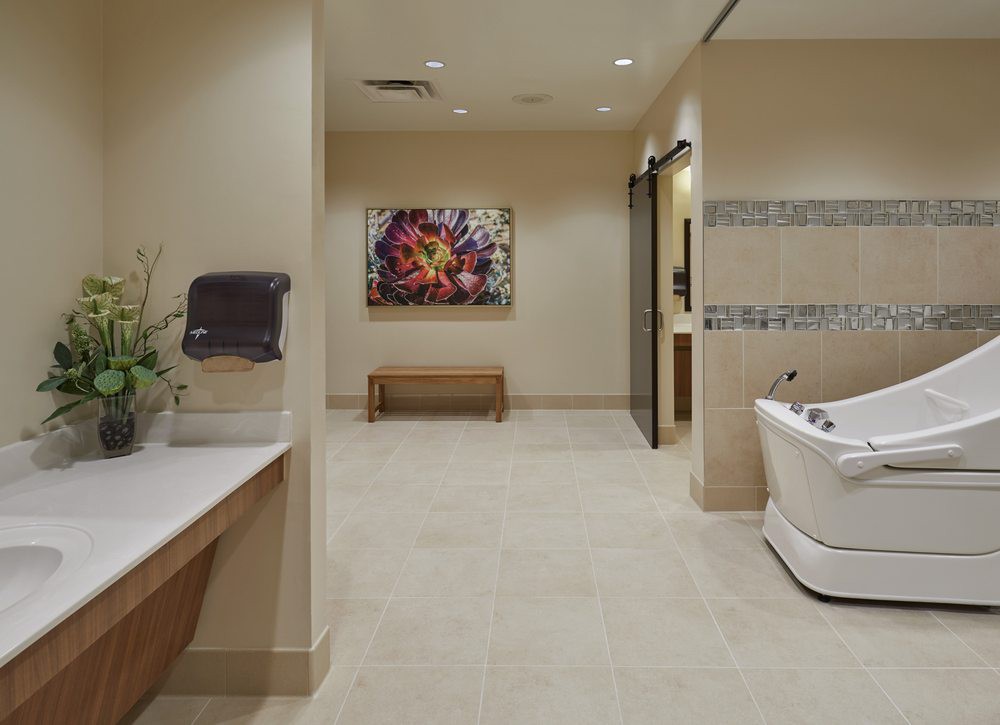
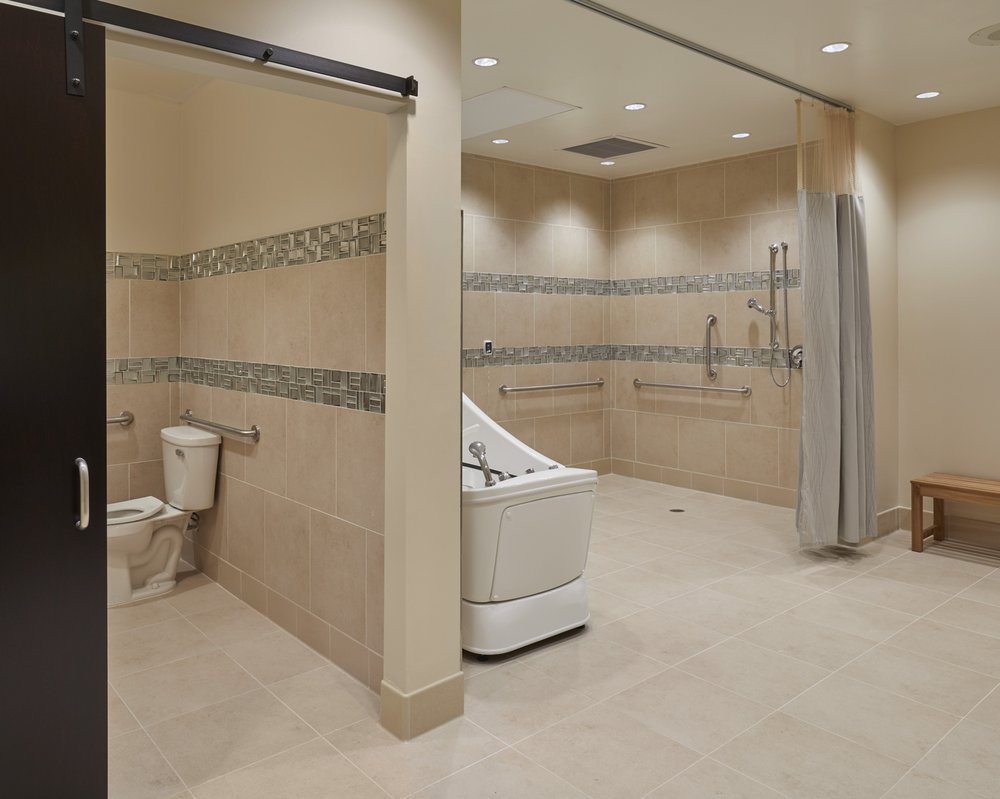
    A luxurious and modern bathroom with a spa-like atmosphere, featuring elegant decor and a large bathtub.
  • Bathroom

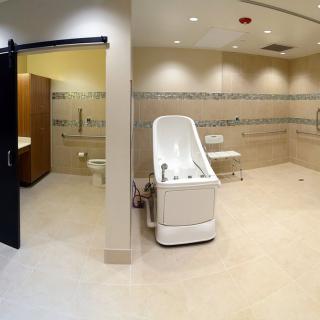
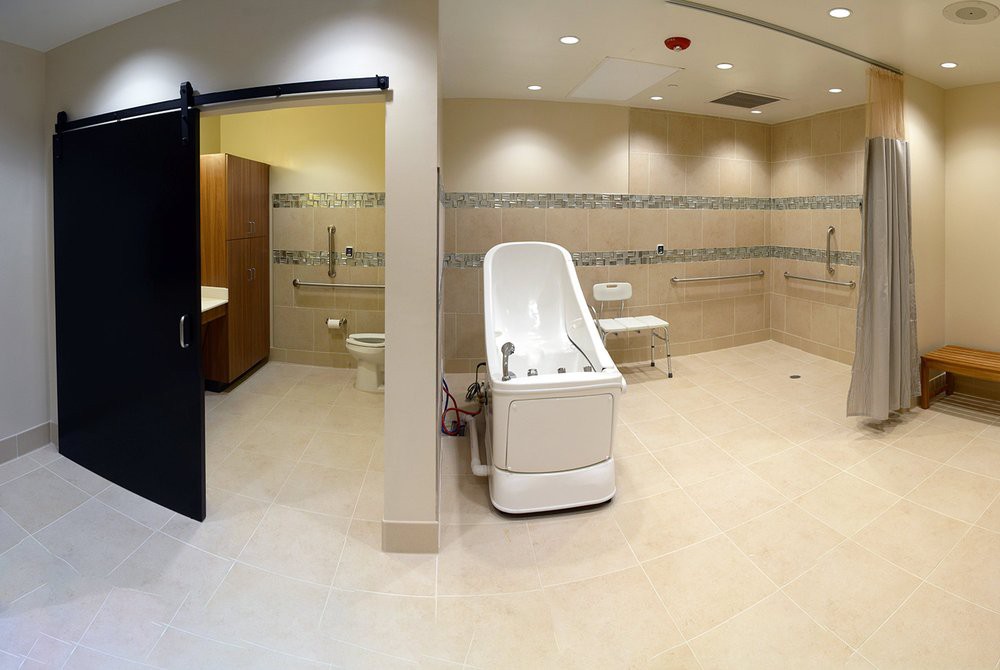
    An accessible bathroom in a medical facility, equipped with a specialized bathtub and other necessary amenities.
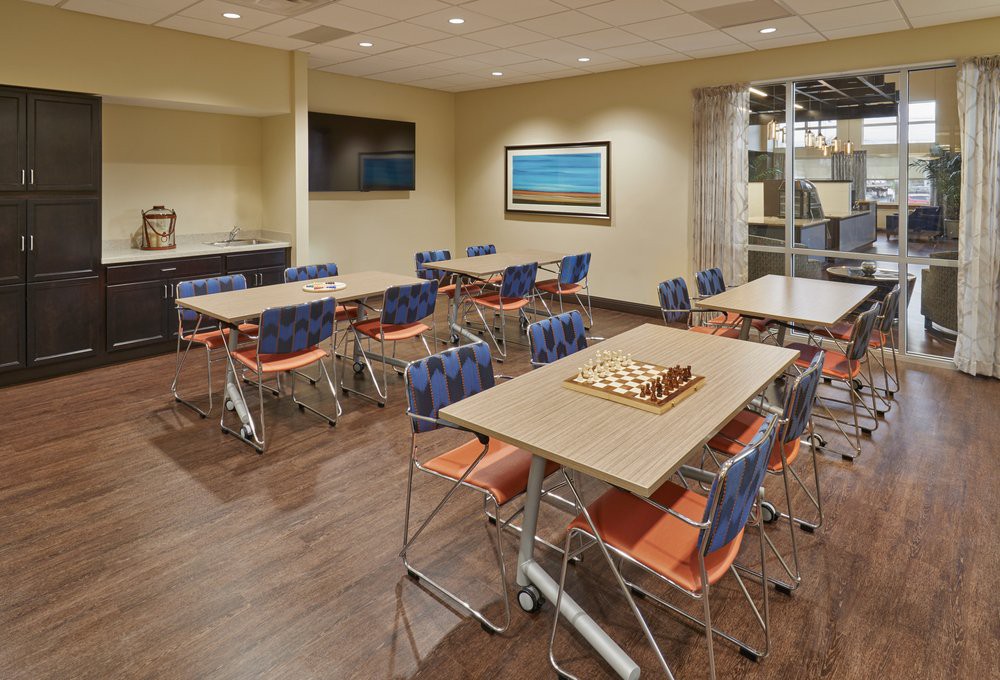
  • Television

    A modern conference room with tables, chairs, and a television on the wall.

Houston Transitional Care

8550 Jason Street, Houston, TX 77074

For more information about senior living options: (844) 490-3973

3.8 from 100 reviews
5 stars
67
4 stars
3
3 stars
1
2 stars
5
1 stars
24

Skilled Nursing Facility

What level of care are you interested in?

Assisted Living

Memory Care

Independent Living

Skilled Nursing Facility

Continuing Care Retirement Community (CCRC)CCRC

Other


Request a tour at Houston Transitional Care

    Overall Review of Houston Transitional Care

    Pros

    • pro The facility is described as excellent with very nice staff and nurses.
    • pro The activity director, Miss Chelsey, is highly active with clients and consistently encourages participation in activities.
    • pro The care is praised for great attention to detail, with a hotel-like cleanliness and a spotless appearance.
    • pro Several reviewers say they would highly recommend the facility.
    • pro The nursing and therapy teams are acknowledged for timely medications, kind care, and overall professionalism.
    • pro Specific staff members receive positive notes: Steven, Tina, and Shareef; Tee; Comfort; Adriana; Michael; Kim; Angie; Keeley; Kadian; Cynthia; Alexis; and Lashonda.
    • pro PT/OT and speech therapy are described as good, with rehab progress and support highlighted.
    • pro Receptionists are noted as welcoming and helpful, creating a warm first impression.
    • pro Private rooms and family-friendly policies are appreciated, making it possible to stay with loved ones when needed.

    Cons

    • pro The facility did not greet or discuss the father's needs with a supervisor or nurse on admission.
    • pro The night shift nurse failed to provide a straight catheter for more than 12 hours, despite explicit orders.
    • pro A new nurse claimed there was no order for a straight catheter until 9 am.
    • pro It took 30 minutes for an aide to reach the father's room after the call button was pressed.
    • pro The father's bladder remained unrelieved from 5:00 pm until 9:00 am the next morning.
    • pro Staff did not read the chart indicating a 6-hour straight-catheter schedule.
    • pro The family felt ghosted and unacknowledged after admission.
    • pro The administrator Ahmad is described as completely terrible and disrespectful.
    • pro There was unacceptable behavior from Charge Nurse Joseph, including a rude, dismissive attitude and failure to share his name.

    Review

    A picture emerges of a rehabilitation and transitional care facility that many visitors praise for its warm, hotel-like environment and for the energy of its staff, even as other guests recount serious lapses in care and communication. On the praising side, the staff are widely described as kind, attentive, and engaged in helping patients reclaim their strength and independence. The activity director, Miss Chelsey, is singled out as especially active with the clients, routinely encouraging participation in a wide range of activities - from bingo and crafts to movies and guided fitness routines. Families note that the area feels welcoming, and that the staff consistently check in on patients' well-being, often brightening what might otherwise be a routine day. The general atmosphere is described as clean, pleasant, and well maintained, with mentions of a pleasant smell and a neat, hotel-like appearance that leaves visitors feeling comfortable during tours and visits.

    When it comes to the people delivering care, several names repeatedly surface with high praise. Nurses, therapists, and aides are described as competent and compassionate in many accounts. Specific staff members earn commendations for their professionalism and bedside manner: Steven, Tina, and Shareef are highlighted for timely medication administration, while the therapists - Kadian in physical therapy, Tee for motivation, and the speech team including Comfort, Adriana, and Michael - are praised for their dedication and effectiveness. Keeley, described as a compassionate night supervisor, and Cynthia, the receptionist who is consistently friendly and welcoming, are also cited as making a positive impact on patients and families. The sense conveyed by these testimonials is that, for many residents, the rehab and therapy components function well and contribute significantly to progress and morale.

    Yet, amid the praise, the narratives reveal troubling incidents that cast a shadow over the overall experience. One family describes a sequence labeled "Neglect" that began with a loved one arriving at 5 p.m. and never being greeted by a head of staff or nurse to discuss needs. An aid attended to the patient, but the core concern was a critical failure to manage a straight catheterization schedule. The family reports that the patient was supposed to be catheterized every six hours, yet the bladder remained unrelieved for hours - from 5 p.m. until an ambulance transported the patient to the VA at 9 a.m. the following morning. They recount that the night-shift nurse did not have an order for the straight catheter after 12 hours, and that a new nurse the next morning claimed there was no order until 9 a.m. The frustration is palpable, underscoring a fear that important orders and timely interventions may be neglected, with life-safety consequences.

    Compounding these concerns, another account describes a delay in response to a call button, with it taking about 30 minutes for an aid to reach the patient's room. The reviewer suspects that staff did not read the chart indicating the need for a six-hourly straight catheter and notes that the patient's needs were not promptly recognized or acted upon. In this account, the patient and family felt compelled to monitor the care by placing their own camera in the room to document what happened, underscoring a sense of mistrust and the fear that important details might be missed or ignored.

    Interwoven with these experiences are reports about specific personnel behaviors that have caused distress. One family recounts a confrontation with an administrator they describe as "completely terrible," noting disrespectful and dismissive interactions that undermine trust. There is also a particularly troubling incident involving a charge nurse named Joseph. The reviewer describes an encounter where Joseph refused to acknowledge the family member seeking assistance, turned away as if invisible, and responded with sarcasm when asked a direct question. The family member reports that Joseph refused to share his name, and that follow-up with the supervisory chain yielded little response, leaving them feeling dismissed and unsupported. The account includes a strong statement about reporting the behavior to the Texas Board of Nursing and a broader concern about how such treatment could affect vulnerable patients under his care.

    These negative experiences are tempered by additional stories of inconsistent yet real improvements. Some patients and families acknowledge that, while the early days can be rough and the facility can feel short-staffed, progress often emerges in the rehabilitation program. There are mentions of falls and moments of high intensity that understandably contribute to anxiety among families, but there are also sentiments that the therapists and nursing staff do their jobs well once a patient is engaged in therapy and medication routines are managed efficiently. The overarching message from these accounts is that, despite staffing challenges and communication gaps, the rehabilitation staff can deliver meaningful gains, and that the environment's warmth and the potential for professional growth among staff keep the facility in a generally positive light.

    In personal narratives of hope and recovery, several patients describe meaningful improvements that reinforce the facility's strengths. A patient who identifies as currently receiving care at the center notes a welcoming atmosphere from the reception staff, the kindness of Keeley the night supervisor, and the remarkable impact of physical therapy. The patient credits Kadian the physical therapist with helping them regain strength, expressing gratitude for the support that has made their transition more bearable. Another account highlights the value of private rooms and the opportunity to stay overnight with a family member when needed, creating a sense of comfort and safety during antibiotic treatment and therapy. From these voices, the facility emerges as one capable of delivering quality rehabilitation and a degree of familial warmth that makes it possible for patients to feel seen and supported in difficult times.

    Taken together, the reviews form a multifaceted portrait of a facility that can be both a source of comfort and a place of concern. The staff's dedication to engaging patients in meaningful activity, the visible commitment of therapists and nurses to recovery, and the calm, clean environment are clear strengths that many families rely on during challenging health journeys. At the same time, the accounts raise important questions about consistency in safety protocols, timely response to patient needs, and the behavior of certain leaders within the facility. The experiences underscore the importance of diligent advocacy by families, careful attention to orders and medical schedules, and proactive communication with administrators and nursing leadership to ensure that high-quality care is not compromised by gaps in oversight or supervision.

    Ultimately, the facility shines when it comes to motivating patients to participate in rehabilitation, providing compassionate bedside care, and maintaining a welcoming, hotel-like atmosphere. It also reveals that success in this setting hinges on robust nursing coverage, meticulous adherence to treatment orders, and respectful, transparent leadership - areas where improvements could meaningfully elevate the overall standard of care. For families navigating the transition, the message is clear: the staff can be extraordinary partners in recovery, but staying actively involved, asking questions, and advocating for your loved one remains essential. With continued attention to safety, communication, and professional conduct, the place has the potential to fulfill its promise of rehabilitating patients while preserving the dignity and well-being of every resident.

    Features

    Housing

    • 70 resident community capacity 70 resident community capacity

    Types of Care

    • Skilled Nursing Facility Skilled Nursing FacilitySkilled Nursing Facilities are crucial for seniors as they provide round-the-clock medical care, rehabilitation services, and assistance with daily activities. These facilities ensure that seniors receive the specialized care they need to maintain their health and well-being as they age.

    Amenities

    • Air-conditioning Air-conditioningAir conditioning is important for seniors as they are more vulnerable to heat-related illnesses and may have underlying health conditions that make it difficult for them to regulate their body temperature. It helps to keep them comfortable, safe, and healthy in hot weather.
    • Beauty salon Beauty salonBeauty salons are important for seniors because they provide a space for them to feel pampered, socialize, and maintain their personal grooming and hygiene. Regular visits to a beauty salon can help boost seniors' self-esteem and overall well-being.
    • Cable or satellite TV Cable or satellite TVCable or satellite TV is important for seniors because it provides entertainment, news, and companionship, helping to combat loneliness and boredom. It also offers a wide range of programming options tailored to different interests and preferences.
    • Computer center Computer centerA computer center is essential for seniors as it provides access to technology, communication tools, and resources that can enhance their daily lives. It allows them to stay connected with loved ones, engage in online activities, and learn new skills, ultimately promoting socialization and mental stimulation.
    • Dining room Dining roomDining rooms are important for seniors as they provide a space for socialization, connection, and nutritious meals. They offer opportunities for residents to bond over shared meals, foster a sense of community, and promote healthy eating habits. Dining rooms also ensure that seniors have access to well-balanced meals tailored to their dietary needs and preferences.
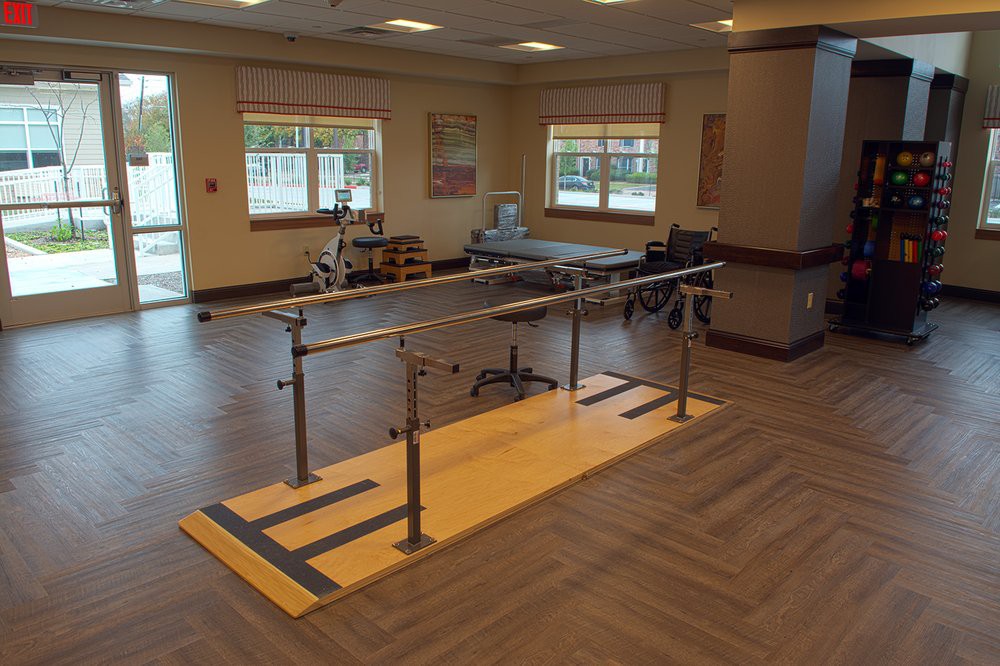
    • Fitness room Fitness roomHaving a fitness room in a senior living community is essential for seniors to stay active, maintain their physical health, and improve their overall well-being. Regular exercise can help prevent falls, reduce the risk of chronic diseases, and promote mental sharpness. It also provides social opportunities for residents to connect with others and enjoy a sense of community.
    • Fully furnished Fully furnishedFully furnished senior living communities are important for seniors because they provide convenience, comfort, and a hassle-free moving experience. Seniors can easily settle into their new living space without the stress of having to buy and move furniture. This allows them to focus on enjoying their new home and community.
    • Gaming room Gaming roomGaming rooms are important for seniors as they provide a fun and engaging environment for socializing, cognitive stimulation, and physical activity. Games can improve memory, problem-solving skills, and overall mental well-being while fostering friendships and reducing feelings of isolation.
    • Garden GardenGardens are important for seniors as they provide a peaceful and therapeutic environment for relaxation, physical activity, and socialization. Being in nature has been shown to reduce stress, improve mood, and promote overall well-being. Gardens also offer opportunities for seniors to engage in gardening activities, which can improve mobility, flexibility, and cognitive function. Additionally, gardens create a sense of community and connection with others who share a passion for plants and outdoor spaces.
    • Housekeeping services Housekeeping servicesHousekeeping services are important for seniors because they help maintain a clean and safe living environment, promote independence, and reduce the risk of accidents or illnesses. Additionally, having assistance with household chores can alleviate physical strain and allow seniors to focus on other aspects of their well-being.
    • Kitchenette KitchenetteKitchenettes are important for seniors living in senior living communities because they provide the convenience and independence of being able to prepare simple meals and snacks in the comfort of their own living space. This can help promote a sense of autonomy and well-being for seniors, allowing them to maintain some level of control over their dietary choices and daily routines.
    • Move-in coordination Move-in coordinationMove-in coordination is important for seniors because it helps ease the transition into their new living environment. It ensures that all logistics, such as packing, organizing movers, and setting up utilities are taken care of, allowing seniors to focus on settling in and adjusting to their new home. Having a smooth move-in process can alleviate stress and anxiety, making the transition smoother and more enjoyable for seniors.
    • Outdoor space Outdoor spaceOutdoor spaces are important for seniors as they provide opportunities for physical activity, social interaction, exposure to natural light and fresh air, and a sense of connection to nature. Having access to outdoor spaces can improve overall well-being and quality of life for older adults living in senior communities.
    • Private bathrooms Private bathroomsPrivate bathrooms are important for seniors in senior living communities because they provide independence, dignity, and comfort. Having a private bathroom allows seniors to maintain their personal hygiene routines without the need for assistance, promoting a sense of autonomy and privacy. Additionally, private bathrooms help prevent the spread of infections and provide a safe and clean environment for seniors to navigate safely.
    • Restaurant-style dining Restaurant-style diningRestaurant-style dining is important for seniors because it allows them to enjoy delicious, nutritious meals in a social and upscale setting. This enhances their dining experience, promotes healthy eating habits, and fosters socialization with fellow residents, ultimately contributing to their overall well-being and quality of life.
    • Small library Small librarySmall libraries are important for seniors as they provide access to a variety of reading materials, including books, newspapers, and magazines. This can help stimulate their minds, keep them engaged, and provide a sense of community through book clubs and other social activities. Additionally, reading has been shown to improve cognitive function and overall mental well-being in older adults.
    • Telephone TelephoneTelephones are important for seniors as they provide a lifeline for communication with loved ones, emergency services, and healthcare providers. They offer a sense of security and independence, enabling seniors to stay connected and access assistance when needed.
    • Wellness center Wellness centerWellness centers are important for seniors because they offer a variety of programs and services that promote physical, mental, and emotional well-being. These centers provide opportunities for exercise, socialization, education, and relaxation, helping seniors maintain their overall health and quality of life.
    • Wi-Fi/high-speed internet available Wi-Fi/high-speed internet availableWi-Fi/high-speed internet is important for seniors to stay connected with loved ones, access online resources, and participate in virtual activities to combat feelings of loneliness and isolation. It also allows them to easily manage healthcare needs, access entertainment, and engage in lifelong learning opportunities.

    Transportation

    • William P X (15 miles away) William P X (15 miles away)
    • George Bush Intercontinental (23 miles away) George Bush Intercontinental (23 miles away)
    • Community operated transportation Community operated transportationCommunity operated transportation is crucial for seniors as it provides them with the means to access essential services, social activities, and medical appointments. It allows seniors to maintain their independence and quality of life by ensuring they can participate in activities outside of their homes. Additionally, community-operated transportation services offer a safe and reliable way for seniors to travel without having to rely on family or friends for assistance.
    • Transportation arrangement Transportation arrangementTransportation arrangements are crucial for seniors as they may face challenges with driving, mobility, or access to public transportation. Having reliable transportation services ensures that seniors can easily attend appointments, social activities, and maintain their independence and quality of life.
    • Transportation arrangement (non-medical) Transportation arrangement (non-medical)Transportation arrangements are essential for seniors as they provide access to essential services, activities, and social interactions outside the home. This service helps maintain independence, mobility, and overall well-being for seniors who may have limited transportation options.
    • Transportation to doctors appointments Transportation to doctors appointmentsTransportation to doctors appointments is crucial for seniors as it ensures they have access to necessary medical care and support, promoting their health and well-being. It allows them to receive timely treatment, monitor existing conditions, and address any new health concerns efficiently. Additionally, transportation services can help seniors maintain their independence and quality of life by enabling them to stay connected with their healthcare providers.

    Care Services

    • 12-16 hour nursing 12-16 hour nursing12-16 hour nursing care is crucial for seniors in order to ensure around-the-clock monitoring, timely medication administration, and prompt response to any health concerns or emergencies. This level of care helps to promote the overall well-being and safety of seniors living in senior living communities.
    • 24-hour call system 24-hour call system24-hour call systems are important for seniors because they provide peace of mind and immediate assistance in case of emergencies. This technology ensures that help is always available, promoting safety and security for elderly individuals living alone or in assisted living facilities.
    • 24-hour supervision 24-hour supervision24-hour supervision is important for seniors to ensure their safety, well-being, and access to immediate assistance in case of emergencies or health issues. This constant support provides peace of mind for both seniors and their loved ones, allowing them to age in place with dignity and security.
    • Activities of daily living assistance Activities of daily living assistanceActivities of daily living assistance are important for seniors because they provide essential support with tasks such as eating, bathing, dressing, and mobility. This assistance helps seniors maintain their independence, dignity, and overall quality of life as they age.
    • Assistance with bathing Assistance with bathingAssistance with bathing is crucial for seniors as it helps maintain personal hygiene, prevents infections, and ensures their overall well-being and comfort. It also provides a sense of dignity and independence for seniors who may struggle with this task on their own.
    • Assistance with dressing Assistance with dressingAssistance with dressing is important for seniors because it helps maintain their independence, promotes personal hygiene, prevents accidents and injuries, and improves overall quality of life. This service ensures that seniors can continue to dress comfortably and confidently, despite any physical limitations they may have.
    • Assistance with transfers Assistance with transfersAssistance with transfers is crucial for seniors as it helps prevent falls and injuries, maintains their independence, and ensures they can safely navigate their living environment. It also provides peace of mind for both seniors and their loved ones.
    • Diabetes diet Diabetes dietA diabetes diet is crucial for seniors as it helps manage blood sugar levels, reduce risks of complications, and improve overall health and well-being. By following a balanced and nutritious diet tailored to their specific needs, seniors can better control their diabetes and enhance their quality of life.
    • Meal preparation and service Meal preparation and serviceMeal preparation and service are crucial for seniors as they may have limited mobility or energy to cook nutritious meals. Having access to healthy and convenient food options can ensure they are getting the proper nutrition needed to maintain their overall health and well-being.
    • Medication management Medication managementMedication management is crucial for seniors to ensure they are taking the right medications at the correct dosages and times. This helps prevent adverse drug interactions, reduces the risk of medication errors, and promotes overall health and well-being. Proactive management also allows for adjustments as needed based on changing health conditions or new prescriptions.
    • Mental wellness program Mental wellness programMental wellness programs are essential for seniors as they promote cognitive stimulation, emotional support, and social engagement. These programs help prevent isolation, depression, and cognitive decline, ultimately enhancing the overall quality of life for older adults.
    • Special dietary restrictions Special dietary restrictionsSpecial dietary restrictions are important for seniors because age-related changes in metabolism and health conditions can make it difficult for their bodies to process certain foods. By following a diet tailored to their specific needs, seniors can maintain their overall health and well-being, manage chronic conditions, and reduce the risk of complications such as malnutrition or food interactions with medications.

    Dining

    • Diabetes diet Diabetes dietA diabetes diet is crucial for seniors as it helps manage blood sugar levels, reduce risks of complications, and improve overall health and well-being. By following a balanced and nutritious diet tailored to their specific needs, seniors can better control their diabetes and enhance their quality of life.
    • Special dietary restrictions Special dietary restrictionsSpecial dietary restrictions are important for seniors because age-related changes in metabolism and health conditions can make it difficult for their bodies to process certain foods. By following a diet tailored to their specific needs, seniors can maintain their overall health and well-being, manage chronic conditions, and reduce the risk of complications such as malnutrition or food interactions with medications.

    Activities

    • Community-sponsored activities Community-sponsored activitiesCommunity-sponsored activities are important for seniors as they provide opportunities for social interaction, mental stimulation, and physical activity. These activities can help improve overall well-being, combat loneliness and isolation, and promote a sense of belonging and purpose among older adults.
    • Concierge services Concierge servicesConcierge services are essential for seniors as they provide assistance with daily tasks and errands, enhance their quality of life by offering convenience and personalized care, and promote a sense of safety and security.
    • Fitness programs Fitness programsFitness programs are crucial for seniors as they help improve strength, flexibility, balance, and overall well-being. Staying active can reduce the risk of chronic diseases, improve mental health, and enhance quality of life in older adults.
    • Planned day trips Planned day tripsPlanned day trips are important for seniors because they offer opportunities for socialization, mental stimulation, and physical activity. They provide a change of scenery and help seniors stay engaged and connected to their community, promoting overall well-being and quality of life.
    • Resident-run activities Resident-run activitiesResident-run activities are important for seniors as they encourage social interaction, creativity, and a sense of autonomy. These activities empower seniors to stay engaged and active in their community while fostering meaningful connections with their peers.
    • Scheduled daily activities Scheduled daily activitiesScheduled daily activities are important for seniors because they provide structure, socialization, mental stimulation, and physical activity. Engaging in regular activities can improve overall well-being and quality of life for seniors living in a community setting.

    Description

    Houston Transitional Care is a premier assisted living community located in Houston, TX. Our community offers a wide range of amenities and care services to ensure the comfort, well-being, and happiness of our residents.

    For your convenience and enjoyment, we provide a beauty salon where you can pamper yourself, as well as cable or satellite TV for your entertainment needs. Our community operated transportation is available to take you to various locations within the city. We also have a computer center where you can access the internet and stay connected with loved ones.

    Dining at Houston Transitional Care is an exceptional experience. Our dining room offers restaurant-style dining with delicious meals prepared by our skilled chefs. Special dietary restrictions are accommodated to ensure each resident's nutritional needs are met.

    Our community features several areas for relaxation and recreation. You can enjoy the lovely outdoor space or spend time in our beautiful garden. For those who enjoy games, our gaming room will provide endless amusement. Additionally, we have a small library for those who love reading.

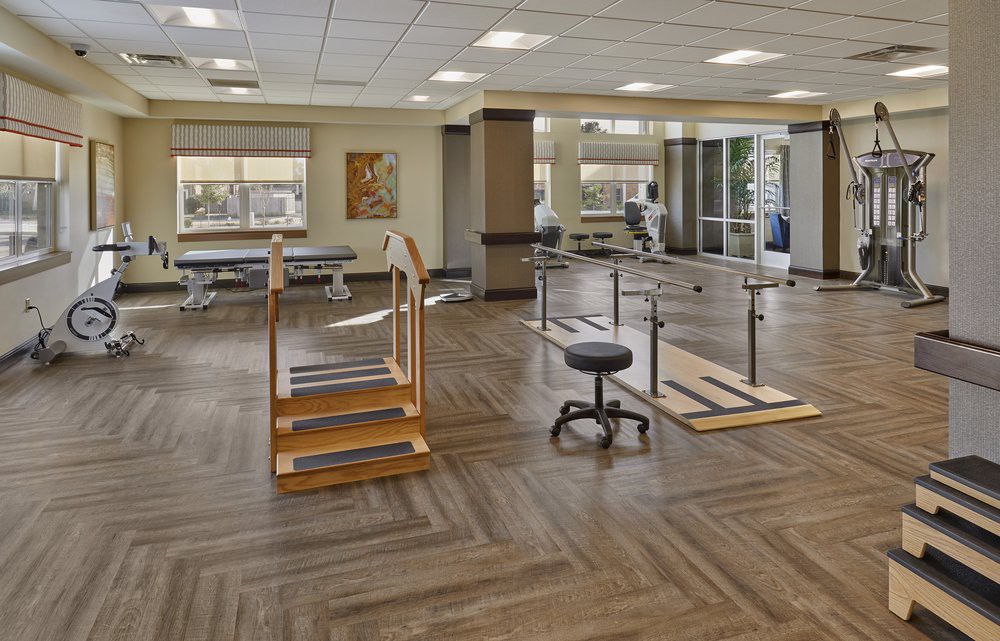
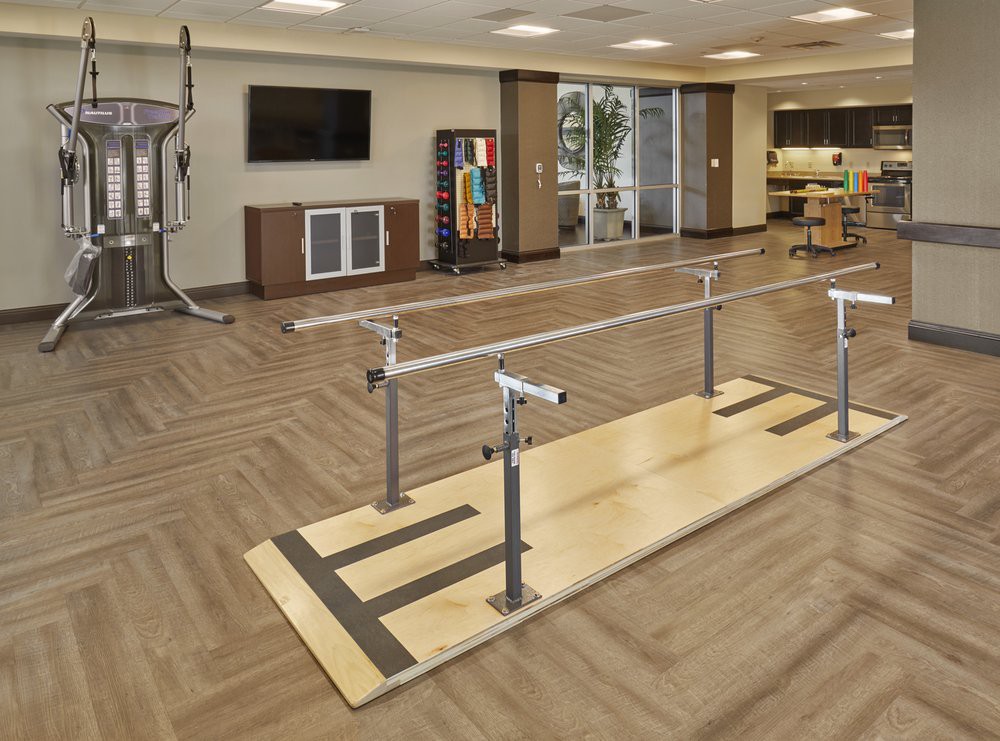
    We understand the importance of maintaining physical health. To support this, we offer a fitness room equipped with various exercise equipment and fitness programs tailored to meet your individual needs. Our wellness center provides additional services to promote your overall well-being.

    At Houston Transitional Care, we pride ourselves on providing exceptional care services. Our staff is available 24/7 through our call system and provides around-the-clock supervision for your safety and peace of mind. Assistance with everyday activities such as bathing, dressing, and transfers is readily available.

    Managing medications correctly is crucial for maintaining good health, which is why our trained staff assists with medication management. We also offer a mental wellness program that focuses on promoting emotional well-being.

    Residents benefit from our convenient location near cafes, pharmacies, physicians' offices, restaurants, and theaters, making it easy to access necessary services or enjoy leisure activities outside of the community.

    Come join us at Houston Transitional Care and experience a comfortable and fulfilling assisted living lifestyle where your needs and desires are our top priority.

    Nearby Places of Interest

    Pharmacies

    • CVS Pharmacy (0.7 miles)
    • CVS Pharmacy (2.7 miles)
    • CVS Pharmacy (3 miles)
    • Walgreens (3.9 miles)
    • CVS Pharmacy (4 miles)
    • CVS Pharmacy (4.3 miles)
    • Walgreens (4.5 miles)

    Cafes

    • 85C Bakery Cafe (2.1 miles)
    • Nara Cafe (3.2 miles)
    • Starbucks (3.6 miles)
    • Cafe Layal (3.7 miles)
    • Panera Bread (4.2 miles)
    • Starbucks (4.7 miles)
    • Starbucks (5.5 miles)

    Restaurants

    • McDonald's (2.2 miles)
    • McDonald's (2.6 miles)
    • Hadramout Restaurant M (2.7 miles)
    • Kim Son (2.8 miles)
    • Aga's Restaurant and Catering (3.5 miles)
    • Pappasito's Cantina (3.5 miles)
    • Chick-Fil-A (3.6 miles)

    Physicians

    • Texas Children's Pediatrics Westchase (3.5 miles)
    • Texas Children's Pediatrics Houston Pediatric Associates (5.2 miles)
    • Kelsey-Seybold Clinic (5.6 miles)
    • Houston Eye Associates (6.4 miles)
    • Kelsey-Seybols Clinic Main Campus (6.4 miles)
    • Allergy & ENT Associates: Kancherla Vikas S MD (6.9 miles)

    Theaters

    • 2430 Amc Bar Fountains (4.6 miles)
    • Regal Edwards Greenway Grand Palace ScreenX & RPX (6.1 miles)
    • Cinemark (6.6 miles)

    Places of Worship

    • Masjid As- Sabireen (5.6 miles)
    • Shirdi Sai Jalaram Mandir (6.3 miles)
    • St Martin's Episcopal Church (6.4 miles)
    • Sugar Land First United Methodist Church (6.8 miles)

    Parks

    • Huffington park (5.6 miles)

    Frequently Asked Questions

    Where is Houston Transitional Care?
    What photos are available for Houston Transitional Care in Houston, Texas?

    Nearby Communities

    Related Resources

    • what is elder abusePowerful Realities of Elder Abuse and the Most Effective Ways to Report It

      Elder abuse affects many older adults worldwide and includes physical, emotional, neglectful, and financial harm, with about one in six individuals over 60 experiencing abuse annually. Prevention and intervention strategies focus on awareness, support for caregivers, and mandatory reporting, while recovery necessitates comprehensive support for both physical and emotional needs.

    • caregiver dutiesTen Vital Duties of a Senior Caregiver: A Comprehensive Guide

      The guide details ten essential responsibilities of senior caregivers, including personal care, mobility assistance, medication management, and emotional support, while emphasizing the importance of safety, nutrition, and maintaining a safe living environment to enhance seniors' quality of life and independence.

    • memory games for seniors9 Stimulating Memory Activities for Seniors: Puzzles, Cards, and Much More
      The article highlights nine memory-boosting activities for seniors that enhance cognitive health and social interaction, including puzzles, trivia quizzes, and storytelling, while emphasizing the importance of adapting these activities to individual preferences to maximize enjoyment and engagement. Consistent mental engagement is linked to improved cognitive function and emotional well-being in older adults.


    Get Pricing Ask A Question Schedule A Tour Contact Senior Advisor