Courtyard Convalescent Ctr in Houston, TX
Save
Information last verified:
7499 Stanwick Dr, Houston, TX 77087
For more information about senior living options: (844) 490-3973
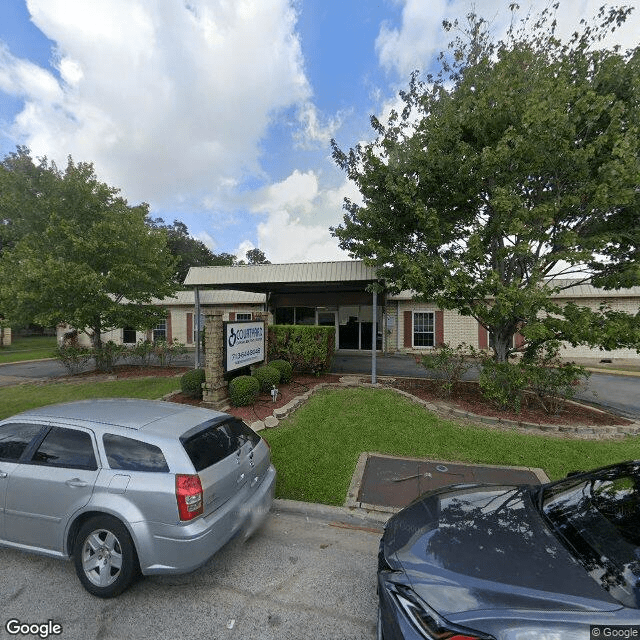
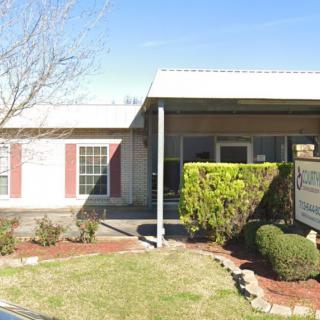
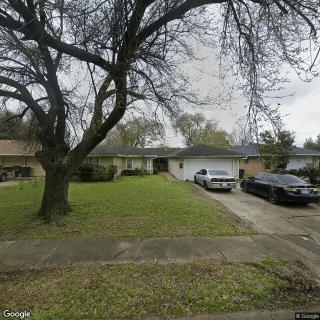
The Courtyards Convalescent Ctr in Houston is best suited for seniors who are navigating rehabilitation after surgery or an illness and who want a facility that feels clean, welcoming, and oriented toward scaling back dependence through skilled therapy. When the rehab program is the priority, this community can deliver tangible progress: therapy teams that are engaged, routines that foster restoration, and a living environment that many families describe as homey and comforting. The campus is attractive, well-kept, and designed to support social interaction, which matters for mood and motivation during recovery. This is not a generic “one-size-fits-all” option, however. For residents who require constant, high-intensity supervision, especially those who are bed-bound or have complex medical needs, the mixed reports about staffing gaps and delayed responses create real safety concerns that cannot be ignored. In short, it serves well as a rehab-focused option for capable, actively engaged patients, but it risks leaving more demanding cases under-served.
Those weighing alternatives should consider whether memory care, chronic containment of medical problems, or relentless overnight coverage is essential. Several reviews raise red flags for residents with significant behavioral or safety risks, noting inconsistent nurse availability, slow responses to bed alarms, and occasional lapses in basic hygiene and wound care. Families facing these realities should aggressively compare facilities with dedicated memory-care wings, higher staffing ratios, or more robust oversight structures. Hospice experiences at this property have also been uneven, with some families feeling that compassion and attentiveness did not meet expectations during end-of-life care. For anyone prioritizing steady, 24/7 reliability and tightly managed clinical protocols, looking beyond The Courtyards is a prudent step.
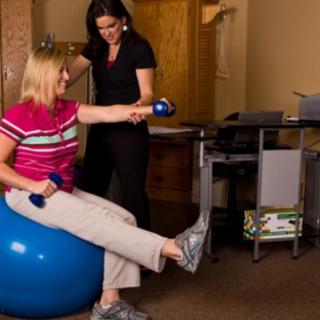
The strongest positives at The Courtyards revolve around people and place. Cleanliness and ambiance are consistently praised, with many residents and visitors describing a welcoming, home-like atmosphere complemented by graceful common areas. The therapy staff receives frequent commendation for hands-on attention and progress, and the rehab experience is often cited as the critical factor in achieving safer discharges or longer-term recovery plans. Relationships with frontline caregivers, nurses and CNAs who show warmth, patience, and competence, are a recurring theme in the best reviews. When the facility is operating smoothly, families report meaningful engagement, timely med administration, and a culture that treats residents with dignity. The administrative side is occasionally highlighted positively too, with managers who effectively coordinate tours, explain care plans, and reassure families during transitions.
Yet the picture is never uniformly positive. A substantial portion of reviews describe persistent staffing shortcomings: too few hands on the floor, frequent delays in answering call bells, and a sense that some aides “pass the buck” to others. In several accounts, wound care, routine baths, and daily cares were flagged as inconsistent, with legitimate concerns about the thoroughness of care when only limited staff coverage is available. Food quality also emerges as variable, with some families praising meals and others lamenting unappetizing options that fail to meet diabetic or other dietary needs. Even among well-meaning caregivers, reports of rude interactions, delays in pain management, or interruptions in care plan execution surface, casting a shadow over otherwise solid clinical competencies. The medical team sometimes earns positive notes, but a pattern of communication gaps and gaps in day-to-day responsiveness undermines trust.
From a decision-making standpoint, several practical steps help align expectations with reality. Prospective families should request a straight for-and-against about staffing patterns during their tour, including the turnover rate, the on-shift nurse-to-resident ratio, and how often bedside care plans are updated. It is essential to observe how staff respond to bed alarms or requests for assistance during peak activity times. Insist on seeing wound care procedures, medication administration routines, and meal service with a diabetic or restricted-diet resident to verify adherence to care standards. Speak with the activities director about consistent days for therapy, and verify the therapy team’s availability and communication style with families. Finally, meet the administrator or MDS coordinator to discuss discharge planning, home health integration, and contingency plans if a resident’s needs intensify.
The Courtyards can be a strong, even excellent, choice for families prioritizing rehabilitation and a nurturing atmosphere, provided the expectations are calibrated to the realities of staffing variability. When care teams are at their best, residents thrive: cleanliness, thoughtful therapy, and a warm, attentive staff combine to produce meaningful recovery outcomes and a sense of safety. However, the facility’s inconsistency in staffing and some troubling reports about responsiveness and basic care cannot be ignored. The prudent path is to pursue a thorough, in-person assessment with a conservative list of questions about daily operations and to compare with other options that offer higher staffing guarantees or dedicated memory-care supports. For families where reliable, around-the-clock attentiveness is non-negotiable, alternate communities deserve careful consideration. For rehab-focused care with engaged therapists and a caring culture, The Courtyards remains a viable, often favorable, option, so long as one enters with clear expectations and a plan to monitor ongoing care closely.
The Courtyard Convalescent Center in Houston, TX is a vibrant and conveniently located assisted living community. Situated near numerous amenities, residents of this center have easy access to pharmacies, physicians, restaurants, transportation options, and places of worship.
With six pharmacies in the vicinity, residents can easily obtain their medications and prescriptions without having to travel far. This ensures convenience and timely access to necessary healthcare services.
The presence of a nearby physician provides additional peace of mind for both residents and their families. In case of any medical emergencies or routine check-ups, residents can rely on the expertise and care of a healthcare professional within close proximity.
Food options are abundant with seven restaurants nearby. Whether residents prefer fine dining or casual eateries, they will be spoilt for choice. These restaurants cater to diverse dietary preferences and offer a convenient option for socializing with friends and family over a meal.
Transportation is also readily available around the community. With seven transportation options nearby, residents can easily reach various destinations such as medical appointments, shopping centers, or recreational facilities. This ensures independence and freedom of movement for individuals residing in the Courtyard Convalescent Center.
Additionally, there are two places of worship situated close by. This allows residents to continue practicing their faith while enjoying the benefits of residing in an assisted living community. Access to places of worship facilitates spiritual well-being among the residents by providing opportunities for prayer, fellowship, and religious activities.
Overall, the Courtyard Convalescent Center offers not only comfortable living spaces but also a wide range of amenities in its surrounding area. From healthcare services to dining options and transportation facilities – this assisted living community strives to meet the diverse needs and preferences of its residents while promoting independence, convenience, and overall well-being.
Located in Houston, Texas, this area offers a convenient and diverse range of amenities for senior living. With multiple pharmacies such as CVS and Walgreens within close proximity, access to healthcare services is easily accessible. There are various dining options available including Chick-Fil-A, McDonald's, and Connie's Seafood Restaurant & Oyster Bar for a variety of dining experiences. Transportation options are abundant with car rental agencies like National Car Rental and airlines like Southwest Airlines nearby. For medical needs, there are reputable clinics and hospitals such as Houston Methodist Hospital and University of Texas School of Dentistry within a short distance. Additionally, there are several parks and places of worship available for recreational activities and spiritual fulfillment. Overall, this area provides a well-rounded community with essential services for seniors looking to reside in Houston.
Courtyard Convalescent Ctr is located at 7499 Stanwick Dr, Houston, TX 77087 in Harris County, Texas
Understanding the Sandwich Generation: Stress and Responsibilities for Multigenerational Caregivers

The Sandwich Generation comprises adults managing the dual responsibilities of caring for aging parents and raising children, leading to significant emotional, logistical, and financial challenges. This situation is exacerbated by longer life expectancies and cultural expectations, necessitating effective coping strategies and support resources to alleviate caregiver stress and burnout.
8 Essential Assistive Devices for Older Adults

The article highlights eight essential assistive devices that improve the independence and safety of older adults, addressing issues related to mobility, balance, vision, hearing, and dexterity. It emphasizes the importance of proper selection guided by healthcare professionals to enhance seniors' quality of life while allowing them to age in place.
Navigating the Financial Road to Nursing Home Care: In-Depth Guidance and Resources
The article offers detailed guidance on the financial complexities of nursing home care, covering costs, payment methods, and alternative funding strategies while emphasizing the importance of proactive planning and legal considerations for individuals and families making care decisions.